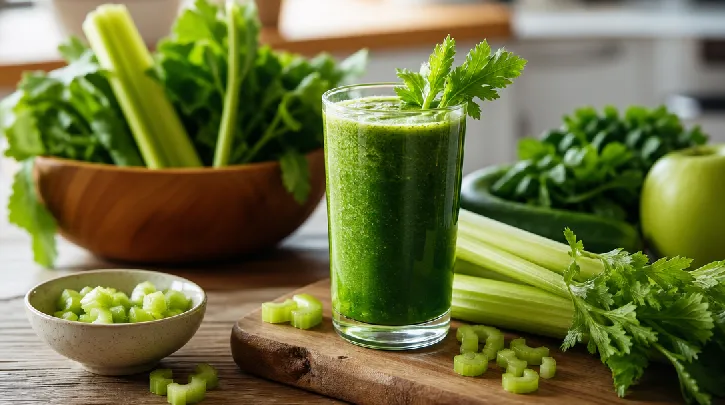
Incorporating celery into your diet is straightforward and offers numerous health benefits. You can enjoy celery raw as a crunchy snack, chop it into salads, blend it into smoothies, or cook it into a variety of dishes like soups, stews, and stir-fries. Its mild flavor and crisp texture make it a versatile ingredient that can enhance many meals without overpowering other flavors.
Beyond its culinary versatility, celery is a nutritional powerhouse. It provides essential vitamins, minerals, and antioxidants that can contribute significantly to your overall well-being. Adding celery to your daily routine can be a simple yet effective way to boost hydration, improve digestion, and support various bodily functions.
Why Celery? The Nutritional Powerhouse You Need
Celery, botanically known as Apium graveolens, is much more than just a crunchy, low-calorie vegetable. It is packed with essential nutrients that support various aspects of your health. Celery is about 95% water, making it an excellent choice for hydration.
This humble stalk contains a robust profile of vitamins and minerals. It is a rich source of Vitamin K, crucial for blood clotting and bone strength. Celery also provides Vitamin C, folate, potassium, and magnesium, all vital for maintaining good health.
Moreover, celery boasts a significant array of antioxidants, including flavonoids, phenolic acids, carotenes, and tocopherols. These compounds help protect your cells from oxidative damage, potentially aiding in the management of conditions such as hypertension, diabetes, and gastrointestinal disorders. Research indicates that celery’s anti-inflammatory properties are partly due to compounds like apigenin and luteolin.
Understanding Celery: More Than Just a Crunch
Celery has been cultivated for over 200 years for both its culinary and medicinal properties. Native to the Mediterranean region, it has a long history, even appearing in ancient Egyptian funeral garlands. Today, it is a staple in kitchens worldwide.
While most people are familiar with the crisp green stalks, all parts of the celery plant are edible. This includes the leaves, roots (often referred to as celeriac), and even the seeds. Each part offers a unique flavor and texture profile, providing different ways to enjoy its nutritional benefits.
Celery stalks are renowned for their distinct, mildly earthy, and slightly salty taste, along with their characteristic crunch. The leaves are more pungent and herbaceous, while celery seeds have a strong, aromatic, and slightly bitter flavor, often used as a spice.
The Best Ways to Enjoy Celery: Practical Incorporation Strategies
Integrating celery into your daily meals does not require a complete diet overhaul. Small, consistent additions can lead to significant health benefits. Here are some of the best and most practical ways to incorporate celery into your diet.
Raw Celery: Simple and Refreshing
Eating celery raw is perhaps the easiest way to enjoy its crisp texture and full nutritional punch, as raw celery retains more nutrients than cooked celery.
- Snacks: A classic and beloved snack, celery sticks pair perfectly with dips. Try them with hummus, peanut butter, almond butter, or a low-fat cream cheese for a satisfying crunch and added protein.
- Salads: Finely chopped or thinly sliced celery adds a refreshing crunch and subtle flavor to almost any salad. It works wonderfully in garden salads, coleslaw, or even fruit salads that need a savory contrast.
- Stir-ins: Dice celery and mix it into your favorite spreads or salads. It adds texture and freshness to tuna salad, chicken salad, egg salad, or even a hearty potato salad.
Cooked Celery: Unlocking New Flavors
Cooking celery softens its texture and mellows its flavor, making it a great addition to warm dishes. While some nutrients may be lost during cooking, it remains a healthy addition.
- Soups and Stews: Celery is a foundational ingredient in many savory dishes, often forming part of a mirepoix (a blend of diced carrots, celery, and onions). It lends depth and a subtle herbaceous note to chicken noodle soup, minestrone, chili, and beef stew.
- Stir-fries: Add sliced celery to your stir-fries for an extra layer of crunch and flavor. It holds up well to high heat and complements various proteins and vegetables.
- Roasted or Sautéed: Halve or chop celery stalks and roast them with other root vegetables like carrots and potatoes, or sauté them lightly with garlic and olive oil. Roasting brings out a sweeter, more nuanced flavor.
- Braised Celery: For a tender and flavorful side dish, braise celery stalks in a savory broth with herbs until very soft. This method transforms celery into an elegant accompaniment.
Celery Juice: The Wellness Trend
Celery juice gained significant popularity as a wellness trend, touted for its anti-inflammatory and hydrating properties. While it concentrates certain vitamins and minerals, it’s important to remember that juicing removes much of the beneficial fiber.
To make celery juice, simply wash and chop several celery stalks and blend them with a small amount of water. Strain the pulp through a fine-mesh sieve or nut milk bag. Some people drink it plain, while others prefer to mix it with other juices like apple or cucumber for flavor.
While celery juice can be a convenient way to consume a higher volume of celery’s micronutrients, registered dietitians often emphasize that whole celery provides the added benefit of dietary fiber, which is crucial for digestive health.
Beyond the Stalk: Using Celery Leaves and Seeds
Don’t discard the leaves or overlook the seeds; they are packed with flavor and nutrients.
- Celery Leaves: The delicate, feathery leaves are edible and have a stronger celery flavor than the stalks. Use them as a garnish, chop them into salads, blend them into pesto, or add them to stocks and broths for extra aroma. They contain the most calcium, potassium, and Vitamin C.
- Celery Seeds: These small, potent seeds are a popular spice. They can be added to pickling brines, sprinkled over salads, mixed into bread dough, or used to season rubs for meats. Celery seed extracts are also available as dietary supplements and have been studied for their potential to lower blood pressure and improve cholesterol levels.
Creative Celery Combinations for Every Meal
Celery’s mild taste makes it highly adaptable across all meal times.
- Breakfast: Add a stalk of celery to your morning green smoothie for added nutrients and a refreshing taste.
- Lunch: Beyond salads, try adding finely diced celery to wraps, pita pockets, or sandwiches for extra crunch.
- Dinner: Incorporate celery into casseroles, pasta sauces, or as a vibrant side dish with roasted chicken or fish.
- Snacks: Get creative with celery “boats” filled with cream cheese and everything bagel seasoning, or even a thin slice of cheese.
Maximizing Celery’s Benefits: Tips from an Expert
To truly get the most out of incorporating celery into your diet, a few practical tips can make a big difference in flavor, freshness, and nutrient retention.
When selecting celery, look for stalks that are firm and crisp, not limp. The leaves should appear fresh and green. Avoid celery with yellowing leaves or soft spots, as these are signs of age.
Proper storage is key to extending celery’s shelf life. Store whole celery stalks in the refrigerator, ideally wrapped in foil or in a plastic bag, loosely tied or knotted. This method helps maintain moisture and crispness for up to two weeks.
Washing celery thoroughly before consumption is crucial, especially since celery is often listed among vegetables with higher pesticide residues. Wash individual stalks under running water, scrubbing gently with a vegetable brush if desired, to remove any dirt or residues.
“Celery is a low-calorie vegetable that provides much-needed nutrients, water and some fiber,” says registered dietitian Amber Sommer, RDN, LD. “Whether you like celery raw and crunchy or softened from cooking, this vegetable provides a host of health benefits.”
Studies have shown promising effects of celery on various health markers. For instance, a 2022 study involving participants with hypertension found that consuming four celery seed extract capsules daily for four weeks helped lower blood pressure, fasting blood sugar, and improved cholesterol levels. While per capita retail celery availability in the US saw a slight decrease from 5.56 pounds in 2011 to 4.97 pounds in 2019, it remains a popular and widely available vegetable.
Celery in American Cuisine: A Timeless Staple
Celery holds a cherished place in American culinary traditions. Its versatility makes it a go-to ingredient for both flavor and texture.
From the classic “ants on a log” (celery with peanut butter and raisins) that introduces children to healthy snacking, to its integral role in holiday stuffing, celery is deeply embedded in American cooking. It’s a key component in chicken pot pie, tuna salad, and many cold deli salads.
Beyond traditional uses, celery has found its way into modern American diets through green juices and smoothies. Its crispness also makes it a refreshing counterpoint in rich or heavy dishes, offering a light, cleansing bite.
Potential Considerations and Who Should Be Cautious
While celery is generally healthy, there are a few important considerations.
Allergies: Celery can cause allergic reactions in some individuals, particularly those sensitive to other plants and spices like mugwort, birch, or wild carrot. This is sometimes referred to as “celery-carrot-mugwort-spice syndrome”. Symptoms can range from mild oral allergy syndrome to more severe reactions.
Pesticides: Conventional celery has historically been listed on the Environmental Working Group’s “Dirty Dozen” list due to potential pesticide residues. Opting for organic celery when possible can help mitigate this concern. Thoroughly washing all celery, regardless of whether it’s organic or conventional, is always recommended.
Medication Interactions: Celery, especially in medicinal amounts (like celery seed extracts or high-dose supplements), may interact with certain medications. These include blood-thinning medications (anticoagulants), diuretics, lithium, thyroid medications, and drugs that increase sensitivity to sunlight. Celery contains furanocoumarins, which can inhibit enzymes that break down drugs, potentially leading to higher drug concentrations in the body. Always consult with a healthcare provider before consuming large amounts of celery or celery supplements if you are on medication.
Pregnancy: Celery oil and seeds in medicinal amounts are likely unsafe during pregnancy as they might stimulate uterine contractions and potentially cause a miscarriage. Pregnant individuals should stick to food amounts of celery.
Celery vs. Other Veggies: A Quick Comparison
To illustrate celery’s nutritional standing, let’s compare it with other popular vegetables like cucumber and carrot. This table provides a per 100g comparison for a standardized view.
| Nutrient (per 100g) | Celery | Cucumber | Carrot |
|---|---|---|---|
| Calories | 15 kcal | 15 kcal | 42 kcal |
| Protein | 0.8 g | 0.6 g | 0.9 g |
| Carbohydrates | 3.0 g | 3.2 g | 9.6 g |
| Fiber | 1.5 g | 0.4 g | 2.8 g |
| Vitamin K | 29.3 mcg (37% DV) | 16.4 mcg (20% DV) | 13.2 mcg (16% DV) |
| Vitamin A | 22 mcg (2% DV) | 3 mcg (<1% DV) | 835 mcg (93% DV) |
| Vitamin C | 3.1 mg (3% DV) | 2.8 mg (3% DV) | 5.9 mg (7% DV) |
Frequently Asked Questions About Celery
Is celery good for weight loss?
Yes, celery is often considered beneficial for weight loss due to its very low calorie count and high water and fiber content. The fiber helps you feel full, which can reduce overall calorie intake.
Can you eat too much celery?
While generally safe in food amounts, consuming extremely large quantities of celery or celery supplements might cause gastrointestinal issues like bloating and diarrhea. It’s best to consume celery as part of a balanced diet.
What part of celery is most nutritious?
All parts of celery offer nutritional value. However, the leaves contain the most calcium, potassium, and Vitamin C. The stalks are rich in water and various vitamins, while the root (celeriac) is a good source of fiber.
How long does celery last in the fridge?
When stored properly in the refrigerator, typically wrapped in foil or a plastic bag, fresh celery can remain crisp for up to two weeks. Limp celery can sometimes be revived by placing it in ice water.
Can I use celery leaves in cooking?
Absolutely! Celery leaves are highly flavorful and can be used in various culinary applications. They make an excellent garnish, can be chopped into salads, added to soups and stews, or even blended into pestos for a unique twist.
Conclusion
Celery is a remarkably versatile and nutrient-dense vegetable that deserves a regular spot in your diet. Its crisp texture and mild flavor make it an easy addition to a wide array of dishes, from simple snacks to complex cooked meals.
By integrating celery in both raw and cooked forms, and even exploring its leaves and seeds, you can tap into its impressive profile of vitamins, minerals, and antioxidants. Remember the practical tips for selection and storage to ensure you’re always enjoying celery at its best. Embrace the crunch and the wellness benefits that this humble stalk brings to your table.
Explore Related Content
- more on Health
- Recipes resources
- Signs of Celery Allergy in Pets: What Symptoms to Watch For and How to React
- Pet Choking on Celery or Bad Reaction: Your First Aid Guide
- Can Eating Celery Interfere with Blood-Thinning Medications or Thyroid Function? Navigating Food-Drug Interactions
- How Celery’s High Fiber Content Specifically Aids Digestion and Relieves Constipation: Your Guide to Gut Health
- Conventional, Organic, and Biodynamic Celery: Unearthing the Differences and Nutrient Density
