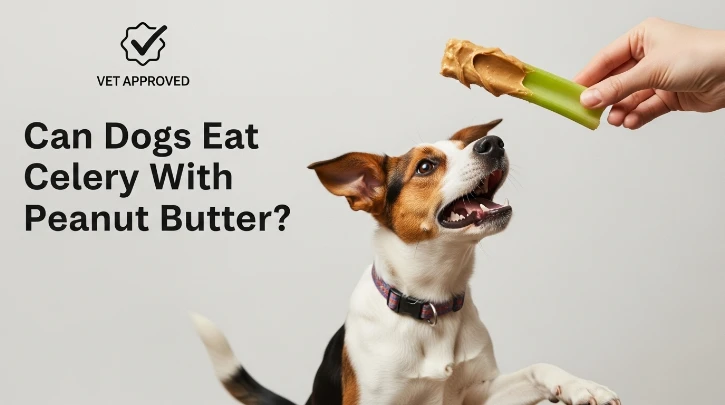
Yes, most dogs can safely enjoy celery with peanut butter as a treat in moderation. This crunchy vegetable, combined with the creamy spread, offers a delightful and nutritious snack when prepared correctly. Celery provides hydration and vitamins, while peanut butter offers protein and healthy fats. However, you must prioritize safety by choosing xylitol-free peanut butter and cutting celery into small, manageable pieces. But wait! Before you grab that snack, you must know the vital details. One wrong ingredient or too much can put your beloved dog’s health at risk. Don’t gamble with your furry family member’s well-being. Keep reading this guide. It could save you heartache and vet bills.
Understanding Celery for Dogs
Celery is a crisp, low-calorie vegetable that many dogs enjoy. This green stalk offers both hydration and essential nutrients, making it a good choice for a healthy snack.
Benefits of Celery for Your Canine Companion
Celery offers several surprising health advantages for dogs. It contributes to their overall well-being in simple, beneficial ways.
- Hydration: Celery is mostly water, helping your dog stay hydrated, especially on warm days.
- Vitamins and Minerals: This vegetable contains important vitamins like A, C, and K. It also offers folate and potassium, vital for healthy body functions.
- Dietary Fiber: The fiber in celery aids in digestion. It can help maintain regular bowel movements for your dog.
- Fresh Breath: The act of chewing celery can help clean your dog’s teeth. This action also helps freshen your dog’s breath naturally.
- Low in Calories: Celery is a very low-calorie treat. This makes it an excellent option for dogs needing weight management.
Potential Risks and Important Precautions with Celery
While celery is largely safe, dog owners must know certain risks. Proper preparation helps avoid these issues.
- Choking Hazard: Celery contains long, stringy fibers. These fibers can pose a choking risk, especially for smaller dogs. Large pieces also present a danger.
- Pesticides: Celery can carry pesticide residues. You must wash it thoroughly before offering it to your dog.
- Digestive Upset: Too much fiber can cause issues. Overfeeding on celery may lead to diarrhea or gas. Moderation is always key.
- Sodium Content: Celery does contain some natural sodium. In small amounts, this is rarely a problem for healthy dogs.
Preparing Celery Safely for Your Dog
Proper preparation makes celery a safe and enjoyable snack. Following simple steps ensures your dog gets the benefits without the risks.
- Wash Thoroughly: Always rinse celery well under running water. This removes dirt and potential pesticides.
- Remove Tough Strings: Peel away any long, fibrous strings from the stalk. These strings can get stuck in your dog’s throat.
- Cut into Small Pieces: Slice celery into small, bite-sized rounds or thin strips. This greatly reduces any choking risk.
Understanding Peanut Butter for Dogs
Peanut butter is a wildly popular dog treat. Its creamy texture and rich flavor appeal greatly to canines. Many pet owners use it for giving pills or as a high-value reward during training.
Choosing Safe Peanut Butter for Your Furry Friend
Selecting the right peanut butter is the most critical step. Your choice directly impacts your dog’s safety and health.
- Xylitol-Free is Essential: Always check the ingredient label for xylitol. Xylitol is a sugar substitute found in many human foods. It is highly toxic and potentially lethal to dogs. Even small amounts can cause a rapid drop in blood sugar, seizures, liver failure, or death.
- Natural and Unsalted: Opt for natural peanut butter. It should contain only roasted peanuts. Avoid brands with added salt, sugar, or artificial sweeteners.
- Low Sugar Content: Even natural peanut butter can have some sugar. Choose varieties with minimal added sugars. This prevents unnecessary calorie intake.
- No Other Harmful Ingredients: Some peanut butter contains palm oil or other fillers. While not directly toxic, these add unhealthy fats and calories. Stick to simple ingredients.
Benefits of Peanut Butter for Your Dog
When chosen correctly, peanut butter offers nutritional value. It can be a beneficial part of your dog’s diet in small amounts.
- Protein Power: Peanut butter is a good source of protein. Protein helps build and repair muscles.
- Healthy Fats: It contains healthy monounsaturated fats. These fats provide energy and support cell function.
- Essential Vitamins: Peanut butter delivers Vitamin E, an antioxidant, and several B vitamins. These include niacin and folate.
- Minerals: Dogs also get magnesium, phosphorus, and zinc from peanut butter. These minerals are important for various bodily processes.
Potential Risks and Important Precautions with Peanut Butter
Despite its popularity, peanut butter comes with its own set of concerns. Responsible feeding prevents these issues.
- High Calorie Count: Peanut butter is calorie-dense. Overfeeding can quickly lead to weight gain and obesity in dogs.
- Fat Content: The high-fat content can cause digestive upset. In some sensitive dogs, it might trigger pancreatitis.
- Allergies: Though rare, dogs can develop peanut allergies. Watch for signs like itching, vomiting, or diarrhea after consumption.
- Choking Hazard: A large glob of sticky peanut butter can pose a choking risk. Spread it thinly, or mix it with other foods.
The Perfect Pair: Celery and Peanut Butter
Combining celery and peanut butter creates a delightful and engaging snack for most dogs. This duo offers a satisfying mix of textures and flavors. It also provides a balanced nutritional boost, making treat time special and beneficial.
Why Celery and Peanut Butter Work Together So Well
This classic combination offers a unique sensory and nutritional experience for dogs. Each component complements the other perfectly.
- Texture Contrast: The crispness of celery pairs wonderfully with the creamy texture of peanut butter. This variety makes the treat more enjoyable for your dog.
- Flavor Appeal: Many dogs adore the taste of peanut butter. Its strong flavor often encourages them to eat the milder celery.
- Nutrient Balance: Celery provides hydration, fiber, and vitamins. Peanut butter offers protein, healthy fats, and B vitamins. Together, they create a more complete snack.
- Mental Stimulation: Licking peanut butter from a celery stick can be a fun activity. It offers a degree of mental enrichment for your dog.
- Dental Benefits: The crunch of celery, combined with the act of licking, can help scrub your dog’s teeth. This contributes to better oral hygiene.
Step-by-Step Guide to Preparing the Treat
Making this snack for your dog is simple and quick. Following these steps ensures a safe and enjoyable experience for your pet.
- Select Fresh Celery: Choose firm, green celery stalks. Avoid any that look limp or discolored.
- Thoroughly Clean Celery: Wash the celery under cold, running water. Rub the surface to remove any dirt or potential residues.
- Trim Celery Ends: Cut off the very bottom and top leafy parts of the celery stalk. These parts can be tougher or more fibrous.
- Remove Strings and Cut into Small, Dog-Friendly Pieces: Use a vegetable peeler or your fingers to pull off the long, fibrous strings. Then, slice the celery into small, coin-sized rounds (about half an inch thick) or thin, one-inch strips. This prevents choking.
- Choose Xylitol-Free Peanut Butter: Double-check your peanut butter label. Confirm it contains no xylitol. Opt for natural, unsalted, and unsweetened varieties.
- Spread a Thin Layer: Apply a small, thin layer of peanut butter onto one side of each celery piece. Avoid large globs that could become a choking hazard.
- Serve Responsibly: Offer the treat to your dog under supervision. Watch them chew and enjoy.
How Much is Too Much? Serving Sizes and Frequency
Proper portion control is vital when giving treats to your dog. Treats should always complement a balanced diet, not replace it. Too many treats can lead to weight gain or digestive issues.
General Guidelines for Treat Portions
You must factor in your dog’s individual needs. These considerations help you determine a safe amount for them.
- The 10% Rule: Treats, including celery and peanut butter, should make up no more than 10% of your dog’s daily caloric intake. This prevents nutritional imbalances.
- Consider Dog’s Size: Smaller dogs need much less than larger dogs. Their caloric needs are significantly different.
- Age and Activity Level: Active young dogs might tolerate slightly more. Older, less active dogs need fewer treats to maintain a healthy weight.
- Existing Health Conditions: Dogs with diabetes, pancreatitis, or weight issues require stricter portion control. Always consult your vet for personalized advice.
Recommended Serving Sizes
The following table provides general recommendations. Adjust these based on your dog’s specific needs and your veterinarian’s advice. This guidance helps you offer a healthy amount of celery with peanut butter to your dog.
The amount of celery and peanut butter your dog can have depends on their size.
| Dog Size | Recommended Celery Pieces (small, 1-inch) | Recommended Peanut Butter (per piece) |
|---|---|---|
| Toy (Under 10 lbs) | 1-2 very small pieces | 1/4 teaspoon total, thinly spread |
| Small (10-25 lbs) | 2-3 small pieces | 1/2 teaspoon total, thinly spread |
| Medium (25-50 lbs) | 3-4 medium pieces | 1 teaspoon total, thinly spread |
| Large (Over 50 lbs) | 4-6 medium pieces | 1-2 teaspoons total, thinly spread |
Frequency of Offering the Treat
Celery with peanut butter should be an occasional treat. Do not offer it daily.
- Occasional Delight: Offer this treat a few times a week, perhaps 2-3 times. This prevents overfeeding and keeps it special.
- Monitor Response: Watch your dog for any digestive upset. Reduce frequency if you notice gas, diarrhea, or vomiting.
- Variety is Good: Rotate treats to provide a wider range of nutrients. This also keeps your dog interested and prevents boredom.
Recognizing and Preventing Choking Hazards
Choking is a serious concern with any fibrous or sticky food. Proper preparation of celery and peanut butter significantly minimizes this risk for your dog. Your dog’s safety is always the top priority.
Choking Concerns with Celery
Celery’s unique structure can present specific hazards if not prepared correctly. Understanding these helps you keep your dog safe.
- Long Fibrous Strings: Celery stalks have tough, stringy fibers. These fibers can easily get lodged in a dog’s throat. They can also wrap around intestines if swallowed whole.
- Large Chunks: Dogs often gulp food without much chewing. Large pieces of celery can become stuck in their airway. This is especially true for small breeds.
- Rigid Texture: Raw celery is quite rigid. Dogs may struggle to break it down effectively before swallowing.
Choking Concerns with Peanut Butter
Even a beloved treat like peanut butter can pose a risk. Knowing how to mitigate this is crucial.
- Excessive Stickiness: Peanut butter is very sticky. A large amount can form a dense mass in a dog’s mouth or throat. This makes it hard to swallow or breathe.
- Palate Clinging: Sticky peanut butter can cling to the roof of your dog’s mouth. This can cause panic and difficulty breathing.
- Small Dogs: Smaller breeds have smaller airways. They are more susceptible to choking on sticky foods.
Essential Prevention Tips for Safety
These simple practices ensure a safe snacking experience. They protect your dog from potential choking incidents.
- Always Supervise: Never leave your dog unsupervised while they eat treats. You must be present to intervene if choking occurs.
- Cut Celery Small: Slice celery into coin-sized rounds or thin, short strips. Pieces should be small enough for your dog to swallow easily.
- Remove Celery Strings: Peel off the fibrous strings from the celery stalks. This removes a major choking risk.
- Spread Peanut Butter Thinly: Apply only a thin layer of peanut butter. Avoid giving large, thick dollops.
- Consider Freezing: For a longer-lasting and less sticky treat, you can freeze the celery with peanut butter. This makes it harder for dogs to gulp down quickly.
- Know Basic First Aid: Learn how to perform the Heimlich maneuver on a dog. This knowledge could save your dog’s life in an emergency.
Health Benefits and Nutritional Value for Your Dog
Celery with peanut butter offers more than just a tasty snack; it provides real nutritional advantages for your dog’s overall health. When combined, these ingredients contribute to a well-rounded and beneficial treat.
Key Nutritional Contributions to Your Dog’s Diet
This dynamic duo delivers a range of nutrients. These support various bodily functions and promote good health.
- Fiber for Digestion: Celery’s high fiber content aids digestion. It helps maintain a healthy gut and regular bowel movements. This is essential for preventing constipation.
- Essential Vitamins and Minerals: Celery supplies vitamins A, C, and K, plus folate and potassium. Peanut butter offers B vitamins, Vitamin E, magnesium, and zinc. These nutrients support vision, immune function, blood clotting, and nerve health.
- Protein and Healthy Fats: Peanut butter is rich in protein, crucial for muscle development and repair. It also contains healthy monounsaturated fats, providing sustained energy.
- Hydration Boost: Celery is over 95% water. This makes it a great way to add extra moisture to your dog’s diet, supporting kidney function and overall hydration.
- Dental Engagement: The crunchy texture of celery provides a mild abrasive action. This can help scrape away plaque and tartar, promoting better dental health.
Detailed Nutritional Breakdown
Understanding the specific benefits of each component helps you appreciate this treat’s value.
Celery’s Contributions:
- Low Calories, High Water: Excellent for dogs needing to manage their weight. Its high water content helps with hydration.
- Vitamins A, C, and K: Vitamin A supports vision and immune health. Vitamin C is an antioxidant, and Vitamin K is vital for blood clotting.
- Folate: Important for cell growth and metabolism.
- Potassium: Essential for nerve function, muscle contraction, and maintaining fluid balance.
Peanut Butter’s Contributions (Xylitol-Free, Natural, Unsalted):
- Protein: Foundational for muscle building, enzymes, and hormones.
- Healthy Monounsaturated Fats: Provide a concentrated source of energy. They also support healthy skin and coat.
- Vitamin E: A powerful antioxidant that protects cells from damage.
- B Vitamins (Niacin, Folate, B6): Crucial for energy metabolism, brain function, and red blood cell formation.
- Magnesium: Supports bone health, nerve function, and muscle activity.
- Zinc: Important for immune function and wound healing.
Together, celery with peanut butter provide a treat that satisfies your dog’s taste buds. It also supports their health with essential nutrients. Always remember mthat oderation is key to maximizing these benefits safely.
When to Avoid Celery and Peanut Butter
While generally safe, this treat is not suitable for all dogs. Certain health conditions or ingredients make it unsafe. You must always consider your dog’s individual health profile before introducing new foods.
Health Conditions That May Contraindicate This Treatment
Some medical situations require avoiding celery and peanut butter altogether. Consulting your veterinarian is crucial for these cases.
- Diabetes: Peanut butter, even unsweetened, contains natural sugars and is calorie-dense. This can impact blood sugar levels. Dogs with diabetes require a very strict diet.
- Pancreatitis or Prone to Pancreatitis: Peanut butter is high in fat. High-fat foods can trigger painful pancreatitis flares in susceptible dogs.
- Kidney Disease: Celery contains natural sodium, and peanut butter can have phosphorus and potassium. Dogs with kidney issues need careful monitoring of these minerals.
- Food Allergies: Although rare, some dogs can be allergic to peanuts. If your dog shows signs of itching, vomiting, diarrhea, or swelling after consuming peanut butter, stop immediately.
- Dogs Prone to Bladder Stones: Celery contains oxalates. While a small amount is usually fine, large quantities might be a concern for dogs with a history of calcium oxalate bladder stones.
- Obesity or Weight Management Issues: Both celery and peanut butter contribute calories. For dogs on a strict weight loss plan, these treats might be too caloric, especially peanut butter.
Ingredients to Avoid at All Costs
Vigilance about ingredients is paramount. Some substances commonly found in human peanut butter are highly toxic to dogs.
- Xylitol is Lethal! This sugar substitute is the most dangerous ingredient to watch for. It is present in many “sugar-free” or “reduced-sugar” peanut butter brands. Ingestion can cause a rapid, severe drop in blood sugar (hypoglycemia), seizures, liver failure, and death in dogs. Always read the label meticulously for xylitol. Pet Poison Helpline offers detailed information on xylitol toxicity.
- High Sodium Peanut Butter: Excessive salt is bad for dogs, just as it is for humans. It can lead to sodium ion poisoning in large amounts. Stick to unsalted varieties.
- Added Sugars or Artificial Sweeteners: Beyond xylitol, other artificial sweeteners or high amounts of sugar are unhealthy for dogs. They can contribute to weight gain, dental problems, and potentially other health issues.
- Celery with Human Dips or Seasonings: Never give your dog celery that has been prepared for human consumption with added dips like ranch, hummus, or seasonings like onion or garlic powder. These ingredients are toxic or unhealthy for dogs.
Your dog’s health depends on your careful choices. When in doubt, always opt for plain, safe ingredients or consult your veterinarian. The American Kennel Club provides comprehensive resources on safe and unsafe foods for dogs: AKC Safe & Unsafe Foods.
Delicious Alternatives and Variations
If celery and peanut butter aren’t right for your dog, or you simply want to add variety, many other safe and healthy snack options exist. Exploring different treats keeps mealtime exciting and ensures your dog gets a range of nutrients.
Other Safe Vegetables to Pair with Peanut Butter
Many vegetables can serve as a crunchy base for a thin spread of dog-safe peanut butter. These options offer similar benefits to celery.
- Carrots: These are a great source of Vitamin A and offer a satisfying crunch. Cut them into small, chewable pieces.
- Bell Peppers: Red, green, and yellow bell peppers are safe for dogs. They are rich in Vitamin C. Remove all seeds and stems before serving.
- Green Beans: Fresh or steamed green beans are low in calories and high in fiber. They provide a good crunch without much stickiness.
- Cucumber: Mostly water, cucumber is very hydrating. Slice it into small, thin rounds for an easy snack.
Peanut Butter-Free Options for Your Dog
Sometimes, peanut butter might not be suitable. These alternatives are equally delicious and healthy, without the added fat or potential allergy concerns.
- Apple Slices: A favorite for many dogs, apples provide fiber and Vitamin C. Always remove the core and seeds, as apple seeds contain small amounts of cyanide.
- Blueberries: These tiny fruits are packed with antioxidants. They make a great training treat or a refreshing snack.
- Cooked Sweet Potato: Offer plain, cooked (baked or boiled) sweet potato in small cubes. It’s rich in vitamins and fiber.
- Plain Yogurt: A small dollop of plain, unsweetened yogurt (without artificial sweeteners like xylitol) can be a good source of probiotics. Choose low-fat options.
- Pumpkin Puree: Plain, canned pumpkin (not pie filling) is excellent for digestion. It’s a low-calorie way to add fiber.
A Comparison of Healthy Dog Treat Options
This information helps you select the best treats for your dog’s health and preferences. Consider the benefits and serving notes for each option.
| Vegetable/Fruit | Primary Benefits for Dogs | Serving Notes for Safety |
|---|---|---|
| Carrots | Vitamin A, fiber, and dental cleaning | Small, bite-sized pieces; raw or lightly cooked |
| Bell Peppers | Vitamin C, antioxidants | Remove seeds and stem; cut into small strips |
| Apples | Fiber, Vitamin C, crunch | Remove core and seeds; small slices |
| Blueberries | Antioxidants, vitamins | Small handful; fresh or frozen |
| Green Beans | Fiber, low-calorie, vitamins | Steamed or raw; cut into small pieces |
| Cucumber | Hydration, low-calorie, vitamins K, C | Peeled and sliced thinly |
| Sweet Potato | Vitamins (A, C, B6), fiber | Plain, cooked, small cubes; never raw |
| Plain Yogurt | Probiotics, calcium, protein | Small amounts; unsweetened, xylitol-free, plain |
Always introduce new foods slowly. Monitor your dog for any adverse reactions. This ensures their continued health and happiness with their varied treat selection.
Expert Insights and Common Misconceptions
Understanding the facts from fiction helps you make the best choices for your dog. Veterinary experts often share key advice on safe dog treats. Their insights guide pet owners toward responsible feeding practices.
Veterinary Perspectives on Safe Dog Treats
Veterinarians emphasize the importance of moderation and ingredient awareness. Their advice often focuses on preventing common health issues.
- Always Consult Your Vet: “Before introducing any new human food to your dog’s diet, especially if they have existing health conditions or are on medication, always consult your veterinarian,” advises a general veterinary expert. This ensures the treat is appropriate for your dog’s specific needs.
- Xylitol Awareness: “The biggest danger with peanut butter is xylitol. It is a potent toxin for dogs,” states veterinary professionals. “Check every label, every single time. Even a small amount can be life-threatening.” This warning is a universal message from pet health organizations.
- Treats in Moderation: “Treats should only comprise a small portion of your dog’s daily caloric intake, typically no more than 10%,” notes a veterinary nutritionist. “Overfeeding treats, even healthy ones, can lead to obesity and an unbalanced diet.” This guidance helps maintain your dog’s ideal weight.
The ASPCA provides an extensive list of human foods dangerous to pets, reinforcing expert advice: ASPCA Toxic Foods.
Debunking Common Myths About Celery and Peanut Butter for Dogs
Misinformation can sometimes lead to poor decisions. Dispelling these myths helps ensure your dog’s safety.
- Myth: Celery Instantly Cures Bad Breath.Fact: While the crunch of celery can help scrape teeth and briefly freshen breath, it’s not a magic cure. Serious bad breath often signals dental disease or other health issues. You should talk to your vet about persistent bad breath.
- Myth: All Peanut Butter is Safe for Dogs.Fact: This is a dangerous misconception. As discussed, many brands contain xylitol, which is extremely toxic to dogs. Always, always verify the ingredient list. Only xylitol-free, natural, unsalted, unsweetened peanut butter is safe.
- Myth: The More Treats, the Happier the Dog.Fact: While dogs love treats, excessive amounts can lead to obesity, diabetes, and other health problems. A truly happy dog is a healthy dog. Moderation and a balanced diet are key to their long-term happiness and well-being.
- Myth: Celery is a “Superfood” for Dogs.Fact: Celery is a healthy, low-calorie treat with some good vitamins and hydration. It is not a “superfood” that replaces a balanced dog food. It adds minor benefits as part of a varied diet.
By relying on expert advice and accurate information, you can confidently provide your dog with safe and healthy treats. Your careful attention makes a big difference in their life.
***
Conclusion
Feeding your dog celery with peanut butter can be a wonderful way to offer a tasty and nutritious treat. Remember, safety and moderation are paramount. Always choose xylitol-free peanut butter and prepare celery by washing it thoroughly and cutting it into small pieces to prevent choking. Your dog relies on you to make responsible and informed choices for their health and happiness. By following these guidelines, you can enjoy sharing this wholesome snack with your cherished companion, building trust, and strengthening your bond.
***
FAQ Section
Can puppies eat celery with peanut butter?
Puppies can eat celery with peanut butter in very small amounts. Ensure the celery is cut into tiny pieces, and the peanut butter is xylitol-free. Introduce new foods slowly to avoid upsetting their sensitive stomachs.
Is celery good for a dog’s teeth?
The fibrous, crunchy nature of celery can help scrape away mild plaque. It provides a natural dental cleaning action. However, it does not replace regular tooth brushing or professional dental care.
What if my dog eats peanut butter with xylitol?
If your dog eats peanut butter containing xylitol, seek immediate veterinary attention. Xylitol poisoning is a medical emergency that can be fatal. Do not wait for symptoms; contact your vet or an emergency animal hospital right away.
How do I know if my dog is allergic to peanuts?
Signs of a peanut allergy in dogs may include itching, redness, vomiting, diarrhea, or swelling. If you notice any of these symptoms after giving peanut butter, stop immediately and consult your veterinarian.
Can I give my dog frozen celery and peanut butter?
Yes, freezing celery with a thin layer of peanut butter can make a refreshing and longer-lasting treat. This can also help reduce stickiness and slow down consumption. Ensure the celery pieces are still small and manageable for your dog.
***
Disclaimer: This article provides general information and is not a substitute for professional veterinary advice. Always consult your veterinarian regarding your dog’s specific dietary needs, health conditions, or before introducing any new foods, especially if there are health risks involved. The author and publisher are not responsible for any adverse effects that may result from following the information contained herein.