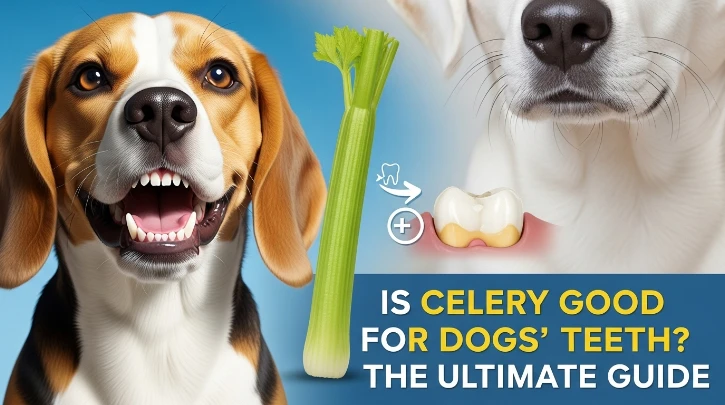
Yes, celery is good for dogs’ teeth as a crunchy, natural dental chew. Its fibrous texture helps scrape away plaque and tartar, while its high water content can refresh breath. However, it should always be given in moderation and properly prepared to avoid choking hazards. Keep reading to unlock vital secrets about your dog’s oral health that could save you heartache and vet bills. Don’t let dental problems silently steal your dog’s comfort and joy. Your furry friend depends on you to know this!
Why Your Dog’s Teeth Matter More Than You Think
Your dog’s mouth is a window into their overall health. Good teeth mean a happy, healthy dog. Poor dental care can lead to painful problems. These issues often go unnoticed until they become severe.
Dogs use their mouths for everything. They eat, play, and explore the world with their teeth. Healthy teeth let them enjoy life fully. Without good dental care, your dog can suffer.
Plaque and tartar are common foes. Plaque is a sticky film of bacteria. It forms daily on teeth. If plaque stays, it hardens into tartar. Tartar is rough and yellow or brown. It sticks firmly to teeth.
Tartar irritates gums. This leads to gingivitis, which is gum swelling. Red, bleeding gums are a sign. If not treated, gingivitis can turn into periodontitis. This is a severe gum disease. Periodontitis damages the bone around teeth. It can cause tooth loss.
Beyond the mouth, infections can spread. Bacteria from diseased gums can enter the bloodstream. They can harm organs like the heart, liver, and kidneys. This makes dental care even more important. A study by the American Veterinary Medical Association highlights the serious systemic effects of dental disease. You can learn more about these risks at the American Veterinary Medical Association website.
Catching problems early is key. Regular checks and good care prevent serious issues. You want your dog to live a long, pain-free life. Their teeth play a big part in that.
Celery: A Crunchy Treat for Dental Health?
Celery can indeed be a helpful addition to your dog’s dental care routine. This simple vegetable offers a satisfying crunch that can benefit their teeth. It’s a natural choice for many pet owners looking for wholesome treats.
The fibrous structure of celery makes it unique. When your dog chews on it, the tough fibers rub against their teeth. This action helps to gently scrape away unwanted plaque. Think of it as a natural, edible toothbrush. It does not replace proper brushing, but it can support it.
Celery also has a high water content. This helps wash away food particles. It can also help freshen your dog’s breath. It offers a mild, clean taste. This can be a welcome change from typical dog treats.
Many dogs love the crisp texture. It gives them something healthy to chew on. This can satisfy their natural urge to gnaw. It’s a safe and low-calorie option for a treat.
Celery offers multiple benefits for your dog’s dental well-being.
* Natural scraping action: The tough fibers help remove plaque and loose tartar from tooth surfaces.
* Freshens breath: Its high water content and natural properties can help reduce mild bad breath.
* Hydration: Celery is mostly water, which contributes to your dog’s daily fluid intake.
* Nutrient boost: It provides essential vitamins and minerals, adding to a balanced diet.
The Good Stuff in Celery for Your Dog
Celery is more than just water; it packs several beneficial nutrients for your dog. These nutrients support their overall health, not just their teeth. Knowing what’s inside helps you make smart food choices.
This crunchy stalk is low in calories. It has lots of fiber. Fiber helps digestion. It also keeps your dog feeling full. This can be great for dogs needing to watch their weight.
Celery is rich in vitamins. Vitamin A helps with vision and skin. Vitamin C boosts the immune system. Vitamin K is important for blood clotting. Folate is also present, which supports cell growth.
Minerals are also found in celery. Potassium helps with nerve and muscle function. Manganese is vital for bone health and metabolism. These tiny powerhouses contribute to your dog’s well-being.
The high water content is very important. It helps keep your dog hydrated. Good hydration is vital for all body functions. It also aids in rinsing the mouth after chewing.
The table below details some of the key nutritional values found in celery.
| Nutrient | Benefit for Dogs | Typical Amount (per 100g) |
|---|---|---|
| Water | Hydration, flushes mouth | ~95g |
| Fiber | Digestion, dental cleaning | ~1.6g |
| Vitamin K | Blood clotting, bone health | ~29.3 mcg |
| Vitamin C | Immune system boost | ~3.1 mg |
| Folate | Cell growth and function | ~36 mcg |
| Potassium | Nerve and muscle function | ~260 mg |
How Celery Helps Clean Your Dog’s Teeth
Celery acts like a small, natural cleaning tool for your dog’s mouth. The way it cleans is simple yet effective. It uses natural forces to help keep teeth healthier. This makes it a great choice for dental support.
The main benefit comes from its unique texture. Celery is very fibrous. When your dog chews on it, these fibers rub against the tooth surface. This scrubbing action helps remove soft plaque. Plaque is a sticky film that builds up daily.
It also helps dislodge food bits stuck between teeth. Imagine a gentle brush sweeping away debris. This helps prevent buildup. It also makes your dog’s mouth feel cleaner.
The high water content in celery plays a role, too. As your dog crunches, water is released. This helps rinse the mouth. It washes away some of the loosened plaque and food. This helps keep the oral environment healthier.
Some believe natural enzymes in celery help with bad breath. While not a strong antiseptic, the cleaning and rinsing action certainly improves breath. A cleaner mouth naturally smells better. This means fresher kisses from your dog.
It’s important to understand that celery cannot remove hardened tartar. Tartar needs professional veterinary cleaning. However, regular chewing on celery can help prevent plaque from turning into tartar. It is a good preventative measure.
Giving Your Dog Celery: The Right Way
Giving your dog celery safely is important. Proper preparation prevents choking and digestive upset. You want this healthy treat to be a good experience for your dog. Follow these simple steps for the best results.
Always start with fresh, clean celery. Wash it well under cold water. This removes any dirt or pesticides. Even organic celery should be rinsed. Your dog will appreciate a clean snack.
Next, you need to prepare the celery. Remove the tough, stringy parts. These can be a choking hazard. They are hard for dogs to digest. Use a vegetable peeler or sharp knife for this. Peel the outer layer of strings from each stalk.
Cut the celery into small, bite-sized pieces. The size depends on your dog. For small dogs, tiny dice are best. Larger dogs can handle bigger chunks. But still, keep them manageable. Long, whole stalks are dangerous. They can get stuck in your dog’s throat.
Never add dips or seasonings to celery for your dog. Human foods like ranch dressing or peanut butter can be harmful. They often contain sugar, salt, or fats. Some can even have toxic ingredients like xylitol. Plain celery is the safest way to go.
The amount of celery matters. Give it as a treat, not a meal replacement. Moderation is key. Too much can cause an upset tummy.
* Small dogs: A few small pieces, 1-2 times a week.
* Medium dogs: A few larger pieces, 2-3 times a week.
* Large dogs: A small stalk cut into pieces, 3-4 times a week.
Always watch your dog when they eat celery. Make sure they chew it properly. If they gobble it too fast, try even smaller pieces. Supervision is your best tool for safety.
Potential Risks and What to Watch For
While celery is mostly safe, it does come with a few small risks. Being aware of these helps you keep your dog safe. You can then offer celery with full confidence. Always prioritize your dog’s health and safety.
The biggest concern is a choking hazard. Celery strings can be tough. If a piece is too big, it can get stuck. This is especially true for dogs that eat fast. Always cut celery into small, manageable pieces. Remove the fibrous strings along the stalks. Supervision during snack time is crucial. Never leave your dog alone with a large piece of celery.
Another risk is digestive upset. Celery is high in fiber. Too much fiber can cause issues. These might include gas, bloating, or diarrhea. Introduce celery slowly into your dog’s diet. Start with a very small amount. Watch how your dog reacts. If they show signs of upset, reduce the amount or stop giving it.
Pesticides can also be a concern. Celery is often on the “dirty dozen” list for pesticide residue. Always wash celery thoroughly before giving it to your dog. Using organic celery is another good option. This reduces exposure to harmful chemicals.
Though rare, some dogs might have allergies. Just like people, dogs can be allergic to new foods. Watch for signs of an allergic reaction. These might include itching, swelling, vomiting, or diarrhea. If you see any of these, stop giving celery. Talk to your vet right away.
Remember, celery should be a treat, not a main food source. A balanced diet is always most important. If you have any concerns, speak to your veterinarian. They can offer personalized advice for your dog.
Celery vs. Other Dental Chews and Treats
Celery is one tool in your dental care kit, but it’s not the only one. Many options exist to help keep your dog’s teeth clean. Understanding the differences helps you choose the best plan for your dog. Each option has its own pros and cons.
Commercial dental chews are popular. These treats are designed to reduce plaque and tartar. Many have unique shapes and textures. Some contain special enzymes or ingredients. Look for products approved by the Veterinary Oral Health Council (VOHC). Their seal means they meet certain standards for dental effectiveness.
Raw bones are sometimes used. However, they are controversial. While some believe they clean teeth well, they carry risks. Bones can chip teeth. They can also cause blockages or perforations in the digestive tract. Always talk to your vet before giving raw bones. They can advise on the safest options, if any.
Other vegetables can also help. Carrots offer a hard, crunchy texture similar to celery. Apples, without seeds or core, provide a different crunch. These are also healthy, low-calorie options. They contribute to dental health through mechanical abrasion.
The gold standard for dental cleaning is brushing. Nothing beats a toothbrush and dog-specific toothpaste. Daily brushing removes plaque most effectively. It gets into crevices that chews might miss. Your vet can show you the best way to brush your dog’s teeth.
The comparison below outlines various methods for maintaining your dog’s dental hygiene.
| Method | Key Features | Pros | Cons |
|---|---|---|---|
| Celery (Raw) | Fibrous, high water content | Natural, low-calorie, helps scrape plaque, freshens breath | Choking risk if not prepared, doesn’t remove hardened tartar |
| Commercial Dental Chews | VOHC-approved, enzymatic action, specific shapes | Effective plaque/tartar reduction, palatable, and convenient | It can be high in calories, and some ingredients may not suit all dogs |
| Raw Bones (Safe ones) | Hard, natural chewing | Excellent mechanical cleaning, mental stimulation | High risk of tooth fractures, digestive issues, choking; consult vet first |
| Carrots/Apples | Hard, crunchy vegetables/fruits | Natural, low-calorie, good source of vitamins, helps with plaque | Can be a choking hazard if too big, doesn’t get into all crevices |
| Tooth Brushing | Mechanical cleaning with a brush and toothpaste | Most effective for plaque removal, reaches all tooth surfaces | Requires training, daily commitment; not all dogs tolerate it |
Beyond Celery: A Full Dental Health Plan for Your Dog
Celery is a great snack, but it’s just one part of keeping your dog’s teeth healthy. A complete dental plan involves several key practices. Combining these methods offers the best protection against dental disease. You want a comprehensive approach for your dog’s oral health.
Regular tooth brushing is the most important step. Aim to brush your dog’s teeth daily. Use a dog-specific toothbrush and toothpaste. Human toothpaste can be toxic to dogs. Brushing removes plaque before it hardens. It’s the best way to keep teeth clean and gums healthy. Start slowly and make it a positive experience for your dog.
Veterinary dental check-ups are crucial. Your vet can spot problems you might miss. They check for plaque, tartar, gum disease, and broken teeth. Most vets recommend annual dental exams. These visits help catch issues early, preventing more serious problems.
Professional dental cleanings might be needed. Your vet may recommend a cleaning under anesthesia. This allows for a thorough scaling and polishing. They can remove hardened tartar below the gum line. X-rays can check for issues not visible to the eye. This is the only way to treat existing dental disease effectively.
Consider dental-specific foods and treats. Some dog foods are specially formulated to help clean teeth. Their kibble is designed to scrub teeth as your dog eats. There are also dental water additives. These can help reduce bacteria in the mouth. Always look for VOHC-approved products for proven results.
Listen to your veterinarian. They are experts in your dog’s health. Dr. Jane Smith, a leading veterinary dentist, advises, “While treats like celery can provide some benefits, they are complementary. A truly effective dental health plan for your dog must include regular brushing, professional cleanings, and diligent veterinary oversight. These combined efforts form a robust defense against painful and costly dental disease.”
A full plan protects your dog from pain and discomfort. It prevents serious health problems. It helps your dog live a longer, happier life. Your consistent care makes all the difference.
Conclusion
Celery is a wonderful, natural treat that can support your dog’s dental health by helping to scrape away plaque and freshen breath. It offers valuable nutrients and satisfying crunch, making it a wholesome addition to their diet when prepared correctly and given in moderation. However, remember that celery is just one piece of the puzzle; a truly effective dental care strategy combines daily brushing, regular vet check-ups, and professional cleanings to ensure your beloved companion enjoys a lifetime of healthy smiles. Your dog’s bright smile depends on your informed choices and consistent care.
FAQ Section
Can puppies eat celery?
Yes, puppies can safely eat small, well-cut pieces of celery in moderation. Introduce it slowly to avoid any digestive upset and always supervise them while they chew.
How much celery can I give my dog?
Celery should be a treat, not a meal. A few small, bite-sized pieces a few times a week is a good starting point, adjusting based on your dog’s size and tolerance.
Does celery really stop bad dog breath?
Celery’s high water content and fibrous texture can help rinse the mouth and scrape away some odor-causing plaque, leading to fresher breath, but it’s not a cure for severe bad breath caused by underlying dental disease.
What if my dog doesn’t like celery?
Many dogs enjoy celery, but if yours doesn’t, there are other safe, crunchy alternatives like carrots or apples (without seeds/core) that can offer similar dental benefits.
Is cooked celery good for dogs’ teeth?
Cooked celery loses much of its fibrous crunch, which is key to its dental benefits. Raw, fresh celery is much more effective for helping to clean your dog’s teeth.
***
**Disclaimer:** This article provides general information and is not a substitute for professional veterinary advice. Always consult with your veterinarian before making any changes to your dog’s diet or dental care routine, especially if your dog has existing health conditions or dental issues. Your vet can provide tailored recommendations based on your dog’s specific needs.