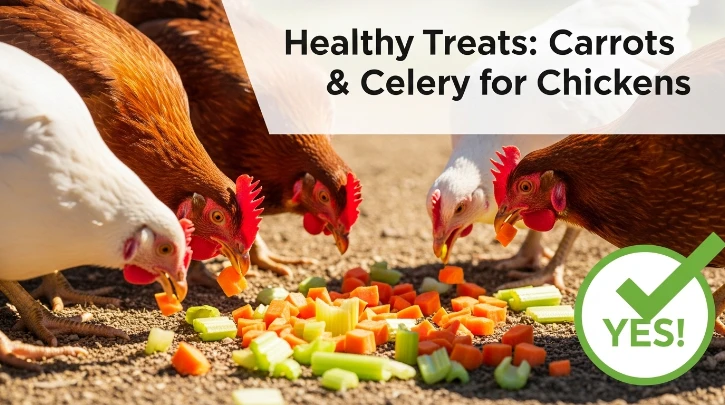
Yes, chickens can safely eat both carrots and celery in moderation, offering them valuable vitamins, minerals, and hydration as part of a balanced diet. These vegetables make excellent, nutritious treats for your flock when prepared correctly. Do you want your feathered friends to thrive and stay healthy? Then you absolutely must understand the best ways to feed them these common veggies, or you risk their well-being. Keep reading to unlock vital information that could prevent digestive issues and enhance your chickens’ overall health.
Yes, Chickens Can Enjoy Carrots and Celery!
Chickens can safely enjoy carrots and celery. These common garden vegetables offer good nutrients. Always give them in moderation, as with any treat. You are providing your chickens with healthy additions to their regular feed.
Most backyard chicken owners want to offer diverse and healthy snacks. Carrots and celery often sit in your fridge. You might wonder if they are safe for your birds. The good news is they are. These vegetables can add valuable nutrients to your chickens’ diet. They should not replace a balanced commercial feed. Think of them as special additions. A little bit goes a long way.
Your chickens will likely love the crunch and taste. Introducing new foods can also provide mental stimulation. This keeps them happy and engaged. Observe your flock when you offer new treats. This helps you understand their preferences. It also ensures they digest new foods well. You are responsible for their health and happiness.
The Goodness of Carrots for Your Chickens
Carrots are a healthy snack for chickens. They are full of vitamins. Carrots support chicken health in several ways. These crunchy root vegetables are a favorite among many birds.
Carrots are more than just a tasty treat. They pack a nutritional punch. Your chickens can benefit greatly from them. These bright orange veggies are rich in essential compounds. They contribute to robust health. Providing them helps boost your flock’s well-being.
Key Benefits of Carrots
Carrots offer several health benefits. Vitamin A is essential for your chickens. It helps with vision and immunity. Beta-carotene also boosts color and fights disease.
- Vitamin A: Carrots are famous for Vitamin A. This vitamin is vital for chickens. It supports good vision. It also strengthens their immune system. This helps them fight off illness. Healthy eyes mean happy chickens.
- Beta-carotene: This compound gives carrots their orange color. Chickens convert beta-carotene into Vitamin A. It also acts as a powerful antioxidant. Antioxidants protect cells from damage. This keeps your birds healthy inside and out. It can even deepen yolk color.
- Fiber: Carrots contain dietary fiber. Fiber aids digestion. It helps keep your chickens’ gut healthy. Good digestion means better nutrient absorption. This also helps prevent common digestive issues.
- Minerals: Carrots offer various minerals. These include potassium and manganese. These minerals support overall body functions. They are crucial for strong bones. They also help with nerve health.
How to Prepare Carrots for Your Flock
Washing carrots is important. Chopping them prevents choking. You can offer raw or cooked carrots. Avoid giving whole, large pieces to your chickens.
Proper preparation makes carrots safe for your chickens. First, always wash carrots thoroughly. This removes dirt and pesticides. You want to give your birds clean food. Your chickens rely on you for safe treats.
Next, consider how you will cut them. Whole carrots can be a choking hazard. Chickens might try to swallow large chunks. This can block their throat. Cut carrots into small, bite-sized pieces. You can also shred them. Shredded carrots are easy for them to eat. They are also less of a choking risk.
You can feed carrots raw or cooked. Raw carrots offer a satisfying crunch. Cooked carrots are softer. Both are perfectly fine for your flock. Do not add any seasonings. Plain carrots are best for your birds. Penn State Extension provides excellent guidelines on backyard flock feeding. They emphasize avoiding seasoned foods.
How Much Carrot is Too Much?
Treats should always be in small portions. Carrots are a supplement to their diet. They are not a main food source. Aim for treats to be less than 10% of their daily food intake.
Moderation is key when feeding carrots. Treats should only make up a small part of their diet. Their main food should be a high-quality commercial feed. This feed provides complete nutrition. Too many treats can unbalance their diet. It can lead to nutrient deficiencies.
If your chickens fill up on carrots, they might eat less feed. This can cause health problems. A good rule is to offer carrots a few times a week. Give only an amount they can eat quickly. A handful for a small flock is usually enough. Observe your chickens. Make sure they are still eating their main feed.
Celery: A Refreshing Treat for Your Hens
Celery offers good hydration. It also contains useful nutrients. Chickens can eat celery safely. This crisp vegetable can be a refreshing snack.
Celery is another great vegetable choice for your chickens. It is mostly water. This makes it very hydrating. Especially on hot days, celery can be a nice cooling treat. Your birds will enjoy its unique texture. They will also benefit from its mild flavor.
Benefits Celery Brings to Your Chickens
Celery is mostly water. Its high water content helps with hydration. It contains vitamins K and C. Potassium also supports body functions. Fiber aids in gut health.
- High Water Content: Celery is about 95% water. This makes it a great source of hydration. It helps your chickens stay well-hydrated. Proper hydration is vital for their health.
- Vitamins and Minerals: Celery provides essential vitamins. These include Vitamin K, Vitamin C, and folate. Vitamin K helps with blood clotting. Vitamin C boosts immunity. Folate is important for cell function. It also contains potassium. Potassium supports nerve and muscle health.
- Fiber: Like carrots, celery has fiber. This fiber supports digestive health. It helps keep things moving smoothly. A healthy gut is a foundation for healthy chickens.
- Antioxidants: Celery contains various antioxidants. These compounds protect cells from damage. They contribute to overall chicken health. This helps your flock stay vibrant.
Preparing Celery Safely for Your Flock
You must wash celery thoroughly. Remove tough, stringy parts. Chop celery into small pieces. The leaves are also safe for them to eat.
Proper preparation is crucial for celery. Always wash celery well under running water. This removes dirt and potential pesticides. You want to ensure the food is clean. Clean food means healthy chickens.
Celery can be very stringy. These tough strings can cause problems. They can be hard for chickens to chew. They might also get stuck in their crop. Remove as many strings as possible. You can peel the outer stalks to do this. Chop the celery into very small, bite-sized pieces. Small pieces are easier to eat. They reduce any choking risk.
Don’t throw away the celery leaves. Celery leaves are safe for chickens. They contain many nutrients. You can chop them up, too. Mix them with the stalk pieces. Your chickens will likely enjoy them. They add extra vitamins to their snack.
The Right Amount of Celery for Chickens
Offer celery in small amounts. Celery is a treat food. Too much can cause digestive issues. Observe your chickens’ responses.
Again, moderation is very important. Celery is a hydrating treat. It should not be a main meal. Too much celery can lead to loose droppings. This is due to its high water content. It can upset their digestive system.
Give only a small amount at a time. A few chopped stalks for a flock is enough. Offer it a couple of times a week. Watch how your chickens react. If you notice any digestive upset, reduce the amount. Always make sure they have access to their regular feed.
Important Considerations When Feeding Treats
Variety in treats is important. Moderation prevents problems. Fresh water is always needed. You are responsible for their overall health.
Giving treats is a fun part of chicken keeping. It builds a bond with your flock. But responsible feeding habits are essential. Your chickens depend on you for proper care. Understanding treatment guidelines helps them thrive.
What to Avoid with Carrots and Celery
Never feed seasoned vegetables. Avoid rotten or moldy produce. Do not let treats replace their main feed. These choices keep your chickens healthy.
- No Seasonings: Never give your chickens seasoned carrots or celery. Salt, pepper, butter, or spices are bad for them. These ingredients can cause serious health issues. Always offer plain, fresh vegetables.
- No Moldy or Rotten Produce: Always check vegetables for freshness. Moldy or rotten produce can make chickens sick. Toxins from mold can be very dangerous. Discard any spoiled items immediately.
- Limit Sugary Dips: Do not offer carrots or celery with sugary dips. These are bad for chickens. Too much sugar is unhealthy for them. Stick to simple, whole foods.
- Avoid Overfeeding: Never overfeed any treats. Even healthy treats can be harmful in excess. Overfeeding leads to an unbalanced diet. It can also cause obesity.
Potential Risks and How to Prevent Them
Choking hazards exist with large pieces. Digestive upset can happen from too much. Balance is the key to good health. Observe your flock’s health always.
While carrots and celery are safe, risks exist. Knowing these risks helps you prevent them. Your careful attention ensures their safety. You want happy and healthy birds.
- Choking: Large pieces of carrot or long celery strings can cause choking. Always chop vegetables finely. Shredding is an even safer option. Ensure pieces are easy to swallow.
- Digestive Upset: Too many treats can upset a chicken’s digestion. This leads to loose droppings or diarrhea. Introduce new foods slowly. Give only small quantities. Monitor their droppings after new treats.
- Nutritional Imbalance: If chickens eat too many treats, they might ignore their complete feed. This leads to nutrient deficiencies. Their commercial feed is formulated for all their needs. Treats are supplementary.
- Pesticide Residues: Unwashed vegetables can carry pesticides. These chemicals are harmful to chickens. Always wash all produce thoroughly. Consider organic options if possible.
Comparing Carrot and Celery Nutrition for Chickens
Carrots and celery both offer good nutrients for your flock. This information shows their key nutritional differences. You can use it to choose varied treats. USDA FoodData Central provides detailed nutritional information.
Understanding the nutritional profiles helps you offer a balanced diet. Both vegetables bring different strengths. Combining them adds more variety.
| Nutrient | Carrot (100g raw) | Celery (100g raw) |
|---|---|---|
| Calories | 41 kcal | 16 kcal |
| Water | 88.3 g | 95.4 g |
| Carbohydrates | 9.6 g | 3.0 g |
| Fiber | 2.8 g | 1.6 g |
| Vitamin A (RAE) | 835 mcg | 22 mcg |
| Vitamin K | 13.2 mcg | 29.3 mcg |
| Vitamin C | 5.9 mg | 3.1 mg |
| Potassium | 320 mg | 263 mg |
Other Safe and Healthy Vegetable Treats for Chickens
Chickens enjoy many vegetables. Variety keeps them healthy and happy. These options add more essential nutrients. Your birds will love exploring new tastes.
Expanding your chickens’ treat menu is a good idea. Different vegetables offer different nutrients. This helps ensure a broader range of vitamins and minerals. Think of your chickens as little gourmands. They appreciate a diverse diet.
Green Leafy Options
Lettuce, kale, and spinach are good choices. Offer these in moderation. They add vitamins and fiber. Your flock will enjoy pecking at them.
- Lettuce: Most types of lettuce are safe. Romaine and butter lettuce are good. Avoid iceberg lettuce; it has little nutritional value.
- Kale: Kale is a superfood for chickens. It is rich in vitamins K, A, and C. It also contains calcium.
- Spinach: Spinach is also nutritious. It provides iron and vitamins. Feed spinach sparingly, as it contains oxalates. Too much can hinder calcium absorption.
Garden Favorites
Squash, pumpkin, and bell peppers are excellent. Their seeds are often safe too. These vegetables offer different textures and flavors. Your flock will find them engaging.
- Squash: Zucchini, yellow squash, and butternut squash are fine. Cook harder varieties like butternut. Remove large seeds from harder squash.
- Pumpkin: Cooked pumpkin is a seasonal favorite. Pumpkin seeds are also a natural dewormer. They are safe to feed raw.
- Bell Peppers: All colors of bell peppers are safe. They are high in Vitamin C. Chop them into small pieces.
Root Vegetables
Beets and sweet potatoes are good options. Always cook these first. They provide energy and vitamins. Remember to prepare them properly.
- Beets: Cooked beets are safe. Both the root and greens are nutritious. Beets contain vitamins and minerals.
- Sweet Potatoes: Always cook sweet potatoes before feeding. Raw sweet potatoes are hard to digest. They are a good source of Vitamin A.
How Often Should You Offer Treats?
Treats are not daily food for chickens. A few times a week is generally good. Balance them with their main diet. This ensures their best health.
Knowing the right frequency for treats is important. It ensures your chickens get proper nutrition. You want them to be healthy and productive. Consistency in their main feed is key.
Observe Your Flock’s Behavior
Healthy chickens are active and alert. Monitor their droppings regularly. Adjust treats as needed based on their health. You are their primary caregiver.
Your chickens will tell you a lot through their behavior. Watch how they eat their treats. Do they gobble them up? Do they ignore their feed later? This helps you adjust.
Check their droppings often. Healthy droppings are firm and consistent. Loose or discolored droppings can signal a problem. This might mean too many treats. Or it could be a sign of illness. Always provide fresh water. Water is essential for digestion. It keeps them hydrated. It helps flush out toxins. A full waterer is as important as good food.
Always prioritize their commercial feed. This feed is designed for their specific needs. It contains all the necessary protein, vitamins, and minerals. Treats are fun additions. They should never replace their balanced diet. You are ensuring their long-term health.
Introducing new treats can also be a bonding experience. Your chickens will learn to associate you with good things. This can make them friendlier. It can also make them easier to handle. But remember, their health comes first.
Consider the age of your chickens, too. Young chicks have different needs. They should primarily eat chick starter feed. Adult layers need feed formulated for egg production. Treats for chicks should be extremely limited. They need all nutrients from their starter feed to grow strong. Adult chickens can handle a wider variety of treats.
Remember that a healthy chicken is a happy chicken. Your efforts in providing a balanced diet pay off. You get beautiful eggs. You also enjoy watching a vibrant flock.
You can even make treat time a game. Hang a whole carrot from a string. Your chickens will enjoy jumping to peck at it. This provides physical exercise. It also offers mental stimulation. Just ensure the carrot is secure. Make sure they cannot get tangled. Always supervise their play.
Some chicken keepers rotate their treat offerings. One day, they might offer carrots. Another day, it could be celery. This keeps things exciting for the chickens. It also ensures a wider nutritional intake. You are offering them a banquet of goodness.
Final check: Are your chickens active? Are their feathers shiny? Are they lying well? These are all signs of a healthy flock. Your thoughtful care makes a big difference.
By following these guidelines, you can safely give your chickens carrots and celery. You will feel confident knowing you are providing them with healthy choices. Your flock will thank you with clucks and delicious eggs.
Always remember that treats should be a small part of their diet. The majority of their nutrition must come from a complete chicken feed. This foundational food is crucial for their growth. It supports their egg-laying capabilities. It also maintains their overall health.
Conclusion
Chickens can safely eat carrots and celery when offered in moderation and prepared properly. These vegetables provide beneficial vitamins, minerals, and hydration, enriching your flock’s diet. Prioritize their complete commercial feed, using these treats as supplementary snacks to promote overall health and happiness. Your careful attention to their diet ensures a vibrant, productive flock.
Disclaimer: This article provides general information and recommendations for feeding backyard chickens. While carrots and celery are generally safe, every animal is unique. Always observe your flock’s individual reactions to new foods. Consult with a veterinarian or poultry expert if you have specific concerns about your chickens’ health or diet. This content is for informational purposes only and is not a substitute for professional veterinary advice.
FAQ
Can chickens eat carrot tops?
Yes, chickens can eat carrot tops. These leafy greens are safe and nutritious for them. Always wash them thoroughly before feeding.
Can chickens eat celery leaves?
Yes, chickens can eat celery leaves. They are safe and contain nutrients. Chop them into small pieces to make them easier to eat.
How often should I feed carrots and celery to my chickens?
Offer carrots and celery as treats a few times per week. They should make up less than 10% of your chicken’s total diet. Do not overfeed them.
Do I need to cook carrots or celery for chickens?
No, you do not need to cook carrots or celery. Both can be fed raw. Just wash them well and chop them into small, bite-sized pieces.
Can baby chicks eat carrots and celery?
It is best to wait until chicks are older, at least a few weeks old. Their primary diet should be chick starter feed. Offer very small, finely grated pieces only in tiny amounts.
Are there any parts of celery that chickens should not eat?
The tough, fibrous strings in celery stalks can be a choking hazard. It is best to remove these or chop the celery into very small pieces. This makes it safer and easier to digest.