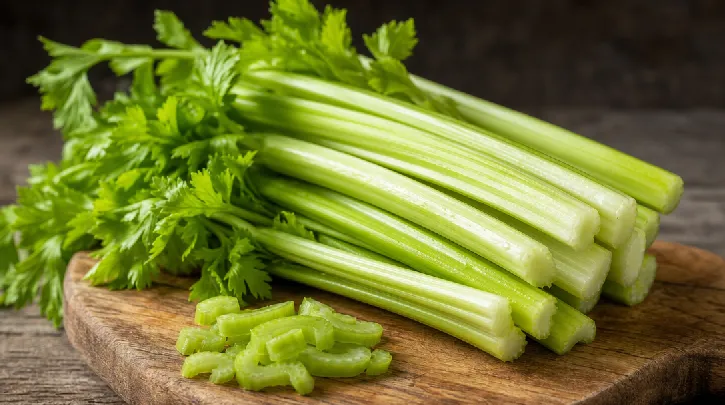
Living with chronic inflammation can significantly impact daily well-being, leading to pain and discomfort that hinders your quality of life. Discovering natural allies in your fight against this pervasive issue is key, and the humble celery offers a surprising and powerful solution due to its remarkable celery anti-inflammatory properties.
Understanding the Roots of Inflammation and How Celery Can Help
Inflammation is the body’s natural response to injury or infection, a crucial part of the healing process. However, when this response becomes chronic, it can contribute to a range of health concerns, from joint pain to cardiovascular issues. Many seek natural ways to manage this constant internal battle, and integrating specific foods into one’s diet offers a promising path. The connection between celery and inflammation management is increasingly gaining attention as researchers explore its potential to soothe inflammatory responses. Understanding chronic inflammation is the first step towards effective management.
Celery is often recognized for its crisp texture and high water content, but its true power lies within its rich composition of bioactive compounds. These components work synergistically to provide therapeutic benefits, particularly in modulating the inflammatory pathways within the body. It’s more than just a low-calorie snack; it’s a functional food with significant health implications.
The Key Anti-Inflammatory Players in Celery
The ability of celery for inflammation relief stems from a variety of phytonutrients. These plant-based compounds are not essential for human survival but actively promote health and protect against disease. Within celery, certain notable compounds stand out for their potent anti-inflammatory effects.
- Flavonoids: These are a broad group of plant compounds known for their antioxidant and anti-inflammatory benefits. Celery is particularly rich in several important flavonoids.
- Phenolic Acids: Another class of antioxidants found in celery that contribute to its protective qualities.
- Phthalides: These unique compounds in celery are believed to contribute to its various health benefits, including supporting cardiovascular health.
The synergy between these components is what truly makes celery an effective natural agent against inflammation. They don’t just act in isolation; rather, their combined presence amplifies their individual effects.
Apigenin: A Star Flavonoid in Celery
Among the many beneficial compounds, apigenin stands out as a significant contributor to celery anti-inflammatory effects. This flavonoid has been extensively studied for its potential to reduce inflammation by targeting various cellular pathways. For example, research published in PMC highlights apigenin in celery leaf extract as a potential biomarker mediating anti-inflammatory responses.
Apigenin achieves its anti-inflammatory effects by inhibiting key enzymes and signaling molecules involved in the inflammatory cascade. This means it can help prevent the body from overreacting to inflammatory triggers, thereby reducing symptoms like swelling and pain. The Cleveland Clinic also notes apigenin’s role in reducing inflammation in blood vessels, further supporting its comprehensive benefits.
Luteolin: Another Powerful Flavonoid
Another prominent flavonoid identified in celery, especially in celery seeds, is luteolin. Similar to apigenin, luteolin celery content contributes significantly to its antioxidant and anti-inflammatory properties. A study published in PMC involving acetic acid-induced colitis in rats suggested that luteolin plays a significant role in the protective effects of celery seed extracts.
Luteolin’s mechanism of action often involves modulating immune cell function and suppressing the production of pro-inflammatory cytokines. This makes it a valuable component in the fight against chronic inflammatory conditions. Both apigenin and luteolin work together to create a formidable defense against inflammation.
How Celery Antioxidants Support Overall Health and Pain Relief
The term “antioxidant” often comes up in discussions about healthy eating, and for good reason. Antioxidants protect cells from damage caused by free radicals, unstable molecules that can contribute to inflammation and various diseases. Celery is packed with a wide array of these protective compounds.
The presence of various celery flavonoids and other antioxidants means that regularly consuming celery can help mitigate oxidative stress, a key driver of inflammation. This protective action extends beyond just reducing active inflammation, potentially guarding against future inflammatory episodes.
Targeting Inflammation Pathways: A Deeper Dive
Scientific studies have provided insights into the specific ways celery components combat inflammation. Research presented in PMC details how celery extracts suppressed lipopolysaccharide (LPS)-induced nitric oxide (NO) production in RAW 264.7 cells. Nitric oxide is a key molecule involved in inflammatory processes, and its reduction is a direct indicator of anti-inflammatory activity.
Interestingly, this research highlighted that celery leaf extract (CLE) was significantly more effective than celery stem extract (CSE) at reducing NO production. This suggests that incorporating celery leaves, often discarded, could provide enhanced anti-inflammatory benefits. The study also linked these effects to improved arginine metabolism and targeted cellular pathways like the TCA and urea cycles.
In another study, published in the Journal of Food Biochemistry, researchers found that modifying celery extract through citric acid and enzyme treatment could increase the yield of apigenin and luteolin. This enhanced extract then showed improved anti-inflammatory properties by inhibiting key inflammatory cytokines (IL-6, IL-8, IL-31, and TNF-α) and pathways like ERK, JNK, IKKα, IκBα, and NF-κB activation. This illustrates the intricate molecular ballet involved in celery’s beneficial actions.
Celery for Pain Relief: An Indirect Benefit
While celery isn’t a direct analgesic in the way a pain reliever might be, its anti-inflammatory actions can indirectly contribute to celery pain relief. Many types of chronic pain, such as that associated with celery for arthritis symptom management or muscle soreness, are exacerbated by inflammation. By reducing underlying inflammation, celery can help alleviate these symptoms. This highlights why exploring natural dietary additions like celery, particularly if you’re wondering, ‘is celery good for arthritis?’, can be a valuable part of a broader pain management strategy.
Think of it as tackling the root cause. If inflammation is causing your discomfort, then consistently working to reduce that inflammation through dietary choices like celery could lead to a noticeable decrease in pain over time. This approach aligns with a holistic view of managing chronic pain conditions.
Incorporating Celery into Your Diet for Maximum Benefit
Getting the most out of celery’s anti-inflammatory properties involves conscious choices about how you consume it. Both raw and cooked forms offer benefits, but there are nuances to consider regarding nutrient preservation and bioavailability.
Raw vs. Cooked Celery
Celery is incredibly versatile, fitting into numerous dishes. The Cleveland Clinic points out that whether you like celery raw and crunchy or softened from cooking, it provides a host of health benefits. However, studies like the one in the Journal of Food Biochemistry demonstrate that even processed extracts can retain or enhance beneficial compounds like apigenin and luteolin. It appears that consistent intake, regardless of preparation, is key.
For those aiming to maximize specific flavonoid intake, consuming celery leaves might be particularly beneficial, as research in PMC indicates celery leaf extract was five times more effective than stem extract in reducing nitric oxide production.
Creative Ways to Enjoy More Celery
- Snacks: Classic celery sticks with peanut butter or hummus are an easy way to boost your intake.
- Salads: Chop celery into green salads, tuna salad, or chicken salad for added crunch and nutrients.
- Smoothies & Juices: Add celery to your morning green smoothie. While juicing removes fiber, it’s a concentrated way to consume its beneficial compounds.
- Soups & Stews: Celery is a foundational ingredient in many savory dishes, adding flavor and its health benefits.
- Stir-fries & Roasts:1 Incorporate sliced celery into your stir-fries or roast it alongside other vegetables.
Don’t forget about celery seeds! They are rich in beneficial compounds, including a variety of flavonoids. Celery seeds can be used as a spice in cooking or steeped for a flavorful tea. The Healthline.com article mentions that a flavonoid called apigenin is often extracted from the vegetable’s seeds due to its alkaline effects.
Considering Celery in Specific Health Contexts
While celery is generally considered safe and beneficial for most people, it’s helpful to understand its role in certain health conditions and potential considerations.
Inflammatory Bowel Disease (IBD)
For individuals dealing with conditions like IBD, managing inflammation is paramount. A study on celery seed extracts and luteolin’s protective effect on acetic acid-induced colitis in rats, published in PMC, indicated that Apium graveolens seeds extracts are effective in an IBD murine model. Luteolin was found to play a significant role in this activity, though more detailed studies, including clinical trials, are needed for human applications.
These findings suggest that celery, particularly its seeds, could be a valuable dietary addition for those managing inflammatory conditions of the gut. However, always consult with a healthcare professional before making significant dietary changes, especially when dealing with chronic diseases.
Cardiovascular Health
The Cleveland Clinic highlights celery’s benefits for heart health, attributing it to low sodium content and micronutrients like apigenin, magnesium, phthalides, and potassium. Apigenin, as mentioned, reduces inflammation in blood vessels. Phthalides improve blood flow, and potassium helps regulate blood pressure by aiding the kidneys in expelling excess sodium.
By helping to regulate blood pressure and reduce vascular inflammation, celery antioxidants inflammation connection extends to a significant impact on heart health. This makes celery a supportive food for maintaining a healthy cardiovascular system.
Hydration and Digestive Health
Celery is approximately 95% water, making it an excellent food for hydration, especially during warmer months or after physical activity, as noted by the Cleveland Clinic. Good hydration is indirectly linked to overall health and can support the body’s natural anti-inflammatory processes.
Furthermore, celery’s fiber content contributes to a healthy digestive tract and gut health. While juicing removes much of this beneficial fiber, consuming whole celery can support regular bowel movements and a healthy gut microbiome, which in turn influences systemic inflammation.
Potential Downsides and Who Should Exercise Caution
While celery is a generally safe and beneficial vegetable, a few considerations are worth noting.
Oral Allergy Syndrome
Some individuals may experience oral allergy syndrome after eating raw celery, as detailed by the Cleveland Clinic. This allergic reaction is often due to a protein in celery that is similar to one found in birch tree pollen. Symptoms can include tingling or swelling of the lips or throat shortly after consumption. For those with this allergy, cooking celery can often break down the problematic protein, making it safe to eat.
Medication Interactions
Because celery can impact blood pressure and act as a diuretic, individuals on specific medications, particularly blood thinners or diuretics, should consult their doctor before significantly increasing their celery intake. While typically a food, concentrated extracts, like those found in supplements, could potentially interact.
Pesticide Exposure
Celery has historically been listed among the “Dirty Dozen” by organizations like the Environmental Working Group (EWG), indicating a higher likelihood of pesticide residues. To minimize exposure, consider purchasing organic celery whenever possible, or thoroughly wash conventional celery before consumption.
Expert Tips for Integrating Celery’s Anti-Inflammatory Power
As someone who works with food and wellness, I often advise clients to think of celery not just as a garnish, but as a deliberate addition to their diet. Here’s what I’d actually do:
- Prioritize Leaves: Don’t toss the leaves! They contain a concentrated amount of beneficial compounds. Chop them finely and add them to salads, soups, or even use them as a garnish.
- Consistent Intake: The magic happens with consistency. Instead of a one-off celery juice, aim to include celery in your diet several times a week. Smoothies, stir-fries, or raw snacks are easy ways to do this.
- Mindful Sourcing: If you’re concerned about pesticides, spring for organic celery. While not always feasible for everyone, it adds a layer of peace of mind.
- Variety is Key: While celery anti-inflammatory benefits are clear, remember it’s part of a larger anti-inflammatory diet. Combine it with other anti-inflammatory foods like berries, leafy greens, and fatty fish for a synergistic effect.
The beauty of celery is its accessibility and versatility. Making it a consistent part of your eating habits can be a simple yet impactful step toward reducing inflammation and supporting overall health.
Frequently Asked Questions About Celery and Inflammation
Does celery help reduce pain directly?
Celery’s primary role in pain relief is indirect. It works by reducing the underlying inflammation that often causes or exacerbates pain, rather than acting as a direct painkiller. The anti-inflammatory compounds, such as apigenin and luteolin, help to calm inflammatory pathways in your body, which can lead to a reduction in pain symptoms over time.
What specific flavonoids in celery are best for inflammation?
The two most well-researched flavonoids in celery known for their anti-inflammatory effects are apigenin and luteolin. Research indicates that both contribute significantly to celery’s ability to modulate inflammatory responses, with apigenin being highlighted as a potential biomarker for anti-inflammatory action in celery leaf extract.
Is celery juice better than whole celery for anti-inflammatory benefits?
Celery juice provides a concentrated shot of its beneficial compounds, including many flavonoids and antioxidants. However, whole celery retains its fiber content, which is crucial for digestive health and can indirectly support reduced inflammation. Both forms offer benefits; combining whole celery in meals with occasional celery juice might offer a balanced approach.
How much celery should one eat to see anti-inflammatory effects?
There isn’t a universally established “dose” for celery’s anti-inflammatory effects through diet alone, as individual responses vary. However, consistent daily or frequent consumption, such as one to two stalks or a serving in a smoothie or soup, is a reasonable approach to incorporate its benefits. Remember, it’s part of an overall healthy diet.
Can celery help with specific inflammatory conditions like arthritis?
While celery for arthritis is not a cure, its anti-inflammatory compounds, particularly apigenin and luteolin, can help manage symptoms by reducing systemic inflammation. If you’re asking, ‘is celery good for arthritis?’, the answer is that regular consumption as part of a balanced diet may contribute to improved well-being for individuals with arthritis, but it should complement, not replace, medical treatment.
Celery, with its unique blend of flavonoids, phenolic acids, and other antioxidants, offers a compelling natural approach to combating inflammation. From its ability to suppress inflammatory markers to its potential role in supporting cardiovascular and digestive health, incorporating this crisp vegetable into your diet can be a valuable strategy for enhancing overall well-being and finding relief from chronic inflammatory conditions.