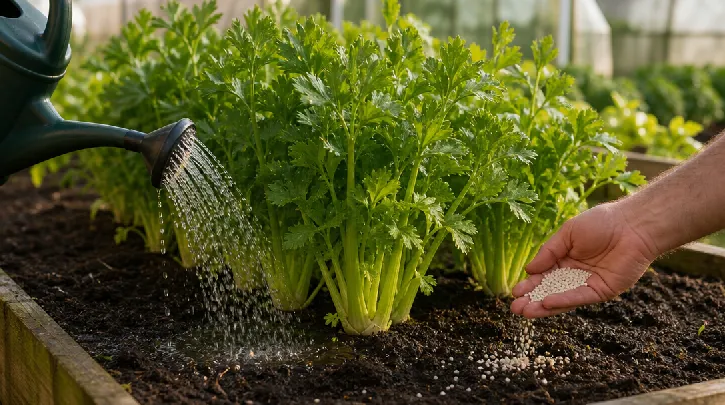
Growing crisp, tender celery stalks in your home garden can be incredibly rewarding, but it requires a keen understanding of its specific needs. The secret to vibrant, flavorful celery lies in two fundamental practices: consistent watering and precise fertilization. Without the right approach, celery can quickly become stringy, bitter, or hollow, a frustrating outcome for any gardener.
This comprehensive guide will walk you through the practical aspects of keeping your celery plants perfectly hydrated and nourished. We will explore everything from understanding celery’s unique thirst to deciphering its complex nutritional demands, ensuring your efforts translate into bountiful harvests of crunchy, delicious stalks.
Understanding Celery’s Thirst: Why Water is Paramount
Celery is a true water-lover, adapted to marsh environments in its wild state. Its stalks are approximately 95% water, emphasizing its reliance on consistent soil moisture for optimal growth and quality. Irregular watering is the quickest way to stress celery plants, leading to undesirable traits like a bitter flavor and poor texture.
The Role of Water in Celery Growth
Water is essential for celery’s overall health and the development of its characteristic crisp, tender stalks. It helps transport nutrients from the soil to the plant, maintains turgor pressure within the cells, and facilitates photosynthesis. Adequate moisture also prevents common issues like pithiness and premature bolting.
Signs of Improper Watering
Recognizing the signs of incorrect watering is crucial for timely intervention. Celery plants communicate their needs through visible cues.
- Wilting: Leaves that droop or sag, especially during the cooler parts of the day, indicate insufficient water.
- Stunted Growth: A general lack of vigor or small plant size can signal chronic underwatering.
- Hollow Stalks: One of the most common complaints, hollow stalks often result from inconsistent or inadequate water supply, particularly during hot, dry periods.
- Yellowing Leaves: While also a sign of nutrient deficiency, yellowing at the edges or older leaves can point to water stress.
- Bitter Flavor: Water stress can cause celery stalks to develop a strong, unpleasant bitter taste.
How Much Water Does Celery Need?
Celery requires a significant amount of water, typically 1 to 2 inches per week, from either rainfall or irrigation throughout its growing season. However, several factors influence its exact water needs.
- Soil Type: Sandy soils drain quickly and require more frequent watering than heavy clay soils. Well-drained, organic-rich sandy soils are preferred for celery.
- Climate and Weather: Hot, dry, and windy conditions increase evaporation, necessitating more frequent irrigation. Celery thrives in cool, humid environments.
- Growth Stage: Young seedlings need consistent moisture to establish. Water demand peaks during the last 1-2 months before harvest, especially in warm weather.
When and How to Water Celery
Consistency is key when watering celery. Its shallow root system means it cannot reach deep for moisture, making regular top-ups vital.
- Frequency: Aim to keep the soil consistently moist but never waterlogged. Daily monitoring is recommended, especially in summer. Some gardeners find watering lightly every day is more effective than infrequent, heavy soaks. During warmer periods, daily watering, sometimes broken into two doses, may be beneficial for drip irrigation users.
- Best Time of Day: Early morning or late evening are ideal times to water. This reduces water loss due to evaporation and allows the foliage to dry before nightfall, minimizing the risk of fungal diseases.
-
Watering Methods:
- Drip Irrigation/Soaker Hoses: These methods deliver water directly to the root zone, minimizing waste and keeping foliage dry. They are highly efficient for celery.
- Hand Watering: If hand watering, soak the soil thoroughly to ensure moisture reaches the shallow root system.
- Deep Watering vs. Shallow Watering: Always soak the soil thoroughly to encourage a healthy root system. Celery has a small, shallow root system, so consistent, deep watering is more effective than shallow, frequent sprinkles.
Blanching Celery and Water Implications
Blanching celery, a process of shielding stalks from sunlight, promotes a paler, more tender, and less bitter flavor. This can be achieved by mounding soil around the stalks or wrapping them in cardboard or newspaper. While blanching primarily affects stalk color and flavor, consistent moisture remains critical throughout this period to prevent stress that could still lead to tough or bitter celery.
Feeding Your Celery: The Essential Nutrients
Celery is a heavy feeder, requiring abundant nutrients to support its rapid growth and produce succulent stalks. A small root system makes celery a poor nutrient forager, so adequate fertilization is crucial.
Why Celery Needs Consistent Fertilization
Consistent fertilization ensures a steady supply of nutrients, which celery quickly depletes from the soil. This prevents deficiencies that can lead to stunted growth, poor stalk quality, and susceptibility to diseases. Think of it as providing regular, balanced meals for a rapidly growing plant.
Key Nutrients for Celery Growth
Celery has specific demands for macronutrients and several vital micronutrients.
- Nitrogen (N): Essential for vigorous leaf and stalk growth, giving celery its lush green color. Celery has a high demand for nitrogen, often double that of many other crops.
- Phosphorus (P): Supports strong root development and overall plant vigor. Insufficient phosphorus can lead to stunted growth and poor root systems.
- Potassium (K): Important for water regulation, disease resistance, and promoting thick, crisp stalks. Celery requires high levels of potassium.
-
Micronutrients:
- Boron (B): Crucial for cell wall development and nutrient transport. Boron deficiency causes cracked, brittle, or hollow stalks.
- Calcium (Ca): Vital for cell development and preventing physiological disorders like blackheart. Blackheart, characterized by the blackening and death of young leaf tissues in the plant’s heart, is often caused by poor calcium uptake due to inconsistent moisture or rapid growth.
Soil Testing: The First Step to Smart Fertilizing
Before applying any fertilizer, a soil test is the most effective way to understand your soil’s current nutrient levels and pH. This prevents over-fertilization of existing nutrients and highlights any deficiencies. Aim for a soil pH between 6.0 and 7.0; celery grows best in slightly acidic soil.
Types of Fertilizers for Celery
Gardeners have several options for fertilizing celery, depending on their preferences and soil conditions.
-
Organic Options:
- Compost and Well-Rotted Manure: These improve soil structure, add organic matter, and release nutrients slowly over time. Incorporate 1 inch of well-composted organic matter per 100 square feet before planting.
- Blood Meal/Feather Meal: Provide a good source of nitrogen.
- Fish Emulsion: A liquid organic fertilizer, often applied every 2-3 weeks.
-
Synthetic Options:
- Balanced Granular Fertilizers (e.g., 10-10-10): A good starting point, providing a general mix of macronutrients. However, some sources suggest a higher potassium ratio.
- High Nitrogen/Potassium Water-Soluble Fertilizers: Useful for quick boosts, especially after transplanting or during periods of rapid growth. A 14-0-44 (potassium nitrate) or similar can be used weekly for seedlings.
Fertilization Schedule for Celery
Celery benefits from a phased fertilization approach throughout its long growing season.
| Growth Stage | Recommended Action | Notes |
|---|---|---|
| Pre-planting | Amend soil with compost, well-rotted manure, and a balanced granular fertilizer (e.g., 4-4-8 or 10-10-10) based on soil test results. | Work amendments into the top 6 inches of soil. Allow fresh amendments to “cook” for a week. |
| Seedling/Transplant Stage | Water with a water-soluble starter fertilizer (e.g., 10-52-17 or 10-30-10). | Apply once after true leaves emerge, then again after transplanting. |
| Growing Season (4-8 weeks after transplanting) | Side-dress with a nitrogen-rich fertilizer (e.g., 21-0-0) or a balanced liquid feed every 2-3 weeks. | Celery’s nitrogen demand increases rapidly after 25 days in the field. |
| Peak Growth Period | Continue topdressing with high-nitrogen and high-potassium compound fertilizers (e.g., 15-5-25, 20-6-20). | This period, around the 8-9 to 11-12 leaf stage, has the highest nutrient absorption. |
How to Apply Fertilizer Effectively
Proper application methods maximize nutrient uptake and minimize plant damage.
- Side-Dressing: Apply granular fertilizers in a band alongside the celery rows, about 4-6 inches from the plant base. Lightly scratch it into the soil and water thoroughly.
- Foliar Feeding: Applying liquid fertilizers directly to the leaves can quickly address micronutrient deficiencies, especially for calcium to prevent blackheart.
- Mixing into Soil: For base fertilizers, thoroughly mix them into the top 6 inches of soil before planting.
Avoiding Over-Fertilization and Nutrient Burn
More is not always better with fertilizer. Excessive fertilization can lead to nutrient burn, causing leaf edges to brown and stunt growth. It can also contribute to blackheart by affecting calcium uptake. Always follow product instructions and conduct soil tests to avoid this common mistake.
Common Watering and Fertilizing Mistakes to Avoid
Even experienced gardeners can make errors. Understanding common pitfalls can save your celery crop.
Inconsistent Watering
Fluctuations between wet and dry soil severely stress celery, making stalks stringy, bitter, or hollow. A regular watering schedule, adapted to weather, is crucial.
Ignoring Soil Type
Heavy clay soils can lead to waterlogging and root rot, while overly sandy soils dry out too quickly. Amend your soil with organic matter to improve drainage in clay and moisture retention in sand.
Fertilizing Too Late or Too Early
Applying nitrogen-rich fertilizer too late in the season can encourage leafy growth at the expense of stalk development. Conversely, not providing enough early on will stunt growth. Adjusting ratios for growth stages is important.
Using the Wrong Fertilizer Type
Celery is not like every other vegetable. Using a general-purpose fertilizer that doesn’t meet its high nitrogen and potassium needs, or overlooking critical micronutrients like boron and calcium, will impact quality.
Not Addressing Nutrient Deficiencies Promptly
Ignoring symptoms of nutrient deficiencies, such as yellowing leaves (nitrogen) or cracked stalks (boron), will worsen problems and reduce your harvest.
Integrated Care: Watering, Fertilizing, and Healthy Soil
The best approach to growing healthy celery is to view watering and fertilizing as parts of an integrated system, all supported by healthy soil.
The Importance of Organic Matter
Incorporating ample organic matter, like compost, improves soil structure, enhances water retention, and provides a slow-release source of nutrients. Celery thrives in fertile, well-drained soil rich in organic matter.
Mulching for Moisture Retention and Nutrient Release
Applying a 2-3 inch layer of organic mulch (straw, shredded leaves, or compost) around celery plants helps retain soil moisture, suppresses weeds, and moderates soil temperature. As organic mulches break down, they also contribute nutrients to the soil.
Crop Rotation Benefits
Rotating celery with other vegetable families can help manage soil-borne diseases and pests, as well as prevent specific nutrient depletion. Celery is a member of the Apiaceae (carrot) family.
Expert Insights on Celery Care
“Celery’s reputation for being a challenging crop often stems from underestimating its fundamental needs: consistent moisture and robust nutrition,” says Dr. Daniel Brainard, Vegetable Extension Specialist at Michigan State University. “Gardeners who succeed with celery understand that its shallow root system and high demands mean they must actively manage soil water and nutrient availability throughout the entire growing season to achieve those desirable crisp, tender stalks.”
Research indicates that celery crops remove significant amounts of nutrients from the soil. For instance, a 30-ton per acre crop of celery can remove approximately 200 lbs of nitrogen, 150 lbs of phosphate (P2O5), and 600 lbs of potash (K2O). This highlights the intense feeding requirements of this vegetable.
Troubleshooting Common Celery Problems
Even with the best care, problems can arise. Here’s how to diagnose and address them:
- Yellowing Leaves: Often a sign of nitrogen deficiency, especially in older leaves. It can also indicate overwatering leading to root issues or general water stress.
- Hollow Stalks: Primarily caused by insufficient or inconsistent watering and boron deficiency. Ensure deep, regular watering and consider a borax solution if soil tests confirm boron deficiency (1 teaspoon per 5 gallons of water).
- Stunted Growth: Can result from underwatering, nutrient deficiencies (especially nitrogen and phosphorus), or planting in unsuitable conditions.
- Bitter Taste: Most commonly linked to water stress or overly hot growing conditions. Consistent moisture helps maintain sweetness.
- Blackheart: This is a physiological disorder caused by a localized calcium deficiency in the rapidly growing inner leaves. It’s often triggered by inconsistent soil moisture, rapid growth, or imbalances with other nutrients like nitrogen and potassium. Regular irrigation and foliar calcium sprays can help.
- Cracked Stems: A classic symptom of boron deficiency. A soil test is recommended before applying boron amendments.
FAQ
How often should I water celery?
Celery needs consistent moisture. Aim for 1 to 2 inches of water per week, ensuring the soil remains evenly moist but not soggy. Daily checks, especially in warm weather, are beneficial to prevent the soil from drying out.
What is the best fertilizer for celery?
Celery is a heavy feeder. A balanced fertilizer with a good ratio of nitrogen and potassium is ideal, such as a 10-10-10 or one higher in potassium like a 4-4-8. Organic options like compost and well-rotted manure are excellent for long-term soil health and nutrient release.
Can I overwater celery?
Yes, overwatering can lead to root rot and other fungal diseases, as well as yellowing leaves. While celery loves moisture, good drainage is essential to prevent waterlogging.
When should I stop fertilizing celery?
Continue fertilizing celery consistently throughout its main growing season, especially during its peak growth period. Some sources suggest reducing or stopping nitrogen once stalks start forming to prevent splitting, but consistent feeding is generally recommended until harvest.
Why are my celery stalks thin?
Thin celery stalks are often a sign of insufficient water, inadequate nutrients (especially nitrogen), or harvesting before the plants are fully mature. Ensure consistent watering, provide adequate fertilization, and allow plants sufficient time to develop.
Conclusion
Cultivating crisp, tender celery is a testament to consistent care, particularly in managing its water and nutrient demands. By understanding celery’s preference for evenly moist soil and its significant appetite for a balanced diet of macro and micronutrients, you can transform your gardening efforts into a rewarding harvest. Remember, healthy soil, enriched with organic matter and supported by thoughtful watering and fertilizing practices, is the foundation for delicious, homegrown celery. Embrace the challenge, observe your plants closely, and enjoy the unparalleled satisfaction of crunching into your own perfectly grown stalks.
