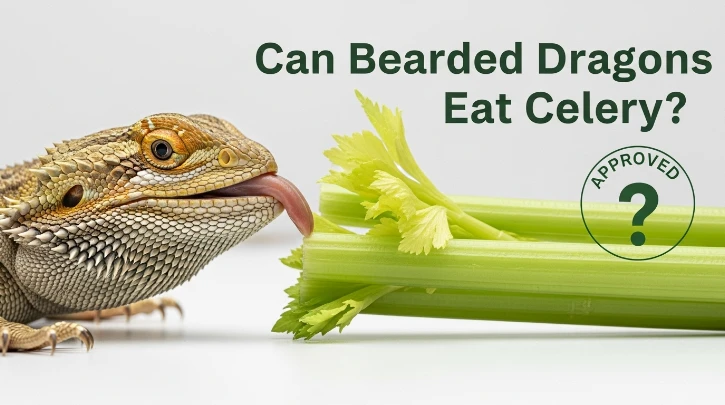
No, bearded dragons should generally not eat celery. While not highly toxic, celery offers very little nutritional value for your bearded dragon and can even pose several health risks. It is best to avoid feeding celery to your pet.
Your dragon’s health and happiness depend on what you feed them. Uncover the crucial facts you need to know right now. Keep reading to protect your beloved pet from hidden dangers and ensure they live a long, vibrant life!
The Quick Answer: Celery and Your Bearded Dragon
Bearded dragons need a special diet. They eat bugs and lots of fresh greens. Celery is mostly water. It does not have the right nutrients for your dragon.
Feeding celery can cause problems. It has a bad calcium-to-phosphorus ratio. This can hurt your dragon’s bones. Other foods are much safer and healthier.
Understanding Your Bearded Dragon’s Natural Diet
Wild bearded dragons eat many things. Their diet changes with the seasons. They need a mix of insects and plants. This gives them all their energy and nutrients.
We try to copy this diet at home. A good diet keeps your dragon strong. It helps them grow big and healthy.
Insect Power: The Core of Their Meals
Young bearded dragons eat mostly bugs. They need lots of protein to grow. Insects are a key food for them.
Adult dragons still eat insects. They need fewer than babies. Crickets, roaches, and mealworms are good choices. Always dust insects with calcium powder. This adds vital nutrients.
Plant Delights: Greens and Veggies
Adult bearded dragons eat many plants. Greens and vegetables are very important. They give vitamins and minerals. These foods keep their bodies working well.
A variety of greens is best. Think of a colorful salad. Your dragon loves different tastes. Offer fresh plant food daily.
Why Celery Isn’t a Good Fit
Many owners wonder about celery. It seems like a healthy green food. But celery has problems for bearded dragons. It is mostly water. It lacks needed nutrients. It can even cause harm.
Your dragon needs specific nutrients. Celery does not provide them. Other greens are much better for their health. Let’s look at why celery is not a good choice.
The Oxalate Problem: Calcium Blockers
Celery contains compounds called oxalates. Oxalates are natural chemicals found in plants. These compounds can be harmful in large amounts.
Oxalates bind to calcium. This means your dragon cannot use the calcium. Calcium is vital for strong bones. It keeps their muscles working right. Too many oxalates lead to bone problems. This condition is called Metabolic Bone Disease.
Poor Calcium-to-Phosphorus Ratio
Bearded dragons need a good balance. Their food needs more calcium than phosphorus. A ratio of 1.5:1 or 2:1 is ideal. This means 1.5 to 2 parts calcium for every 1 part phosphorus.
Celery has a poor ratio. It has slightly more calcium than phosphorus. But it’s not enough. The oxalates make it worse. Your dragon will not get enough usable calcium. This imbalance can severely harm their bones.
Too Much Water, Not Enough Nutrition
Celery is almost all water. About 95% of celery is water. It fills up your dragon’s belly quickly. They feel full but do not get many nutrients.
Your dragon needs food with substance. They need vitamins, minerals, and fiber. Celery provides very little of these. It’s like eating empty calories for them. This means they miss out on important building blocks for their body.
Fibrous Texture: A Choking Risk?
Celery has long, stringy fibers. These fibers are tough to chew. They can be hard for your dragon to swallow. Smaller dragons might choke on them.
It’s always safer to offer softer greens. Always cut food into small pieces. Food should be no bigger than the space between your dragon’s eyes. This helps them eat safely.
To understand the nutritional differences, review the typical nutrient content of celery compared to a highly recommended green like collard greens. This will show why celery is not a prime choice for your bearded dragon’s diet.
| Nutrient | Celery (raw) | Collard Greens (raw) | Ideal for Dragons |
|---|---|---|---|
| Calcium (mg) | 40 | 232 | High amounts needed |
| Phosphorus (mg) | 24 | 43 | Low amounts |
| Calcium:Phosphorus Ratio | 1.6:1 | 5.4:1 | 1.5:1 to 2:1 (or higher) |
| Oxalic Acid (mg) | ~30-60 (moderate) | ~5-15 (low) | As low as possible |
| Water Content (%) | ~95% | ~90% | Moderate |
This comparison clearly highlights why greens like collard greens are superior. They provide much more usable calcium and have a better overall balance. Celery simply falls short of providing what your dragon needs to stay healthy.
Safe and Healthy Vegetable Choices for Your Bearded Dragon
Do not worry about celery. Many other vegetables are safe and great for your dragon. Offering a variety of good foods is key. This keeps your dragon happy and gives them all they need. Focus on calcium-rich, low-oxalate greens.
Best Leafy Greens to Offer
Leafy greens are a daily must for adult dragons. They are full of vitamins and minerals. These greens should make up a big part of your dragon’s plant diet.
- Collard Greens: High in calcium, low in oxalates. A top choice.
- Mustard Greens: Also calcium-rich and healthy. Offer often.
- Turnip Greens: Another excellent leafy green. Very nutritious.
- Dandelion Greens: Found in many yards (ensure no pesticides). Dragons love them.
- Endive: A good choice for variety.
- Escarole: Similar to endive, it provides good nutrients.
These greens should be the base of your dragon’s daily salad. Rotate them often. This gives a broad range of nutrients.
Other Safe Vegetables
Beyond leafy greens, you can offer other veggies. These add extra vitamins and flavor. They should be a smaller part of the plant mix.
- Butternut Squash: A great source of Vitamin A. Cooked and mashed or shredded.
- Acorn Squash: Similar to butternut, good for variety.
- Bell Peppers: Red, yellow, or orange peppers are fine. Dice them small.
- Sweet Potato: Cooked and mashed or shredded. Rich in Vitamin A.
- Carrots: Offer in small amounts, shredded. High in Vitamin A.
- Green Beans: Cut into small, bite-sized pieces.
- Zucchini: Shredded or finely diced. Mostly water, so offer less.
Always shred or dice these vegetables finely. This makes them easy to eat. A mix adds excitement to mealtime. Repticare.org provides excellent guidance on safe vegetables for bearded dragons, reinforcing the importance of variety and proper nutrient balance.
How Often to Feed Vegetables
Adult bearded dragons need vegetables every day. Offer a fresh salad each morning. They should have access to it all day. Babies eat fewer veggies, but still need some.
Always remove old, uneaten greens. Fresh food is best. This keeps things clean. It also prevents waste. A consistent schedule helps your dragon thrive.
Consider the variety and frequency of different food groups when planning your bearded dragon’s meals. This will help ensure they receive a balanced diet.
| Dragon Age | Insect Portion | Vegetable Portion | Fruit Portion (Treat) |
|---|---|---|---|
| Hatchling (0-3 months) | 80-90% of diet, 2-3 times daily | 10-20% the diet, offered daily | Rarely, small pieces |
| Juvenile (3-18 months) | 50% of the diet, once daily | 50% of the diet, offered daily | Once a week, small amounts |
| Adult (18+ months) | 20% of the diet, 2-3 times a week | 80% of the diet, offered daily | Once or twice a month, small amounts |
This general guideline helps you manage your dragon’s diet. Adjust based on your pet’s activity level and appetite. Always ensure the greens and vegetables are fresh and clean.
Preparing Vegetables: Best Practices
Feeding your bearded dragon is more than just picking good foods. How you prepare them matters too. Proper preparation makes food safe. It also helps your dragon get the most nutrition. A little effort goes a long way for their health.
Washing and Chopping
Always wash all vegetables very well. Use cool running water. This removes dirt, pesticides, and germs. You do not want your dragon eating these things.
Chop all vegetables into tiny pieces. They should be smaller than the space between your dragon’s eyes. This prevents choking. It also helps them digest food easily. For fibrous veggies, remove tough skins or strings.
Mixing for Maximum Benefit
Do not just give one type of green. Mix different safe greens and veggies. This is like a rainbow salad. Your dragon gets a wider range of nutrients. They also enjoy the variety of tastes and textures.
Sprinkle a calcium supplement on their food a few times a week. Use a good quality reptile calcium without D3 for daily use. Add calcium with D3 less often. Talk to your vet about the best schedule. VIN.com (Veterinary Information Network) emphasizes the critical role of calcium and D3 supplementation for bearded dragons to prevent metabolic bone disease.
Monitoring Your Bearded Dragon’s Health
You are your dragon’s best friend. You know them best. Watch your dragon’s eating habits and body. These clues tell you if they are healthy. Regular checks help catch problems early.
Signs of a Healthy Dragon
A healthy bearded dragon is active. They have bright eyes. Their skin is clear and smooth. They eat regularly and pass normal stools. They will explore their tank. They will bask under their lights. These are all good signs that your dragon is happy and thriving.
Your dragon’s weight should be stable. Their bones should feel firm. They should respond well to you. A good diet is a big part of this health.
When to Talk to Your Vet
Sometimes, problems happen. If your dragon stops eating, call your vet. If they become very quiet or hide a lot, get help. Changes in their stools are also a red flag. Swollen joints, shaking, or limping need vet attention right away. These can be signs of serious issues like Metabolic Bone Disease. Do not wait. Early care can save your dragon’s life.
Expert Insights on Bearded Dragon Nutrition
Veterinarians who care for reptiles agree on diet. They stress the importance of proper nutrition. A varied diet of insects and safe greens is crucial. They also highlight the need for calcium and UVB light.
Dr. Susan Horton, a reptile veterinarian, often advises, “A proper diet for bearded dragons is key to a long, healthy life. Owners must understand calcium-to-phosphorus ratios and oxalate content. These factors directly impact bone health and overall well-being.” This expert advice underscores everything we have discussed about celery.
Your bearded dragon relies on you. Give them the best food choices. Stay away from foods that offer little or cause harm. Provide a wide range of safe, nutritious options. This care will lead to a long and happy life for your scaly friend.
FAQ: Celery and Bearded Dragons
Can baby bearded dragons eat celery?
No, baby bearded dragons should not eat celery. They need even more precise nutrition for growth. Celery offers too little protein and too few vital nutrients for its fast development.
What happens if a bearded dragon eats celery?
Eating a tiny piece of celery once will likely not harm your bearded dragon. However, regular feeding can lead to nutrient deficiencies, especially calcium. This can cause bone problems over time due to poor nutrient balance and oxalates.
What vegetables should bearded dragons avoid?
Bearded dragons should avoid foods high in oxalates, like spinach, rhubarb, and beet greens. Also, skip onions, garlic, avocado, and iceberg lettuce. These can be toxic or lack nutrition.
Disclaimer: The information provided in this article is for general guidance only and does not substitute for professional veterinary advice. If your bearded dragon shows signs of illness or you have specific concerns about its diet, please consult a qualified reptile veterinarian. Dietary needs can vary based on the individual dragon’s age, health, and activity level. Always prioritize your pet’s safety and well-being by seeking expert medical care when needed.