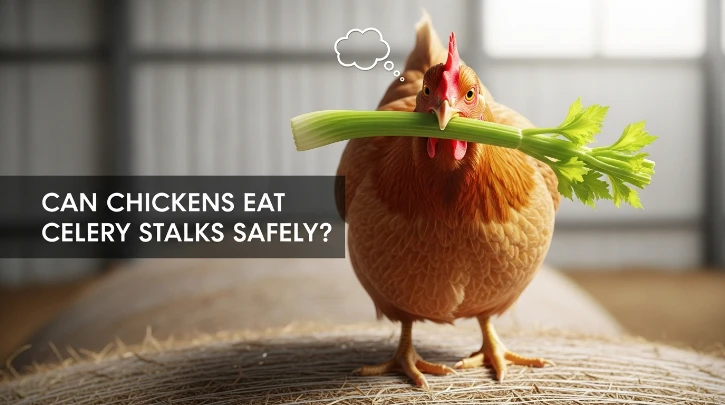
Yes, chickens can eat celery stalks. Celery offers some good nutrients for your flock. It is a safe snack when given in the right way. Your birds can enjoy this crunchy treat. But you must know how to prepare it. Knowing the proper steps keeps your chickens healthy. Don’t risk your flock’s health by guessing. Your chickens rely on you for safe, nutritious food. Every bite matters! Keep reading to learn all the details. We will show you exactly how to feed celery safely. You will learn what to avoid. Your birds deserve the best care you can give.
Understanding Celery for Your Flock
Celery is a common human food. Many wonder if chickens can eat it, too. The long green stalks seem healthy. They are packed with water and some vitamins. Chickens love to peck and explore. Offering new foods adds fun to their day. Celery can be a good choice for your birds. You just need to know the facts first.
What Celery Offers Your Chickens
Celery is mostly water. This makes it very hydrating. Water is vital for all living things. Chickens need plenty of water daily. Especially on hot days, hydration is key. Celery can help with this. It also has vitamins and minerals. These add to your chicken’s health.
Your chickens gain important nutrients from celery:
- Vitamin K: This helps with blood clotting. It keeps bones strong.
- Vitamin A: Good for their eyesight. It supports healthy growth.
- Folate: Important for cell health. It aids in energy production.
- Potassium: Helps keep their fluid balance right. It supports muscle function.
These benefits show celery’s value. It offers more than just hydration. It helps your chickens thrive. A varied diet keeps your flock happy and healthy.
The “String” Concern and How to Handle It
Celery has tough strings. These strings run along the stalk. People often remove them. Chickens might find these strings hard to chew. They can also pose a choking risk. This is a common worry for chicken owners. You need to prepare celery correctly. This step is important for your birds’ safety.
You can easily fix this concern. Simply chop the celery into small pieces. Small bits are much easier to eat. The strings become less of a problem. Your chickens will peck at the tiny pieces. This makes the celery safe and fun to eat. Always think about how your chickens eat. They gulp food, not chew much. So, small pieces are always best.
Nutritional Perks of Celery
Celery is more than just crunch and water. It brings real health benefits. Feeding celery adds to a balanced diet. It gives your chickens diverse nutrients. Let’s look closely at what celery provides.
Vitamins Chickens Get From Celery
Celery contains several key vitamins. These vitamins support various body functions. They help your chickens stay strong. You are giving them a helpful boost.
Celery provides good amounts of:
- Vitamin K: Essential for bone health. It helps with blood clotting.
- Vitamin A: Good for vision and growth. It boosts their immune system.
- Vitamin C: Acts as an antioxidant. It supports overall health.
- Folate: Key for cell division and growth. It keeps them energetic.
These vitamins are vital for your flock’s daily life. They aid in strong eggshells and good health. You are making a smart choice for their well-being.
Hydration Benefits for Your Flock
Celery is mostly water. About 95% of celery is water. This makes it a great source of hydration. Your chickens need water all day. Dehydration can cause problems. It can lower egg production. It can make them sick.
Feeding celery helps them stay hydrated. It is especially useful on hot summer days. The cool, watery crunch feels good. It acts like a refreshing drink. Always offer fresh water too. Celery is an extra boost. It helps your birds feel their best.
Antioxidant Power for Chicken Health
Celery has antioxidants. These are powerful plant compounds. They fight bad things in the body. They protect cells from damage. This is good for your chicken’s long-term health.
Antioxidants help to:
- Reduce stress on their bodies.
- Support a strong immune system.
- Keep cells healthy and strong.
Adding celery helps build strong, healthy chickens. You are giving them a protective shield. This contributes to a long, productive life for your birds.
Potential Risks and How to Avoid Them
While celery is good, you must know the risks. Any food can be harmful if not prepared properly. Your chickens depend on you for safety. Let’s talk about what to watch out for.
Choking Hazards from Celery Strings
The long, fibrous strings in celery can be dangerous. Chickens do not chew their food well. They tend to swallow quickly. A long string could get stuck. This could block their throat. This is a serious choking hazard. You must take this risk seriously.
To keep your chickens safe:
- Always chop celery into tiny pieces.
- Aim for pieces smaller than your pinky nail.
- Remove any extra-long strings you see.
Small pieces prevent any problems. They make celery easy to digest. Your chickens can enjoy the treat without fear. Safety is always the top priority.
Pesticides on Unwashed Celery
Celery can have pesticides. Farmers use these chemicals. They protect crops from bugs. But pesticides are not good for chickens. They can cause illness. You must wash all produce carefully.
Always wash celery thoroughly. Use cold running water. You can even use a vegetable brush. This removes dirt and chemicals. You want only clean, safe food for your flock. This simple step makes a big difference. Buying organic celery can also reduce pesticide exposure, as noted by the Environmental Working Group (EWG), which often lists celery among produce with higher pesticide residues. EWG’s Dirty Dozen List highlights this concern for many fruits and vegetables.
Moderation is Key for Chicken Treats
Celery is a treat, not a main meal. Chickens need a balanced diet. Their primary food should be a good-quality layer feed. Treats should be a small part of their diet. Too much of any treat can be bad. It can upset their digestion. It can lead to nutrient imbalances.
Offer celery a few times a week. Give only a small amount each time. Think of it as a special snack. This way, your chickens get the benefits. They do not get too much of a good thing. A balanced approach ensures their best health.
How to Prepare Celery for Chickens
Proper preparation is crucial. It turns celery into a safe and enjoyable snack. You want your chickens to love their treats. Follow these simple steps. They ensure safety and maximum enjoyment.
Washing Celery Thoroughly
Before anything else, wash the celery. This step removes dirt, bugs, and pesticides. You want your chickens to eat clean food. A good wash makes celery safe.
Steps for washing:
- Hold celery under cool running water.
- Rub the stalks gently with your fingers.
- Use a clean vegetable brush for extra scrubbing.
- Rinse each stalk well.
This simple process makes sure your birds get clean food. It protects them from harmful residues. A clean treat is a safe treat.
Chopping Methods for Safe Feeding
Chopping is the most important step. Small pieces prevent choking. They make the celery easier to digest. You need to make the pieces tiny.
Consider these chopping methods:
- Fine dice: Cut stalks into very small squares. These are easy for chickens to peck.
- Thin slices: Slice stalks across their width. Then chop these slices into even smaller bits.
- Food processor: A food processor can finely mince celery. This creates a safe texture quickly.
The goal is tiny, manageable pieces. Think pea-sized or smaller. This keeps your flock safe. It allows them to enjoy the treat.
Serving Suggestions for Celery Treats
Once prepared, offer celery in a good way. You want your chickens to find it easily. You also want to keep their eating area clean.
Ways to serve celery:
- Mix with feed: Stir small celery pieces into their regular layer of feed.
- Scatter on the ground: Spread pieces in their run. This encourages foraging behavior.
- In a separate dish, Place chopped celery in a shallow dish. This keeps it clean and contained.
Always provide fresh, clean celery. Remove any uneaten pieces after a few hours. This prevents spoilage. Your chickens will learn to love this new treat.
What About Celery Leaves and Roots?
Celery is more than just stalks. It has leaves and a root end. You might wonder if these are also safe. Knowing this helps you use the whole plant. It also prevents waste.
Celery Leaves: Are They Safe?
Yes, celery leaves are safe for chickens. They are actually very nutritious. The leaves have more vitamins than the stalks. They are rich in vitamins A and C. Your chickens can enjoy them.
Just like the stalks, prepare the leaves right. Chop them into small pieces. This prevents choking. You can mix them with the chopped stalks. Or offer them separately. Your flock will appreciate the extra green snack. It adds variety and nutrients.
Celery Roots: Okay to Feed?
The very base of the celery stalk is the root end. This part is usually hard and fibrous. While not toxic, it is very tough. Chickens might find it hard to eat. It offers little nutritional value compared to the stalks and leaves.
It’s best to compost the root end. Your chickens will get more benefit from the softer parts. Focus on the stalks and leaves. These are easier to eat. They give your chickens more good stuff. Avoid feeding the hard, woody root base.
Comparing Celery to Other Chicken Treats
Celery is one option. Many other treats exist for chickens. Knowing how celery compares helps you choose. You can offer a good variety. This keeps your flock healthy and happy. Variety is the spice of life for chicken, too!
The following items demonstrate the common treats for chickens. This comparison shows their benefits and preparation needs.
| Treat Item | Key Nutrients | Preparation Notes | Feeding Frequency |
|---|---|---|---|
| Celery | Hydration, Vitamins K, A, C, Folate | Wash thoroughly, chop into very small pieces (pea-sized). | 2-3 times per week, small amounts. |
| Lettuce/Spinach | Vitamins A, K, Water, Iron (Spinach) | Wash, tear into small pieces. Avoid large amounts of spinach due to oxalates. | Daily (lettuce), 2-3 times/week (spinach), small amounts. |
| Cabbage | Vitamins C, K, Fiber | Wash, chop op or shred into small, manageable pieces. | 3-4 times per week, moderate amounts. |
| Carrots | Vitamin A (beta-carotene), Fiber | Wash, peel (optional), grate or chop into small, soft pieces. | 3-4 times per week, small amounts. |
| Apples | Vitamins C, Fiber | Wash, remove seeds (toxic), and chop into small pieces. | 2-3 times per week, small amounts. |
| Oats | Energy, Fiber | Serve raw or cooked (plain). | Daily, small handfuls as a treat. |
This comparison helps you see celery’s place. It is a healthy, hydrating choice. Always aim for a mix of different treats. Your chickens will get a wider range of nutrients. They will also enjoy the different tastes and textures.
The Bigger Picture: A Balanced Chicken Diet
Treats are fun, but the main diet is crucial. Your chickens need specific nutrients. These help them lay eggs. They keep them strong and healthy. Celery is just one piece of this puzzle. Let’s look at the full picture.
Layer Feed is Your Primary Food Source
The most important food is a good quality layer feed. This feed is specially made for hens. It has all the proteins, vitamins, and minerals they need. It supports egg production. It keeps their bones strong. Always make sure your chickens have constant access to fresh layer feed. This is their main source of nutrition. Think of it as their daily bread. According to poultry nutrition experts at reputable institutions like Cornell University, a complete layer feed should make up at least 90% of a hen’s diet for optimal health and egg production. Cornell University Small Flock Resources provides excellent guidance on this.
Supplementing with Fresh Foods and Scraps
Once the main feed is covered, add supplements. Fresh fruits and vegetables are great. They add variety. They give extra vitamins. Kitchen scraps can also be good. But be careful with what you offer. Avoid processed foods. Avoid sugary items.
Think of these as additions. They boost their health. They make life more interesting for your flock. But they should never replace their main feed. Aim for fresh, whole foods. These are best for your birds.
The Importance of Variety in Treats
Variety keeps your chickens healthier. It also makes them happier. Giving the same treat daily gets boring. It might miss out on other nutrients. Offer a rotation of different safe foods.
Mix it up with:
- Leafy greens like kale or spinach (in moderation).
- Root vegetables like carrots or beets.
- Small amounts of fruit, like berries or apple pieces.
- Protein boosts like mealworms (dried or live).
This varied approach provides a wide spectrum of nutrients. It supports a strong immune system. It keeps your birds engaged and active. A happy chicken is often a healthy chicken.
Frequently Asked Questions About Chickens and Celery
You might have more questions about feeding celery. That’s good! It means you care about your flock. We’ve gathered common questions here. Our answers are short and clear. They help you make the best choices.
How much celery can chickens eat?
Chickens should eat celery in moderation. Offer a small handful of chopped celery per chicken, 2-3 times a week. It is a treat, not a meal.
Can baby chicks eat celery?
No, baby chicks should not eat celery. Their digestive systems are very delicate. Stick to chick starter feed for their first few weeks.
Is cooked celery good for chickens?
Yes, cooked celery is fine for chickens. It should be plain, without any seasonings. Cooked celery is softer and easier for them to eat.
What parts of celery are bad for chickens?
The tough, fibrous root end is not ideal. It’s hard to digest. The long strings in the stalks can be a choking hazard if not chopped into tiny pieces.
Does celery offer specific health benefits for chickens?
Celery offers hydration due to its high water content. It also provides vitamins K, A, and C. These support bone health, vision, and immunity.
Your chickens depend on you for safe, nutritious food choices. By understanding how to prepare and feed celery, you can offer them a healthy, hydrating treat. Remember, moderation and proper preparation are key to keeping your flock happy and thriving. Continue to provide a balanced diet, and enjoy watching your birds peck at their healthy snacks.
Disclaimer: This article provides general information. It is not a substitute for professional veterinary advice. Always consult with a qualified veterinarian or poultry expert for specific concerns about your flock’s health or diet. Changes to a bird’s diet should be introduced gradually. Observe your chickens closely for any adverse reactions. The information provided is for educational purposes only and should not be considered medical advice for animals.