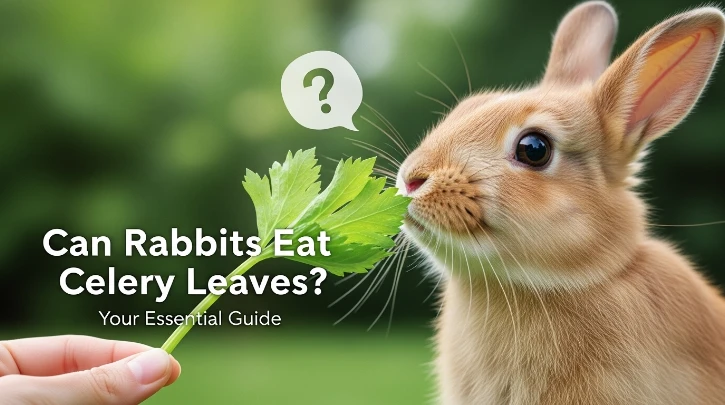
Yes, rabbits can eat celery leaves in moderation, but they should only be offered as an occasional treat. Celery leaves provide essential vitamins and water, yet too many can upset your bunny’s delicate digestive system. It is vital to understand proper serving sizes and preparation to keep your rabbit healthy and happy. Keep reading; your rabbit’s health depends on knowing these crucial details before feeding them any green, or you risk serious health issues!
The Green Light: Why Celery Leaves Can Be Good for Your Rabbit
Celery leaves, when given correctly, offer some real perks for your rabbit. They contain important nutrients. These nutrients help your bunny stay active and healthy. Understanding these benefits helps you make wise feeding choices.
Packed with Goodness: Nutritional Benefits of Celery Leaves
Celery leaves are more than just green bits. They hold valuable nutrition for your rabbit. Every bite brings a small boost of health. You are giving your bunny important natural support.
- Fiber Content: Celery leaves provide dietary fiber. Fiber is vital for a rabbit’s digestion. It helps their gut move food along smoothly. A healthy gut prevents serious problems.
- Vitamins A and K: These leaves offer Vitamin A. Vitamin A supports good vision. It also strengthens your rabbit’s immune system. Vitamin K helps with blood clotting. Your rabbit’s overall health gets a boost.
- Hydration: Celery leaves have high water content. This helps keep your rabbit hydrated. Staying hydrated is important for all body functions. It supports kidney health, too.
- Other Minerals: You will find small amounts of potassium in celery leaves. Potassium helps with nerve and muscle function. It contributes to your bunny’s daily well-being.
Adding a little variety to your rabbit’s diet is always a good idea. Celery leaves offer a nice change. They bring new flavors and textures. This keeps mealtime interesting for your furry friend.
Getting Ready: Proper Preparation for Celery Leaves
Proper preparation is key before you offer any food to your rabbit. You want to keep your bunny safe. Incorrect steps can lead to health problems. Always take time to prepare fresh greens carefully.
First, always wash celery leaves thoroughly. This removes dirt and pesticides. Pesticides are very harmful to rabbits. Rinse them under cool, running water. Ensure all surfaces are clean.
Next, consider cutting the leaves. Large pieces can pose a risk. Smaller pieces are easier to chew. They also help prevent choking hazards. Cut the leaves into bite-sized pieces for your rabbit.
You might wonder about the fibrous strings. Celery stalks have many strings. Leaves have fewer tough fibers. Still, cutting the leaves helps break these down. This makes them easier to digest for your rabbit.
Always introduce new foods slowly. Give only a tiny piece at first. Watch your rabbit for 24 hours. Look for any changes in their droppings or behavior. This helps you know if the food agrees with them.
Understanding the Risks: When Celery Leaves Might Harm Your Bunny
While celery leaves offer some benefits, they also carry risks. Your rabbit’s digestive system is delicate. You must know these potential dangers. Protecting your bunny means understanding what could go wrong.
The Hidden Dangers: Oxalates and Calcium Concerns
Celery leaves contain compounds that can affect your rabbit. Knowing about these helps you feed them safely. Balance is always the goal in a rabbit’s diet.
- Oxalate Levels: Celery leaves contain oxalates. Oxalates are natural plant compounds. In small amounts, they are usually fine. Too many oxalates can be problematic. They can bind with calcium in the body. This can lead to health issues over time.
- Calcium Content: Rabbits handle calcium differently than humans. They absorb almost all the calcium they eat. Excess calcium is filtered through their kidneys. This can lead to sludge or stones. Celery leaves have moderate calcium. Combining them with other high-calcium foods can be risky.
- Kidney and Bladder Issues: High oxalate and calcium intake can cause problems. It can stress your rabbit’s kidneys. Bladder stones or urinary sludge may form. These conditions are painful. They require veterinary attention. Always offer a balanced diet. This protects your rabbit’s urinary health.
It is important to remember that variety is key. Do not rely heavily on celery leaves. Mix them with other safe greens. This helps dilute any potential risks from specific compounds. Your rabbit needs a diverse range of nutrients.
Tummy Troubles: Digestive Upset and Your Rabbit
Your rabbit’s digestive system is incredibly sensitive. Any new food can cause issues. Celery leaves are no exception. Watch for signs of digestive upset carefully.
Suddenly introducing new foods often causes problems. Your rabbit’s gut bacteria need time to adjust. A rapid change can throw them off balance. This leads to uncomfortable symptoms for your bunny.
One common issue is gas and bloating. Rabbits cannot easily pass gas. Trapped gas is very painful. It can lead to a serious condition called GI stasis. GI stasis is a life-threatening emergency. Observe your rabbit for any signs of discomfort. A quiet, hunched rabbit might be in pain.
Another symptom is diarrhea or soft stools. This means their digestive system is struggling. Diarrhea can lead to dehydration. It also causes soiled fur around their bottom. This can attract flies. Flystrike is a severe, often fatal, condition. Always seek vet advice for diarrhea.
The best way to prevent these issues is a slow introduction. Give only a small amount of celery leaf. Wait a day or two. If no problems arise, you can offer a tiny bit more. This gradual approach keeps your rabbit safe.
More Than Just Leaves: Choking Hazards
While celery leaves are softer than stalks, they still pose a risk. Size matters when feeding your rabbit. Improperly sized food can be dangerous.
Rabbits chew their food thoroughly. However, large pieces can be swallowed whole. This can lead to a choking hazard. Their narrow throats are easily blocked. A blocked airway is an emergency.
Always cut celery leaves into small, manageable pieces. Think about the size of your rabbit’s mouth. Each piece should be easy to chew. This reduces the risk of choking significantly.
Even soft foods can cause issues if too large. A rabbit struggling to eat might be in distress. Always supervise your rabbit when introducing new foods. Your presence ensures their safety.
Unwanted Guests: Pesticide Residues
Pesticides are chemicals used on plants. They help protect crops from pests. However, these chemicals are toxic to rabbits. You must take precautions when feeding fresh produce.
Pesticide residues can remain on celery leaves. Even organic produce can have some residue. Conventional celery often has higher levels. Ingesting these chemicals can make your rabbit very sick. Symptoms include lethargy, tremors, or even seizures.
Always wash all produce thoroughly. Rinse celery leaves under running water. You can even use a vegetable brush. This helps scrub away hidden chemicals. Ensuring cleanliness is a vital step in preparing food.
Consider buying organic celery when possible. Organic farming avoids synthetic pesticides. This gives you more peace of mind. Your rabbit’s health is worth the extra effort. Always prioritize safety first.
How Much is Too Much? Feeding Guidelines for Celery Leaves
Knowing the right amount of any food is critical for rabbits. Their diet needs precision. Celery leaves are no different. You want to offer enough for benefit, but not too much to cause harm.
Starting Small: Introducing New Foods
Introducing new foods to your rabbit requires patience. Their delicate digestive systems need time to adjust. Rushing this process can lead to serious health issues.
When you first offer celery leaves, give a very tiny piece. Imagine a piece about the size of your thumbnail. This small amount allows their system to react. It helps you gauge their tolerance.
After offering the small piece, observe your rabbit. Watch them closely for 24-48 hours. Look at their droppings. Are they normal and firm? Check their appetite. Are they eating their hay and pellets? Notice their energy levels. Are they active or lethargic?
If you see any soft stools, diarrhea, or reduced appetite, stop immediately. Do not offer celery leaves again. Your rabbit might be sensitive to them. Consult your vet if symptoms persist. Always prioritize your bunny’s comfort and health.
Just a Nibble: Appropriate Portions and Frequency
Celery leaves should never be a main part of your rabbit’s diet. Think of them as a treat. Treats are given in small amounts. They add variety, not bulk.
For an average adult rabbit (around 5-7 pounds), a small amount is enough. This means a few small leaves or a piece about 1-2 inches long, chopped. This is not a daily food. It is an occasional offering.
The “rule of thumb” for fresh greens is about one cup per 2 pounds of body weight daily. This daily cup should be a mix of various safe greens. Celery leaves would be only a tiny part of that mix. They are not a staple green like romaine lettuce or cilantro.
The following guidance shows common fresh greens and how to offer them:
| Food Type | Recommended Portion (Adult Rabbit) | Frequency | Notes |
|---|---|---|---|
| Timothy Hay | Unlimited | Daily (always available) | Essential for digestion and dental health. |
| Quality Pellets | ¼ cup per 5 lbs body weight | Daily | Plain, high-fiber, no seeds or treats. |
| Leafy Greens (e.g., Romaine, Cilantro, Parsley) | 1 cup per 2 lbs body weight | Daily (mixed variety) | Rotate greens for balanced nutrition. |
| Celery Leaves | 1-2 small leaves (chopped) | 1-2 times per week (max) | Treat only, watch for digestive upset. |
| Non-Leafy Veggies (e.g., Bell Pepper, Carrot) | 1 tablespoon per 2 lbs body weight | 2-3 times per week | Treats due to sugar content. |
| Fruits (e.g., Apple, Banana) | 1 teaspoon per 2 lbs body weight | 1-2 times per week | High in sugar, very small amounts. |
Limit celery leaves to one or two times a week at most. This prevents the accumulation of oxalates. It also reduces digestive stress. Your rabbit will still enjoy the treat. You will keep them safe and healthy. Variety is far more important than quantity for treats.
Beyond Celery Leaves: A Balanced Diet for Happy Rabbits
Celery leaves are a small part of a rabbit’s diet. A truly healthy rabbit needs a well-rounded meal plan. You build this plan with specific types of food. Each element plays a crucial role in their well-being.
The Foundation: Hay is Key
Hay is the most important food for your rabbit. It makes up the bulk of their diet. You must provide fresh, unlimited hay every single day. Without enough hay, rabbits face serious health issues.
Timothy hay is a popular choice. Orchard grass and oat hay are also excellent. These have a high fiber content. This fiber keeps their digestive system working. It prevents slowdowns and blockages.
Hay also helps with dental health. A rabbit’s teeth grow constantly. Chewing hay grinds them down naturally. This prevents painful dental spurs. Unchecked spurs can cause severe pain and difficulty eating. Always ensure your rabbit has fresh hay available.
Keep the hay fresh and dry. Store it in a cool, dark place. Replenish it several times a day. Your rabbit should always have a pile of hay. It is their primary food source and natural activity.
(Source: House Rabbit Society – Diet)
Quality Pellets: A Supporting Role
Pellets are a supplemental food, not the main course. They provide concentrated nutrients. Choose the right kind of pellet for your rabbit’s age and needs. Incorrect pellets can cause problems.
Look for plain, high-fiber pellets. They should be Timothy-based for adult rabbits. Avoid pellets with seeds, nuts, or colorful “treats.” These fillers are unhealthy. They lead to obesity and digestive upset.
The amount of pellets depends on your rabbit’s weight. Generally, about one-quarter cup per 5 pounds of body weight per day is suitable for adult rabbits. Younger, growing rabbits need more. Consult your vet for exact amounts.
Always measure pellets accurately. Overfeeding pellets reduces hay intake. This can lead to digestive and dental issues. Pellets are a small, necessary part of their balanced diet.
Garden Goodies: Safe Fresh Vegetables
Fresh vegetables add vitamins, minerals, and hydration. They make up a significant portion of a rabbit’s diet after hay. Offer a wide variety of safe greens daily.
Variety is important for overall nutrition. It also prevents over-exposure to any single compound. Aim for at least 3-6 different types of greens each day. Rotate these greens regularly.
Good leafy greens include:
- Romaine lettuce (not iceberg)
- Cilantro
- Parsley
- Mint
- Dill
- Basil
- Spring greens (mixed)
- Carrot tops (in moderation)
- Kale (in moderation due to calcium)
Non-leafy vegetables should be given sparingly. These are higher in sugar and starch. Examples include bell peppers and carrots. Treat these like fruits, in very small amounts.
The following comparison shows how different foods fit into a rabbit’s diet:
| Food Category | Daily Diet Percentage | Primary Benefit | Key Examples |
|---|---|---|---|
| Hay | 80-90% | Fiber, Dental Health | Timothy, Orchard, Oat Hay |
| Fresh Leafy Greens | 10-15% | Vitamins, Hydration | Romaine, Cilantro, Parsley, Spring Mix |
| Pellets | 5% | Concentrated Nutrients | Timothy-based, plain pellets |
| Treats (Non-leafy veggies, fruits, celery leaves) | Very Small Amount (occasional) | Variety, Enrichment | Bell Pepper, Apple, Celery Leaves |
Remember to wash all fresh vegetables thoroughly. Introduce new items slowly. Always prioritize a diverse and balanced mix of foods. This keeps your rabbit vibrant and healthy.
Thirsty Bunny: Fresh Water
Clean, fresh water must always be available. Water is essential for everybody’s function. Dehydration can quickly become serious for a rabbit.
Offer water in a heavy ceramic bowl. Bowls are easier to clean than sippy bottles. They also allow rabbits to drink more naturally. Change the water daily, or even twice a day. Clean the bowl thoroughly to prevent bacterial growth.
Some rabbits prefer sipper bottles. If you use one, check it daily. Make sure the nozzle isn’t clogged. Ensure water flows easily. Many rabbits enjoy both a bottle and a bowl.
Access to fresh water supports digestion. It helps move food through the gut. It also aids in kidney function. Proper hydration is a cornerstone of your rabbit’s health.
(Source: Veterinary Specialists of North America – Basic Rabbit Care)
Recognizing Trouble: Signs Your Rabbit Ate Too Many Celery Leaves
Even with the best intentions, mistakes can happen. Your rabbit might eat too much celery leaf. Knowing the signs of distress is vital. Quick action can save your bunny’s life.
Belly Ache: Digestive Symptoms
Digestive issues are common signs of dietary problems in rabbits. Their gut is extremely sensitive. You must learn to spot these symptoms early.
- Soft Stools or Diarrhea: This is a clear sign that something is wrong. Normal rabbit droppings are firm, round pellets. Soft or runny stools indicate digestive upset. Severe diarrhea can quickly lead to dehydration. It is a serious concern.
- Reduced Appetite: A rabbit not eating their hay or pellets is alarming. Rabbits must eat constantly. A loss of appetite often points to pain or illness. It can lead to GI stasis.
- Bloating and Gas: Your rabbit’s belly might feel hard or distended. They might stretch out or press their tummy to the ground. This indicates trapped gas, which is very painful. Their digestive system is not moving properly.
- Lack of Droppings: If your rabbit stops producing droppings, it’s an emergency. This means their gut has slowed or stopped. This is a primary sign of GI stasis.
If you observe any of these digestive symptoms, act quickly. Remove all fresh greens. Offer only hay and water. Contact your veterinarian immediately. Delay can be fatal for rabbits.
Behavioral Clues: Changes in Your Rabbit’s Demeanor
Rabbits are masters at hiding illness. Subtle changes in behavior can signal a problem. You need to know your rabbit’s normal actions. This helps you notice when something is off.
- Lethargy: A sick rabbit will be less active. They might lie around more than usual. They won’t jump or play. A normally curious rabbit might become withdrawn.
- Pain Posture: Rabbits in pain often hunch over. They might press their belly to the floor. Their eyes might be partially closed. They might grind their teeth, a sign of pain.
- Hiding More: Sick rabbits often retreat. They seek out quiet, dark places. They might avoid interaction. This is an instinct to hide weakness from predators.
- Lack of Grooming: A healthy rabbit is meticulously clean. If your rabbit stops grooming, they are likely feeling unwell. Their fur might look dull or messy.
Any sudden change in your rabbit’s usual behavior warrants concern. Trust your instincts as a pet owner. You know your bunny best. If something feels wrong, it probably is.
Urgent Care: When to See a Vet
Some rabbit issues can wait a day. Digestive problems are not among them. Rabbit GI stasis is a life-threatening emergency. Rapid veterinary intervention is often necessary.
If your rabbit shows any of the severe symptoms mentioned, call your vet. Do not wait for things to improve. Signs like complete loss of appetite, no droppings, or extreme lethargy need immediate attention. Find an emergency vet if your regular clinic is closed.
Prevention is always the best approach. Feed a balanced diet. Introduce new foods slowly. Always keep fresh hay and water available. Regular vet check-ups help catch issues early. Your proactive care makes a huge difference.
(Source: Texas A&M AgriLife Extension – Rabbit Gut Stasis)
In conclusion, celery leaves can be a minor part of your rabbit’s diet, but only as a rare treat and in very small amounts. Their high water content and some vitamins are beneficial, yet the potential for digestive upset, oxalate concerns, and choking hazards makes careful feeding essential. Always prioritize a foundation of unlimited hay, quality pellets, and a wide variety of safe leafy greens. Your vigilance in monitoring your rabbit’s health after introducing new foods is your best defense against illness. Feed wisely, and your rabbit will thrive.
FAQ Section
Are celery stalks safe for rabbits?
Celery stalks are generally safe for rabbits, but they present a higher choking risk due to their long, fibrous strings. Always chop celery stalks into very small, bite-sized pieces and remove as many strings as possible before feeding them to your rabbit. Offer them sparingly.
Can baby rabbits eat celery leaves?
No, baby rabbits should not eat celery leaves or any fresh vegetables. Young rabbits (under 12 weeks old) need a diet of unlimited alfalfa hay and alfalfa-based pellets. Introducing fresh greens too early can cause severe digestive upset.
What other leafy greens are good for rabbits?
Many other leafy greens are excellent for rabbits. Good choices include romaine lettuce, cilantro, parsley, dill, mint, basil, and spring mix. Always offer a variety and introduce new greens slowly.
How often can rabbits have celery leaves?
Rabbits should only have celery leaves as an occasional treat, not daily. Limit them to once or twice a week at most, and always in very small, chopped portions. This helps prevent potential digestive issues and oxalate buildup.
What should I do if my rabbit eats too much celery?
If your rabbit eats too much celery, monitor them closely for signs of digestive upset like soft stools, diarrhea, or reduced appetite. Remove all fresh vegetables and offer only hay and water. If symptoms are severe or persist, contact your veterinarian immediately, as it could indicate GI stasis.
Disclaimer: This article provides general information and guidance. It is not a substitute for professional veterinary advice. If you have concerns about your rabbit’s health or diet, please consult with a qualified rabbit-savvy veterinarian immediately. Always introduce new foods cautiously and observe your rabbit for any adverse reactions.