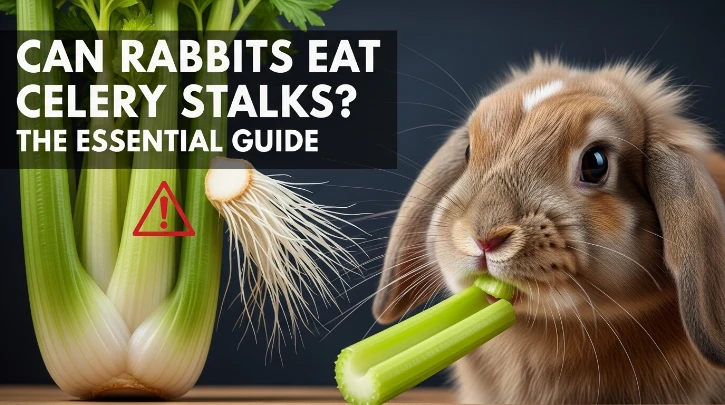
Yes, rabbits can eat celery stalks, but only in careful moderation and with proper preparation. Celery provides valuable hydration and some vital nutrients for your bunny. However, feeding too much can cause severe digestive upset due to its high fiber and water content, and the long, fibrous strings present a serious choking hazard. You must understand the risks and correct methods. Ignoring these crucial details could put your rabbit’s health at serious risk. Don’t gamble with your furry friend’s well-being! Your rabbit depends on you to make the right choices. Read every word of this guide to ensure you’re providing the safest, most beneficial diet possible. Their health hangs in the balance!
Understanding Your Rabbit’s Diet Needs
Your rabbit’s health depends greatly on what you feed them. A proper diet prevents many common health issues. You need to know the core components of a healthy rabbit diet.
The Importance of Hay
Hay forms the bedrock of a rabbit’s diet. It is truly the most vital food. Rabbits need unlimited access to fresh, high-quality hay every single day. Timothy hay, orchard grass, or oat hay are excellent choices. Hay provides essential fiber that keeps their digestive system moving correctly. It also wears down their constantly growing teeth. Without enough hay, teeth can overgrow, causing painful problems.
Fresh Greens and Vegetables
Daily fresh greens and vegetables supplement hay. These add important vitamins, minerals, and moisture to your rabbit’s diet. A variety of leafy greens is best. Introduce new greens slowly to prevent upset tummies. These fresh additions keep your rabbit interested and healthy.
Pellets and Treats
Pellets offer concentrated nutrients, but they should be given in limited amounts. They are not the main food source. High-fiber, plain pellets are best. Treats, like small pieces of fruit or certain vegetables, are for special occasions only. They should make up a very tiny part of the overall diet. Too many treats lead to obesity and other health problems.
The Celery Question: A Closer Look
Celery is a common human food, and many rabbit owners wonder if their bunnies can enjoy it, too. The answer is nuanced. While not toxic, celery requires careful handling to be a safe treat.
The Nutritional Upside of Celery
Celery does offer some good things for your rabbit’s health. It is mostly water, which helps with hydration. It also contains some beneficial vitamins and minerals. These small amounts can contribute positively to a varied diet.
Nutrients celery provides include:
- Water: High water content aids hydration.
- Vitamin K: Important for blood clotting and bone health.
- Vitamin C: Though rabbits produce their own, a little extra doesn’t hurt.
- Potassium: An electrolyte important for nerve and muscle function.
- Fiber: Helps digestion, but too much can be problematic.
Potential Risks: What You Need to Know
Despite its good points, celery comes with specific risks for rabbits. Understanding these dangers is crucial for responsible pet ownership. Ignoring them can lead to serious health issues.
The Choking Hazard
The most immediate and concerning risk with celery stalks is the fibrous strings. These long, tough strands can easily get stuck in a rabbit’s throat. Rabbits cannot vomit, so a blocked airway is extremely dangerous. These strings are hard to chew thoroughly for a rabbit. Always remove these strings before feeding celery. This step is non-negotiable for your bunny’s safety.
Digestive Upset Concerns
Celery’s high water and fiber content can be a double-edged sword. While some fiber is good, too much can quickly upset a rabbit’s delicate digestive system. A sudden increase in watery, fibrous foods can cause soft stools or diarrhea. This leads to dehydration and other serious gastrointestinal problems, such as GI stasis, a life-threatening condition for rabbits. Always introduce new foods slowly and in small amounts.
Pesticides and Contaminants
Celery is often listed among vegetables with high pesticide residues. These chemicals can be very harmful to your rabbit. Even organic celery should be thoroughly washed. You do not want your bunny consuming any toxic substances. Always wash celery well under running water before preparation. Consider peeling the outer layer too for extra safety. You can find more information about produce safety from resources like the Environmental Working Group’s “Dirty Dozen” list. (Reference: EWG’s Dirty Dozen)
Safe Celery Preparation for Rabbits
Feeding celery safely to your rabbit requires specific steps. You cannot just hand them a raw stalk. Proper preparation reduces health risks significantly. Your attention to detail here protects your rabbit.
Washing Your Celery Stalks
Always start by thoroughly washing celery under cool, running water. This removes dirt, bacteria, and any lingering pesticides. Even organic celery needs a good wash. You want to eliminate all surface contaminants before offering it to your pet. Cleanliness is key to your rabbit’s digestion.
Removing Fibrous Strings
This step is absolutely critical for preventing choking. Celery stalks contain long, stringy fibers running lengthwise. These fibers are hard for rabbits to chew and digest properly. They pose a significant choking hazard. You must remove them completely.
To remove the strings:
- Bend the celery stalk until it snaps.
- Pull the separated pieces apart slowly.
- The strings should peel away with the break.
- Repeat this process along the length of the stalk.
- Use a vegetable peeler to shave off any remaining tough strings on the outer surface.
This extra effort ensures your rabbit enjoys celery without danger. Your bunny will thank you for this careful preparation.
Cutting Celery into Bite-Sized Pieces
After washing and de-stringing, cut the celery into small, manageable pieces. Chunks should be no larger than half an inch. Smaller pieces are easier for your rabbit to chew and swallow. This further reduces any choking risk. It also helps prevent them from eating too much too quickly. Aim for pieces that your rabbit can handle easily.
How Much Celery Can Rabbits Eat?
Portion control is vital when feeding celery. Celery should always be a small treat, not a regular meal component. Giving too much, even prepared correctly, can still cause digestive upset. Moderation protects your rabbit’s sensitive system.
The “Treat, Not a Meal” Rule
Think of celery as a special snack, not a staple food. It should complement a diet primarily made of hay. Treats should make up no more than 5-10% of your rabbit’s daily fresh food intake. This prevents them from filling up on less nutritious items. Your rabbit needs a balanced diet.
Recommended Portions
The amount of celery suitable for your rabbit depends on their size. Smaller rabbits need even smaller portions. Always start with a tiny amount to gauge their reaction. A general guideline for a healthy adult rabbit is a piece no bigger than your thumb. This small offering is safe and enjoyable for them.
The suitable amount for your rabbit’s size is outlined below:
| Rabbit Weight | Recommended Celery Portion (per feeding) | Example Size |
|---|---|---|
| Under 4 lbs | 1/2 teaspoon equivalent | Pinky fingernail size |
| 4-7 lbs | 1 teaspoon equivalent | Thumbnail size |
| Over 7 lbs | 1 tablespoon equivalent | Thumb tip size |
These are general guidelines. Always observe your rabbit’s reaction. Adjust as needed. Your veterinarian can give specific advice.
Frequency of Feeding Celery
Offer celery only occasionally, perhaps once or twice a week at most. It should not be a daily treat. Daily consumption, even in small amounts, can still contribute to an imbalance in their diet. Rotating treats is also a good strategy. Offer other safe vegetables and fruits to provide variety and different nutrients. This prevents dietary boredom and ensures a wider range of vitamins.
Introducing Celery to Your Rabbit
When you introduce any new food to your rabbit, caution is essential. Rabbits have sensitive digestive systems that react poorly to sudden changes. A slow, gradual approach is always the safest way to go.
The Gradual Approach
Offer a tiny piece of properly prepared celery first. Watch your rabbit closely for the next 24-48 hours. Look for any changes in their droppings or behavior. If everything seems normal, you can offer a similar small piece again a few days later. Slowly increase the amount over several weeks, still keeping within the recommended portion sizes. This method allows your rabbit’s digestive system to adapt. If you notice any issues, stop feeding celery immediately.
Monitoring for Adverse Reactions
After introducing celery, keep a close eye on your rabbit. Any new food can cause an unexpected reaction. Your rabbit’s well-being depends on your careful observation. Pay attention to subtle changes.
Watch for these symptoms:
- Soft stools or diarrhea: A clear sign of digestive upset.
- Lethargy: Your rabbit might seem less active or energetic.
- Loss of appetite: Refusing to eat hay or other usual foods.
- Bloating or stomach gurgling: Indicates gas or digestive issues.
- Changes in droppings: Smaller, fewer, or misshapen droppings.
- Pain: Hunching, teeth grinding, or reluctance to move.
If you see any of these signs, stop feeding celery immediately. Contact your veterinarian if symptoms persist or worsen. Early intervention can save your rabbit’s life.
What to Do If Your Rabbit Eats Too Much Celery
Accidents happen. Your rabbit might get into the celery without your permission. Or you might accidentally give too much. Knowing what to do in such a situation is vital for your rabbit’s safety. Stay calm and act quickly.
Watch for Symptoms
First, observe your rabbit very closely. Look for any of the adverse reactions listed above. Digestive upset symptoms can appear within hours. Choking signs are immediate. If your rabbit is struggling to breathe, this is a severe emergency. If they are just acting a little off, keep them comfortable and monitor their food and water intake. Encourage them to eat hay and drink water.
Contact Your Vet
If you notice any severe symptoms, such as labored breathing, extreme lethargy, prolonged refusal to eat, or watery diarrhea, contact your veterinarian immediately. Do not wait. Rabbits can decline very quickly. Be ready to provide details about how much celery they ate and when. Your vet can provide specific advice or recommend an immediate visit. This proactive step is crucial for your rabbit’s health.
Beyond Celery: A Balanced Diet for Your Rabbit
Celery is just one small piece of a much larger, healthy diet puzzle for your rabbit. A holistic approach to nutrition ensures long-term health and happiness. You are responsible for providing this balanced foundation. Understanding the full picture of your rabbit’s nutritional needs empowers you to make the best choices.
Essential Hay
Reiterating this point is important: unlimited fresh hay is non-negotiable. Hay should make up at least 80% of your rabbit’s diet. It supports gut health and prevents dental issues. Never let your rabbit run out of hay. It is their most important food source. Provide various types, like Timothy, orchard, or oat hay, for different textures and nutrients. (Reference: House Rabbit Society – Diet FAQ)
Safe Green Vegetables
Offer a variety of fresh, leafy green vegetables daily. These provide essential vitamins, minerals, and hydration. Aim for a mix of 3-5 different types each day. Wash all greens thoroughly. Introduce new types slowly, just as you would with celery. This variety provides a broad spectrum of nutrients and keeps your rabbit engaged.
Good choices for safe greens include:
- Romaine lettuce (not iceberg)
- Green leaf lettuce
- Red leaf lettuce
- Cilantro
- Parsley
- Dill
- Mint
- Basil
- Kale (in moderation, due to calcium)
- Spinach (in moderation, due to oxalates)
- Carrot tops
- Beet greens
Certain plant options are not suitable for your rabbit’s diet.
| Suitable Green Vegetables | Unsuitable (Toxic or Harmful) Vegetables |
|---|---|
| Romaine, Green Leaf, Red Leaf Lettuce | Iceberg lettuce (low nutrition, causes diarrhea) |
| Cilantro, Parsley, Dill, Mint, Basil | Rhubarb (toxic leaves and stalks) |
| Carrot Tops, Beet Greens | Onions, Garlic, Leeks (toxic) |
| Bell Peppers (no seeds), Broccoli (small amounts) | Potatoes (toxic raw), Avocado (high fat, toxic persin) |
Limited Pellets and Treats
High-quality, plain pellets should be offered in limited amounts. The quantity depends on your rabbit’s weight and age. Avoid colorful, seed-filled mixes; these are unhealthy. Treats, like small pieces of fruit (e.g., apple, banana) or certain vegetables (like celery!), should be rare. They contain high sugar and calories. Overfeeding treats can lead to obesity and digestive issues. Always prioritize hay and fresh greens.
Expert Insights on Rabbit Nutrition
Veterinarians specializing in exotic animals, especially rabbits, consistently emphasize a hay-based diet. Their professional advice underscores the importance of understanding rabbit physiology. Dr. Susan Brown, a well-known rabbit veterinarian, often highlights the delicate nature of a rabbit’s digestive tract. She states, “A rabbit’s gut is designed for constant movement. Fiber from hay keeps everything flowing smoothly. Any deviation can quickly lead to stasis, a serious emergency.” This expert consensus reinforces that while treats like celery can be given, they must be approached with extreme caution and never disrupt the core hay diet. (Reference: Ohio State University Veterinary Medical Center – Rabbits & Small Mammals)
Common Mistakes Rabbit Owners Make
Even with good intentions, rabbit owners can make dietary errors. Avoiding these common pitfalls helps ensure your rabbit stays healthy. Being aware of these mistakes helps you protect your furry friend.
- Overfeeding pellets: Pellets are often given in excess, displacing hay.
- Too many sugary treats: Fruits and sweet vegetables lead to obesity and dental problems.
- Lack of hay: Insufficient hay causes dental overgrowth and digestive stasis.
- Sudden diet changes: Introducing new foods too quickly upsets their sensitive gut.
- Feeding unsafe foods: Items like avocado, chocolate, or iceberg lettuce are harmful.
- Not removing celery strings: This directly creates a severe choking hazard.
- Ignoring warning signs: Missing early signs of digestive distress can be fatal.
Learning from these common mistakes empowers you to be a better caregiver. Your rabbit relies on your informed decisions for their well-being.
Cultivating a Healthy Relationship Through Food
Feeding your rabbit isn’t just about nutrition; it’s also a chance to bond. Sharing safe, healthy treats like a small, prepared piece of celery can strengthen your connection. Your rabbit associates you with positive experiences. This builds trust and happiness. Always remember that responsible feeding demonstrates your love and commitment. A happy, healthy rabbit brings so much joy into your life.
In conclusion, you can offer your rabbit celery stalks, but only with careful thought and preparation. Always remember that proper washing, meticulous de-stringing, and cutting into tiny pieces are critical. Celery is a treat, never a meal. Introduce it slowly, monitor for any adverse reactions, and always prioritize a diet rich in unlimited hay and diverse leafy greens. Your rabbit’s delicate digestive system depends on your informed choices and consistent care. By following these guidelines, you ensure that any celery treat contributes positively to your bunny’s long and happy life.
FAQ Section
Can baby rabbits eat celery?
No, baby rabbits should not eat celery. Their digestive systems are very sensitive. Young bunnies need their mother’s milk or specialized junior pellets and unlimited alfalfa hay. Introduce greens and treats only after they are about 12 weeks old, starting with very small amounts of safe leafy greens.
How often can rabbits eat celery?
Rabbits should eat celery infrequently, ideally no more than once or twice a week. It is a treat, not a daily staple. Rotate it with other safe vegetables to provide a varied diet.
What parts of celery can rabbits eat?
Rabbits can only eat the stalks of celery, but they must be thoroughly washed, de-stringed, and cut into small, bite-sized pieces. Do not feed the leaves if they are attached, as they can sometimes contain more concentrated chemicals or be bitter. Never offer the root.
What if my rabbit ate too much celery?
If your rabbit eats too much celery, monitor them closely for signs of digestive upset like soft stools, diarrhea, lethargy, or loss of appetite. Encourage hay and water intake. If symptoms appear or persist, contact your veterinarian immediately, as rabbits can become ill very quickly.
Are there other healthy vegetables rabbits can eat?
Yes, many other vegetables are safer and better for rabbits. Good options include romaine lettuce, green leaf lettuce, cilantro, parsley, basil, carrot tops, and bell peppers (without seeds). Always offer a variety of leafy greens daily, and introduce new foods slowly.
Disclaimer: This article provides general information and is not a substitute for professional veterinary advice. Always consult with a qualified veterinarian regarding your rabbit’s specific health needs and dietary requirements. If you suspect your rabbit is ill, seek immediate veterinary care.