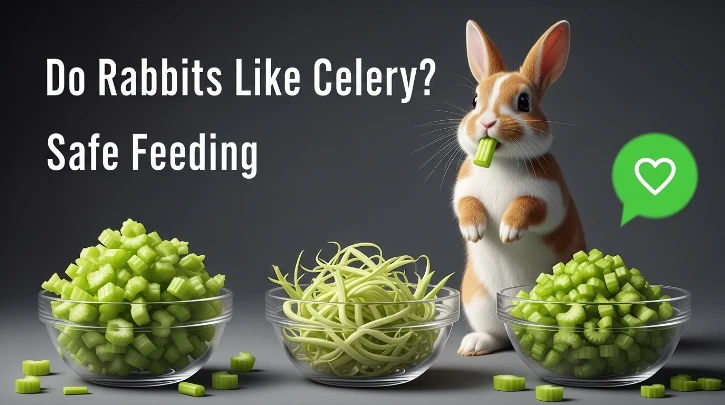
Yes, rabbits can eat celery, but only in very small, carefully prepared amounts, and it should never be a main part of their diet. Celery offers some nutrients but also presents specific risks, like choking hazards from its fibrous strings, if not given correctly. Ignoring these important details could put your furry friend in danger. You love your rabbit, and you want what’s best for them, right? Keep reading to learn exactly how to feed celery safely and discover even better, healthier treat options to keep your bunny happy and well.
The Truth About Celery and Your Bunny’s Diet
Many rabbit owners wonder if celery is a good treat. The truth is, while not toxic, celery is not the ideal snack for your rabbit. It offers some benefits but comes with notable challenges. Understanding a rabbit’s natural diet helps you make the best choices.
A Rabbit’s Natural Diet: What They Truly Need
Your rabbit’s health depends on a proper diet. Their digestive system is unique and needs specific foods. Knowing what bunnies eat in the wild guides your choices at home. A balanced diet prevents many common health issues.
The Importance of Hay
Hay forms the bedrock of a rabbit’s diet. It is truly the most crucial food. Unlimited fresh hay, like timothy, orchard, or oat hay, should always be available. Hay keeps their digestive system moving smoothly. It also naturally grinds down their constantly growing teeth. Without enough hay, teeth can overgrow, causing painful problems.
Good hay prevents common gut issues. A lack of hay can lead to a serious condition called gastrointestinal stasis. This is when the gut slows down or stops. Quality hay keeps your rabbit healthy and happy. You should make sure your rabbit has hay available all day, every day.
Essential Fresh Greens
Fresh leafy greens are vital for your rabbit. They provide important vitamins and minerals. Greens also offer needed hydration. Think of them as part of your rabbit’s natural forage. Aim for a variety of types daily. This mix offers a wide range of nutrients. Always wash greens thoroughly before feeding them to your rabbit.
Good choices include romaine lettuce, cilantro, parsley, and dandelion greens. Avoid iceberg lettuce, as it has little nutritional value and can cause diarrhea. Introduce new greens slowly. Watch your rabbit for any signs of upset tummy. A varied selection ensures your rabbit gets all its nutritional needs met. Some popular and safe choices for fresh greens are:
- Romaine lettuce (not iceberg)
- Cilantro
- Parsley
- Dandelion greens
- Basil
- Mint
- Kale (in moderation)
- Spring greens mix
Limited Pellets
Pellets offer concentrated nutrition for rabbits. However, they should be a small part of the diet. Overfeeding pellets is a common mistake. Too many pellets can lead to obesity. They can also cause digestive problems. Choose high-fiber, plain alfalfa-free pellets for adult rabbits. Alfalfa is too rich for most adult rabbits. Follow the feeding guidelines on the package. Adjust the amount based on your rabbit’s weight and activity level. Young, growing rabbits need slightly more pellets. Senior or less active rabbits need less. Always prioritize hay and fresh greens over pellets.
The Nutritional Profile of Celery for Rabbits
Celery contains some nutrients that could benefit rabbits. However, its overall nutritional value is low. You should weigh these benefits against the potential risks. Understanding what celery offers helps you decide if it is right for your rabbit.
Beneficial Nutrients Celery Offers
Celery is mostly water, which helps with hydration. It also has some vitamins and minerals. These nutrients are helpful in small amounts. Think of celery as a crunchy, watery snack. It’s not a powerhouse of nutrition, but it does offer a few good things.
- Water: Celery is over 95% water. This helps keep your rabbit hydrated, especially if they don’t drink much from their bowl.
- Fiber: It contains dietary fiber. Fiber is key to a rabbit’s digestion. However, celery’s fiber is stringy, which can be a problem.
- Vitamin K: This vitamin helps with blood clotting. It is important for overall health.
- Vitamin C: While rabbits produce their own Vitamin C, small amounts from vegetables are fine.
- Potassium: An essential mineral for nerve and muscle function.
Potential Downsides of Celery for Rabbits
Despite some good points, celery has clear drawbacks for rabbits. It is low in calories, meaning it fills them up without much energy. The high water content can also cause loose stools. The biggest concern, however, comes from its unique structure.
Celery is mostly water. This means it offers little energy compared to other foods. Rabbits need calorie-dense food like hay. Feeding too much celery can fill your rabbit. This might make them eat less hay. Less hay means poor digestion. The high water content can also lead to softer stools. This is a sign of an upset tummy. You must be careful about how much you offer.
The Stringy Problem: A Choking Hazard?
The fibrous strings in celery are the main concern for rabbits. These strings can pose a serious choking hazard. Your rabbit’s small throat can easily get blocked. This is why careful preparation is essential. Many owners overlook this important step.
Understanding Celery Strings
Celery stalks contain long, tough fibers. These fibers run the length of the stalk. They are very difficult for rabbits to chew thoroughly. Rabbits do not chew their food as carefully as humans. They might swallow these long strings whole. These strings can get lodged in their throat or digestive tract. This can cause blockages or choking. This risk makes celery a special case among rabbit treats.
Preparing Celery Safely for Your Rabbit
Safe preparation is not an option; it is a must. You must remove the fibrous strings. You must also cut the celery into tiny pieces. This greatly reduces the risk of choking. Never offer a whole stalk or large chunks. Your rabbit’s safety depends on this step.
To prepare celery safely:
- Wash the celery stalk thoroughly under cold water.
- Use a vegetable peeler to remove all the long, fibrous strings from both sides of the stalk. You can peel them off with your fingers, too. Make sure all visible strings are gone.
- Cut the de-strung celery into very small, bite-sized pieces. Aim for pieces no larger than a pea. This makes them easier to chew and swallow.
- Offer only a tiny amount to your rabbit.
This careful preparation minimizes the risks. You want to offer a treat, not a danger. Always observe your rabbit when they eat new foods. Watch for any signs of difficulty. Your attention keeps your bunny safe.
How Much Celery Can Rabbits Eat? Serving Size Matters
Celery should be a rare, tiny treat for your rabbit. Think of it as an occasional snack, not a regular part of their diet. Too much can lead to digestive upset. The amount given must be very small. Your rabbit’s size also plays a role in how much they can safely handle. Always introduce new foods slowly.
Introducing New Foods to Your Rabbit
Rabbits have sensitive digestive systems. New foods can upset their stomach. Always introduce any new treat slowly. Give only a tiny piece the first time. Then, wait 24-48 hours. Watch for any changes in their stool or behavior. Soft stools, diarrhea, or gas mean you should stop eating the food. If there are no issues, you can try another tiny piece later. This slow approach helps prevent digestive problems.
Recommended Serving Guidelines
When feeding celery, remember “less is more.” A very small piece is enough. This helps prevent tummy troubles. Never give large portions. Small amounts mean less risk. The amount depends on your rabbit’s size. A small rabbit needs less than a large one. This table shows appropriate serving sizes.
| Rabbit Size | Maximum Daily Serving (Prepared) | Frequency |
|---|---|---|
| Small (<4 lbs) | 1 pea-sized piece | Once or twice a week |
| Medium (4-8 lbs) | 2-3 pea-sized pieces | Once or twice a week |
| Large (>8 lbs) | 3-4 pea-sized pieces | Once or twice a week |
Remember, this is the maximum. Many experts suggest avoiding celery altogether. Safer, more nutritious options exist. If you choose to offer celery, stick strictly to these small amounts. Your rabbit’s health is the priority.
Monitoring Your Rabbit After Eating Celery
After giving your rabbit any new food, especially celery, you must watch them closely. Look for changes in their behavior or droppings. This vigilance helps you catch problems early. Early detection can prevent serious health issues. Your observation skills are a key part of responsible rabbit care.
Signs of Digestive Upset
Rabbits hide illness well. You need to know what signs to look for. Changes in their droppings are a big clue. A happy rabbit has firm, round droppings. Soft stools or diarrhea are red flags. Other signs include reduced appetite or unusual quietness. Gas can make them restless or hunched. If you see any of these, stop the new food right away.
- Soft Stools or Diarrhea: Droppings are squishy, shapeless, or watery.
- Reduced Appetite: Your rabbit eats less hay or pellets.
- Lethargy: Less active, more sleepy than usual.
- Hunched Posture: Indicates pain or discomfort.
- Teeth Grinding: A soft, continuous grind can mean pain.
- No Droppings: A serious sign of gastrointestinal stasis.
When to Contact Your Vet
Some symptoms require immediate veterinary attention. Rabbits can get sick very quickly. Gastrointestinal stasis is an emergency. If your rabbit stops eating hay, passes no droppings, or seems in pain, call your vet right away. Do not wait. Waiting can make the condition much worse. Your vet knows best how to help your precious pet. A quick call can save their life.
For more detailed information on rabbit health and care, you can consult reputable sources like the House Rabbit Society. They offer extensive guidance on common rabbit ailments and preventative care.
Alternatives to Celery: Safe and Nutritious Treats
While celery can be a very small, infrequent treat, many other vegetables are much safer and healthier for your rabbit. These alternatives offer more nutrients and less risk. Choosing these options ensures your rabbit gets the best diet. You want treats that truly benefit their health.
Many vegetables are far better for your rabbit. They provide essential vitamins, minerals, and fiber. These options support your rabbit’s overall well-being. They pose fewer risks than celery. Consider offering these wholesome choices instead. Your bunny will love them, and you can feel good about their health.
Safe and highly recommended vegetables for rabbits include:
- Carrot Tops (the greens, not the root)
- Bell Peppers (any color, no seeds or stem)
- Broccoli Stems and Leaves (in moderation)
- Cilantro
- Parsley
- Mint
- Basil
- Dandelion Greens (from pesticide-free areas)
- Romaine Lettuce
- Endive
- Wheatgrass
- Zucchini
- Squash (like butternut or spaghetti squash, in moderation)
The following table compares celery with some other common safe rabbit treats. It highlights key nutritional aspects.
| Vegetable | Primary Benefit | Water Content | Sugar Content | Fiber Type/Risk |
|---|---|---|---|---|
| Celery | Hydration, some Vitamin K | Very High (95%) | Low | Stringy, potential choking hazard if not prepared |
| Romaine Lettuce | Vitamins A & K, hydration | High (95%) | Very Low | Soft, easy to chew |
| Cilantro | Vitamins A & C, antioxidants | High (92%) | Low | Soft, aromatic, easy to chew |
| Bell Pepper | Vitamin C, antioxidants | High (92%) | Low | Crunchy, no stringy fiber, excellent treat |
| Carrot (Root) | Vitamin A, but high in sugar | High (88%) | High | Firm, good for teeth (as a rare treat only) |
Note: Carrot roots are high in sugar. They should be a very rare treat. Focus on the leafy greens. Always provide a variety of fresh, safe vegetables. This mix ensures your rabbit gets a balanced diet. You are giving them the best chance for a long, healthy life.
Expert Insights on Rabbit Nutrition
Veterinary experts consistently stress the importance of a hay-based diet. They advise extreme caution with treats. The consensus is that fresh hay should be 80-90% of a rabbit’s diet. This simple rule prevents the most common health problems. Greens make up the next largest part. Pellets and treats are very small additions. This approach is backed by years of research and clinical experience. You can trust this advice for your rabbit.
For further reading and veterinary-approved guidelines on rabbit care and diet, consider resources from organizations such as the Medivet Group, which often provides comprehensive advice from experienced animal health professionals.
Dr. Anna Meredith, a leading rabbit vet, often states, “Many common rabbit health issues stem directly from improper diet. Overfeeding treats and underfeeding hay are primary culprits.” This highlights the critical role of your feeding choices. Choosing nutritious, low-risk options shows your commitment. Your rabbit relies on your informed decisions. You can avoid many costly vet visits with a proper diet. Always prioritize their health above all else. Your rabbit deserves the best care you can provide.
Conclusion
You now know that while rabbits can eat celery, it comes with important caveats. Its stringy nature poses a real choking risk. If you choose to offer it, meticulous preparation and tiny portions are essential. However, many other safe and nutritious vegetables exist that offer far greater benefits without the added dangers. Prioritize unlimited hay, varied fresh greens, and limited pellets. By making informed choices about your rabbit’s diet, you ensure their long-term health and happiness. Your careful attention makes all the difference.
Disclaimer: This article offers general information and is not a substitute for professional veterinary advice. Every rabbit is unique, and dietary needs can vary based on age, health, and individual sensitivities. If you have any concerns about your rabbit’s diet or health, always consult with a qualified exotic veterinarian immediately. Feeding certain foods incorrectly can lead to severe health issues, including gastrointestinal stasis, which is a medical emergency for rabbits.
FAQ Section
Can baby rabbits eat celery?
No, baby rabbits should not eat celery. Their digestive systems are very delicate. Stick to mother’s milk or specialized young rabbit pellets and hay until they are old enough for small amounts of adult greens, usually after 12 weeks.
What part of celery can rabbits eat?
Only the stalk of celery can be given to rabbits, and only after removing all fibrous strings and cutting it into very small, pea-sized pieces. The leaves are generally safe but also carry the same stringy risk if not prepared well.
How often can rabbits have celery?
Celery should be a rare treat, given no more than once or twice a week, and always in very small, carefully prepared amounts. It is better to offer other safer, more nutritious vegetables more frequently.
Is celery good for rabbit teeth?
No, celery is not particularly good for rabbit teeth. Its soft, watery nature does not provide the abrasive chewing action needed to wear down their constantly growing teeth. Hay is the best food for dental health.
What vegetables are bad for rabbits?
Avoid feeding rabbits iceberg lettuce, onions, garlic, chives, potatoes, rhubarb, avocado, and anything moldy or rotten. These foods can be toxic or cause severe digestive upset in rabbits.