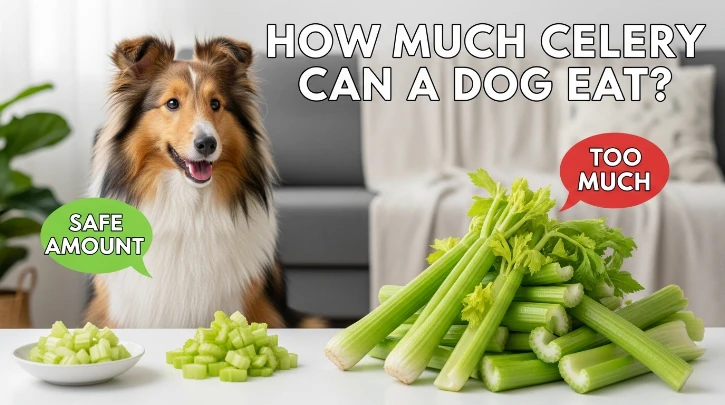
Your dog can eat a small amount of celery in moderation as a healthy treat. For most dogs, a few small, chopped pieces are safe and beneficial. However, giving too much or improperly prepared celery can lead to digestive upset or even choking hazards. Do you truly know the risks of feeding your dog the wrong foods? What you don’t know could put your beloved companion in danger. Don’t risk your dog’s health—continue reading to understand exactly how to keep them safe and happy!
The Green Light: Is Celery Safe for Dogs?
Yes, celery is generally considered safe for dogs when given in appropriate portions. This crunchy vegetable offers many health benefits. It can be a refreshing and low-calorie snack. Knowing this helps you make informed choices about your dog’s diet.
Understanding Celery’s Benefits for Your Dog
Celery provides more than just a satisfying crunch; it offers real nutritional value for your canine friend. These benefits make it a smart choice for a supplemental treat. You want your dog to thrive, and celery can play a small role in that.
- Low in Calories: Celery is mostly water, making it an ideal treat for dogs watching their weight. This means less guilt when you share a snack.
- Excellent Hydration: With over 95% water content, celery helps keep your dog hydrated, especially on warm days. You can offer it as a cool, refreshing bite.
- Rich in Vitamins and Minerals: This simple vegetable packs a punch. It contains essential vitamins like Vitamin A, Vitamin C, and Vitamin K, along with important minerals such as potassium and folate. Your dog’s body uses these for overall health.
- Freshens Breath: The crunchy texture helps clean teeth and can even act as a natural breath freshener. You might notice a pleasant difference.
Nutritional Breakdown: What Celery Offers
To help you see the specific value celery brings, consider its nutritional profile. Understanding these details helps you appreciate its health contributions. You are feeding your dog more than just water; you are offering vital nutrients.
The following table details the key nutritional components found in a typical serving of celery, based on common food data. This gives you a clear picture of what your dog is consuming.
| Nutrient | Amount (per 100g raw celery) | Dog Benefit |
|---|---|---|
| Calories | 14 kcal | Supports weight management. |
| Water | 95.4 g | Provides hydration. |
| Fiber | 1.6 g | Aids digestion, promotes gut health. |
| Vitamin K | 29.3 mcg | Important for blood clotting and bone health. |
| Vitamin A | 22 mcg RAE | Supports vision and immune function. |
| Vitamin C | 3.1 mg | Acts as an antioxidant. |
| Potassium | 263 mg | Essential for nerve and muscle function. |
(Source: USDA FoodData Central)
Finding the Right Amount: How Much Celery is Too Much?
The key to feeding your dog celery safely lies in moderation. Too much of a good thing, even healthy celery, can cause problems. You must understand the correct portion sizes to avoid digestive upset.
General Serving Guidelines Based on Dog Size
Your dog’s size plays a big role in how much celery they can handle. Just like humans, smaller dogs need smaller portions. These guidelines help you provide a safe amount. You wouldn’t give a chihuahua a whole bone, and the same thinking applies to celery.
- Small Dogs (e.g., Chihuahuas, Pomeranians): Offer one to two small, pea-sized pieces. Their tiny stomachs are sensitive.
- Medium Dogs (e.g., Beagles, Corgis): A few quarter-inch slices from a single stalk is a good starting point. Watch how they react.
- Large Dogs (e.g., Labradors, German Shepherds): They can have several quarter-inch to half-inch slices, possibly from a larger portion of a stalk. Still, keep it limited.
- Giant Breeds (e.g., Great Danes, Mastiffs): Even these big dogs should only receive a small part of a stalk, cut into manageable pieces. Avoid overfeeding.
Always introduce new foods slowly. Start with a tiny amount. Watch your dog for any signs of discomfort. This careful approach helps you gauge their individual tolerance. You are their protector, and careful observation is key.
Considering Your Dog’s Size and Health
Every dog is unique, and their specific needs can influence how much celery is appropriate. You know your dog best, and these factors are important to consider before offering any treat.
Age Matters: Puppies vs. Adult Dogs
Puppies have more delicate digestive systems than adult dogs. Their tiny bodies are still developing. Because of this, you should be extra cautious. While a very tiny amount might be okay for an older puppy, it’s generally best to wait until they are older. Consult your vet before giving celery to puppies. You want to ensure their stomachs are ready.
Adult dogs typically handle celery better. Their digestive systems are more mature. Even so, always stick to small, appropriate portions. You still need to monitor their reaction.
Activity Level and Existing Health Conditions
A highly active dog might burn more calories and process foods differently than a sedentary one. However, this does not mean they can eat unlimited celery. Also, if your dog has any underlying health conditions, like kidney disease or digestive issues, celery might not be suitable. The potassium content could be an issue for some kidney conditions. Always check with your veterinarian if you have any doubts. Your vet offers the best personalized advice for your dog’s specific health profile. This ensures you make the safest choice for their well-being.
Preparing Celery for Your Canine Companion
Proper preparation of celery is just as important as the quantity you offer. Incorrectly prepared celery can be a serious health risk. You want to avoid choking or other dangers, and simple steps ensure safety.
Washing and Cleaning
Celery can carry dirt, bacteria, and even pesticide residues. Thorough washing is crucial. You wouldn’t eat unwashed produce yourself, so don’t give it to your dog. Rinse the celery stalk under cold running water. Gently scrub the surface to remove any visible grime. Consider using a vegetable brush for a more thorough clean. This simple step protects your dog from harmful substances.
Chopping Small Pieces
This is perhaps the most critical step. Celery is crunchy and fibrous. Large pieces pose a significant choking hazard, especially for enthusiastic eaters. You must cut the celery into very small, manageable pieces. Think pea-sized for small dogs, or dime-sized for larger dogs. Break down the tough fibers. This ensures your dog can chew and swallow safely. You want them to enjoy the treat, not struggle with it.
Removing Strings (Fibrous Strands)
The long, stringy fibers that run along celery stalks can also be a choking risk. These can get caught in your dog’s throat. It is wise to remove them. You can easily peel these strings off the stalk with a vegetable peeler or even your fingers before chopping. This extra step significantly reduces the choking potential. Your dog’s safety is worth the effort.
Cooking vs. Raw Celery
Raw celery is generally the best way to offer it to your dog. It retains all its natural nutrients and crunch. Cooking celery can reduce some of its nutritional value. If you do choose to cook it, simply steam or boil it until soft. Do not add any seasonings, salt, butter, or oils. These additives can be harmful to dogs. Raw, properly prepared celery is usually the simplest and healthiest option. You want to give them pure goodness.
Serving Suggestions for a Happy Pup
Once celery is clean and chopped, you have a few ways to serve it. These ideas make celery an enjoyable treat. You can be creative while keeping safety first.
- Plain and Fresh: The simplest way is often the best. Offer small pieces as an occasional treat.
- Frozen Treat: For a refreshing snack, especially in warmer weather, freeze small celery pieces. This makes them extra crunchy and cooling.
- Mixed with Other Safe Veggies: Combine chopped celery with other dog-safe vegetables like carrots or green beans. This creates a healthy veggie mix.
- Sprinkled on Food: A few tiny pieces can be sprinkled on top of their regular food for added crunch and nutrients.
Potential Risks and What to Watch For
Even though celery is generally safe, understanding the potential risks is vital. Giving celery incorrectly can lead to problems. You need to be aware of these dangers to protect your dog.
Choking Hazard: A Real Concern
The fibrous texture and shape of celery can easily become a choking hazard for dogs. This is especially true if pieces are too large or the strings are left intact. A panicked dog trying to swallow a big piece can get it stuck in their throat. You must always supervise your dog when they eat celery. Cut pieces very small. Remove all strings. This careful attention prevents a frightening incident. Your quick actions can save their life.
(Related information from American Kennel Club on choking hazards: AKC Dog Choking First Aid)
Digestive Upset: The Price of Too Much
Celery contains a good amount of fiber and water. While beneficial in small doses, too much can overwhelm your dog’s digestive system. This can lead to an upset stomach. You might see symptoms such as:
- Diarrhea: Loose or watery stools.
- Gas: Increased flatulence.
- Bloating: A distended belly.
- Vomiting: Throwing up recently eaten food.
If you notice any of these signs, stop giving celery immediately. Contact your veterinarian if symptoms persist or worsen. You want to ensure their comfort and health. Always introduce new foods slowly to avoid these problems.
Pesticide Residue: An Unseen Threat
Conventional celery is often listed among the “dirty dozen” vegetables, meaning it can carry higher levels of pesticide residues. These chemicals are harmful to both humans and pets. You want to avoid exposing your dog to these toxins. To minimize this risk:
- Choose Organic Celery: Opt for organic whenever possible. This significantly reduces pesticide exposure.
- Thorough Washing: Always wash celery diligently, even organic varieties.
Your dog’s health depends on the quality of their food. Making smart choices here protects them from hidden dangers.
Allergies: Though Rare, Still Possible
While not common, some dogs can be allergic to celery. Just like humans, dogs can have sensitivities to various foods. You need to watch for any adverse reactions after giving celery for the first time. Signs of an allergic reaction might include:
- Itching or Skin Rashes: Excessive scratching or red spots.
- Facial Swelling: Swelling around the eyes, muzzle, or ears.
- Difficulty Breathing: Wheezing or labored breathing.
- Vomiting or Diarrhea: Severe digestive upset.
If you suspect an allergic reaction, stop feeding celery and seek immediate veterinary attention. Your quick action can make a difference. Always introduce new foods with caution.
When Celery is NOT a Good Idea for Your Dog
While generally safe, there are specific situations where you should avoid giving your dog celery. These exceptions are crucial for their health and safety. You need to know when to say no to celery.
Dogs with Kidney Issues
Celery contains potassium. While potassium is an essential mineral, dogs with certain kidney conditions may struggle to process and excrete excess potassium. High potassium levels can be dangerous for them. If your dog has been diagnosed with kidney disease or any other kidney-related ailment, you must avoid giving them celery. Consult your veterinarian for a list of safe treats. Your vet can provide tailored advice for their specific dietary needs.
Dogs with Sensitive Stomachs
Some dogs simply have more sensitive digestive systems. Even small amounts of celery can cause an upset stomach, gas, or diarrhea in these individuals. If your dog has a history of digestive problems, it’s best to err on the side of caution. Observe their reaction very closely when introducing any new food. You might find that celery just isn’t the right treat for your sensitive pup.
Dogs on Special Diets
If your veterinarian has prescribed a special diet for your dog due to health issues, stick strictly to those recommendations. Adding treats like celery, even in small amounts, could interfere with the diet’s effectiveness or cause problems. Always discuss any potential new treats with your vet first. You want to support their health regimen, not disrupt it.
The Importance of Consulting Your Vet
Before introducing any new food into your dog’s diet, especially if they have existing health concerns, always consult your veterinarian. Your vet knows your dog’s complete medical history. They can provide personalized advice on what treats are safe and in what quantities. This expert guidance is invaluable. You are ensuring your dog receives the best possible care.
(For general guidance on foods dogs can and cannot eat: PetMD: Foods Your Dog Can and Can’t Eat)
Comparing Celery to Other Dog-Safe Vegetables
Celery is a good option, but it’s not the only healthy vegetable your dog can enjoy. Variety is good for nutrition and keeps things interesting for your dog. You can explore other safe choices to diversify your snack menu.
This comparison helps you understand how celery stacks up against other popular dog-friendly veggies. You can make more informed decisions about what to offer your dog next.
| Vegetable | Key Benefits for Dogs | Potential Risks & Serving Tips |
|---|---|---|
| Celery | Low-calorie hydrating, vitamins K, A, C, and potassium. Good for breath. | Choking hazard (fibers/large pieces), digestive upset (too much). Always chop small, remove strings. |
| Carrots | High in Beta-carotene (Vitamin A), fiber. Great for dental health. | Choking hazard (large pieces). Cut into small, chewable chunks or shred. It can be high in sugar. |
| Green Beans | Low-calorie, good source of vitamins C, K, manganese, and fiber. | Avoid canned green beans with added salt. Serve plain, fresh, steamed, or frozen. Chop for small dogs. |
| Cucumbers | Extremely hydrating, very low in calories, vitamins K, C, and B1. | Ensure no choking hazard from large pieces. Serve sliced or chopped, plain. Avoid pickles. |
Expert Insights on Dog Nutrition
Feeding your dog a balanced diet goes beyond just their main meals. Treats, even healthy ones like vegetables, should be part of a thoughtful nutritional plan. You want to support their overall health, not just fill their tummy.
Balancing Treats with a Regular Diet
Veterinarians often emphasize that treats should make up no more than 10% of your dog’s daily caloric intake. This rule helps prevent weight gain and ensures they get most of their nutrition from their primary dog food. You are providing essential nutrients with their balanced kibble or wet food. Treats are just a bonus. Think of them as supplemental joy, not a main meal component.
Dr. Sara Ochoa, a veterinarian, advises, “While fresh vegetables can be a fantastic, low-calorie treat, it’s crucial to remember that they are supplements. Your dog’s main diet should be a high-quality, complete, and balanced dog food designed for their life stage.” This expert advice reinforces the importance of a well-rounded diet. You are building a foundation of health for your dog.
Consider the total amount of all treats you give in a day. If you offer celery, reduce other treats. This balance helps maintain a healthy weight and prevents an imbalance of nutrients. You are in control of their diet, and thoughtful choices lead to a healthier life for your dog.
Conclusion
Celery can be a wonderful, hydrating, and nutritious snack for your dog, but only when offered correctly and in moderation. You now understand the importance of washing, chopping into small pieces, and removing those fibrous strings to prevent choking. Always be mindful of your dog’s size, age, and any existing health conditions, and never hesitate to consult your veterinarian. By following these guidelines, you can safely share this crunchy treat with your beloved companion, ensuring their health and happiness while avoiding any unnecessary risks. Your careful approach truly makes a difference in their well-being.
FAQ
Can puppies eat celery?
It’s generally best to wait until puppies are older, as their digestive systems are very sensitive. Always consult your vet before introducing celery or any new foods to a puppy.
Does celery help dog breath?
Yes, the crunchy texture of celery can help scrape away plaque and stimulate saliva, which can contribute to fresher dog breath over time.
What if my dog eats too much celery?
If your dog eats too much celery, they may experience digestive upset like gas, diarrhea, or vomiting. Stop feeding celery and contact your vet if symptoms are severe or persist.
Can dogs eat celery leaves?
Yes, dogs can eat celery leaves. Ensure they are washed thoroughly and offered in small amounts, just like the stalks.
Is cooked celery safe for dogs?
Cooked celery is safe for dogs, provided it is plain, without any added seasonings, salt, butter, or oils. Raw celery retains more nutrients, but a small amount of plain, cooked celery is fine.
Disclaimer: The information provided in this article is for general educational purposes only and is not a substitute for professional veterinary advice. Always consult with your veterinarian before making any changes to your dog’s diet or if you have concerns about their health. Some health conditions, like kidney disease, may make certain foods, including celery, unsafe for your dog.