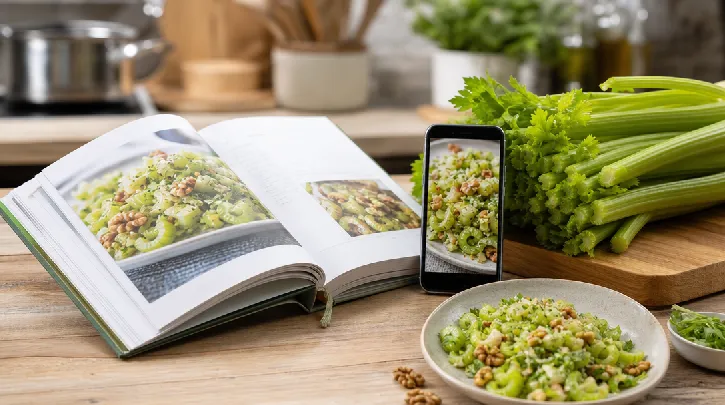
Celery cookbooks and apps provide a wealth of flavorful recipes, nutritional guidance, and innovative culinary techniques to transform this often-underestimated vegetable into a versatile star in your kitchen. They help users discover diverse applications for celery, moving beyond simple snacks to incorporate it into soups, salads, main dishes, and even beverages, enhancing both taste and health benefits.
Unlock the full potential of celery. This guide offers practical insights into leveraging both traditional cookbooks and modern digital applications. It empowers you to explore celery’s rich flavor profile and nutritional value in exciting new ways.
Discover the Best Celery Cookbooks for Culinary Inspiration
Celery cookbooks offer curated collections of recipes. These resources provide detailed instructions and ingredient lists. They often feature various cuisines and cooking methods.
Explore Niche Celery-Focused Cookbooks
Some cookbooks specifically highlight celery. They celebrate its unique crunch and subtle flavor. These books often include recipes for both celery stalks and celery root (celeriac).
“The Celery Cookbook” by Chef Amanda Stevens offers creative uses. It includes recipes for roasted celery and celery leaf pesto. Another popular option is “Cooking with Celeriac” by renowned vegetable enthusiast, Dr. Elaine Harrison, which delves into the earthy root.
Utilize General Vegetable Cookbooks with Strong Celery Sections
Many comprehensive vegetable cookbooks feature robust celery sections. These books offer a broader range of plant-based recipes. Look for titles like “The Vegetable Butcher” by Cara Mangini.
Mangini’s book provides excellent guidance on preparing celery. It details how to clean, trim, and store celery properly. She also offers recipes like celery and apple salad.
| Cookbook Title | Primary Focus | Recipe Types | Key Features |
|---|---|---|---|
| The Celery Cookbook | Celery-centric dishes | Soups, salads, sides, drinks | Innovative celery uses; focus on flavor |
| Cooking with Celeriac | Celeriac (celery root) | Purees, gratins, roasted dishes | Explores the root’s versatility |
| The Vegetable Butcher | Vegetable preparation & cooking | Broader vegetable recipes, includes celery | Detailed prep guides; seasonal recipes |
Explore Top Celery Recipe Apps for On-the-Go Cooking
Recipe apps bring celery inspiration to your fingertips. They offer searchable databases and personalized meal plans. Many provide nutritional information and step-by-step guides.
Leverage Popular Recipe Apps with Robust Search Functions
Apps like Allrecipes and BigOven host millions of recipes. Users can search specifically for “celery recipes.” These platforms often include user reviews and ratings.
Allrecipes allows filtering by diet, such as vegetarian or low-carb. BigOven offers meal planning tools. Both are excellent for discovering new celery dishes.
Discover Dedicated Healthy Eating and Ingredient-Focused Apps
Some apps specialize in healthy eating or ingredient-specific searches. Yummly helps users find recipes based on ingredients they have. Forks Over Knives focuses on plant-based cooking.
Yummly’s smart search can suggest recipes using celery you already have. Forks Over Knives provides numerous whole-food, plant-based celery recipes. These are great for health-conscious cooks.
| App Name | Platform (iOS/Android) | Key Features | Cost Model |
|---|---|---|---|
| Allrecipes Dinner Spinner | iOS, Android | Large recipe database, user reviews, meal planning | Free with premium subscription options |
| BigOven | iOS, Android | Recipe organizer, grocery list, meal planner | Free with BigOven Pro subscription |
| Yummly | iOS, Android | Personalized recipe recommendations, ingredient search | Free with premium subscription options |
| Forks Over Knives | iOS, Android | Plant-based recipes, meal plans, shopping lists | Paid app |
Understand the Nutritional Benefits of Incorporating Celery into Your Diet
Celery offers significant health benefits. It is low in calories and rich in nutrients. Consuming celery supports overall wellness.
Celery is approximately 95% water. This makes it an excellent food for hydration. It contains essential electrolytes, which aid bodily functions.
This crisp vegetable is a good source of fiber. Fiber promotes healthy digestion. It helps maintain bowel regularity.
Antioxidants are abundant in celery. These compounds fight free radicals in the body. They reduce oxidative stress.
Celery contains important vitamins and minerals. These include Vitamin K, Vitamin C, folate, and potassium. These nutrients support bone health, immunity, and blood pressure regulation.
Apigenin and luteolin are specific flavonoids found in celery. These compounds possess anti-inflammatory properties. They contribute to reduced inflammation throughout the body.
“Celery is truly a nutritional powerhouse disguised as a simple vegetable,” states Dr. Elizabeth A. Johnson, a registered dietitian and author. “Its high water content and fiber make it incredibly satiating, while its potent antioxidants offer broad protective benefits.”
A study published in the Journal of Agricultural and Food Chemistry highlighted celery’s potential. It noted its significant antioxidant capacity. These findings support celery’s role in a healthy diet.
Master Essential Celery Preparation Techniques for Optimal Flavor
Proper preparation enhances celery’s taste and texture. Cleaning, chopping, and storing it correctly are key steps. These techniques ensure the best culinary results.
Thoroughly Clean Celery Stalks and Leaves
Rinse celery stalks under cold running water. Remove any visible dirt or debris. Pay attention to the inner stalks and crevices.
You can also use a vegetable brush for tougher spots. Gently pat the celery dry with a paper towel. This prevents excess water from diluting flavors.
Learn Various Chopping Methods for Different Dishes
For salads, slice celery thinly crosswise. This creates small, crisp pieces. Use a diagonal cut for a more elegant presentation in stir-fries.
Dice celery for soups, stews, and mirepoix. Cut the stalks into uniform small cubes. This ensures even cooking. For juicing, simply cut stalks into manageable lengths for your juicer.
Store Celery Properly to Maintain Freshness and Crunch
Wrap whole celery stalks tightly in aluminum foil. Store them in the refrigerator’s crisper drawer. This method helps retain moisture and prevents wilting.
Celery can stay fresh for several weeks this way. Avoid storing it in plastic bags. Plastic traps ethylene gas, which speeds up spoilage.
Uncover Innovative Ways to Use Celery Beyond Basic Snacks
Celery is incredibly versatile. It extends far beyond a simple raw snack. Explore creative culinary applications.
Roast or Braise Celery for a Rich, Earthy Flavor
Roasting celery transforms its texture. It becomes tender and slightly caramelized. Toss celery stalks with olive oil, salt, and pepper.
Roast at 400°F (200°C) until tender-crisp. Braising celery in broth or wine also mellows its flavor. It creates a sophisticated side dish.
Incorporate Celery into Soups, Stews, and Sauces
Celery is a foundational ingredient in many aromatic bases. It forms part of the classic mirepoix (celery, carrots, onions). This adds depth to stocks, soups, and stews.
Finely chopped celery can thicken sauces naturally. It imparts a subtle savory note. Use it in tomato sauces or gravies.
Experiment with Celery Root (Celeriac) for Diverse Textures
Celeriac offers a nutty, earthy flavor. It has a starchy texture. Peel and cube celeriac for roasting alongside other root vegetables.
Mash boiled celeriac for a lighter alternative to mashed potatoes. Shave raw celeriac thinly for salads. It adds a refreshing crunch.
Create Unique Drinks and Condiments with Celery
Celery juice is a popular health tonic. It provides hydration and nutrients. Combine celery with green apples and ginger for a vibrant juice blend.
Celery leaves can be used in pesto. Blend them with nuts, cheese, garlic, and olive oil. Celery salt is another simple condiment. It adds a savory, slightly salty kick.
Address Common Challenges and Solutions When Cooking with Celery
Cooking with celery presents a few common issues. Understanding these challenges helps in preparing better dishes. Simple solutions often resolve them.
Manage Celery’s Stringiness for Smoother Textures
Celery can be stringy due to its fibrous nature. To reduce stringiness, peel the outer stalks. Use a vegetable peeler to remove tough fibers. This is especially helpful for raw preparations or purees.
Another method is to cut celery against the grain. This shortens the fibers. It makes the celery less stringy to chew. Cooking celery thoroughly also softens its fibers.
Counteract Bitterness in Celery
Some celery stalks can taste bitter. Younger, inner stalks are generally less bitter. Choose these for dishes where bitterness is undesirable.
Soaking bitter celery in ice water for 15-30 minutes can reduce bitterness. Adding a touch of sweetness, like apple or honey, to a dish also balances the flavor. Roasting celery can also mellow out any bitterness.
Prevent Celery from Wilting Too Quickly
Wilting occurs when celery loses moisture. Proper storage is crucial to prevent this. As mentioned, wrapping celery tightly in foil helps.
If celery has already wilted, you can revive it. Submerge the stalks in a bowl of ice water for an hour. This rehydrates the cells. The celery will regain some crispness.
Select the Freshest Celery for Best Results
Always choose celery with crisp, firm stalks. They should snap easily when bent. Avoid stalks that are rubbery or soft.
The leaves should appear vibrant green and fresh. Yellow or wilting leaves indicate older celery. Look for a pale to medium green color overall.
Frequently Asked Questions About Celery Cookbooks and Apps
What are the primary benefits of using celery cookbooks?
Celery cookbooks offer structured recipes and cooking guidance. They help users explore diverse celery applications. These resources often provide techniques for preparing celery properly, ensuring delicious results.
How do celery recipe apps differ from traditional cookbooks?
Recipe apps offer instant access and searchable databases. They often include features like meal planning, grocery lists, and nutritional information. Cookbooks provide a tactile experience and curated collections without digital features.
Can celery leaves be used in cooking, or should they be discarded?
Celery leaves are entirely edible and flavorful. They can be used as a garnish, added to salads, or incorporated into stocks and soups for a herbaceous note. Avoid discarding them as they add a fresh, slightly bitter depth to dishes.
Is celeriac the same as regular celery?
Celeriac, also known as celery root, is a different variety of celery grown for its edible root. While related, its flavor is earthier and nuttier, and its texture is starchy, unlike the crisp stalks of common celery.
What are some common celery substitutes if I don’t have it on hand?
Depending on the recipe, good celery substitutes include carrots (for sweetness and crunch), bell peppers (for crunch and freshness), or fennel (for a similar aromatic quality). Water chestnuts or jicama can also provide a comparable crisp texture.
Conclusion: Embrace the Versatility of Celery in Your Kitchen
Celery cookbooks and apps are invaluable tools. They unlock the full culinary potential of celery. From classic soups to innovative new dishes, these resources provide endless inspiration.
Embrace celery’s nutritional benefits and adaptable flavor. Integrate it into your daily meals. You will discover a delicious path to healthier eating.
Disclaimer: The information provided in this article is for general informational purposes only and does not constitute medical or nutritional advice. Always consult with a qualified healthcare professional or registered dietitian for personalized advice regarding your health and dietary needs.
Explore Related Content
- Health resources
- Recipes
- Signs of Celery Allergy in Pets: What Symptoms to Watch For and How to React
- Pet Choking on Celery or Bad Reaction: Your First Aid Guide
- Can Eating Celery Interfere with Blood-Thinning Medications or Thyroid Function? Navigating Food-Drug Interactions
- How Celery’s High Fiber Content Specifically Aids Digestion and Relieves Constipation: Your Guide to Gut Health
- Conventional, Organic, and Biodynamic Celery: Unearthing the Differences and Nutrient Density
