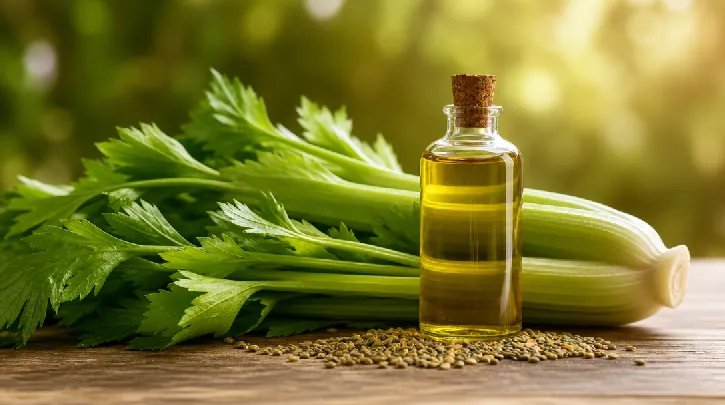
Celery essential oil, primarily extracted from the seeds of the Apium graveolens plant, offers a remarkable array of wellness benefits and versatile applications. This potent botanical extract, revered for its distinct aroma and therapeutic properties, can profoundly support digestive health, ease discomfort, and promote a sense of calm and well-being. Its efficacy stems from a unique blend of chemical compounds that interact synergistically with the body, providing a natural approach to various health concerns.
Beyond its well-known culinary role, celery holds a rich history in traditional medicine, where its seeds, leaves, and stalks were utilized for their medicinal attributes. Modern scientific inquiry now validates many of these ancient practices, shedding light on how this concentrated oil can be a valuable addition to a holistic lifestyle. Understanding its benefits and proper application is key to harnessing its full potential.
What Exactly is Celery Essential Oil?
Celery essential oil is a highly concentrated liquid extracted through the process of steam distillation, primarily from the ripe seeds of the celery plant (Apium graveolens). This method carefully separates the volatile aromatic compounds from the plant material, resulting in a pure, potent oil. The oil possesses a warm, slightly spicy, herbaceous, and sweet aroma that is often described as grounding and uplifting.
The distinctive aroma and therapeutic effects of celery essential oil are attributed to its complex chemical composition. Key components include limonene, beta-selinene, and alpha-selinene. Limonene, a monoterpene, is widely studied for its antioxidant and anti-inflammatory properties, while the selinenes contribute to the oil’s unique scent and potential sedative effects.
Historical and Traditional Uses of Celery
Celery’s medicinal journey dates back centuries, long before its essential oil became widely known. Ancient Egyptian, Roman, and Greek cultures valued celery not just as food, but also for its health-supporting qualities. Traditional Ayurvedic and Chinese medicine systems frequently employed celery seeds to address digestive issues, alleviate pain, and promote detoxification.
Historically, celery was used as a diuretic, a carminative for gas relief, and an anti-inflammatory agent for conditions like arthritis and gout. These traditional applications laid the groundwork for contemporary research into the isolated essential oil, validating its potential to offer similar benefits in a more concentrated form.
Key Benefits of Celery Essential Oil
The array of benefits offered by celery essential oil is truly impressive, making it a versatile addition to any natural wellness toolkit. From supporting internal systems to soothing external discomforts, its therapeutic profile is broad and impactful.
Digestive Support
One of the most well-regarded benefits of celery essential oil is its ability to support healthy digestion. The oil’s components, particularly limonene, can help stimulate digestive enzymes and promote the healthy flow of bile, which is crucial for breaking down fats and absorbing nutrients. This can lead to more efficient digestion and reduced feelings of sluggishness after meals.
It acts as a carminative, meaning it can help alleviate gas and bloating by relaxing the smooth muscles of the digestive tract. Many individuals find that diffusing celery essential oil or applying it topically to the abdomen (diluted) provides significant relief from occasional digestive discomfort.
Anti-inflammatory Properties
Chronic inflammation is at the root of many health issues. Celery essential oil contains compounds that exhibit significant anti-inflammatory effects. Research suggests that its constituents, such as limonene and certain phthalides, may help modulate the body’s inflammatory responses, offering relief for various inflammatory conditions.
This anti-inflammatory action makes celery essential oil a popular choice for individuals seeking natural support for joint pain, muscle soreness, and other discomforts associated with inflammation. A diluted topical application can provide targeted relief to affected areas.
Diuretic Effects
Celery essential oil is known for its natural diuretic properties, which can assist the body in eliminating excess water and toxins. This makes it beneficial for supporting kidney function and reducing water retention. It encourages the healthy flow of urine, which helps cleanse the urinary system.
For those experiencing temporary bloating due to water retention, incorporating celery essential oil into their routine, either through diffusion or diluted topical application, may offer a gentle and natural solution. Always ensure adequate hydration when using diuretics.
Relaxation and Sleep Aid
The calming aroma and chemical profile of celery essential oil contribute to its ability to promote relaxation and improve sleep quality. Compounds like the selinenes can have a gentle sedative effect on the nervous system, helping to ease tension and quiet the mind. This makes it an excellent choice for individuals struggling with occasional sleeplessness or stress.
Diffusing celery essential oil in the evening or adding a few drops to a warm bath can create a tranquil environment conducive to restful sleep. It helps to melt away the day’s stresses, preparing the body and mind for deep slumber.
Skin Health
Celery essential oil can also offer benefits for skin health, primarily due to its antioxidant and anti-inflammatory properties. It can help protect skin cells from oxidative stress caused by free radicals, which contributes to premature aging. Its soothing nature may also help calm irritated skin.
When properly diluted with a carrier oil, it can be applied to the skin to promote a healthy complexion. Its cleansing properties might also assist in managing minor skin blemishes, contributing to an overall clearer and more vibrant appearance.
Antioxidant Power
Oxidative stress, caused by an imbalance between free radicals and antioxidants in the body, can damage cells and contribute to various diseases. Celery essential oil is rich in antioxidants that help neutralize these free radicals, thereby protecting cellular integrity.
This antioxidant capacity is a significant benefit, supporting overall cellular health and contributing to the body’s natural defense mechanisms. Regularly incorporating antioxidant-rich botanicals like celery essential oil can play a role in maintaining long-term wellness.
Pain Relief
Due to its anti-inflammatory and antispasmodic properties, celery essential oil can be a valuable aid in managing various types of pain. It may help reduce the discomfort associated with muscle cramps, joint stiffness, and headaches. The oil works by relaxing muscle spasms and reducing inflammation at the site of pain.
Applying a diluted blend of celery essential oil to sore muscles or temples can provide soothing relief. Many people find it particularly useful for post-workout recovery or chronic conditions causing localized discomfort. “The synergistic action of compounds like limonene and beta-selinene in celery essential oil provides a comprehensive approach to pain management, addressing both the inflammatory response and muscle tension,” states Dr. Eleanor Vance, a botanist and researcher specializing in natural compounds at the University of California, Davis.
Detoxification Support
The diuretic action of celery essential oil naturally supports the body’s detoxification pathways. By promoting increased urination, it aids in the elimination of metabolic waste products and toxins from the body. This helps lighten the load on the kidneys and liver, allowing them to function more efficiently.
Supporting detoxification is crucial for maintaining overall health and vitality. Incorporating celery essential oil can be part of a broader detoxification strategy, assisting the body in its natural cleansing processes.
Respiratory Support
While not its primary application, celery essential oil can offer some support for respiratory health. Its calming and anti-inflammatory properties may help soothe irritated airways and ease occasional congestion.
Diffusing the oil can create an aromatic environment that promotes clear breathing, especially during seasonal challenges. The herbaceous aroma can also have an uplifting effect, which can be beneficial when experiencing respiratory discomfort.
Insect Repellent
Certain components within celery essential oil, particularly limonene, possess properties that can act as a natural insect repellent. While it may not be as potent as some conventional repellents, it can offer a gentler, natural alternative for deterring mosquitoes and other biting insects.
For outdoor activities, a diluted spray containing celery essential oil can be applied to clothing or exposed skin (after a patch test) to help keep pests at bay. This offers a botanical option for those looking to avoid synthetic chemicals.
Aromatic Benefits
Beyond its physical benefits, the unique aroma of celery essential oil offers significant emotional and mental advantages. Its grounding yet uplifting scent can help reduce feelings of stress and anxiety, promoting emotional balance and mental clarity.
The aromatic compounds interact with the olfactory system, directly impacting the limbic system of the brain, which is responsible for emotions and memory. Diffusing celery essential oil during periods of mental fatigue or emotional distress can provide a sense of calm and renewed focus.
Applications of Celery Essential Oil
Understanding how to properly apply celery essential oil is crucial to safely and effectively harness its benefits. Always prioritize dilution and proper methods of use.
Aromatherapy (Diffusion)
Diffusion is a popular and effective way to experience the aromatic and atmospheric benefits of celery essential oil. Using an ultrasonic diffuser, add 3-5 drops of celery essential oil to the water reservoir. The diffuser will disperse a fine mist of the oil into the air, allowing you to inhale its therapeutic compounds.
This method is excellent for promoting relaxation, supporting respiratory health, purifying the air, and enhancing mood. Diffuse in bedrooms for sleep, living areas for a calming atmosphere, or even home offices for focus.
Topical Application
Applying celery essential oil directly to the skin allows for localized absorption and targeted benefits. However, essential oils are highly concentrated and must always be diluted with a carrier oil before topical use to prevent skin irritation. Common carrier oils include jojoba, almond, fractionated coconut, or grapeseed oil.
A general guideline for adults is a 2-3% dilution: add 12-18 drops of essential oil per ounce (30ml) of carrier oil. Apply the diluted blend to areas of concern, such as sore muscles, joints, or the abdomen for digestive support. Always perform a patch test on a small area of skin before widespread application.
Internal Use
The internal use of essential oils, including celery essential oil, should be approached with extreme caution and only under the guidance of a qualified and experienced healthcare professional. Essential oils are incredibly potent and can interact with medications or have adverse effects if not used correctly.
If recommended by an expert, internal use might involve placing a single drop in a glass of water, a vegetable capsule, or under the tongue. However, for most individuals, topical application and diffusion offer safe and effective ways to experience the benefits of celery essential oil.
DIY Blends and Recipes
Celery essential oil blends well with a variety of other essential oils, creating synergistic effects and enhanced aromas. Here are a few ideas:
- Relaxing Diffuser Blend: 3 drops Celery Seed, 2 drops Lavender, 1 drop Roman Chamomile.
- Digestive Support Rollerball: 6 drops Celery Seed, 4 drops Peppermint, 2 drops Ginger, topped with 10ml Fractionated Coconut Oil.
- Soothing Muscle Rub: 5 drops Celery Seed, 3 drops Marjoram, 2 drops Frankincense, mixed with 1 tablespoon of unscented lotion or shea butter.
- Calming Bath Blend: 5 drops Celery Seed, 3 drops Bergamot, diluted in 1 cup of Epsom salts before adding to bathwater.
Safety Precautions and Contraindications
While natural, essential oils are powerful and require respectful handling. Always adhere to safety guidelines to prevent adverse reactions.
- Dilution: Always dilute celery essential oil with a carrier oil before applying it to the skin. Neat application can cause irritation.
- Patch Test: Before widespread topical use, apply a small amount of diluted oil to a discreet area of skin (e.g., inner forearm) and wait 24 hours to check for any adverse reactions like redness, itching, or irritation.
- Pregnancy and Breastfeeding: Pregnant or breastfeeding individuals should consult with a healthcare professional before using celery essential oil. Some essential oils are contraindicated during these periods.
- Children: Essential oils should be used with extreme caution on children and only under the guidance of a qualified aromatherapist or pediatrician. Dilution rates should be significantly lower.
- Medical Conditions and Medications: If you have a medical condition, such as kidney disease or are taking medications (especially blood thinners or diuretics), consult your doctor before using celery essential oil. Its diuretic properties might interact with certain drugs.
- Photosensitivity: While celery seed essential oil is generally not considered highly photosensitizing, some individuals may experience sensitivity. It’s wise to avoid direct sun exposure on areas where the oil has been applied for at least 12 hours.
- Quality: Always purchase 100% pure, unadulterated celery essential oil from a reputable supplier to ensure safety and efficacy.
Choosing a Quality Celery Essential Oil
The market for essential oils can be overwhelming. Ensuring you select a high-quality celery essential oil is paramount for safety and to experience its full therapeutic benefits. Look for companies that provide transparency in their sourcing and testing.
- Purity: Opt for oils labeled 100% pure essential oil, with no added fillers, synthetic fragrances, or carrier oils.
- Botanical Name: Verify the botanical name Apium graveolens (seed oil) to ensure you are getting true celery seed essential oil.
- Sourcing: Reputable companies will provide information on where their plants are grown and harvested, indicating ethical and sustainable practices.
- Extraction Method: Confirm that the oil is steam distilled, as this is the standard method for extracting quality celery seed essential oil.
- Third-Party Testing: Look for companies that conduct third-party testing (e.g., GC/MS reports) to verify the oil’s purity and chemical composition. These reports should be accessible to consumers.
- Packaging: Essential oils should be stored in dark glass bottles (amber or cobalt blue) to protect them from UV light, which can degrade the oil’s quality.
Celery Seed vs. Celery Leaf Essential Oil
While both come from the same plant, essential oils distilled from the seeds and leaves of celery have distinct profiles and uses. Understanding these differences can help you choose the right oil for your needs.
| Feature | Celery Seed Essential Oil | Celery Leaf Essential Oil |
|---|---|---|
| Primary Source | Dried, ripe celery seeds | Fresh celery leaves |
| Aroma | Warm, herbaceous, slightly spicy, sweet, earthy | Greener, fresher, herbaceous, slightly sharper, more vegetal |
| Chemical Profile | Higher in limonene, beta-selinene, phthalides | Higher in alpha-pinene, myrcene, beta-caryophyllene |
| Primary Benefits | Digestive support, anti-inflammatory, diuretic, relaxation, pain relief | Often used for fresh, green aroma in perfumery; less studied therapeutically as an essential oil |
| Availability | More commonly available and widely studied for therapeutic use | Less common as a standalone essential oil, more often found in blends or as an absolute |
| Therapeutic Focus | Internal wellness, musculoskeletal support, calming | Aromatic enhancement, potentially some general wellness support |
Frequently Asked Questions About Celery Essential Oil
What is celery essential oil good for?
Celery essential oil is highly regarded for its ability to support digestive health, reduce inflammation, act as a natural diuretic, promote relaxation and sleep, and provide antioxidant protection. It is also used for pain relief and detoxification support.
How do you use celery essential oil for sleep?
To use celery essential oil for sleep, diffuse 3-5 drops in an ultrasonic diffuser in your bedroom about 30 minutes before bedtime. You can also dilute 2-3 drops in a teaspoon of carrier oil and gently massage it onto your chest or the bottoms of your feet.
Is celery seed oil the same as celery essential oil?
Yes, typically when people refer to “celery essential oil” in a therapeutic context, they are referring to the oil extracted from the seeds of the celery plant, which is also known as celery seed oil. This is the most common and therapeutically studied form of celery essential oil.
Can celery essential oil be taken internally?
Internal use of celery essential oil should only be done under the strict guidance of a qualified healthcare professional or certified aromatherapist. Essential oils are very potent, and improper internal use can lead to adverse effects.
What does celery essential oil blend well with?
Celery essential oil blends beautifully with other herbaceous, citrus, and woody oils. Good blending partners include lavender, bergamot, frankincense, sandalwood, ginger, peppermint, lemon, and marjoram, enhancing both aroma and therapeutic effects.
Conclusion
Celery essential oil stands out as a powerful botanical ally, offering a multifaceted approach to natural wellness. From its profound ability to soothe digestive discomfort and mitigate inflammation to its capacity for promoting deep relaxation and aiding the body’s detoxification processes, its benefits are truly comprehensive. By understanding its chemical makeup and respecting proper application methods, individuals can safely and effectively integrate this remarkable oil into their daily routines. Embracing celery essential oil means tapping into centuries of traditional wisdom, now supported by modern insights, to cultivate a more balanced and vibrant state of health.
Disclaimer: The information provided in this article is for educational purposes only and is not intended as medical advice. Always consult with a qualified healthcare professional before starting any new treatment or making changes to your current healthcare regimen, especially if you have a medical condition, are pregnant, nursing, or taking medications. Essential oils are potent and should be used with caution and proper dilution. Do not ingest essential oils without professional guidance.
Explore Related Content
- more on Aromatherapy
- Health resources
- How Celery’s High Fiber Content Specifically Aids Digestion and Relieves Constipation: Your Guide to Gut Health
- Celery vs. Dental Chews: Comparing Effectiveness for Pet Oral Hygiene and Safety
- My Pet Ate Wild Celery: Identifying Toxic Varieties and Emergency Steps
- Signs of Celery Allergy in Pets: What Symptoms to Watch For and How to React
- Pet Choking on Celery or Bad Reaction: Your First Aid Guide
