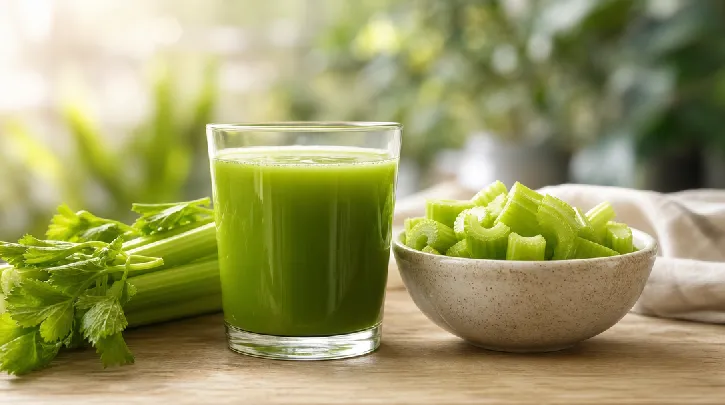
Deciding between celery juice and whole celery often boils down to a fundamental question: do you prioritize concentrated nutrients or comprehensive fiber? While both forms offer valuable health benefits, whole celery retains its essential fiber, which is largely removed during juicing. This means whole celery excels in supporting digestive health, promoting satiety, and regulating blood sugar, whereas celery juice offers a rapid, concentrated dose of certain vitamins, minerals, and potent plant compounds for quicker absorption.
Understanding these differences is key to making an informed choice that aligns with your specific health goals. This isn’t just about what tastes better or is easier to consume; it’s about optimizing your intake for maximum impact, whether that’s bolstering gut health, reducing inflammation, or supporting overall well-being. We’ll explore the unique advantages each offers, helping you navigate the options like a seasoned wellness pro.
Understanding Celery: The Core Plant
Celery, scientifically known as Apium graveolens, is a humble vegetable with a surprisingly rich nutritional profile. It’s renowned for its crisp texture and distinctive flavor, often used as a staple in kitchens across the United States. Beyond its culinary appeal, celery is packed with essential nutrients.
This verdant stalk provides a good source of vitamins K, C, and A, along with folate and potassium. Crucially, celery also contains powerful antioxidants and anti-inflammatory compounds like phthalides, flavonoids, and polyphenols. These beneficial components contribute to its widespread health recognition.
The Case for Whole Celery: Fiber is King
When you consume whole celery, you’re getting the complete package, most notably its abundant fiber content. Fiber is a non-digestible carbohydrate that plays a crucial role in maintaining optimal health.
Celery contains both insoluble fiber and soluble fiber. Insoluble fiber adds bulk to your stool, aiding in regular bowel movements and preventing constipation, while soluble fiber dissolves in water to form a gel-like substance that can help lower cholesterol and regulate blood sugar levels.
Digestive Health and the Gut Microbiome
The fiber in whole celery acts as a natural broom for your digestive system. It promotes regularity and helps prevent common issues like constipation and bloating. This roughage is vital for maintaining a healthy gastrointestinal tract.
Moreover, soluble fiber serves as a prebiotic, feeding the beneficial bacteria in your gut. A thriving gut microbiome is linked to improved immunity, better nutrient absorption, and even enhanced mood. Consuming whole celery directly supports this delicate ecosystem.
Satiety and Weight Management
Thanks to its high water and fiber content, whole celery is incredibly filling. Eating it helps you feel satisfied without consuming a large number of calories. This makes it an excellent snack for those looking to manage their weight or reduce overall calorie intake.
The chewing required for whole celery also contributes to satiety signals sent to your brain, further enhancing the feeling of fullness. This simple act can reduce the likelihood of overeating at subsequent meals.
Blood Sugar Regulation
The fiber in whole celery helps slow down the absorption of sugar into the bloodstream. This prevents rapid spikes and crashes in blood glucose levels, which is particularly beneficial for individuals managing diabetes or seeking to maintain stable energy throughout the day.
Steady blood sugar levels can also curb cravings and support consistent energy, avoiding the “sugar rush” and subsequent fatigue. This makes whole celery a smart choice for a balanced diet.
Chewing Benefits and Nutrient Profile
The act of chewing whole celery stimulates saliva production, which is the first step in digestion and helps clean teeth. Beyond fiber, whole celery provides the full spectrum of its micronutrients, including trace minerals and phytonutrients, which might be partially lost or altered during processing. These include potent antioxidants like luteolin and apigenin, found in greater concentrations when the whole stalk is consumed.
The Appeal of Celery Juice: A Concentrated Elixir
Celery juice has skyrocketed in popularity, lauded by many as a powerful health tonic. The primary difference from whole celery is the absence of pulp, meaning the fiber has been removed. This process concentrates the liquid content, delivering a different set of benefits.
Concentrated Nutrients and Easy Absorption
When celery is juiced, the fiber is extracted, leaving behind a liquid rich in vitamins, minerals, and plant compounds. This concentrated form allows for quicker absorption of these nutrients into the bloodstream, as the digestive system doesn’t need to break down the fibrous material. Many proponents suggest this makes the nutrients more bioavailable.
A single glass of celery juice can contain the nutritional equivalent of several stalks of whole celery. This rapid delivery is often cited as a reason for its perceived effectiveness in addressing various health concerns.
Hydration and Specific Compounds
Celery juice is over 95% water, making it an excellent source of hydration. Adequate hydration is crucial for every bodily function, from nutrient transport to temperature regulation. Drinking celery juice can contribute significantly to your daily fluid intake.
The juice also concentrates specific phytonutrients like phthalides, which may help relax arterial walls and support healthy blood pressure, and polyacetylenes, which are being studied for their potential anti-inflammatory properties.
Addressing Inflammation and Antioxidant Power
Celery juice is particularly lauded for its potential anti-inflammatory and antioxidant benefits. The concentration of flavonoids and other phenolic compounds in the juice may help combat oxidative stress and reduce inflammation throughout the body.
While research is ongoing, these compounds are known to play a role in protecting cells from damage caused by free radicals. This has led many to incorporate celery juice into their routines to support conditions associated with chronic inflammation.
Detoxification Claims and Anecdotal Evidence
Many advocates of celery juice, particularly in the wellness community, promote it as a powerful detoxifier. While the human body has its own highly efficient detoxification systems (liver, kidneys), celery juice’s hydrating and nutrient-rich properties may support these natural processes. However, attributing “detoxification” solely to celery juice often lacks rigorous scientific backing.
The rise of celery juice has been fueled largely by anecdotal accounts of improved skin, digestion, and energy. While personal experiences are valuable, it’s important to differentiate them from conclusions drawn from peer-reviewed scientific studies. More robust clinical trials are needed to substantiate many of the specific claims.
Key Differences: A Side-by-Side Comparison
To help you decide which form best suits your needs, here’s a comparison of celery juice and whole celery:
| Feature | Whole Celery | Celery Juice |
|---|---|---|
| Fiber Content | High (both soluble and insoluble) | Very Low (fiber removed) |
| Nutrient Concentration | Balanced, spread out | Concentrated (liquid nutrients) |
| Impact on Digestion | Promotes bowel regularity, supports gut microbiome | May be easier to digest for some, rapid absorption |
| Satiety | High (due to fiber and chewing) | Lower (liquid calories, less chewing) |
| Blood Sugar Regulation | Helps stabilize (due to fiber) | May cause slight, faster rise (lack of fiber) |
| Preparation Time | Minimal (wash and chop) | Requires juicing machine, more clean-up |
| Cost per Serving | Generally lower | Generally higher (requires more celery stalks) |
| Experience | Crunchy, fibrous, requires chewing | Smooth, liquid, quick to consume |
Who Benefits Most from Each?
The choice between celery juice and whole celery largely depends on individual health goals and dietary needs. Both have their place in a healthy diet, but they serve different purposes.
Benefits of Whole Celery
Whole celery is ideal for:
- Individuals focused on digestive health and regularity.
- Those looking to increase their fiber intake.
- People aiming for weight management due to its satiety-promoting effects.
- Anyone seeking stable blood sugar levels.
- General nutritional support and a satisfying, crunchy snack.
Benefits of Celery Juice
Celery juice may be more beneficial for:
- Those seeking a quick and concentrated nutrient boost.
- Individuals with compromised digestion who struggle with fiber, allowing for easier nutrient absorption.
- People looking to maximize specific anti-inflammatory and antioxidant compounds.
- Athletes or active individuals needing rapid hydration and electrolyte replenishment.
- Anyone seeking to support their body’s natural detoxification processes, under the guidance of a healthcare professional.
Expert Insights and Research
Leading nutritional experts often emphasize the importance of whole foods. “While celery juice can offer a concentrated dose of vitamins and minerals, we often lose the valuable fiber which is critical for gut health, satiety, and blood sugar control,” states Dr. Laura Smith, a registered dietitian and professor of nutrition science at a prominent university. “For most people, consuming whole celery provides a more balanced nutritional package and greater digestive benefits.”
Research consistently highlights the benefits of dietary fiber. For instance, a report from the American Society for Nutrition in 2024 reaffirmed that adequate fiber intake is associated with a reduced risk of cardiovascular disease, type 2 diabetes, and certain cancers. While celery juice retains many micronutrients, it significantly reduces the fiber content, which is a crucial distinction when considering overall health benefits.
Practical Tips for Incorporating Celery
No matter your preference, there are many ways to enjoy celery and reap its benefits.
Enjoying Whole Celery
Incorporating whole celery into your diet is simple and versatile:
- Snack Power: Pair celery sticks with hummus, peanut butter, or a low-fat cream cheese for a satisfying and nutritious snack.
- Salad Booster: Chop celery into your favorite salads for added crunch and flavor.
- Cooking Staple: It’s a foundational ingredient in many soups, stews, and stir-fries, often part of a mirepoix (celery, carrots, and onions).
- Dips and Spreads: Use celery as a dipper for guacamole, salsa, or any healthy dip.
Making and Drinking Celery Juice
If you opt for celery juice, consider these tips:
- Preparation: Wash organic celery thoroughly. Cut into manageable pieces for your juicer. Juicing requires a significant amount of celery to yield a glass of juice.
- When to Drink: Many proponents suggest drinking celery juice on an empty stomach in the morning for optimal absorption.
- Add-ins: For flavor variations, a squeeze of lemon or a small piece of ginger can be added, but keep it simple to maximize the celery’s benefits.
- Freshness: Consume celery juice immediately after juicing to maximize nutrient content, as some vitamins can degrade quickly when exposed to air and light.
Addressing Concerns
Whether whole or juiced, consider these points:
- Pesticides: Celery is often listed on the Environmental Working Group’s “Dirty Dozen” list due to potential pesticide residue. Opting for organic celery is recommended, especially if juicing large quantities.
- Sodium Content: Celery naturally contains sodium. While typically not an issue for most, individuals on very low-sodium diets should be mindful of large intakes, particularly of concentrated juice.
Common Myths and Misconceptions
The popularity of celery juice has led to several myths that require clarification to ensure informed choices.
One common misconception is that celery juice cures all diseases. While celery and its juice offer numerous health benefits, it is not a magical cure-all for serious medical conditions. It should be seen as a supportive part of a healthy lifestyle, not a replacement for medical treatment.
Another myth is that celery juice has no fiber at all. While juicing significantly reduces fiber, trace amounts can still remain, especially if using a less efficient juicer. However, the vast majority of beneficial dietary fiber is indeed removed.
Finally, some believe that whole celery is too hard to digest for sensitive individuals. For most people, whole celery is easily digestible. In cases of severe digestive issues, some individuals might find juiced celery easier to tolerate initially, but the long-term benefits of fiber for gut health are paramount and should not be overlooked.
FAQ
Is celery juice better for inflammation?
Celery juice contains concentrated anti-inflammatory compounds like flavonoids and polyacetylenes, which may help reduce inflammation in the body. While whole celery also offers these benefits, juicing delivers a more potent, easily absorbed dose of these specific compounds.
Can I drink celery juice every day?
Yes, most healthy individuals can drink celery juice daily as part of a balanced diet. However, it’s important to listen to your body and consider the overall context of your nutritional intake, ensuring you still consume a wide variety of whole foods.
Does celery juice help with weight loss?
Celery juice is low in calories and hydrating, which can support weight loss efforts by promoting satiety and potentially reducing overall caloric intake. However, it is not a magic bullet and should be combined with a balanced diet and regular exercise for effective weight management.
What nutrients are lost when juicing celery?
The most significant nutrient lost when juicing celery is dietary fiber, including both soluble and insoluble types. While most vitamins and minerals are retained in the juice, some delicate enzymes and phytonutrients may also be reduced or altered during the juicing process.
Is organic celery necessary for juicing?
Due to celery’s position on the “Dirty Dozen” list for pesticide residue, choosing organic celery is highly recommended, especially when juicing. Juicing concentrates the plant material, and with it, any potential pesticide residues present on non-organic produce.
Conclusion
In the perennial debate of celery juice versus whole celery, there’s no single “winner.” Both forms of this nutritious vegetable offer distinct and valuable health benefits. Whole celery is superior for digestive health, sustained satiety, and blood sugar regulation due to its rich fiber content. On the other hand, celery juice provides a concentrated, rapidly absorbed dose of vitamins, minerals, and potent anti-inflammatory compounds, which can be beneficial for quick nutrient delivery and specific health goals.
The best approach for most people is to incorporate both forms into their diet, leveraging the unique strengths of each. Enjoy whole celery for its crunchy texture, fiber, and comprehensive nutrition in salads and snacks. Use celery juice for a concentrated boost of hydration and specific phytonutrients. Ultimately, listening to your body and aligning your celery intake with your personal health objectives will unlock the maximum benefits.
Disclaimer: The information provided in this article is for general informational purposes only and does not constitute medical advice. Always consult with a qualified healthcare professional before making any decisions about your health or treatment, especially if you have existing health conditions or are taking medications. Individual results may vary.
Explore Related Content
- Health
- Nutrition
- How Celery’s High Fiber Content Specifically Aids Digestion and Relieves Constipation: Your Guide to Gut Health
- Celery Juice for Chronic Inflammation & Gut Health: Does it Really Work?
- Does Celery Juice Cleanse Actually Detox Your Liver? The Scientific Truth Revealed
- What Specific Compounds in Celery Help Lower High Blood Pressure and Improve Cardiovascular Health? Unlock Celery’s Heart-Healthy Secrets
- Signs of Celery Allergy in Pets: What Symptoms to Watch For and How to React
