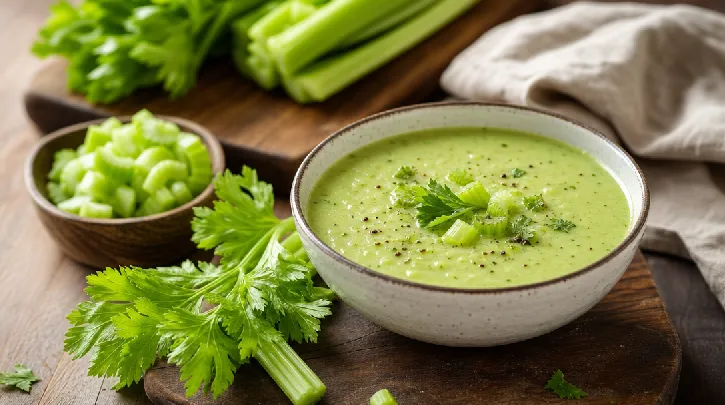
Celery, often seen as a humble crudité, holds a surprising depth of flavor and versatility that can transform everyday meals into extraordinary culinary experiences. This crisp, refreshing vegetable is far more than just a diet food or a mere garnish; it’s a foundational ingredient in countless cuisines, offering a unique blend of earthy, slightly salty, and subtly peppery notes that can elevate a wide array of dishes.
From crisp salads to hearty stews, and from refreshing juices to savory purees, understanding the various culinary applications of celery unlocks a world of flavor possibilities. This article delves into the practical uses of celery, providing real-world insights and delicious recipes that will inspire you to feature this unsung hero more prominently in your kitchen.
The Underrated Charm of Celery
Celery (Apium graveolens) has been cultivated for centuries, initially for medicinal purposes and later for its distinctive flavor. Its characteristic crunch comes from its high water content, which also makes it incredibly refreshing. While often associated with its stalks, the entire celery plant – including its leaves and seeds – is edible and boasts unique flavor profiles.
Historically, celery played a significant role in ancient remedies. Modern understanding, however, focuses on its nutritional value and culinary adaptability. Its mild yet complex flavor makes it a perfect companion for both strong and delicate ingredients, allowing it to shine in diverse culinary contexts.
Nutritional Profile of Celery
Beyond its culinary appeal, celery offers impressive health benefits. It is rich in vitamins and minerals, yet very low in calories. A single cup of chopped celery contains a minimal amount of calories but provides essential nutrients.
- Vitamins: Excellent source of Vitamin K, significant amounts of Vitamin A, and Vitamin C.
- Minerals: Contains potassium, folate, and molybdenum.
- Antioxidants: Loaded with various antioxidants, including apigenin and luteolin.
- Fiber: A good source of dietary fiber, aiding digestion.
- Hydration: Over 95% water, contributing to hydration.
These nutritional attributes make celery a smart addition to any diet, supporting overall health while adding flavor and texture to meals.
Culinary Uses: Beyond the Crudité Platter
My real-world experience has taught me that celery is one of the most hardworking vegetables in the kitchen. It’s a flavor builder, a texturizer, and a refreshing element all in one. Here’s how to harness its full potential.
Raw and Refreshing Applications
When used raw, celery provides a satisfying crunch and a clean, slightly peppery flavor that brightens dishes. It’s incredibly versatile for snacks and salads.
- Snacks: The classic “Ants on a Log” with peanut butter and raisins remains a beloved snack. Celery sticks are also perfect for dipping into hummus, guacamole, or various vegetable dips.
- Salads: Thinly sliced or finely diced celery adds a refreshing crunch and savory note to green salads, potato salads, tuna salads, and chicken salads. Its crisp texture provides a wonderful contrast to softer ingredients.
- Sandwiches: Incorporating finely chopped celery into sandwich fillings, especially egg salad or chicken salad, adds a textural dimension and freshness.
A simple yet impactful use is a refreshing side salad. Combine thinly sliced celery with apples, walnuts, and a light vinaigrette for a delightful accompaniment to richer dishes.
Cooked and Comforting Dishes
Cooking celery transforms its texture and mellows its flavor, bringing out a deeper, sweeter essence. It becomes a fantastic base for many comforting meals.
- Soups and Stews: Celery is a cornerstone of mirepoix (celery, onions, carrots), the aromatic base for countless soups, stews, and braises. It provides a foundational savory flavor that enriches the entire dish.
- Stir-fries: Adding sliced celery to stir-fries provides a pleasant crunch and absorbs the flavors of the sauce, contributing to a balanced texture profile.
- Roasting and Braising: Roasting celery stalks whole or in large pieces brings out a surprising sweetness and tender texture. Braising in broth or wine makes it incredibly tender and flavorful.
- Stuffings and Dressings: Chopped celery is an essential ingredient in many holiday stuffings, adding moisture, flavor, and texture.
The key here is to understand that cooked celery isn’t just a filler; it actively contributes to the dish’s aroma and taste. Its fibers break down, releasing subtle sweetness and an umami depth.
Flavor Enhancer and Aromatic Foundation
This is where celery truly shines as a culinary workhorse. Its role as an aromatic vegetable is indispensable in many global cuisines.
- Mirepoix: In French cuisine, mirepoix (a combination of diced carrots, onions, and celery) is the backbone of stocks, sauces, and many cooked dishes. The ratio is typically 2 parts onion, 1 part carrot, and 1 part celery.
- Holy Trinity: In Cajun and Creole cooking, the “holy trinity” consists of onions, celery, and bell peppers. This triumvirate forms the aromatic foundation for gumbos, jambalayas, and étouffées, providing a distinctive flavor profile.
- Stocks and Broths: Whole or coarsely chopped celery stalks are crucial for making flavorful vegetable, chicken, or beef stocks. They impart a clean, savory depth without overpowering other ingredients.
“For any chef worth their salt, understanding the foundational role of aromatics like celery is paramount,” says Chef Thomas Keller, renowned for his exquisite French Laundry restaurant. “It’s the silent hero that builds the flavor story of a dish from the ground up.”
Juicing and Smoothies
Celery juice has gained immense popularity for its purported health benefits. It offers a refreshing, slightly salty, and earthy drink.
- Pure Celery Juice: Many prefer to juice celery on its own for a potent nutritional boost.
- Mixed Juices: Celery pairs well with apples, cucumbers, ginger, and lemon in mixed vegetable and fruit juices.
- Smoothies: Adding a stalk or two of celery to a green smoothie can provide nutrients, fiber, and a fresh taste without significantly altering the sweetness.
Always wash celery thoroughly before juicing or adding to smoothies to remove any dirt or residue.
Celery Leaves and Seeds
Don’t discard the leaves! They are packed with flavor and have their own culinary applications. Celery seeds, too, offer a pungent, slightly bitter spice.
- Celery Leaves: The inner, more tender leaves can be treated like a delicate herb. Use them as a garnish for soups and salads, or chop them into vinaigrettes. They have a more concentrated celery flavor than the stalks.
- Celery Seeds: These small, potent seeds are used as a spice, often found in pickling spices, rubs for meats, and some breads. They have a strong celery flavor and are best used sparingly.
Celery seeds are also the source of celery salt, a popular seasoning blend often used on hot dogs, popcorn, and in Bloody Marys.
Delicious Celery Recipes to Try
Here are some of my go-to recipes that highlight celery in its various delicious forms, offering both classic comfort and fresh innovation.
1. Simple Celery and Apple Salad with Walnuts
This salad celebrates the crisp texture and refreshing flavor of raw celery.
Ingredients:
- 4 celery stalks, thinly sliced on the bias
- 2 medium apples (Fuji or Honeycrisp), cored and diced
- ½ cup toasted walnuts, roughly chopped
- ¼ cup fresh parsley, chopped
- 2 tablespoons olive oil
- 1 tablespoon apple cider vinegar
- 1 teaspoon Dijon mustard
- Salt and black pepper to taste
Instructions:
- In a large bowl, combine sliced celery, diced apples, walnuts, and parsley.
- In a small bowl, whisk together olive oil, apple cider vinegar, Dijon mustard, salt, and pepper to create the dressing.
- Pour the dressing over the salad ingredients and toss gently to coat.
- Serve immediately as a light lunch or a refreshing side dish.
2. Creamy Celery Soup
A comforting and flavorful soup that showcases the mellow, sweet notes of cooked celery.
Ingredients:
- 4 cups chopped celery (about 6-8 stalks)
- 1 medium onion, chopped
- 2 tablespoons butter
- 4 cups vegetable broth
- 1 cup milk (whole or 2%)
- ¼ cup heavy cream (optional, for extra richness)
- Salt and white pepper to taste
- Fresh celery leaves or chives for garnish
Instructions:
- In a large pot, melt butter over medium heat. Add chopped onion and cook until softened, about 5 minutes.
- Add chopped celery and cook for another 8-10 minutes, stirring occasionally, until slightly tender.
- Pour in the vegetable broth and bring to a simmer. Cook for 15-20 minutes, or until celery is very tender.
- Remove from heat. Using an immersion blender, carefully blend the soup until smooth. Alternatively, transfer in batches to a regular blender and blend until smooth (be cautious with hot liquids).
- Return the pureed soup to the pot. Stir in milk and heavy cream (if using). Heat gently until warmed through, but do not boil.
- Season with salt and white pepper. Serve hot, garnished with fresh celery leaves or chives.
3. Quick Celery and Shrimp Stir-fry
This recipe highlights celery’s ability to add crunch and absorb savory stir-fry flavors.
Ingredients:
- 1 lb large shrimp, peeled and deveined
- 4 celery stalks, sliced ¼-inch thick on the bias
- 1 bell pepper (any color), sliced
- 2 cloves garlic, minced
- 1-inch ginger, grated
- 2 tablespoons soy sauce
- 1 tablespoon oyster sauce (or more soy sauce for vegetarian)
- 1 teaspoon sesame oil
- 1 teaspoon cornstarch
- 2 tablespoons vegetable oil
- Cooked rice for serving
Instructions:
- In a small bowl, whisk together soy sauce, oyster sauce, sesame oil, and cornstarch. Set aside.
- Heat vegetable oil in a large wok or skillet over medium-high heat. Add shrimp and stir-fry for 2-3 minutes until pink and cooked through. Remove shrimp from the wok and set aside.
- Add sliced celery and bell pepper to the wok. Stir-fry for 3-4 minutes until vegetables are crisp-tender.
- Add minced garlic and grated ginger to the wok and stir-fry for 30 seconds until fragrant.
- Return cooked shrimp to the wok. Give the sauce mixture a quick whisk and pour it over the shrimp and vegetables. Stir constantly until the sauce thickens and coats everything, about 1-2 minutes.
- Serve immediately over steamed rice.
4. Braised Celery with Lemon and Parmesan
A sophisticated side dish that transforms celery into a tender, flavorful delicacy.
Ingredients:
- 6 large celery stalks, cut into 3-inch pieces
- 2 tablespoons olive oil
- 1 clove garlic, thinly sliced
- ½ cup chicken or vegetable broth
- Juice of ½ lemon
- 2 tablespoons grated Parmesan cheese
- Salt and black pepper to taste
- Fresh parsley, chopped, for garnish
Instructions:
- Heat olive oil in a large skillet with a lid over medium heat. Add celery pieces and cook, stirring occasionally, for 5-7 minutes until lightly browned.
- Add sliced garlic and cook for another minute until fragrant.
- Pour in the broth, bring to a simmer, then reduce heat to low. Cover the skillet and braise for 15-20 minutes, or until celery is very tender.
- Remove the lid and increase heat to medium-high. Cook for a few more minutes, allowing any remaining liquid to reduce slightly.
- Stir in lemon juice and season with salt and pepper.
- Transfer to a serving dish, sprinkle with Parmesan cheese and fresh parsley. Serve warm.
5. Celery Root (Celeriac) Puree
Don’t forget celery’s often-overlooked cousin, celery root, or celeriac, which offers an entirely different culinary experience. This puree is a fantastic alternative to mashed potatoes.
Ingredients:
- 1 large celery root (celeriac), about 1.5 lbs, peeled and diced
- 2 tablespoons butter
- ¼ cup heavy cream or milk
- Salt and white pepper to taste
- Pinch of nutmeg (optional)
- Fresh chives, chopped, for garnish
Instructions:
- Place diced celery root in a medium pot and cover with cold, salted water. Bring to a boil, then reduce heat and simmer for 15-20 minutes, or until very tender when pierced with a fork.
- Drain the celery root thoroughly. Return it to the hot pot to steam dry for a minute or two.
- Add butter and heavy cream (or milk) to the pot. Using an immersion blender, potato masher, or food processor, puree the celery root until smooth.
- Season with salt, white pepper, and a pinch of nutmeg if desired.
- Serve hot, garnished with fresh chives. This pairs beautifully with roasted meats.
Tips for Buying and Storing Celery
Getting the most out of your celery starts with smart shopping and proper storage. A crisp stalk makes all the difference.
- Look for Firm Stalks: When buying celery, choose bunches with firm, upright stalks that snap crisply when bent. Avoid limp, rubbery, or discolored stalks.
- Bright Green Leaves: The leaves should be fresh, vibrant green, and free from yellowing or wilting.
- Storage in the Fridge: Store whole celery stalks in the crisper drawer of your refrigerator. For maximum freshness, wrap the entire bunch tightly in aluminum foil. This method can keep celery crisp for several weeks, far longer than plastic bags.
- Pre-cut Celery: If you buy pre-cut celery, store it in an airtight container in the refrigerator, perhaps with a damp paper towel to maintain moisture. Use within a few days.
The Health Benefits of Incorporating Celery
Beyond its culinary versatility, celery is a nutritional powerhouse that offers several health advantages, making it a valuable addition to your diet. The U.S. Department of Agriculture reports that Americans consume approximately 5.8 pounds of fresh celery per person annually, highlighting its popularity as a healthy snack and ingredient.
- Hydration and Electrolytes: Its high water content and natural electrolytes contribute to maintaining proper hydration, crucial for all bodily functions.
- Digestive Health: Celery is a good source of insoluble fiber, which promotes regular bowel movements and supports overall gut health.
- Anti-inflammatory Properties: Celery contains powerful antioxidants and phytonutrients, such as apigenin and luteolin, which have been studied for their anti-inflammatory effects. This can be beneficial for reducing inflammation throughout the body.
- Heart Health: Compounds in celery have been linked to supporting cardiovascular health by helping to manage blood pressure. Studies suggest that extracts from celery seeds may have a positive impact on blood pressure regulation.
- Weight Management: Being low in calories and high in water and fiber, celery can contribute to feelings of fullness, potentially aiding in weight management when incorporated into a balanced diet.
“Celery is a fantastic addition to any healthy eating plan,” notes Dr. Sarah Peterson, a registered dietitian nutritionist at a major urban hospital. “Its unique combination of vitamins, minerals, and antioxidants supports everything from digestion to cardiovascular well-being, all while being incredibly low in calories.”
Comparing Celery Varieties
While standard green celery is the most common, there are other varieties that offer slightly different characteristics. Understanding these can help you choose the best celery for your culinary needs.
| Variety | Description | Flavor Profile | Best Culinary Uses |
|---|---|---|---|
| Pascal Celery | The most common variety, long, sturdy, light green stalks. | Classic strong, crisp, slightly salty, and peppery celery flavor. | Raw snacks, salads, mirepoix, stocks, cooked dishes. |
| Self-Blanching Celery | Often grown in conditions to limit light exposure, resulting in paler, more tender stalks. | Milder, slightly sweeter flavor than Pascal, less fibrous. | Salads, delicate cooked dishes, garnishes. |
| Red Celery | Distinctive reddish-purple stalks, less common but visually striking. | Similar to green celery but can have a slightly stronger, more peppery flavor. | Raw in salads for visual appeal, gourmet applications. |
| Celery Root (Celeriac) | Not a stalk, but a knobby root vegetable with a distinct taste. | Earthy, nutty, subtle celery-like flavor. | Roasted, pureed, mashed, soups, stews. |
Common Celery Mistakes to Avoid
Even a simple vegetable like celery can be mishandled. Here are a few common pitfalls and how to steer clear of them for optimal results.
- Using Limp Celery: Never use limp celery for raw preparations. It lacks the essential crunch. If your celery is a bit soft, try reviving it by cutting off the ends and placing it in a glass of ice water for an hour or two.
- Discarding the Leaves: Many cooks automatically chop off and discard the leaves. As discussed, these are edible and flavorful, especially the inner, lighter green ones. Use them as an herb.
- Overcooking: While celery is great in long-simmered dishes, if you want it to retain some texture in a stir-fry or light sauté, be careful not to overcook it. It can quickly turn mushy.
- Not Washing Thoroughly: Celery can sometimes trap dirt between its stalks. Always wash it thoroughly under cold running water, separating the stalks if necessary.
FAQ
Can you eat celery leaves?
Yes, celery leaves are edible and quite flavorful. The inner, lighter green leaves are more tender and can be used as a garnish or chopped into salads and dressings, offering a more concentrated celery flavor than the stalks.
What are the main health benefits of celery?
Celery is known for its high water content, aiding hydration, and its fiber content, which supports digestive health. It also contains beneficial antioxidants and phytonutrients that contribute to anti-inflammatory effects and may support heart health.
How should I store celery to keep it fresh?
The best way to store celery is to wrap the entire bunch tightly in aluminum foil and place it in the crisper drawer of your refrigerator. This method helps retain moisture and can keep celery crisp for several weeks.
Is celery good for weight loss?
Celery is very low in calories and high in water and fiber, which can help you feel full. Including it in meals or as a snack can contribute to a calorie-controlled diet and support weight management goals.
Can celery be frozen?
Yes, celery can be frozen, but its texture will change significantly, becoming softer. It’s best frozen chopped and blanched for use in cooked dishes like soups, stews, or casseroles, rather than for raw consumption.
Conclusion
Celery is a truly remarkable vegetable that deserves far more recognition than it often receives. From its crisp, refreshing raw form to its mellow, savory cooked applications, it offers a spectrum of flavors and textures that can enhance any meal. My experience has shown that its role as a fundamental aromatic is irreplaceable, building depth and complexity in countless dishes. By embracing its versatility and understanding its various uses, you can easily integrate this nutritious and delicious vegetable into your daily cooking. So next time you’re at the grocery store, pick up a fresh bunch of celery and start exploring the incredible culinary possibilities it offers. Your taste buds, and your health, will thank you.
Explore Related Content
- Health
- Recipes resources
- Can I Eat The Leaves of Celery? Unlocking Their Flavor and Nutrition
- Signs of Celery Allergy in Pets: What Symptoms to Watch For and How to React
- Pet Choking on Celery or Bad Reaction: Your First Aid Guide
- Can Eating Celery Interfere with Blood-Thinning Medications or Thyroid Function? Navigating Food-Drug Interactions
- How Celery’s High Fiber Content Specifically Aids Digestion and Relieves Constipation: Your Guide to Gut Health
