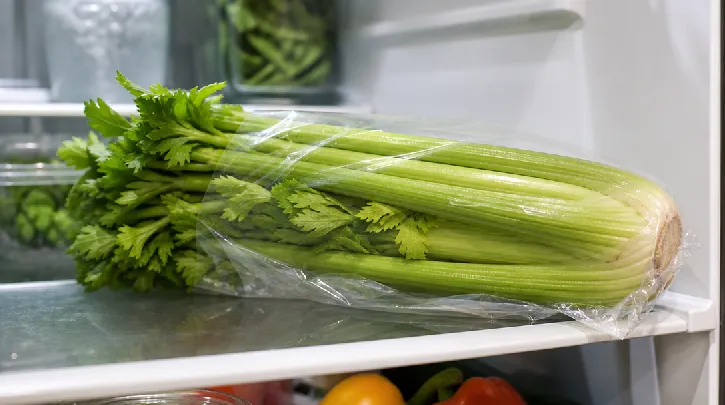
Few kitchen frustrations compare to reaching for crisp, vibrant celery only to find a limp, rubbery disappointment. If you’re tired of watching your celery go bad before you can use it, understanding how to store celery correctly can significantly extend its shelf life, keeping it fresh and crunchy for weeks, or even months, with the right techniques.
Celery is a versatile, low-calorie vegetable, a staple in everything from savory mirepoix to refreshing snacks. Its high water content is what gives it that satisfying crunch, but it also makes celery particularly susceptible to wilting and spoilage if not stored properly. The goal of effective celery storage is to maintain optimal moisture levels while allowing ethylene gas, a natural ripening hormone, to escape. Improper celery storage, such as leaving it in its original plastic packaging, can trap this gas, accelerating its demise and leading to yellowed, limp stalks.
Understanding Celery’s Enemies: Moisture Loss and Ethylene Gas
Celery’s crisp texture relies heavily on its water content, which is approximately 95% of its composition. When celery loses moisture, its cell walls break down, resulting in a soft, bendable texture. Beyond simple dehydration, ethylene gas plays a critical role. This naturally occurring plant hormone is released by many fruits and vegetables as they ripen, including celery. If trapped, such as in a sealed plastic bag, ethylene gas can hasten spoilage, causing celery to turn yellow and wilt rapidly. For more on how ethylene gas affects produce, you can consult resources like the UC Davis Postharvest Technology Center.
Optimal Refrigeration Strategies to Keep Celery Fresh
The refrigerator is your primary tool for preserving celery, but merely tossing it in the crisper drawer isn’t enough. The way you prepare and package it makes all the difference when storing celery.
Whole Celery: The Aluminum Foil Advantage
For an entire head of celery, wrapping it tightly in aluminum foil is a highly recommended method for storing celery. This technique allows the ethylene gas to escape while still retaining essential moisture, preventing both wilting and rot, and is often considered the best way store celery whole.
- Remove from Plastic: As soon as you bring celery home, take it out of its original plastic bag. The plastic traps ethylene gas, which causes premature ripening and spoilage.
- Wrap Tightly in Foil: Place the whole bunch of celery in the center of a piece of aluminum foil large enough to fully cover it. Wrap it tightly, ensuring the foil covers the stalks from end to end. Some experts suggest leaving the cut end slightly exposed to allow moisture to escape, preventing accumulation and rot. However, others advocate for a complete wrap to protect against the fridge’s dry air while still allowing gases to permeate the foil. This method helps keep celery crisp for an extended period.
- Store in Crisper Drawer: Place the foil-wrapped celery in your refrigerator’s crisper drawer.
Result: Celery stored this way can remain crisp and fresh for two to four weeks, sometimes even longer, making it an excellent method for long-term celery storage in the fridge.
Cut Celery: Submerging for Success
Once celery is cut, it loses moisture at a much faster rate. For prepped celery sticks or chopped pieces, a different approach is necessary to keep them hydrated and crunchy. This addresses how do you store cut celery effectively.
- Wash and Cut: Wash your celery thoroughly under cool running water to remove any dirt. Trim the ends and cut the stalks into your desired size, whether that’s sticks for snacking or smaller pieces for cooking.
- Submerge in Water: Place the cut celery pieces into an airtight container, such as a glass jar or a large plastic container with a lid. Fill the container with clean, cold water until the celery is completely submerged.
- Seal and Refrigerate: Seal the container with its lid or plastic wrap and store it in the refrigerator.
- Change Water Regularly: To maintain freshness, change the water daily or every other day. This is key to preventing bacterial growth and keeping your celery fresh.
Result: Cut celery stored in water can stay fresh and crisp for approximately one to two weeks. This answers the common question, can you store celery in water successfully.
The Damp Towel Method
Another effective way to keep celery fresh in the refrigerator, especially if you prefer not to use foil, is the damp towel method.
- Wash and Dry: Wash your celery and ensure it is thoroughly dry. Excess moisture on the surface can lead to spoilage.
- Wrap in Damp Towel: Wrap the entire bunch of celery in a slightly damp paper towel or a clean kitchen towel.
- Bag or Container: Place the wrapped celery into a plastic bag, a breathable veggie storage bag, or an airtight container.
Result: This method helps maintain moisture and can keep celery fresh for several days to a week. Some sources suggest this method for short-term celery storage, lasting about five days longer than unwrapped celery.
Long-Term Preservation: Freezing Celery
When you have a surplus of celery and want to preserve it for months, freezing is an excellent option for celery storage. While frozen celery won’t retain its crisp texture for raw snacking, it’s perfect for cooked dishes like soups, stews, casseroles, and stir-fries.
Step-by-Step Freezing Process
- Clean and Chop: Wash the celery stalks thoroughly to remove any dirt. Trim the ends and leaves. Chop the celery into the sizes you typically use for cooking, such as 1/4-inch to 1/2-inch slices or cubes.
- Blanching (Recommended for Longer Storage): Blanching helps preserve the celery’s color, flavor, and texture by stopping enzymatic actions that cause deterioration. This is a crucial step for quality freezer celery storage.
- Bring a large pot of water to a rolling boil.
- Add the chopped celery and blanch for about 2 to 3 minutes.
- Immediately transfer the blanched celery to a bowl of ice water for an equal amount of time (2-3 minutes) to stop the cooking process.
- Drain the celery well and pat it thoroughly dry with a clean towel. Removing excess moisture is crucial to prevent ice crystals and freezer burn. For more on the benefits of blanching, refer to sources like the National Center for Home Food Preservation.
- Flash Freezing (Optional but Recommended): For best results and to prevent the celery pieces from clumping together, flash freeze them.
- Spread the dried celery in a single layer on a parchment-lined baking sheet.
- Place the baking sheet in the freezer for 1 to 2 hours, or until the celery pieces are frozen solid.
- Package for Freezer: Transfer the flash-frozen celery into airtight freezer bags or freezer-safe containers. Remove as much air as possible from bags to prevent freezer burn. Label with the date.
Shelf Life: Blanched and properly frozen celery can maintain its quality for 10 to 12 months, or even up to 18 months. If you skip blanching, use the frozen celery within 2 to 3 months.
Usage: Frozen celery can be added directly to cooked dishes without thawing. Its texture will be soft once thawed, making it unsuitable for raw applications.
Beyond the Refrigerator: Dehydrating Celery
Dehydrating celery offers a shelf-stable, pantry-friendly option, especially useful if you have limited freezer space. Dehydrated celery is excellent for adding flavor to soups, stews, and casseroles, or it can be ground into a powder for custom seasonings.
The Dehydration Process
- Prepare Celery: Wash celery thoroughly and trim the ends. Cut the celery into thin, uniform slices (1/4 to 1/2 inch) to ensure even drying.
- Blanching (Optional but Beneficial): While not strictly required, blanching celery before dehydrating helps preserve its vibrant color and texture, mellows bitterness, and reduces microbial load.
- Submerge celery in boiling water for 1 minute.
- Immediately transfer to an ice bath to cool.
- Drain and pat dry completely.
- Arrange on Trays: Spread the celery pieces in a single layer on dehydrator trays, ensuring there is enough space for air circulation. Mesh liners or parchment paper can prevent smaller pieces from falling through.
- Dehydrate: Set your dehydrator to 125°F (52°C) or 135°F (57°C). Dehydration time typically ranges from 4 to 12 hours, depending on the celery’s thickness and dehydrator model. The celery should be dry and brittle, breaking rather than bending, when fully dehydrated.
- Cool and Store: Allow the dehydrated celery to cool completely before storing. Store in airtight containers in a cool, dark pantry for up to a year or longer.
Usage: To rehydrate, simply add the dried celery to a bowl of boiling water and let it sit for 15-20 minutes, or add it directly to recipes with liquid, such as soups or stews.
Celery Freshness Hacks and Expert Tips
Even with the best celery storage practices, sometimes celery starts to lose its vigor. Here are a few tricks to keep celery fresh or revive it when it’s gone a little limp.
- Reviving Limp Celery: Don’t throw out limp celery just yet. Celery is about 95% water, so you can often rehydrate it. Trim the bottom off the stalks and stand them upright in a glass or bowl of cold water for a few hours in the refrigerator, or even overnight. The celery will absorb water through osmosis and regain its crispness. This is a great tip for how to keep celery crisp even after it starts to wilt.
- Avoid Storing in Original Plastic Bags: As mentioned, plastic bags trap ethylene gas, leading to faster spoilage. Always remove celery from its original packaging.
- Keep Away from Ethylene-Producing Fruits: Store celery separately from high ethylene-producing fruits like apples, bananas, and tomatoes, which can accelerate its ripening and spoilage.
- Crisper Drawer Settings: If your refrigerator has humidity controls, store celery in the high-humidity crisper drawer to help retain moisture, extending its life.
- Wash Before Use, Not Before Storage (for Whole Celery): While it’s always important to wash celery before consuming it, some sources suggest that washing a whole bunch before celery storage can cause it to go bad faster. If you’re using the foil method for whole celery, I recommend washing it thoroughly just before you intend to use it. However, if using the water submersion method for cut celery, washing is a necessary first step.
- Consider Celery Hearts: Pre-cut celery hearts, which are the inner, milder stalks, are convenient but often have a shorter shelf life (a few days to a week) compared to whole bunches.
Common Celery Storage Mistakes to Avoid
Preventing food waste means being aware of common pitfalls that can shorten your celery’s life.
- Leaving Celery in Original Plastic: This is arguably the most common mistake. The plastic traps ethylene gas, which turns celery yellow and limp quickly, reducing its effective celery storage time.
- Storing Cut Celery Dry: Once celery is cut, its cellular structure is exposed, leading to rapid moisture loss. Storing cut celery without a water bath will cause it to dry out and become unappetizing within a day or two.
- Storing Celery at Extreme Temperatures: While refrigeration is key, storing celery at too cold a temperature, especially near the freezer compartment, can damage its cell walls and make it go limp. Conversely, warm temperatures will cause rapid wilting, impacting celery how to store considerations.
- Not Changing Water for Submerged Celery: If you’re storing celery in water, neglecting to change the water regularly can lead to bacterial growth and faster spoilage.
Comparing Celery Storage Methods: A Decision Framework
Choosing the best way to store celery depends on your needs, how quickly you plan to use it, and your available storage space.
| Method | Best For | Pros | Cons | Typical Shelf Life |
|---|---|---|---|---|
| Whole, Foil-Wrapped | Whole celery, medium-term use (2-4 weeks) | Keeps celery crisp; allows ethylene gas to escape while retaining moisture. Considered by many the best way store celery whole. | Uses aluminum foil (can be reused); not suitable for pre-cut celery. | 2-4 weeks |
| Cut, Submerged in Water | Pre-cut celery, short-term snacking/cooking prep | Keeps cut celery hydrated and crisp; convenient for meal prep. Addresses how do you store cut celery effectively. | Requires regular water changes; takes up refrigerator space; shorter shelf life than whole. | 4-5 days to 2 weeks |
| Damp Towel & Bag | Whole celery, short-term use | Simple, uses less specialized material than foil. | Can still lead to some moisture loss; may not be as long-lasting as foil. | Up to a week |
| Freezing (Blanched) | Long-term storage, for cooked dishes | Extends shelf life significantly; convenient for meal additions; prevents food waste. | Changes texture (not suitable for raw); requires blanching step; takes freezer space. | 10-18 months |
| Dehydrating | Long-term pantry storage, for cooked dishes/seasonings | Shelf-stable, saves freezer space; concentrated flavor. | Requires a dehydrator; alters texture; best for specific culinary uses. | Up to 1 year+ |
What I’d actually do in my kitchen: For everyday use, I always reach for the aluminum foil method for whole celery. It’s incredibly effective and keeps a full head of celery crunchy for well over two weeks, making it ready for anything from salads to stew bases. If I’ve prepped a large batch of chopped celery for a week of meal prep, I’ll store celery submerged in water in glass containers. For an excess harvest or a great sale price, I turn to freezing, especially for planned soups and stocks, as I prioritize freezer space for other items. Dehydrating is a specialized method I reserve for making celery powder or for camping trip provisions, where shelf stability is paramount. These methods demonstrate various approaches to celery how to store for different needs.
Frequently Asked Questions About Celery Storage
How do you keep celery fresh and crunchy?
The most effective way to keep celery crisp and fresh is to wrap whole stalks tightly in aluminum foil and store them in the refrigerator’s crisper drawer. This method allows ethylene gas to escape while retaining moisture, preventing wilting and keeping stalks crisp for two to four weeks.
Can you store celery in water in the fridge?
Yes, you can store celery in water. Place chopped celery pieces in an airtight container, cover them completely with cold water, and seal the lid. Change the water daily or every other day. This method keeps cut celery fresh and hydrated for one to two weeks. It’s a common and effective way how do you store cut celery.
How long does celery last in the refrigerator?
Whole celery wrapped in aluminum foil can last anywhere from two to four weeks in the refrigerator. Cut celery stored submerged in water will typically last four to five days up to two weeks. Celery left in its original plastic bag often wilts within a few days to a week. So, how long does celery keep in refrigerator depends heavily on the storage method.
Is it better to store celery in foil or plastic?
It is significantly better to store celery in aluminum foil than in plastic. Plastic bags trap ethylene gas, which causes celery to ripen and spoil quickly. Aluminum foil, while retaining moisture, allows this gas to escape, keeping celery fresh and crisp for much longer. This method is often recommended for storing celery optimally.
What does limp celery mean?
Limp celery indicates that the stalks have lost a significant amount of their water content, causing the cell walls to break down and the celery to lose its rigid, crisp texture. While not ideal for raw consumption, limp celery can often be revived by rehydrating it in cold water, restoring some of its crispness.
What is the best way to store celery?
For whole celery, wrapping it tightly in aluminum foil and storing it in the refrigerator’s crisper drawer is generally considered the best way to store celery, keeping it crisp for 2-4 weeks. For cut celery, submerging it in a sealed container of cold water in the fridge is ideal for maintaining freshness for 1-2 weeks.
What is the optimal celery storage temperature?
The optimal celery storage temperature is between 32-41°F (0-5°C). Most refrigerators maintain temperatures within this range, making the crisper drawer an ideal spot to help retain moisture and prevent premature spoilage.
How do you store celery in the fridge if you don’t have foil?
If you don’t have aluminum foil, the damp towel method is a good alternative for how do you store celery in the fridge. Wrap the whole bunch in a slightly damp paper or kitchen towel, then place it in a breathable veggie bag or an airtight container in the crisper drawer. This method can keep celery fresh for up to a week.
Preserving celery for longer shelf life is a simple but impactful skill that reduces food waste and ensures you always have this versatile vegetable on hand. By choosing the right celery storage method, whether it’s the reliable aluminum foil wrap for whole stalks, a refreshing water bath for cut pieces, or long-term freezing and dehydrating for bulk, you can keep celery fresh, crisp, and ready for your culinary endeavors. Understanding how to keep celery crisp and employing these celery storage tips will save you money and enhance your cooking.
Explore Related Content
- Gardening
- Preservation resources
- Exploring Celery Stalks and Leaves in Natural Dyes and Craft Projects: Beyond the Salad Bowl
- Why is my Celery Stalk Hollow? Troubleshooting Common Growing Problems for Crunchy, Juicy Stalks
- Do Deer Eat Celery Stalks? Protecting Your Garden from Hungry Herbivores
- Composting Celery Scraps for Pet Owners: Eco-friendly Waste Management for Uneaten Portions and Trimmings
- How to Identify and Naturally Treat Common Celery Pests Like Aphids and Leaf Miners in Home Gardens: A Hands-On Guide
