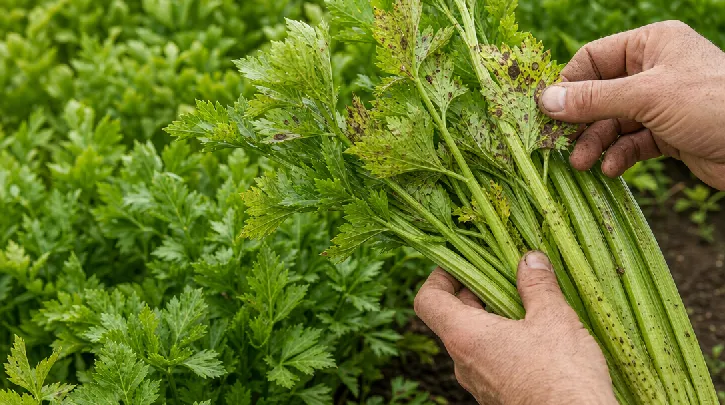
Growing crisp, healthy celery can be a rewarding endeavor, but it often comes with the challenge of warding off numerous threats. Unchecked common celery pests and diseases can quickly decimate an entire crop, turning potential harvests into disheartening losses. Understanding these adversaries and deploying effective celery pest control and celery disease management measures will ensure your celery stalks grow strong and blemish-free, providing a consistent supply of this versatile vegetable.
Understanding the Most Destructive Celery Pests
A thriving celery patch attracts a variety of insect pests and other garden nuisances. Early identification and swift action are critical for minimizing damage and preventing infestations from spiraling out of control. Knowing what to look for is key to effective celery pest control.
Identifying Aphids on Celery and Their Impact
Aphids are tiny, soft-bodied insects that cluster on the undersides of leaves and in the tender growing points of celery plants. They can be green, black, yellow, or pink. These pests feed by sucking sap, which stunts growth, distorts leaves, and can lead to a sticky residue called honeydew. Honeydew often promotes the growth of sooty mold, a black fungus that further reduces photosynthesis and plant vigor. Severely infested plants may become weak and yellow, eventually wilting under stress, highlighting the importance of managing aphids on celery.
- Symptoms: Stunted growth, distorted or curled leaves, sticky honeydew, black sooty mold.
- Damage: Weakened plants, reduced yield, transmission of viral diseases.
Dealing with Celery Leaf Miners
Celery leaf miners are the larvae of small flies that tunnel through the internal tissues of celery leaves. Their feeding creates distinctive, winding white or pale green trails, or “mines,” on the leaf surface. While mature plants can often tolerate some leaf miner damage, heavy infestations can reduce photosynthetic capacity, weaken the plant, and make the celery unmarketable, necessitating effective celery plant protection strategies.
- Symptoms: Serpentine tunnels or trails within celery leaves.
- Damage: Reduced photosynthesis, cosmetic damage, potential for secondary infections.
Managing Slugs and Snails in Your Celery Patch
Slugs and snails are common garden pests that thrive in moist conditions and are particularly fond of young, tender celery plants. They chew ragged holes in leaves and stems, often leaving behind tell-tale silvery slime trails. Nocturnal feeders, they can cause significant damage overnight, especially to seedlings and newly transplanted celery. Heavy slug and snail pressure can quickly defoliate young plants and compromise older ones, making their management a crucial part of celery pest control.
- Symptoms: Irregular holes in leaves and stems, silvery slime trails.
- Damage: Defoliation of young plants, cosmetic and structural damage to older plants.
Controlling Cutworms and Other Soil-Dwelling Pests
Cutworms are plump, gray-brown caterpillars that hide in the soil during the day and emerge at night to feed. They are notorious for cutting young celery seedlings off at the soil line, often severing the stem just above the roots. This damage is usually irreversible for the seedling. Other soil pests like wireworms can tunnel into roots, causing stunting and weakening of the plant. Inspecting the soil around damaged plants for these pests is essential for effective celery crop protection.
- Symptoms: Young plants severed at the soil line, tunnels in roots.
- Damage: Death of seedlings, stunted growth, weakened root systems.
Battling Common Celery Diseases and Blights
Beyond insect threats, celery is susceptible to several fungal, bacterial, and viral diseases. Many of these conditions, often referred to as celery blights or celery leaf spots, can significantly impact plant health, stalk quality, and overall yield. Understanding the specific symptoms of each disease is the first step toward effective celery disease management.
Spotting Early Blight on Celery (Cercospora Leaf Spot)
Early blight, also known as Cercospora leaf spot, is a prevalent fungal disease affecting celery. It typically appears as small, circular, yellow-green spots on older leaves, which later enlarge and turn tan or brown with yellowish halos. These spots may merge, causing large areas of the leaf to dry out and become brittle. Under severe conditions, the disease can defoliate plants, reducing vigor and stalk quality. This blight thrives in warm, humid conditions, making early identification of early blight on celery crucial.
- Pathogen: Cercospora apii
- Symptoms: Small, circular yellow-green spots on older leaves, enlarging to tan/brown with yellow halos.
- Conditions: Warm, humid weather.
Recognizing Late Blight Symptoms (Septoria Leaf Spot)
Late blight, or Septoria leaf spot, is another common and destructive fungal disease of celery. It is characterized by small, water-soaked spots that appear on leaves, petioles (stalks), and even seeds. These spots quickly turn brown and develop tiny black dots, which are the fungal fruiting bodies (pycnidia). The disease spreads rapidly in cool, wet weather and can cause extensive defoliation, leading to stunted plants and reduced yields, signifying the need for diligent celery disease management.
- Pathogen: Septoria apiicola
- Symptoms: Small, water-soaked spots on leaves and petioles, turning brown with tiny black dots.
- Conditions: Cool, wet weather.
Tackling Celery Leaf Spot and Other Fungal Issues
While Early and Late Blight are the most common, other fungal diseases can manifest as various forms of celery leaf spot. These often present as discolored lesions, dark spots, or blighted areas on leaves and stalks. Rhizoctonia, for example, can cause damping-off in seedlings or stem rot in mature plants, characterized by reddish-brown lesions near the soil line. Fusarium yellowing, caused by Fusarium oxysporum f. sp. apii, leads to yellowing and stunting, particularly in warm soils, and is notoriously difficult to eradicate once established, reinforcing the challenge of managing diverse celery diseases.
- Rhizoctonia: Damping-off, reddish-brown stem lesions.
- Fusarium Yellows: Yellowing, stunting, wilting in warm soil.
Understanding Bacterial Diseases: Bacterial Leaf Spot and Soft Rot
Bacterial diseases can also impact celery. Bacterial leaf spot, caused by Pseudomonas cichorii or Xanthomonas campestris pv. api, presents as small, angular, water-soaked lesions that later turn brown or black, often with a yellow halo. These spots can merge, causing leaf blighting. Bacterial soft rot, caused by Erwinia carotovora, typically affects celery in storage or under very wet conditions, turning stalks into a soft, watery, foul-smelling mush. Effective celery plant protection involves understanding these bacterial threats.
- Bacterial Leaf Spot: Angular, water-soaked lesions, turning brown/black.
- Soft Rot: Soft, watery, foul-smelling decay of stalks.
Implementing Effective Strategies for Controlling Celery Pests and Diseases
A comprehensive approach is essential for successful celery cultivation. This involves a combination of preventative measures, cultural practices, and targeted interventions when problems arise. Relying on a single strategy rarely provides long-term success against the array of potential threats to celery plant health.
The Value of Integrated Pest Management (IPM) for Celery
Integrated Pest Management (IPM) is a holistic decision-making process that combines various methods to manage pest and disease populations while minimizing risks to human health, beneficial organisms, and the environment. For celery, this means understanding the life cycles of specific pests and pathogens, monitoring plant health regularly, and applying control measures only when necessary and at the most effective stage. The University of California’s Statewide Integrated Pest Management Program provides valuable resources for specific crop management strategies. UC IPM guidelines advocate for a multi-pronged approach, which is critical for effective celery pest and disease management.
Key components of an IPM strategy for celery include:
- Monitoring: Regular inspection of plants for early signs of pests or diseases.
- Identification:
Accurate identification of the problem to select the correct intervention. - Prevention: Cultural practices that discourage pest and disease establishment.
- Thresholds: Determining when pest or disease levels warrant intervention.
- Control: Using a combination of biological, cultural, physical, and chemical tools.
Choosing Resistant Celery Varieties
One of the simplest and most effective preventative measures for celery disease management is to select celery varieties known for their resistance to common diseases. Many modern cultivars have been bred to withstand specific blights or fusarium yellows. For example, ‘Conquistador’ and ‘Tango’ offer good resistance to Fusarium Yellows, while ‘Green Giant’ and ‘Tall Utah’ varieties often show good general vigor that helps them tolerate some pest pressure. Check seed catalogs and local extension office recommendations for varieties best suited to your specific growing conditions and known regional disease challenges, contributing to overall celery plant protection.
Essential Cultural Practices for Disease Prevention
Maintaining a healthy growing environment is paramount in preventing celery diseases. These practices focus on reducing conditions favorable to pathogens and enhancing plant resilience.
- Crop Rotation: Avoid planting celery or other susceptible umbelliferous crops (like carrots or parsnips) in the same spot year after year. A 3-4 year rotation helps break disease cycles by depriving pathogens of their host plants.
- Proper Spacing and Air Circulation: Plant celery at recommended spacing to ensure good air circulation around the plants. This helps dry foliage quickly after rain or irrigation, reducing the humidity that fungal diseases like blights thrive in.
- Sanitation: Remove and destroy any infected plant debris promptly. This includes fallen leaves or entire plants showing signs of disease. Do not compost diseased material, as pathogens can survive and reinfect future crops.
- Watering Techniques: Water at the base of the plants using drip irrigation or soaker hoses to keep foliage dry. If overhead watering is unavoidable, do so in the morning so leaves can dry completely before evening.
- Soil Health: Provide well-draining soil rich in organic matter. Healthy soil promotes strong root development, making plants more resistant to stress and disease. Conduct a soil test to ensure balanced nutrient levels.
Physical and Mechanical Barriers for Pest Control
Sometimes, the simplest solutions are the most effective. Physical barriers can prevent celery pests from ever reaching your celery plants.
- Row Covers: Floating row covers made of fine mesh fabric can exclude aphids, leaf miners, and other flying insects. Ensure the edges are securely buried or weighted to prevent pests from crawling underneath.
- Hand-picking: For larger pests like slugs, snails, and cutworms, routine hand-picking can be effective. Inspect plants in the early morning or evening, or after rainfall, and dispose of pests in soapy water.
- Traps: Slug and snail traps (e.g., beer traps, copper barriers) can help reduce populations. For cutworms, place cardboard collars around the base of young seedlings, extending an inch or two into the soil and an inch above ground.
Organic Approaches to Celery Pest and Disease Management
For growers committed to sustainable and chemical-free gardening, several effective organic pest control celery options are available. These methods focus on working with nature to maintain a balanced ecosystem in your garden for healthy celery.
Harnessing Beneficial Insects for Aphid Control
Many natural enemies prey on common celery pests. Encouraging beneficial insects is a cornerstone of organic pest management. Lady beetles, lacewings, and hoverfly larvae are voracious predators of aphids on celery. Parasitic wasps can also lay their eggs inside aphids, effectively turning them into “mummies.”
To attract these helpful insects, plant a diversity of flowering plants with small blossoms, such as dill, cilantro, sweet alyssum, and marigolds, near your celery patch. Avoid broad-spectrum pesticides that can harm beneficial insect populations. You can also purchase beneficial insects from reputable suppliers and release them into your garden, though this is often a temporary solution if conditions aren’t favorable for their long-term survival, contributing to natural celery crop protection.
Effective Organic Sprays: Soaps and Oils
When physical methods aren’t enough, organic sprays can offer targeted control with minimal environmental impact for managing celery pests and diseases.
- Insecticidal Soaps: Potassium salts of fatty acids, commonly known as insecticidal soaps, are effective against soft-bodied insects like aphids, thrips, and spider mites. They work by disrupting the insect’s cell membranes. Apply thoroughly, ensuring direct contact with the pests. Reapply as needed, following product label instructions. Always test on a small area first to check for phytotoxicity.
- Horticultural Oils: Neem oil, derived from the neem tree, is a broad-spectrum organic insecticide and fungicide. It acts as an antifeedant, repellent, and growth regulator, disrupting insect life cycles. It can also suppress certain fungal diseases. Other horticultural oils (mineral oil or vegetable oil-based) work by suffocating soft-bodied insects and mite eggs. Apply horticultural oils carefully, as they can sometimes burn foliage if applied in hot, sunny conditions. Read and follow all label directions precisely.
Employing Biological Fungicides for Disease Suppression
Organic fungicides can help manage various celery diseases, particularly blights and leaf spot issues. Products containing active ingredients like Bacillus subtilis or copper-based compounds are commonly used.
- Bacillus subtilis: This beneficial bacterium colonizes plant surfaces and outcompetes or inhibits pathogenic fungi and bacteria. It can be applied as a preventative spray and is often effective against early blight and late blight. Consult the product label for specific application rates and timing.
- Copper-based Fungicides: Bordeaux mixture (copper sulfate and lime) or other copper hydroxide formulations can provide effective control against many fungal and bacterial diseases, including early blight, late blight, and bacterial leaf spot. However, copper can accumulate in the soil over time and should be used judiciously. Always follow label directions and local regulations for copper use. The U.S. Environmental Protection Agency regulates these products, so ensure any product you use is EPA-approved.
Preventative Measures: Building a Resilient Celery Patch
The best defense against celery pests and diseases is a strong offense, focusing on prevention rather than reaction. By proactively creating optimal growing conditions and implementing sound horticultural practices, you can significantly reduce the likelihood and severity of future problems, ensuring healthy celery harvests.
Optimal Soil and Nutrition for Healthy Celery
Healthy celery plants are inherently more resistant to pests and diseases. Celery thrives in fertile, well-draining soil with consistent moisture. A soil pH between 6.0 and 7.0 is ideal. Incorporate plenty of organic matter, such as compost or well-rotted manure, before planting to improve soil structure, water retention, and nutrient availability. Regular, balanced fertilization, based on soil test results, will provide the necessary nutrients without overfeeding, which can lead to lush, tender growth that is more attractive to pests, supporting overall celery plant protection.
Careful Site Selection and Sunlight Requirements
Celery requires full sun, meaning at least 6-8 hours of direct sunlight per day, to grow vigorously. Planting in a site with adequate sunlight helps ensure strong plant development and also aids in drying foliage, reducing the risk of fungal diseases. Good air circulation is also critical, so avoid planting celery in overly dense or sheltered areas where humidity can build up.
Using Clean Seeds and Transplants
Many celery diseases can be seed-borne. Always purchase high-quality, disease-free seeds from reputable suppliers. If starting your own transplants, use sterilized potting mix and ensure your growing environment is clean. Inspect any purchased transplants thoroughly for signs of pests or disease before introducing them to your garden. Reject any plants with spots, discoloration, or visible insects, practicing vital celery crop protection.
When to Call in the Experts: Local Extension Services
If you encounter a particularly stubborn pest or an unfamiliar disease, don’t hesitate to contact your local university extension service. These services, often affiliated with land-grant universities, provide science-backed advice specific to your region. They can help identify specific problems, recommend appropriate control strategies, and even offer diagnostic testing for plant samples. The USDA National Institute of Food and Agriculture helps fund these vital resources across the United States for growers seeking expert celery disease management and celery pest control advice.
Frequently Asked Questions About Celery Pests and Diseases
How do I know if my celery has early blight or late blight?
Early blight typically appears as yellow-green spots on older leaves that turn tan/brown with a yellow halo. Late blight, by contrast, presents as
water-soaked spots that develop tiny black dots (pycnidia) and often affects both leaves and stalks, particularly in cooler, wetter conditions.
Are aphids on celery harmful to eat?
While unappetizing, consuming celery with a few aphids is generally not harmful. Thorough washing can remove most aphids and any honeydew. The main harm from aphids is to the plant itself, leading to stunted growth and reduced quality.
Can I use homemade remedies for controlling celery pests?
Some gardeners use homemade remedies like garlic sprays or diluted dish soap solutions. While some may offer mild repellent or insecticidal effects, their efficacy can vary, and they may not be as reliable or thoroughly tested as commercial organic products. Always test on a small area first.
What is the most common celery disease I should watch out for?
Early blight (Cercospora leaf spot) and late blight (Septoria leaf spot) are arguably the most common and widespread fungal diseases of celery, often appearing in many growing regions. Fusarium yellowing is also a significant concern, especially in warmer climates.
How often should I inspect my celery plants for pests and diseases?
During the active growing season, inspect your celery plants at least once or twice a week. Pay close attention to the undersides of leaves and new growth, as pests and early disease symptoms often hide in these areas. Early detection is key to effective management.
Successfully growing celery requires diligent observation and a proactive approach to managing potential threats. By understanding the common celery pests and diseases, from aphids on celery to celery blights and celery leaf spot, and by consistently applying integrated and organic pest control celery strategies, gardeners can cultivate a robust and productive crop. Emphasizing preventative measures, promoting soil health, and utilizing beneficial insects will create a resilient growing environment, yielding abundant, healthy celery stalks for your table.
