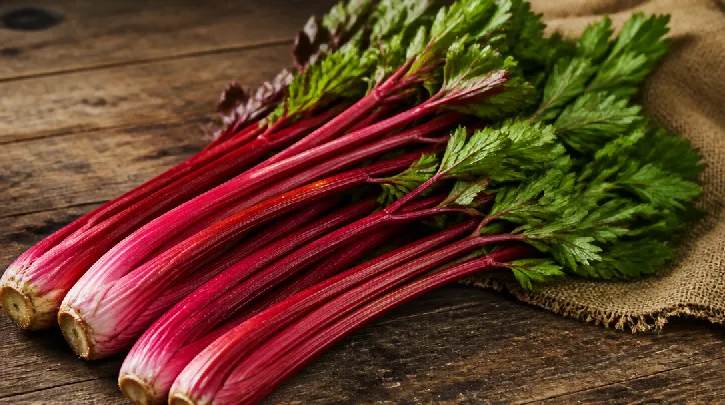
Red and pink celery varieties offer a vibrant twist on the familiar green stalks, bringing both striking color and distinct flavor profiles to your culinary creations and garden. These colorful celeries derive their hues from natural pigments called anthocyanins, the same compounds responsible for the rich reds, purples, and blues in fruits like berries and grapes. Far from being a mere novelty, they provide a slightly stronger, often nuttier or more herbaceous taste compared to traditional green celery, making them a fantastic choice for adding depth to dishes and visual interest to your plate.
Beyond their aesthetic appeal, red and pink celeries offer a unique gardening experience and diverse culinary applications. Their cultivation is similar to green varieties, though some aspects can influence their vibrant coloring. Exploring these colorful stalks opens up a world of fresh flavors and eye-catching presentations that can elevate everyday meals and special occasions alike.
What Makes Celery Red or Pink?
The distinctive red and pink colors in certain celery varieties come from naturally occurring plant pigments called anthocyanins. These powerful antioxidants are also found in many other red, purple, and blue fruits and vegetables.
Anthocyanins protect plants from environmental stressors like UV radiation, cold temperatures, and drought. In celery, the concentration and type of these pigments determine the intensity of the red or pink hue. Cooler growing temperatures can sometimes enhance the color.
Popular Red Celery Varieties
Red celery varieties are prized for their robust flavor and visual impact. They often boast a stronger, more assertive taste than their green counterparts, making them excellent for cooking. Here are some notable red cultivars:
‘Giant Red’ Celery
‘Giant Red’ is an heirloom variety known for its deep red stalks and strong celery flavor. It is often considered one of the best-tasting celeries to grow. This variety is cold-hardy and can reach up to two feet tall. Its inner stalks may have a yellow-pink heart, adding to its appeal in salads and soups.
‘Redventure’ Celery
‘Redventure’ is a modern variety developed by crossing ‘Giant Red’ with traditional ‘Ventura’ green celery. It features dark to brilliant red stalks with bright green leaves. This variety is noted for its strong celery flavor and excellent garden performance, including adaptability and cold hardiness.
‘Red Stalk’ Celery
Dating back to the 1700s, ‘Red Stalk’ celery offers vibrant reddish stems and dark green leaves. It has a slightly spicy and sweet flavor, making it versatile for both fresh and cooked dishes. These plants can grow quite tall, reaching 150 to 180 cm (approximately 5 to 6 feet). The stalks are somewhat thinner than typical green celery.
Popular Pink Celery Varieties
Pink celery varieties, while less common in Western markets, bring a delicate beauty and unique taste to the table. Many pink celeries are heirloom or specialty types.
‘Chinese Pink Celery’
Also known simply as Pink Celery, this variety is native to China and widely cultivated in East Asia. It features slender, blush to pale magenta stalks with fine, feathery green leaves. Unlike thick Western celery, Chinese Pink Celery is valued for its aromatic leaves and thinner, more fibrous, yet highly fragrant stems. Its color intensifies in cooler temperatures. It has a robust herbal taste when raw, which mellows into a sweet, tender, and crisp flavor when cooked.
‘Pink Plume’ Celery
‘Pink Plume’ is a historic variety, reintroduced to American gardeners, known for its vivid pink to burgundy stalks and abundant, frilly leaves. This compact plant grows about a foot high and offers a deep, rich flavor with hints of fennel. It is particularly good for soups and stocks. Pink Plume is also a self-blanching variety, meaning its inner stalks naturally become delicate without external effort.
Flavor Profiles and Culinary Uses
Red and pink celery varieties generally offer a more pronounced and complex flavor than standard green celery. While green celery is known for its clean, watery crunch and mild, earthy, slightly bitter notes, its colorful cousins often present a stronger, sometimes sweeter or nuttier, and more herbaceous taste.
When eaten raw, red celery varieties like ‘Giant Red’ can have a hearty, stronger flavor. Pink celery, particularly Chinese Pink Celery, might have a robust herbal taste raw, which some find too strong for delicate salads. However, this intensity mellows beautifully upon cooking, becoming delightfully sweet and tender while retaining a pleasant crispness.
Culinary Applications
- Raw: Thinly sliced red celery adds a vibrant crunch and robust flavor to salads. Pink celery, shredded or used as a garnish, provides eye-catching color with a subtler raw presence.
- Cooked: Both red and pink celeries excel in cooked dishes. Their intense flavors make them ideal for stir-fries, soups, stews, braises, and stocks. Chinese Pink Celery is a staple in Asian cuisines.
- Mirepoix and Soffritto: The strong, savory-sweet flavor of colored celery can add new depth to classic aromatic bases for countless dishes, like the French mirepoix (celery, carrots, onions).
- Juicing: The robust flavor of red celery, like ‘Redventure,’ is perfect for juicing.
- Pickling: Pink celery can be pickled for a unique addition to dishes.
- Garnish: The striking colors make them excellent garnishes, especially for cocktails or to add a visual pop to any plate.
Nutritional Benefits
All celery is a healthy vegetable, rich in water, fiber, vitamins, and minerals. Red and pink celery varieties, with their vibrant colors, offer an additional nutritional punch due to their high anthocyanin content.
A 100-gram serving of raw celery provides approximately 14 calories, 3 grams of carbohydrates, and 0.7 grams of protein, with negligible fat. It is a significant source of Vitamin K (about 24% of daily value), essential for blood clotting and bone health. Celery also contains folate (a B vitamin important for red blood cell maturity), Vitamin C, Vitamin A, potassium, magnesium, and calcium.
The Power of Anthocyanins
The anthocyanins responsible for the red and pink hues provide notable health benefits:
- Antioxidant Properties: Anthocyanins are potent antioxidants that help fight damaging free radicals in the body, reducing oxidative stress.
- Anti-Inflammatory Effects: They have demonstrated anti-inflammatory properties, which can help mitigate chronic inflammation, a root cause of many diseases.
- Heart Health: Research suggests anthocyanins may help reduce blood pressure and lower the risk of heart disease by reducing cholesterol, high blood pressure, and inflammation. Celery also contains phthalides, which improve blood flow.
- Brain Function: Studies indicate that anthocyanins can help protect and improve brain function, including memory, language, and attention.
- Cancer Prevention: While more research is ongoing, anthocyanins are believed to contribute to reducing cancer risk by inhibiting the growth of cancer cells and suppressing tumor formation.
“Eating a rainbow of colors—red, orange/yellow, green, blue/purple—is a practical strategy to ensure a diverse intake of disease-fighting compounds like anthocyanins,” states Jennifer Neily, MS, RDN, CSSD, LD, owner of Neily on Nutrition. “These powerful plant pigments offer significant protective effects against chronic diseases.”
Growing Red and Pink Celery
Growing red and pink celery is similar to growing green varieties, but with a few considerations to maximize color and flavor. Celery is often considered a more demanding vegetable, requiring consistent care.
Choosing the Right Variety
Select varieties best suited for your climate and desired use. Some varieties are more cold-hardy or heat-tolerant. For unique colors and flavors, consider ‘Giant Red’, ‘Redventure’, ‘Chinese Pink Celery’, or ‘Pink Plume’.
Site Selection and Soil Preparation
Celery thrives in full sun (at least 6 to 8 hours daily) and nutrient-rich, well-drained soil. It prefers a soil pH between 5.8 and 6.8. Before planting, amend the soil with 2 to 4 inches of aged manure or compost to provide essential nutrients and improve moisture retention.
Planting and Care
- Starting Seeds: Celery seeds are tiny and slow to germinate, often taking 2 to 3 weeks. Start seeds indoors 8 to 12 weeks before the last frost. Soaking seeds overnight in warm water can help hasten germination. Celery seeds also require light to germinate, so sprinkle them lightly on the surface of the compost and cover with a very fine layer.
- Transplanting: Transplant seedlings outdoors when soil temperatures reach at least 50°F (10°C) and nighttime temperatures stay above 40°F (4°C). Cold weather after planting can cause bolting (premature flowering). Plant seedlings 8 to 12 inches apart.
- Watering: Celery needs consistent moisture throughout its growing season. Shallow-rooted plants are sensitive to drought; if soil dries out, stalks can become tough and stringy. Mulch around plants to help retain soil moisture and suppress weeds.
- Fertilizing: Celery is a “hungry” plant. Provide regular feeding, such as a balanced organic fertilizer (e.g., 5-5-5) monthly around plants.
- Blanching: Some gardeners blanch celery to reduce bitterness and produce paler, more tender stalks. This involves covering the stalks to deprive them of light, typically for 2 to 3 weeks before harvest. However, many red and pink varieties are enjoyed for their vibrant color and robust flavor, and some, like ‘Pink Plume,’ are naturally self-blanching.
Pest and Disease Management
Celery can be susceptible to slugs and various diseases. Organic slug baits, beer traps, or diatomaceous earth can help control slugs. Healthy soil and proper spacing can help prevent many common issues. Crop rotation is also beneficial.
Harvesting Tips
Red and pink celery typically mature in 75 to 120 days, depending on the variety. You can harvest outer stalks individually as needed for a continuous supply, or cut the entire plant at its base when it reaches desired size (e.g., 12-16 inches tall). For best flavor and tenderness, harvest before hot weather sets in, as heat can cause bitterness.
Red vs. Green Celery: A Comparative Look
While all celery belongs to the same species, Apium graveolens, the differences between standard green celery and its red and pink counterparts are notable in appearance, flavor, and some nutritional aspects.
| Feature | Green Celery (e.g., ‘Pascal’ type) | Red & Pink Celery (e.g., ‘Redventure’, ‘Chinese Pink’) |
|---|---|---|
| Color | Pale to dark green stalks and leaves. | Vibrant red to fuchsia or blush to magenta stalks; green leaves. |
| Pigment Source | Chlorophyll (green pigment). | Anthocyanins (red/pink/purple pigments). |
| Flavor (Raw) | Clean, mild, earthy, slightly bitter, watery. | Generally stronger, more robust, sometimes herbaceous, nutty, or savory-sweet. Can be intense raw. |
| Flavor (Cooked) | Softens, mellows, becomes slightly sweeter and earthy. | Softens, becomes delightfully sweet, tender, and crisp; flavor deepens. |
| Texture | Crisp, fibrous. | Often described as crispier than Western varieties, retaining toothsomeness when cooked. Chinese Pink Celery can be thinner and more fibrous. |
| Primary Use | Versatile; often eaten raw as a snack, in salads, or as a base for cooked dishes. | Excellent for cooking (soups, stews, stir-fries), pickling, juicing, and garnishes for visual appeal. |
| Nutritional Bonus | Standard celery benefits (Vitamin K, Folate, etc.). | Same core benefits plus higher levels of anthocyanins, providing additional antioxidant and anti-inflammatory properties. |
| Availability (US) | Widely available in grocery stores year-round. | Less common commercially; primarily found in specialty markets or grown by home gardeners. |
FAQ
What is the difference between red, pink, and green celery?
The primary difference lies in their color, which comes from different pigments. Green celery contains chlorophyll, while red and pink varieties get their hues from anthocyanins. This pigment difference also typically leads to a more robust, sometimes sweeter or nuttier, flavor in the colored varieties compared to the milder taste of green celery.
Do red and pink celery taste different from green celery?
Yes, red and pink celery often have a more intense, sometimes stronger, or more aromatic flavor than green celery. Some describe it as earthier, nuttier, or with subtle herbal and salty notes. When cooked, they tend to become delightfully sweet and tender.
Is colored celery natural?
Absolutely. Red and pink celery varieties are natural cultivars of Apium graveolens, the same species as green celery. Their color is due to genetic variations that lead to the production of anthocyanin pigments, not artificial coloring.
Where can I buy red or pink celery seeds or plants?
Red and pink celery are not typically found in conventional grocery stores in the US. You can usually find seeds for these heirloom and specialty varieties from online seed retailers, specialty garden suppliers, or at farmers’ markets. Some local nurseries might carry transplants during planting season.
Is red celery harder to grow than green celery?
Celery in general is considered a somewhat demanding vegetable due to its need for consistent moisture, rich soil, and a long growing season. Red and pink varieties typically have similar growing requirements to green celery, though some may exhibit better cold hardiness or specific needs for color development.
Can I use red or pink celery in the same way I use green celery?
For the most part, yes. Red and pink celery can be used interchangeably with green celery in most recipes. However, keep in mind their stronger raw flavor and their beautiful cooked sweetness. Their striking color also makes them excellent for dishes where visual appeal is desired.
Conclusion
Red and pink celery varieties are a treasure for both gardeners and home cooks, offering a delightful departure from the commonplace green stalks. Their vivid colors, stemming from health-boosting anthocyanins, provide an immediate visual upgrade to any dish. Beyond aesthetics, these celeries deliver a more complex and often richer flavor profile, transforming everyday recipes into gourmet experiences.
Whether you are seeking to diversify your home garden with resilient, flavorful heirlooms like ‘Giant Red’ or ‘Pink Plume’, or wish to infuse your cooking with the aromatic intensity of ‘Chinese Pink Celery’, these unique varieties promise both stunning appeal and genuinely satisfying taste. Embracing red and pink celery is an effortless way to add a splash of color, a burst of flavor, and an extra dose of antioxidants to your meals, proving that sometimes, a little color goes a long way in the kitchen.
