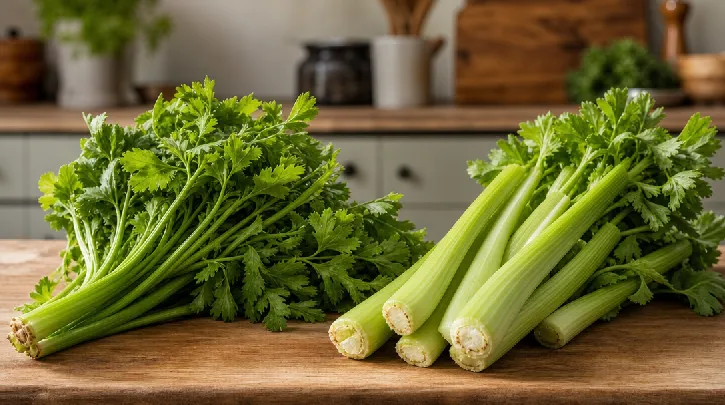
Choosing the right celery variety can significantly impact your gardening success and culinary delights. While many gardeners only think of the common green stalks found in grocery stores, there is a surprising diversity of celery types, each offering unique characteristics for your garden and kitchen. Understanding these differences allows you to select varieties that thrive in your climate and perfectly complement your favorite dishes, from crunchy snacks to savory soups and robust root vegetable preparations.
Celery is a versatile vegetable, valued for its crisp texture and distinctive flavor. Its journey from seed to stalk can be challenging, but immensely rewarding when you select the perfect type for your specific needs. From the familiar stalk celery to aromatic leaf varieties and the earthy celeriac, each offers a unique experience. This guide will help you navigate the world of celery, ensuring your efforts in the garden translate into delicious outcomes in your cooking.
Understanding Celery: More Than Just a Stalk
Celery, scientifically known as Apium graveolens, has a rich history dating back thousands of years. Originating in the Mediterranean, its wild ancestors were primarily used for medicinal purposes before being cultivated for culinary uses. Today, celery is a staple in kitchens across the United States, prized for its refreshing crunch and ability to enhance a myriad of dishes.
Beyond its culinary appeal, celery is a nutritional powerhouse. It is an excellent source of vitamins K and C, as well as folate and potassium. It also contains beneficial antioxidants and boasts a high water content, making it a low-calorie, hydrating snack. Growing your own celery ensures you have access to the freshest, most nutrient-dense stalks, leaves, or roots, free from the pesticides and long-distance travel associated with store-bought options.
The Major Celery Categories
When most people think of celery, they envision the long, green stalks sold in bunches. However, the world of celery is much broader, encompassing three main categories, each with distinct uses and growth habits. Understanding these categories is the first step in choosing the best type for your garden and kitchen.
Stalk Celery (Pascal Celery)
This is the most common type of celery found in American grocery stores. Stalk celery, often referred to as Pascal celery, is cultivated for its thick, crunchy leafstalks. These varieties are typically blanched to produce pale green or yellowish-white stalks with a milder flavor and less stringiness.
Stalk celery varieties require a longer growing season and consistent moisture. They are ideal for snacking, crudités, and classic dishes like mirepoix. Their robust structure holds up well in cooking, adding texture and flavor to soups, stews, and casseroles.
Leaf Celery (Cutting Celery)
Leaf celery, or cutting celery, is less common in mainstream markets but a favorite among home gardeners and culinary enthusiasts. Unlike stalk celery, it is grown primarily for its abundant, aromatic leaves and slender, often hollow stalks.
These varieties mature quickly and are easier to grow than stalk celery, making them an excellent choice for beginner gardeners. Leaf celery offers a more intense, concentrated celery flavor, perfect for seasoning, garnishes, and stir-fries. It can be harvested repeatedly, providing a continuous supply of fresh leaves throughout the growing season.
Celeriac (Root Celery)
Celeriac, also known as root celery or knob celery, is a distinct variety grown for its edible, knobby root rather than its stalks or leaves. While the leaves are also edible, the primary focus is the large, spherical root, which has a firm texture and a unique, earthy, nutty, and subtly celery-like flavor.
Celeriac is a cool-season crop that requires a long growing period. It is exceptionally versatile in the kitchen, suitable for roasting, mashing, pureeing, or grating raw into salads. It provides a wonderful alternative to potatoes and other root vegetables, adding a sophisticated flavor profile to dishes.
Deep Dive into Stalk Celery Varieties
Stalk celery varieties are the workhorses of the celery world, providing that quintessential crunch and flavor. Within this category, several types offer subtle differences in appearance, flavor, and growing characteristics. Choosing the right one depends on your climate, personal taste, and intended use.
‘Pascal’ Types: The Supermarket Standard
The term ‘Pascal’ often refers to the broad group of stalk celery varieties known for their crispness and good flavor. These are the most commonly grown and consumed types in the United States. They generally produce tall, upright stalks and require some attention to blanching for optimal tenderness and color.
- ‘Utah 52-70R Improved’: This is arguably the most popular commercial and home garden variety. It produces robust, dark green, stringless stalks that are known for their crispness and excellent flavor. ‘Utah 52-70R Improved’ is relatively cold-tolerant and offers good disease resistance, making it a reliable choice for many gardeners.
- ‘Tango’: A vigorous and fast-growing variety, ‘Tango’ is appreciated for its strong, dark green stalks and good resistance to bolting (going to seed prematurely). It offers a rich, sweet celery flavor and performs well in various conditions.
- ‘Conquistador’: Known for its strong growth and uniform, solid green stalks. ‘Conquistador’ offers good resistance to Fusarium wilt and is a popular choice for gardeners seeking a dependable, productive celery plant with good flavor.
Self-Blanching Types: Easier Cultivation
Self-blanching varieties naturally produce lighter-colored, more tender stalks without the labor-intensive process of earthing up or wrapping required by traditional Pascal types. This makes them particularly appealing for home gardeners seeking a less demanding celery experience.
- ‘Golden Self-Blanching’: This heirloom variety has been a favorite for generations. Its stalks naturally lighten to a golden yellow, becoming very tender and mild in flavor. ‘Golden Self-Blanching’ is an excellent choice for those who prefer a less fibrous, sweeter celery.
- ‘Pink Plume’: As its name suggests, ‘Pink Plume’ develops attractive reddish-pink stalks. It’s considered a self-blanching type, offering good flavor and visual appeal. This variety can add a unique color to salads and crudités.
Choosing a self-blanching variety can significantly simplify the growing process, particularly for new gardeners. “Self-blanching celery varieties are a game-changer for home gardeners,” explains Dr. Melinda Smith, a horticultural expert specializing in vegetable cultivation. “They reduce the labor of traditional blanching while still yielding tender, flavorful stalks, making celery much more accessible for the average backyard grower.”
Red and Pink Celery Varieties: A Splash of Color
While green celery is standard, red and pink varieties offer a unique aesthetic appeal along with good flavor. These can be striking additions to a garden and a colorful element in the kitchen.
- ‘Red Giant’: This variety produces deep red, sturdy stalks with a good crunch and a slightly stronger flavor than green types. It’s often grown for both its ornamental value and its culinary qualities.
- ‘Giant Pink’: Similar to ‘Red Giant’ but with a more pronounced pink hue, ‘Giant Pink’ offers crisp stalks that retain some of their color when cooked lightly. It’s a great choice for adding visual interest to salads and crudités.
Exploring Leaf Celery Varieties
Leaf celery, or cutting celery, is a fantastic choice for gardeners with limited space or those who want a continuous harvest of fresh, pungent celery flavor. These varieties are often more forgiving to grow than their stalk celery counterparts.
- ‘Par-Cel’: A popular Dutch heirloom, ‘Par-Cel’ is often compared to parsley in its growth habit, producing abundant, finely divided leaves on slender stems. It has an intense, true celery flavor that is excellent for seasoning.
- Chinese Celery (Kintsai): This group of leaf celery varieties is widely used in Asian cuisine. It typically features thinner, more delicate stalks and darker green leaves with a very strong, aromatic celery flavor. It’s often used in stir-fries, soups, and as a garnish.
The primary benefit of leaf celery is its ease of cultivation and continuous harvest. You can snip off leaves as needed, and the plant will continue to produce. “Leaf celery provides an incredible flavor punch without the commitment of growing full stalks,” says Chef Alex Chen, known for his innovative use of fresh produce. “It’s like having a dedicated celery herb garden, ready to elevate any dish with its concentrated aroma.”
Leaf celery is perfect for:
- Adding to soups and stews for a deeper celery note.
- Stir-fries, especially in Asian-inspired dishes.
- Garnishing salads and sandwiches.
- Blending into smoothies or juices for a robust flavor.
Unveiling Celeriac Varieties
Celeriac is truly a unique vegetable, offering a completely different culinary experience from its stalk and leaf cousins. Its earthy, nutty flavor makes it a prized ingredient in many European cuisines. While it requires patience, growing celeriac can be incredibly rewarding.
- ‘Mars’: A widely grown and reliable celeriac variety, ‘Mars’ produces large, smooth, uniformly shaped roots with excellent flavor. It’s known for its good storage qualities and disease resistance.
- ‘Prague Giant’: This heirloom variety lives up to its name, capable of producing very large roots. It has a robust flavor and is a good choice for gardeners looking for a substantial harvest.
- ‘Giant of Prague’: Similar to ‘Prague Giant’, this variety is also known for its large, flavorful roots. It is a popular choice for its reliability and good yields.
Celeriac thrives in cool weather and requires a long growing season, often 100 to 120 days from transplanting. Its roots can be harvested in late fall and stored through winter, providing a fresh vegetable supply during colder months. The U.S. Department of Agriculture (USDA) estimates that per capita consumption of celeriac, while still niche, has seen a steady increase in gourmet markets and among home cooks seeking diverse root vegetable options.
Culinary uses for celeriac include:
- Roasting with other root vegetables for a hearty side dish.
- Mashing or pureeing into a creamy, flavorful alternative to mashed potatoes.
- Slicing thinly and grating raw into salads for a crisp, unique texture and flavor.
- Adding to soups and stews to thicken and impart an earthy depth.
Choosing the Best Celery for Your Garden: Factors to Consider
Selecting the ideal celery type for your garden goes beyond just flavor preference. Several environmental and practical factors play a crucial role in successful cultivation. Considering these elements before planting will greatly improve your chances of a bountiful harvest.
Climate and Growing Zone
Celery is a cool-season crop that prefers moderate temperatures. It grows best in temperatures between 60°F and 75°F (15°C to 24°C). Extreme heat can cause celery to become bitter and bolt (go to seed), while hard frosts can damage young plants. Check your USDA plant hardiness zone and average last/first frost dates to plan your planting schedule appropriately. Many parts of the US, especially northern states, can grow celery as a summer crop, while southern states might grow it in fall or winter.
Soil Requirements
Celery is a heavy feeder and thrives in rich, consistently moist, well-draining soil with a pH between 6.0 and 7.0. Amend your soil generously with compost or well-rotted manure before planting. This ensures adequate nutrients and improves water retention, which is critical for celery’s thirsty nature. “Healthy soil is the foundation for healthy celery,” advises Dr. Eleanor Vance, a soil science researcher. “A soil rich in organic matter not only provides essential nutrients but also maintains the consistent moisture celery demands, preventing issues like stringiness and bitterness.”
Water Needs
Consistent and ample moisture is perhaps the most critical factor for growing sweet, tender celery. Celery plants need at least 1-1.5 inches of water per week, either from rain or irrigation. Inconsistent watering can lead to tough, stringy stalks and a bitter taste. Mulching around the plants helps retain soil moisture and suppress weeds.
Sunlight
Celery prefers full sun, meaning at least 6-8 hours of direct sunlight per day. While it can tolerate some partial shade, especially in hotter climates, too little sun can result in leggy plants and smaller harvests. In very hot regions, afternoon shade can be beneficial to prevent bolting.
Pest and Disease Resistance
While celery is susceptible to certain pests like celery leaf miners and diseases such as early blight and late blight, many modern varieties have been bred for improved resistance. When selecting seeds, look for varieties that specify resistance to common local issues. Crop rotation and good garden hygiene are also vital in preventing problems.
Space Considerations
Stalk celery varieties can grow quite large and require adequate spacing, typically 6-10 inches apart in rows 2-3 feet apart. Leaf celery can be grown more closely, often 4-6 inches apart, as you’ll be harvesting leaves. Celeriac needs ample space for its root to develop, usually 8-12 inches apart. Consider your available garden space and whether you plan to grow in-ground, in raised beds, or containers. Leaf celery is particularly well-suited for container gardening due to its more compact growth habit.
Cultivating Celery: A Hands-On Guide
Growing celery, especially stalk celery, can be a bit more challenging than some other common vegetables, but the payoff of fresh, homegrown celery is immense. Here’s a practical guide to help you succeed.
Starting from Seed vs. Transplants
Celery seeds are tiny and require a long germination period, often 2-3 weeks. For most regions in the US, it’s best to start celery seeds indoors 10-12 weeks before your last frost date. Sow seeds shallowly, as they need light to germinate. Keep the soil consistently moist.
Alternatively, you can purchase celery transplants from a reputable nursery. This can save significant time and effort, especially for stalk celery varieties that have a long growing season. Ensure transplants are healthy and well-rooted before planting them out.
Planting Methods
Once seedlings are robust or your transplants are ready, prepare your garden bed. Dig holes or trenches to accommodate the root ball. Plant celery with the crown (where the stalks emerge) at soil level. Planting too deep can cause the crown to rot, while planting too shallow can lead to instability.
For stalk celery, some gardeners opt for trench planting, gradually filling in soil around the stalks as they grow. This method helps blanch the lower parts of the stalks, making them more tender and less bitter. For leaf celery and celeriac, standard in-ground planting is sufficient.
Blanching Techniques
Blanching is the process of excluding light from celery stalks to make them more tender, less stringy, and milder in flavor. While self-blanching varieties do this naturally, traditional stalk celery benefits greatly from manual blanching. Start blanching when stalks are about 8-10 inches tall.
Common blanching methods include:
- Earthing Up: Gradually mound soil around the base of the plants, leaving the leafy tops exposed. This can be done every week or two as the plants grow.
- Wrapping: Use newspaper, cardboard, or plastic collars to wrap around the stalks, securing them to exclude light.
- Placing Boards: Position boards on either side of a celery row to create shade.
Blanching usually takes 2-3 weeks for a noticeable effect. Remove blanching materials before harvesting.
Care and Maintenance
- Watering: As mentioned, consistent moisture is key. Water deeply and regularly, especially during dry spells. Drip irrigation or soaker hoses are excellent for celery, delivering water directly to the root zone.
- Fertilizing: Celery is a heavy feeder. Supplement your rich soil with a balanced fertilizer every 3-4 weeks, especially if your soil is not exceptionally fertile. Organic options like fish emulsion or compost tea work well.
- Weeding: Keep the area around celery plants free of weeds, as weeds compete for water and nutrients. Mulching can help suppress weeds significantly.
Harvesting Tips
Stalk Celery: You can harvest outer stalks as needed, allowing the inner stalks to continue growing, or harvest the entire plant once it reaches maturity (usually 90-120 days from transplanting). Cut stalks at the base with a sharp knife.
Leaf Celery: Begin harvesting leaves when the plants are small, about 6-8 inches tall. Snip off outer leaves or whole small plants. This encourages more growth and provides a continuous supply of fresh flavor.
Celeriac: Harvest celeriac roots in late fall, usually after the first light frost, which can improve their flavor. Dig gently around the root to loosen it, then lift it from the soil. Trim the leafy tops, leaving about an inch of stem. Store roots in a cool, dark, moist place like a root cellar or refrigerator.
Selecting Celery for Your Kitchen: Culinary Applications
The best celery for your kitchen truly depends on your intended culinary use. Each type excels in different preparations, offering distinct textures and flavor intensities.
Crunchy Stalks for Snacks and Crudités
For fresh eating, dipping, or adding to salads where crispness is key, stalk celery is the undisputed champion. Varieties like ‘Utah 52-70R Improved’ and ‘Tango’ offer the ideal crunch and mild, refreshing flavor. Their sturdy structure makes them perfect for scooping up dips like hummus or peanut butter. “For me, the best celery for a classic Waldorf salad or a simple crudités platter is a crisp, blanched Pascal-type,” says Chef Maria Rodriguez, owner of a farm-to-table restaurant. “You want that distinct snap and fresh flavor that only a well-grown stalk can provide.”
Flavorful Leaves for Herbs and Garnishes
When you need an intense celery flavor to infuse a dish, or a delicate garnish, leaf celery varieties are superior. ‘Par-Cel’ and Chinese celery provide a concentrated aroma and taste. Chop them finely and add to soups, stews, stir-fries, or even egg salads. The vibrant green leaves also make a beautiful and flavorful garnish for almost any savory dish. They can be used much like parsley or cilantro.
Hearty Celeriac for Roasting and Purees
For a unique, earthy, and satisfying root vegetable experience, celeriac is your go-to. Its firm texture holds up well to roasting, creating a tender interior and slightly caramelized exterior. When pureed, it yields a creamy, subtly sweet dish that pairs wonderfully with roasted meats or fish. Raw celeriac, grated or thinly sliced, adds a delightful crunch and distinct flavor to slaws and salads, like a classic celeriac remoulade.
| Celery Type | Primary Culinary Use | Flavor Profile | Texture | Key Varieties |
|---|---|---|---|---|
| Stalk Celery | Snacking, crudités, mirepoix, soups, stews | Mild, refreshing, slightly sweet | Crisp, crunchy, fibrous (less so when blanched) | ‘Utah 52-70R Improved’, ‘Tango’, ‘Golden Self-Blanching’ |
| Leaf Celery | Seasoning, garnishes, stir-fries, soups | Intense, aromatic, concentrated celery flavor | Delicate leaves, slender stems | ‘Par-Cel’, Chinese Celery (Kintsai) |
| Celeriac | Roasting, mashing, pureeing, raw in salads | Earthy, nutty, subtly celery-like, sweetens when cooked | Firm, dense root; crunchy when raw, creamy when cooked | ‘Mars’, ‘Prague Giant’, ‘Giant of Prague’ |
FAQ
What is the easiest type of celery to grow for a beginner?
Leaf celery, also known as cutting celery or Chinese celery, is generally the easiest type to grow for beginners. It matures faster, requires less intense blanching, and allows for continuous harvesting of its flavorful leaves, making it more forgiving than stalk celery.
Can I grow celery in containers?
Yes, you can grow celery in containers, especially leaf celery varieties which are more compact. For stalk celery, choose larger containers (at least 8-10 inches deep and wide) and ensure consistent moisture and good drainage. Celeriac can also be grown in large containers that allow its root ample space to develop.
How can I make my homegrown celery less bitter or stringy?
To reduce bitterness and stringiness, ensure your celery receives consistent and ample moisture throughout its growth. Amend your soil with plenty of organic matter, and for stalk celery, blanching (excluding light from the stalks) can significantly improve tenderness and mildness. Avoid extreme heat and inconsistent watering.
What is the difference between celeriac and regular celery?
Celeriac is grown for its large, edible root, which has a distinct earthy, nutty flavor and firm texture. Regular celery (stalk celery) is primarily grown for its crisp, crunchy stalks, which have a milder, more refreshing taste. While both are related, their primary culinary uses and growth habits differ significantly.
Conclusion
Exploring the diverse world of celery types opens up a realm of possibilities for both gardeners and home cooks. Whether you prioritize the crisp crunch of traditional stalk celery for your snacks, the concentrated flavor of leaf celery for your culinary creations, or the earthy versatility of celeriac for hearty root dishes, there is a perfect celery type waiting to be discovered. By understanding their unique characteristics, growing requirements, and culinary applications, you can cultivate a thriving celery patch and elevate your kitchen endeavors with homegrown freshness and flavor.
Don’t be afraid to experiment with different varieties to find what truly flourishes in your garden and delights your palate. With a little planning and care, you can enjoy the rewarding experience of growing your own celery, tailor-made for your specific needs and tastes.
