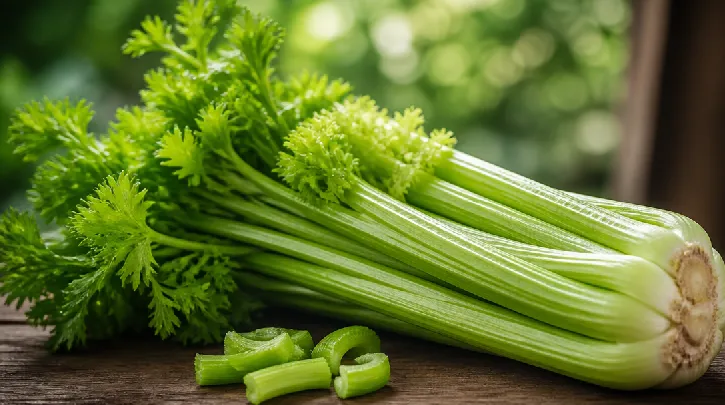
Living with elevated cholesterol can feel like navigating a silent, constant threat to your cardiovascular well-being, demanding a proactive approach to diet and lifestyle. Fortunately, the solution doesn’t always lie in complex medical interventions. For many, integrating simple, powerful ingredients like celery into their daily regimen offers a tangible path towards better heart health and can significantly help in managing cholesterol levels. This versatile vegetable provides a natural, accessible strategy to positively impact your cholesterol profile, raising the question: does celery lower cholesterol effectively?
Understanding High Cholesterol and Its Health Implications
When you receive a blood test showing elevated cholesterol, it’s a signal to pay closer attention to your cardiovascular system. Understanding what cholesterol is and how it impacts your body is the first step toward regaining control. High cholesterol often contributes silently to serious health conditions, making informed dietary choices crucial for prevention and management, and exploring foods like celery and cholesterol reduction.
What is Cholesterol, and Why Does It Matter for Your Heart?
Cholesterol is a waxy, fat-like substance found in all your body’s cells. It’s essential for building healthy cells, producing hormones, and aiding in vitamin D synthesis. Your liver produces all the cholesterol your body needs, but you also get it from certain foods you eat.
There are two primary types of cholesterol: low-density lipoprotein (LDL) and high-density lipoprotein (HDL). LDL cholesterol, often dubbed “bad” cholesterol, contributes to fatty buildups in your arteries, narrowing them and increasing the risk of heart attacks and strokes. HDL cholesterol, or “good” cholesterol, helps remove excess cholesterol from your arteries and transport it back to the liver for removal from the body, thus protecting against heart disease. Triglycerides are another type of fat in your blood, and high levels, combined with high LDL or low HDL, also significantly raise your risk of heart attack and stroke. Understanding these distinctions is key to appreciating how foods like celery can play a role in maintaining healthy levels.
The Silent Threat: Recognizing Risk Factors
High cholesterol often presents no symptoms, earning it the moniker “silent killer.” Many people discover they have high cholesterol only after a routine blood test. This lack of obvious warning signs makes understanding risk factors even more critical.
Several factors can increase your risk of developing high cholesterol. These include a family history of high cholesterol or heart disease, a diet high in saturated and trans fats, a lack of regular physical activity, obesity, smoking, and certain medical conditions like diabetes and kidney disease. Age also plays a role, as cholesterol levels tend to rise as people get older. For men, the risk generally increases after age 45, while for women, it typically rises after age 55. Recognizing these risk factors empowers you to take proactive steps, such as dietary modifications, before serious complications arise, and considering if celery is good for cholesterol management in your personal health plan.
The Science Behind Celery’s Cholesterol-Lowering Abilities
While often overlooked as a mere crunchy snack, celery holds a surprising arsenal of compounds that contribute to heart health, particularly in its ability to influence cholesterol levels. The humble stalk is far more than just water; it’s a potent source of beneficial bioactive molecules, which raises interest in how celery lower cholesterol in the body.
Nature’s Pharmacy: Key Compounds in Celery
Celery is a rich source of various compounds that contribute to its medicinal properties. Understanding these specific components helps explain how celery can lower cholesterol and support overall well-being.
Phthalides, Apigenin, and Luteolin: Beyond Basic Nutrition
One of the most notable groups of compounds in celery is phthalides, particularly 3-n-butylphthalide (3nB). Research indicates that 3nB may help celery reduce cholesterol levels, specifically LDL, often dubbed “bad” cholesterol. These compounds are believed to promote bile acid secretion, which plays a role in cholesterol metabolism.
Beyond phthalides, celery is also abundant in flavonoids like apigenin and luteolin. Apigenin, a powerful antioxidant, has been studied for its potential to inhibit cholesterol biosynthesis in the liver. Luteolin, another significant flavonoid, also exhibits antioxidant and anti-inflammatory properties, further contributing to cardiovascular protection by preventing oxidative stress, a key factor in atherosclerosis development. Incorporating celery into your diet regularly can help your body address these concerns, highlighting why celery is good for lowering cholesterol.
Celery’s Remarkable Fiber Content
Celery is an excellent source of dietary fiber, both soluble and insoluble. A single large stalk (around 40 grams) contains about 1.6 grams of fiber. This fiber content is a critical component in celery’s ability to help with cholesterol. Soluble fiber, in particular, forms a gel-like substance in the digestive tract that can bind to cholesterol and prevent its absorption into the bloodstream. This bound cholesterol is then excreted from the body, leading to a reduction in overall celery cholesterol levels, especially LDL, which highlights celery’s role in managing heart health. The insoluble fiber, while not directly impacting cholesterol absorption, supports digestive regularity, which indirectly aids in overall metabolic health.
How Celery Tackles LDL and Triglycerides
The combined action of celery’s unique compounds and its substantial fiber content creates a multi-pronged approach to managing blood lipids. It’s not just a single mechanism, but a synergistic effect that makes celery a powerful ally in the fight against high cholesterol, offering a natural answer to the question, “can celery lower cholesterol?”
Mechanism 1: Bile Acid Binding and Cholesterol Excretion
The soluble fiber in celery plays a crucial role in lowering LDL cholesterol. When you consume soluble fiber, it forms a viscous gel in your digestive system. This gel binds to bile acids, which are compounds made from cholesterol in the liver and are necessary for fat digestion. By binding to these bile acids, the fiber prevents their reabsorption in the intestines and instead promotes their excretion from the body. To compensate for the lost bile acids, the liver must pull more cholesterol from the bloodstream to produce new ones, effectively lowering circulating LDL cholesterol. This process directly reduces the amount of cholesterol available to deposit in arterial walls, thereby helping celery lower cholesterol.
Mechanism 2: Inhibiting Cholesterol Synthesis in the Liver
Beyond fiber, the bioactive compounds within celery contribute to its cholesterol-reducing potential by influencing liver function. Some research suggests that the phthalides and flavonoids present in celery may help to inhibit enzymes involved in cholesterol synthesis within the liver. Specifically, apigenin has been studied for its potential to suppress HMG-CoA reductase activity, an enzyme that is a rate-limiting step in the body’s production of cholesterol. By modulating these pathways, celery can help reduce the overall production of cholesterol by the body, offering a complementary strategy to dietary fiber’s action on absorption, demonstrating how celery helps lower cholesterol.
Mechanism 3: Antioxidant Effects and Vascular Protection
The high antioxidant content of celery, including compounds like apigenin, luteolin, and vitamin C, also contributes significantly to heart health. Oxidative stress is a key factor in the development and progression of atherosclerosis, where LDL cholesterol becomes oxidized and contributes to plaque formation in arteries. By neutralizing free radicals, celery’s antioxidants help protect LDL cholesterol from oxidation, thereby reducing its harmful effects on arterial walls. This protective action supports overall vascular health and reduces the inflammatory processes that can exacerbate arterial damage, further emphasizing how celery helps lower cholesterol effectively.
Beyond LDL: Celery’s Broader Heart Health Benefits
While its impact on cholesterol is notable, celery’s benefits extend far beyond just managing LDL and triglycerides. Its rich nutritional profile contributes to several other aspects of cardiovascular health.
Celery is a natural diuretic and contains compounds that may help relax the smooth muscles around blood vessels, potentially leading to lower blood pressure. This effect is partly attributed to the presence of phthalides, which have been observed to aid in vasodilation. Stable blood pressure is crucial for preventing heart disease and stroke. Additionally, the anti-inflammatory properties of celery’s flavonoids help mitigate systemic inflammation, a recognized risk factor for numerous chronic diseases, including cardiovascular conditions. A diet rich in anti-inflammatory foods like celery can protect the delicate lining of blood vessels, reducing the likelihood of plaque buildup and supporting robust circulation, further bolstering celery’s role in a comprehensive heart-healthy diet, showcasing its potential as a food that is good for cholesterol management.
Incorporating Celery into Your Diet for Optimal Heart Health
Harnessing celery’s cholesterol-lowering potential is straightforward and can be a delicious addition to your daily routine. The key is consistent consumption and choosing the right forms to maximize its benefits.
Fresh is Best: Maximizing Nutritional Impact
For the most potent impact on your cholesterol levels, fresh celery is generally the superior choice. The vibrant green stalks and leaves are packed with the highest concentrations of beneficial phthalides, flavonoids, and dietary fiber. When celery is cooked for extended periods or processed, some of these delicate compounds, particularly water-soluble vitamins and certain antioxidants, can degrade. Eating raw celery ensures you receive the full spectrum of its nutritional goodness.
Look for celery that is crisp, firm, and bright green. Avoid stalks that appear wilted, rubbery, or have significant blemishes. Store celery in the refrigerator, ideally in a sealed container or wrapped in foil, to maintain its freshness and nutrient content for as long as possible. A fresh stalk provides the best opportunity for celery to lower cholesterol effectively.
Delicious Ways to Enjoy Celery Daily
Integrating celery into your diet doesn’t have to be bland or boring. Its mild, slightly peppery flavor makes it incredibly versatile. Here are some expert-approved ways to enjoy celery and support your efforts to reduce cholesterol:
- Snack Smart: Enjoy celery sticks with a smear of natural almond butter or a tablespoon of hummus for a satisfying and fiber-rich snack.
- Juice or Smoothies: Blend celery with other heart-healthy ingredients like spinach, cucumber, green apple, and a slice of ginger. A daily celery juice can deliver a concentrated dose of its beneficial compounds, supporting the idea that does celery juice lower cholesterol is a common inquiry.
- Salad Boost: Chop celery into your favorite green salads, chicken salad, tuna salad, or egg salad for added crunch and nutrients.
- Soups and Stews: Celery is a staple in many mirepoix bases for soups, stews, and casseroles. While some nutrients may be lost, it still contributes fiber and flavor.
- Stir-fries and Sautéed Dishes: Add sliced celery to stir-fries with lean protein and other vegetables. It holds its texture well and absorbs flavors.
- Stuffings and Dressings: Incorporate finely diced celery into homemade stuffings for poultry or savory dressings.
- Dips and Spreads: Use celery sticks as dippers for healthy homemade dips like guacamole or a Greek yogurt-based ranch.
The goal is consistency. Finding ways to enjoy celery daily, even in small amounts, will contribute more to your heart health goals than sporadic, large servings.
Celery Juice and Extracts: What’s the Evidence?
Celery juice has gained considerable popularity in recent years, often touted for its detoxifying and health-boosting properties, including its potential to significantly help celery lower cholesterol. While juicing concentrates certain nutrients, it also removes the beneficial fiber. When you juice celery, you get a higher concentration of the phthalides and flavonoids per serving, but you miss out on the bile-acid-binding action of the whole food fiber.
Some studies suggest that concentrated celery extracts, often in supplement form, can effectively reduce cholesterol and triglyceride levels. For example, research published in the journal Pharmacognosy Magazine noted that celery seed extract demonstrated hypolipidemic effects in animal models, suggesting that celery reduce cholesterol levels,
specifically LDL. However, it’s essential to approach extracts with caution. Supplements are not regulated with the same rigor as pharmaceuticals, and the concentration and purity can vary widely. Always consult with a healthcare professional before adding any new supplement to your regimen, especially if you are on cholesterol-lowering medications.
My advice? Start with whole, fresh celery. If you enjoy juicing, balance it with whole celery consumption to ensure you get all the benefits of foods that are good for lowering cholesterol. For those considering extracts, ensure you choose reputable brands and discuss it with your doctor to avoid potential interactions or adverse effects.
Celery vs. Other Cholesterol-Reducing Foods: A Comparison
While celery is a formidable ally in managing cholesterol, it’s just one player in a broader team of cholesterol reducing foods. Understanding how it compares to other heart-healthy options can help you build a diverse and effective diet.
| Food Item | Primary Cholesterol-Lowering Mechanism | Key Nutrients for Heart Health | Best Uses |
|---|---|---|---|
| Celery | Soluble fiber binds to bile acids; Phthalides and flavonoids inhibit cholesterol synthesis and offer antioxidant protection. | Fiber, Phthalides, Apigenin, Luteolin, Vitamin K, Vitamin C, Potassium | Raw sticks, salads, juices, soups, stir-fries |
| Oats | Beta-glucan (a soluble fiber) forms a gel that binds to cholesterol and delays absorption. | Soluble fiber (beta-glucan), B vitamins, Iron, Magnesium | Oatmeal, overnight oats, muffins, as a binder in meatballs |
| Apples | Pectin (a soluble fiber) binds to cholesterol; Polyphenols act as antioxidants. | Pectin, Polyphenols, Vitamin C | Raw, sliced, baked, in salads, smoothies |
| Nuts (Almonds, Walnuts) | Monounsaturated and polyunsaturated fats lower LDL; Plant sterols block cholesterol absorption; Fiber. | Healthy fats, Fiber, Vitamin E, Magnesium, Plant sterols | Snacks, sprinkled on salads, incorporated into baked goods (in moderation) |
| Avocado | Monounsaturated fats help reduce LDL and raise HDL; Soluble fiber. | Monounsaturated fats, Fiber, Potassium, Vitamin K, Folate | Guacamole, sliced in salads/sandwiches, smoothies |
As you can see, each food offers unique strengths. Celery’s combination of specific bioactive compounds and soluble fiber makes it a distinct and valuable contributor, answering the question: can celery lower cholesterol? My personal approach is never to rely on a single food. Instead, I always advise a varied diet that incorporates a wide range of these beneficial ingredients. This synergistic effect provides a more robust defense against high cholesterol and fosters overall heart health. Aim for variety, mixing and matching these options throughout your week to get a broad spectrum of nutrients.
Practical Tips for Managing Your Cholesterol with Diet and Lifestyle
Lowering cholesterol is a marathon, not a sprint. While celery can be a powerful addition, it thrives within a holistic strategy. Here’s what I’d actually do, integrating celery with other proven methods.
Smart Food Choices Beyond Celery
To truly impact your cholesterol, you need a comprehensive dietary overhaul, not just adding one superfood. Focus on a diet rich in whole, unprocessed foods. Prioritize lean proteins like chicken breast, fish (especially fatty fish like salmon, tuna, and mackerel, which are rich in omega-3 fatty acids), and plant-based options like lentils and beans. Choose healthy fats from sources like olive oil, avocados, and nuts over saturated and trans fats found in red meat, full-fat dairy, and many processed snacks. Increasing your intake of soluble fiber is paramount; beyond celery, look to oats, barley, apples, berries, and legumes. These foods collectively work to support your efforts, demonstrating how celery for cholesterol management is part of a larger plan.
My advice? Read food labels diligently. Look for “partially hydrogenated oils,” which indicate trans fats, and aim to minimize saturated fat intake to less than 10% of your daily calories, as recommended by the American Heart Association. Small, consistent changes across your diet will yield far greater results than any single ingredient.
Lifestyle Habits That Amplify Your Efforts
Diet is a cornerstone, but lifestyle habits provide the essential support structure for managing cholesterol and improving heart health in conjunction with foods like celery and cholesterol-lowering strategies. Regular physical activity is non-negotiable. Aim for at least 150 minutes of moderate-intensity aerobic exercise or 75 minutes of vigorous-intensity exercise per week, combined with muscle-strengthening activities twice a week. This can include brisk walking, cycling, swimming, or even gardening. Exercise helps raise HDL (“good”) cholesterol and lowers LDL (“bad”) cholesterol and triglycerides.
Maintaining a healthy weight is another critical factor. Losing even a modest amount of weight can significantly improve cholesterol levels. If you smoke, quitting is one of the most impactful steps you can take for your heart health. Smoking damages blood vessels and lowers HDL cholesterol. Lastly, manage stress effectively through techniques like meditation, yoga, or spending time in nature. Chronic stress can indirectly impact cholesterol levels by influencing lifestyle choices. These habits create a powerful synergy with your dietary changes, making your efforts to reduce cholesterol much more effective.
Even with good intentions, people often make mistakes that hinder their progress in managing cholesterol. One common error is focusing solely on dietary cholesterol. While important, saturated and trans fats have a far greater impact on your blood cholesterol levels than the cholesterol you consume directly. Another mistake is ignoring portion sizes of even healthy foods. Nuts and avocados, for instance, are healthy but calorie-dense; overconsumption can lead to weight gain, counteracting benefits. My clients often underestimate the hidden fats and sugars in processed foods, even those marketed as “healthy.”
Avoiding a “quick fix” mentality is also crucial. There’s no single supplement or food that will magically solve high cholesterol. It requires consistent, long-term commitment to a balanced diet and healthy lifestyle. Lastly, don’t stop monitoring your cholesterol levels once you start making changes. Regular check-ups with your doctor are essential to track progress, make adjustments, and ensure your strategies are working effectively. Your doctor can also advise on appropriate medical interventions if lifestyle changes alone are insufficient to manage your LDL and triglyceride levels, and whether celery can lower cholesterol sufficiently for your individual needs.
Frequently Asked Questions About Celery and Cholesterol
Can celery alone lower my cholesterol significantly?
While celery is good for cholesterol management due to its fiber and unique compounds, it’s generally not sufficient on its own to significantly lower very high cholesterol levels. It works best as part of a comprehensive strategy that includes a balanced diet rich in other cholesterol reducing foods, regular exercise, maintaining a healthy weight, and avoiding smoking. For individuals with medically elevated cholesterol, celery can complement prescribed treatments but should not replace them. Always consult your healthcare provider for personalized advice.
How much celery should I eat daily to impact cholesterol?
There isn’t a universally prescribed amount of celery specifically for cholesterol reduction, as research often uses concentrated extracts. However, incorporating 2-4 large stalks of celery into your daily diet, either raw, in salads, or blended into smoothies, is a practical and beneficial goal. Consistency is more important than sporadic large servings. This amount helps ensure a regular intake of its fiber and beneficial compounds for celery for cholesterol benefits.
Are celery seeds or celery seed extract also effective for cholesterol?
Celery seeds and extracts contain concentrated forms of compounds like phthalides. Some animal studies and preliminary human research suggest that celery seed extract may have hypolipidemic (cholesterol-lowering) effects, meaning does celery reduce cholesterol when consumed in these forms. However, more extensive human clinical trials are needed to confirm these benefits and establish appropriate dosages. If considering celery seed extract, always consult your healthcare provider, especially if you are taking other medications for cholesterol or blood pressure, to ensure safety and avoid potential interactions.
Does cooking celery reduce its ability to lower cholesterol?
Cooking can lead to some loss of water-soluble vitamins and certain delicate antioxidant compounds in celery. However, its fiber content remains largely intact. While raw celery offers the maximum nutritional punch, lightly steaming or stir-frying celery can still provide significant benefits for celery and cholesterol management. The key is to avoid overcooking, which can diminish its overall nutritional value. A balanced approach incorporating both raw and lightly cooked celery is ideal.
What other foods pair well with celery for cholesterol reduction?
Celery pairs excellently with other cholesterol reducing foods to create synergistic benefits. Consider combining it with apples (pectin), oats (beta-glucan), nuts (healthy fats, plant sterols), legumes (soluble fiber), and leafy greens (antioxidants, fiber). For instance, a salad with celery, apples, walnuts, and a light olive oil dressing offers a powerful blend of heart-healthy nutrients. Smoothies with celery, spinach, berries, and a tablespoon of chia seeds (more fiber) are another great combination, enhancing how celery helps lower cholesterol when part of a varied diet.
Embracing celery as a consistent part of your dietary strategy can be a remarkably effective step in proactively managing your cholesterol, especially as to does celery help lower cholesterol effectively. Its unique blend of fiber, phthalides, and flavonoids provides a natural, accessible way to support cardiovascular health. By integrating this versatile vegetable into a broader lifestyle focused on whole foods, regular activity, and informed choices, you empower yourself to achieve meaningful improvements in your cholesterol profile and safeguard your heart for the long term. For more general information on cholesterol management, visit the Centers for Disease Control and Prevention (CDC) website.
