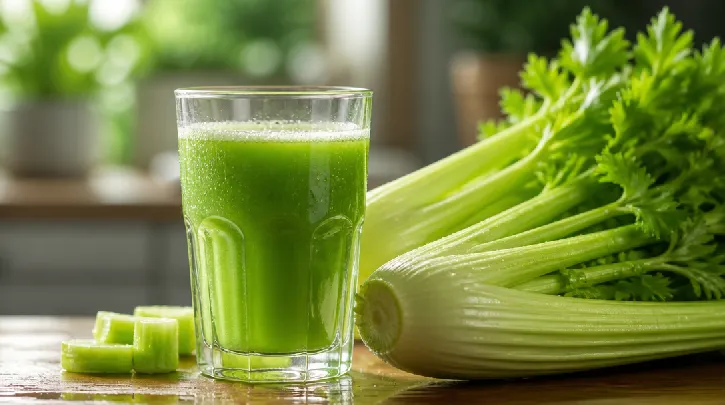
Feeling sluggish or constantly thirsty, even after drinking water? You might be overlooking a simple, crunchy vegetable that offers significant celery hydration benefits and crucial electrolyte support. This guide will explore whether is celery a diuretic and how incorporating it into your diet can markedly improve your fluid balance and overall well-being, helping you feel refreshed and energized.
Why Your Body Needs Optimal Hydration and Electrolytes
Hydration is more than just drinking water; it is about maintaining the right balance of fluids and essential minerals, known as electrolytes, within your body. These electrolytes, which include sodium, potassium, and magnesium, play vital roles in nerve function, muscle contraction, and maintaining proper fluid balance. Without adequate hydration and electrolyte levels, your body cannot perform at its best, leading to symptoms like fatigue, muscle cramps, and even cognitive fogginess.
Many individuals struggle to consume enough water daily, and even those who do may miss out on critical electrolytes lost through sweat or simply not replenished by their diet. This is where hydrating vegetables like celery offer a distinct advantage, providing both fluids and a spectrum of micronutrients. Understanding does celery hydrate you effectively is key to appreciating its role in daily wellness.
Understanding Electrolyte Function
- Sodium: Crucial for maintaining fluid balance outside cells and transmitting nerve impulses.
- Potassium: Essential for fluid balance inside cells, muscle contractions, and regulating blood pressure. Research from institutions like the American Heart Association notes that potassium helps your kidneys manage excess sodium.
- Magnesium: Involved in over 300 biochemical reactions in the body, including muscle and nerve function, blood glucose control, and blood pressure regulation.
The Power of Celery: More Than Just Water
Celery is often recognized for its crisp texture and low-calorie profile, but its true power lies in its impressive nutritional composition. Comprising about 95% water, celery is an excellent choice for preventing dehydration, particularly during hot months or after exercise. This high celery water content helps replenish fluids. Furthermore, it provides a valuable array of vitamins, minerals, and antioxidants that contribute significantly to overall health.
Beyond its water in celery, this vegetable offers specific compounds that promote health. These include phthalides, which may help relax blood vessels, and apigenin, a flavonoid known to reduce inflammation in blood vessels. By integrating celery into your daily routine, you are not just quenching thirst; you are also supporting various physiological functions.
Celery Water Content: A Natural Hydrator
The high celery water percentage makes it a natural for supporting hydration. Three medium stalks of celery contain approximately four ounces of water, a meaningful contribution to your daily fluid intake, as reported by various nutritional sources. This insight into how much water in celery makes post-workout consumption an intelligent choice for rehydration, especially when paired with its electrolyte profile. Eating whole celery provides the most comprehensive benefits, as juicing, while still hydrating, may remove some of its beneficial fiber.
Celery Electrolytes: Supporting Fluid Balance and Beyond
Celery is a good source of several key electrolytes, making it beneficial for maintaining fluid balance and various bodily functions. These include potassium, sodium, and magnesium, which are vital for nerve signaling, muscle function, and maintaining healthy blood pressure. The combination of its high water content and these electrolytes makes celery an effective natural option for fluid balance. It means your cells can effectively absorb and utilize the water you consume, leading to better overall hydration, distinguishing it for its significant celery hydration benefits. This gentle celery diuretic effect comes primarily from its high fluid contribution rather than strong pharmacological action.
Beyond Hydration: Comprehensive Celery Benefits
While often celebrated for its role in fluid balance, celery offers a much broader spectrum of health advantages. This humble vegetable provides a wealth of micronutrients, antioxidants, and anti-inflammatory compounds that contribute to cardiovascular health, digestion, and even bone strength. These multifaceted benefits highlight that celery contributes to overall well-being beyond just hydration.
Heart Health and Blood Pressure Regulation
Many individuals seek ways to naturally support their cardiovascular system, and celery provides several pathways to achieve this. The low sodium content of celery makes it a good option if you have high blood pressure or cardiovascular disease. Its stalks contain micronutrients that actively protect your heart and help keep high blood pressure in check.
- Apigenin: This flavonoid reduces inflammation in blood vessels.
- Magnesium: Essential for regulating heart rate.
- Phthalides: These phytonutrients improve blood flow through the arteries. Research suggests that these compounds may help relax blood vessels and lower blood pressure levels.
- Potassium: This electrolyte aids your kidneys in shedding excess sodium, directly contributing to blood pressure regulation.
Consuming celery may also reduce other heart disease risk factors, such as inflammation and the buildup of plaque in the arteries, known as atherosclerosis.
Anti-Inflammatory and Antioxidant Properties
Chronic inflammation is a root cause of many common health issues. Celery is rich in plant-based flavonoids, phytonutrients, and polyphenols, all of which provide significant antioxidant benefits. These compounds may prevent inflammation that contributes to blood clots, heart disease, and hardening of the arteries. By neutralizing highly reactive compounds before they can cause damage, antioxidants in celery protect your cells and support long-term health. For a deeper dive into how celery fights inflammation, check out celery anti-inflammatory compounds.
Digestive Health and Gut Support
For those looking to improve their digestion, celery offers both fiber and complex carbohydrates. While an eight-inch stalk contains less than one gram of fiber, even this small amount, primarily insoluble fiber, helps form stool and promotes regularity. Some sources point out that celery root, the knobby end of the plant, generally has the most fiber.
Moreover, celery contains complex carbohydrates that your body does not fully digest. These ferment in the large intestine, fostering a healthy digestive tract and improving gut health. The high water in celery also aids in bulking and softening stool, making it easier to pass, which supports overall digestion. The combination of these factors makes celery an excellent food for overall digestive wellness.
Building Strong Bones and Healthy Blood
Celery is a surprisingly good source of vitamin K, providing approximately 30 micrograms per serving, which is about 30% of your daily value. This vital vitamin plays dual roles in your body: aiding blood clotting and helping to build strong bones, as detailed by the National Institutes of Health (NIH). Ensuring adequate vitamin K intake is crucial for maintaining skeletal integrity and proper physiological function, adding to the holistic celery hydration benefits.
Weight Management Aid
With its low-calorie count and high fiber content, celery can be a valuable ally in weight management strategies. Many nutritional experts highlight that it is also a low-glycemic-index food, meaning it has a minimal impact on blood sugar levels. This combination makes it a satisfying snack that can help you feel full without consuming excess calories.
Integrating Celery into Your Lifestyle
Making celery a regular part of your diet is straightforward, given its versatility. Whether you prefer it raw, cooked, or juiced, there are many ways to enjoy its benefits. However, consider the form in which you consume it to maximize its nutritional value.
Eating Whole Celery: The Best Approach
Eating whole celery stalks is generally the most beneficial method as it preserves all the fiber, vitamins, and minerals. Crunchy and convenient, it is the quintessential hydrating vegetable snack. Nutritionists emphasize that eating the stalks offers more fiber and satiety compared to juicing.
- Snacking: The classic pairing with peanut butter or cream cheese remains popular.
- Salads: Add chopped celery to enhance crunch and freshness.
- Soups and Stir-fries: Celery softens beautifully when cooked, adding depth of flavor and nutrients to various dishes.
- Stuffing: A traditional ingredient, it contributes moisture and texture.
Celery Juice: Pros and Cons
Celery juice gained significant popularity for its purported health benefits. It is indeed a concentrated source of electrolytes like sodium, potassium, magnesium, and calcium, making it a natural electrolyte drink potentially comparable to sports powders. This makes it an appealing option for celery thirst quenching.
However, juicing strips away much of celery’s beneficial fiber. While helpful for hydration, consuming whole celery offers a more complete nutritional profile, including the insoluble fiber important for digestive health. If you use a blender, you can retain more pulp for higher fiber content by skipping the straining step. If you opt for juicing, be mindful that some individuals may experience digestive side effects from the concentrated effects, such as increased bowel movements.
How to make celery juice at home:
- Thoroughly clean and separate one bunch of celery stalks. Chop off the base and tops to prevent bitterness.
- If using a juicer, feed each stalk through until the entire bunch is used.
- If using a blender, chop the stalks into thirds, add them to the blender with about half a cup of water, and blend until liquified.
- For juice without pulp, strain the liquified celery through a fine-mesh sieve or nut milk bag into a bowl.
- Fresh celery juice can be refrigerated and covered for three to four days.
Considerations and Potential Downsides of Celery Consumption
While generally safe and beneficial, celery can cause mild allergic reactions in some individuals, particularly those with pollen food syndrome (PFS), also known as oral allergy syndrome. Symptoms may include swelling of the lips, tongue, or throat, as mentioned by allergists. If you have concerns, consult a healthcare provider.
Also, if you are on blood pressure, diabetes, or blood thinner medications, it is wise to consult your healthcare provider before significantly increasing celery or celery juice consumption. The Mayo Clinic indicates that celery’s high vitamin K content may interact with blood thinners.
Comparing Celery to Other Hydrating Options
When considering hydrating vegetables and beverages, it is helpful to understand how celery stacks up against other popular choices. While water is always paramount, integrating foods that also contribute to fluid intake can enhance your hydration strategy and provide diverse celery hydration benefits.
Celery vs. Cucumber Juice
Both celery and cucumber are excellent sources of water, but they offer slightly different profiles. Cucumber juice has a marginal advantage in pure water content, making it slightly better for hydration from a volume perspective. Its mild taste can also make it easier to drink in larger quantities. However, when it comes to electrolytes, celery provides higher concentrations of sodium and potassium. Experts describe these minerals as crucial for regulating fluid balance. For robust celery electrolytes, celery often wins out, while cucumber offers a more subtle hydration without as much of the mineral punch.
| Feature | Celery Juice | Cucumber Juice |
|---|---|---|
| Water Content | High (approx. 95%) | Very High (approx. 96%) |
| Electrolytes (Sodium, Potassium) | High concentration | Smaller amounts |
| Anti-inflammatory Compounds | High (flavonoids like apigenin) | Present (cucurbitacins) |
| Flavor Profile | Stronger, potentially bitter | Mild, refreshing |
| Gut Health Support | Limited (if fiber removed) | Limited (if fiber removed) |
Water Infusions and Other Hydrating Produce
Infused water with celery can also contribute to hydration, offering a subtle flavor without the bitterness some associate with raw celery. Other hydrating vegetables and fruits include watermelon, strawberries, lettuce, and bell peppers. The key is variety and consistent intake to meet your body’s needs. Remember that a varied diet provides a broader spectrum of nutrients, supporting comprehensive well-being.
Expert Tips for Maximizing Hydration with Celery
To truly get the most out of celery for hydration and electrolytes, consider these practical tips from nutrition experts:
- Eat it whole: Prioritize whole celery stalks to retain all the beneficial fiber and nutrients. This provides satiety and aids digestion more effectively than juice. Many health resources state that munching on crunchy, low-sugar vegetables like celery helps remove food particles from your teeth. Plus, all this chewing stimulates saliva, which neutralizes bacteria that cause cavities. For more details, check out how celery cleans your teeth.
- Pair with healthy fats: A small amount of healthy fat (like a nut butter) can slow digestion and help your body absorb fat-soluble vitamins present in celery.
- Post-workout replenishment: For athletes or anyone engaging in intense physical activity, post workout celery can help replenish lost fluids and electrolytes, offering benefits similar to a sports drink without added sugars. The natural electrolyte content makes this a smart choice to manage celery thirst.
- Listen to your body: While celery is generally healthy, pay attention to how your body reacts, especially if you are new to incorporating it in large quantities.
- Store properly: To maintain its crispness and celery water content, store celery in the refrigerator, ideally submerged in water or wrapped tightly.
Frequently Asked Questions
Is celery a diuretic in the same way as medication?
No, celery is not a strong diuretic like pharmaceutical drugs. While it has a mild celery diuretic effect due to its high celery water percentage and potassium content, it primarily increases urination simply by contributing to overall fluid intake. It acts more as a natural enhancer of fluid balance than a potent medicinal diuretic.
Does celery hydrate you effectively?
Yes, celery is an excellent choice for hydration. With approximately 95% water in celery by weight, it directly contributes to your daily fluid intake. Its natural electrolyte profile further aids in fluid absorption and retention, making it a very effective hydrator.
Is celery as a diuretic a common traditional remedy?
Historically, various cultures have recognized celery for its cleansing and mild diuretic properties. While not a potent agent, its use as a diuretic in traditional contexts often focused on supporting kidney function and reducing water retention through natural means, primarily due to its high water and electrolyte content.
Is celery a “negative calorie food”?
No, this is a myth. While celery is very low in calories (one medium stalk has fewer than six calories) and your body does burn some energy digesting it, it still provides some energy. Maya Feller, MS, RD, CDN and Dawn Jackson Blatner, RDN, CSSD both agree that the idea of burning more calories than you consume from celery is not accurate.
Can celery juice help with hangovers?
Hangovers are primarily caused by dehydration and electrolyte imbalances. Given that celery juice is essentially concentrated water and electrolytes, it can certainly help rehydrate and replenish some vital minerals, potentially easing hangover symptoms. It is the rehydration and electrolyte support that helps, rather than any unique “hangover cure” property.
How much water in celery contributes to daily fluid intake?
Three medium stalks of celery contain approximately four ounces of water, meaning a significant celery water percentage that can contribute meaningfully to your daily hydration goals. Regularly incorporating it throughout the day can boost your total fluid consumption.
Is celery a natural diuretic that is safe for everyone?
For most healthy individuals, celery as a diuretic is considered safe and beneficial due to its gentle nature and high nutrient profile. However, individuals on specific medications, such as blood thinners, or those with known allergies should consult a healthcare professional before significantly increasing their celery intake.
Ultimately, celery stands out as an exceptional hydrating vegetable, offering much more than just water. Its rich profile of vitamins, minerals, and electrolytes makes it an effective tool for maintaining fluid balance, supporting heart health, aiding digestion, and fighting inflammation. While not a strong medication, its gentle celery diuretic effect contributes to overall fluid balance. Whether enjoyed raw, cooked, or as juice, incorporating celery into your daily diet is a simple yet powerful step toward enhanced wellness and sustained energy.
