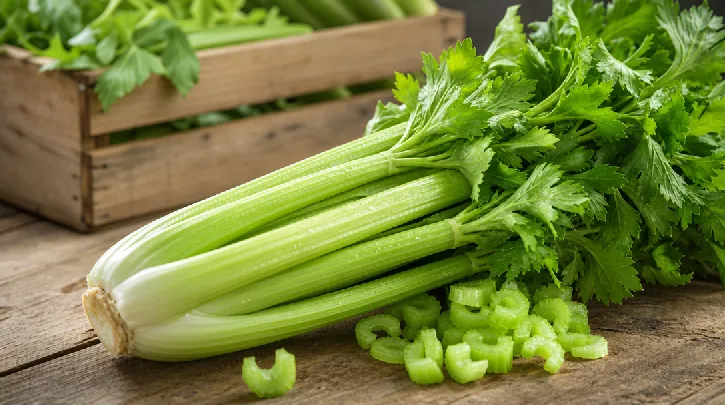
Are you looking to enhance your dietary intake with a low-calorie, nutrient-rich vegetable? Understanding precise celery nutrition facts helps individuals transform their approach to healthy eating, revealing how this seemingly simple stalk packs a powerful punch for overall wellness. Delving into the comprehensive celery nutritional value allows us to appreciate the myriad benefits of this common vegetable.
What Exactly Makes Celery a Nutritional Powerhouse?
Celery, a member of the Apiaceae family alongside carrots and parsley, offers far more than just a crunchy vehicle for dips. Its mild flavor and versatility in both raw and cooked applications make it a kitchen staple. However, the underlying nutritional composition truly sets it apart. This vegetable delivers a significant amount of water and essential micronutrients, contributing substantially to a balanced diet and highlighting the excellent nutrition of celery.
Registered dietitian Amber Sommer, RDN, LD, emphasizes that celery provides a “low-calorie vegetable that offers much-needed nutrients, water, and some fiber.” This statement underscores its dual role, delivering hydration and essential nutrients while maintaining exceptionally low calorie counts.
Breaking Down Celery’s Nutritional Profile
To truly understand “is celery good for you,” individuals benefit from examining its key components. A typical serving of celery is predominantly water, but it also contains a spectrum of vitamins, minerals, and other bioactive compounds. Let’s look at the specific nutrition info celery offers in detail.
For instance, two large stalks (approximately 128 grams or 1 cup chopped) of celery provide the following approximate celery nutrition data:
| Nutrient | Amount (per 128g) |
|---|---|
| Calories | 17.9 |
| Fat | 0.2 grams |
| Sodium | 102 milligrams |
| Carbohydrates | 3.8 grams |
| Fiber | 2.04 grams |
| Protein | 0.88 grams |
This breakdown highlights celery’s role as a low-calorie, low-carbohydrate food that still contributes meaningfully to your daily fiber intake, crucial for digestive health. It also helps answer common questions like how many carbs are in celery and how much sodium is in celery, confirming its suitability for various dietary preferences. Specifically, for those asking, “how many carbs is in celery?”, two large stalks offer less than 4 grams. The data also clearly shows the amount of protein in celery, confirming it offers a small but beneficial quantity.
Key Celery Vitamins and Minerals
While often overlooked, celery provides a respectable source of several vital micronutrients. These celery nutrients, encompassing various vitamins and minerals, play diverse roles in maintaining bodily functions and promoting overall health, contributing significantly to the overall nutrition in celery.
- Vitamin K: With approximately 30 micrograms per serving of celery (about 30% of the daily value), vitamin K is crucial for blood clotting and contributes to strong bone health, according to the Cleveland Clinic.
- Potassium: This notable electrolyte is essential for regulating heart rate, blood pressure, and ensuring proper kidney function by helping to shed excess sodium. A 128-gram serving can provide around 332 milligrams, making it a good contributor to daily potassium needs for adults.
- Folate: This B vitamin is vital for cell division and the formation of red blood cells. Celery contributes about 46 micrograms per serving.
- Vitamin C: Though in smaller amounts (around 3.96 milligrams per serving), vitamin C offers antioxidant benefits and supports immune function.
- Magnesium: This important electrolyte aids in regulating heart rate and numerous enzymatic reactions in the body.
- Vitamin A: Celery provides trace amounts of vitamin A, important for vision and immune health.
- Manganese: This trace mineral contributes to bone health and metabolic processes.
The combination of these micronutrients makes celery good for you and a valuable addition to a diet aimed at holistic wellness, supporting various physiological processes. These specific celery nutrients are integral to its overall health benefits.
Unpacking the Health Benefits of Celery
Beyond its basic nutritional composition, celery offers a range of specific health advantages. These benefits stem from its unique blend of water, fiber, and specific plant compounds, solidifying why many consider the many celery facts and health benefits a compelling reason to include it in their daily intake.
Heart Health and Blood Pressure Regulation
Celery is particularly beneficial for cardiovascular well-being. Its low sodium content makes it a smart choice for individuals managing high blood pressure or cardiovascular disease, as highlighted by the Cleveland Clinic. Several compounds within celery actively support heart health:
- Phthalides: These phytonutrients are known to improve blood flow through arteries.
- Apigenin: This flavonoid helps reduce inflammation within blood vessels.
- Potassium: As an electrolyte, potassium assists the kidneys in removing excess sodium, which directly impacts blood pressure regulation.
Current research continues to explore the cardiovascular benefits of celery and its compounds. While specific human studies on whole celery consumption for blood pressure are ongoing, the constituent compounds show considerable promise for supporting heart health. Integrating celery into a balanced diet can contribute to maintaining healthy blood pressure levels and improving overall celery nutritional value for the heart.
Fights Inflammation with Celery Antioxidants
The anti-inflammatory properties of celery are well-documented. It contains a rich array of plant-based flavonoids, phytonutrients, and polyphenols that act as celery antioxidants. These compounds play a critical role in neutralizing free radicals, which are unstable molecules that can cause cellular damage and contribute to chronic inflammation.
Specific anti-inflammatory compounds include:
- Apigenin: This powerful flavonoid is noted for its ability to block inflammatory pathways and reduce the production of pro-inflammatory cytokines, as research indicates (e.g., studies referenced on Healthline).
- Luteolin: Another flavonoid with significant antioxidant capacity found in celery, contributing to its protective effects against cellular damage.
Studies suggest that antioxidants can prevent inflammation linked to blood clots, heart disease, and atherosclerosis (hardening of the arteries), as explained by the Cleveland Clinic. These protective qualities also extend to oral health, helping to minimize gum inflammation and gum disease.
Supports Healthy Digestion and Gut Health
The combination of water and celery fiber makes it an excellent choice for digestive health. While not exceptionally high in bulk fiber, even the modest amount present offers significant benefits.
- Fiber: With approximately 2.04 grams of fiber in two large stalks, this vegetable contributes to regular bowel movements. Much of this is insoluble fiber, which adds bulk to stool, aiding its passage through the digestive system, as noted by the Cleveland Clinic.
- Complex Carbohydrates: Celery also contains certain complex carbohydrates that resist digestion in the upper gastrointestinal tract. These ferment in the large intestine, fostering a healthy gut microbiome and improving overall gut health.
Furthermore, animal studies have indicated that celery, particularly its extracts from stems and leaves, may offer protection against stomach ulcers and help repair damage to the stomach lining, as reported by various health publications including Healthline. Its alkaline effects, partly due to minerals like magnesium and sodium, can also help neutralize stomach acid.
Aids in Hydration and Weight Management
Given that celery is about 95% water, it serves as an excellent food for preventing dehydration, especially during warm weather or after physical activity, per the Cleveland Clinic. This high water content, combined with its low-calorie count, makes celery a fantastic choice for those focusing on weight management initiatives. It allows individuals to feel full without consuming a significant number of calories, making it a valuable part of any healthy diet focused on beneficial celery nutrition.
Two large stalks contain fewer than 20 calories, making it a satiating snack or meal addition that supports a calorie deficit. Its low glycemic index further means it has a minimal impact on blood sugar levels, contributing to more stable energy and potentially reducing cravings.
Promotes Blood and Bone Health
The vitamin K content in celery is particularly noteworthy for two critical bodily functions. It plays an essential role in blood clotting, making it vital for wound healing. Moreover, vitamin K is indispensable for building and maintaining strong, healthy bones. This dual benefit, highlighted by the Cleveland Clinic, positions celery as a significant contributor to overall physical integrity and helps define key celery facts about its benefits.
Incorporating Celery into Your Diet: Expert Tips
Celery’s versatility means it can be enjoyed in countless ways, fitting seamlessly into various culinary traditions. Whether you prefer it raw for a crisp texture or cooked to soften its bite, you can reap its nutritional rewards and enjoy the full celery nutrition facts.
Preparation and Storage
- Raw: Slice celery stalks into sticks for a quick snack, perfect with dips like hummus or peanut butter. Add chopped celery to salads for crunch, or use it in tuna or chicken salad for texture and freshness.
- Cooked: Celery is a foundational ingredient in many soups, stews, and casseroles. It’s often part of a “mirepoix” in French cooking (alongside onions and carrots) or various sofritos, adding aromatic depth.
- Juicing: While celery juice is popular for hydration, it’s important to note that juicing removes much of the valuable fiber, so you’ll miss out on those specific digestive benefits from the whole food.
- Leaves: Don’t discard the leaves. They are edible and contain some of the highest concentrations of calcium, potassium, and vitamin C, as various nutritional sources confirm, including insights on Healthline. Use them as an herb in salads or as a garnish.
- Storage: To keep celery fresh and crisp, store whole stalks in a plastic bag in the crisper drawer of your refrigerator. For longer storage, many prefer to wrap celery tightly in foil before refrigerating.
Flavor Pairings and Culinary Uses
Celery’s distinct, slightly peppery flavor pairs well with a wide range of ingredients, further contributing to its broad appeal and the easy integration of celery nutrition into diverse meals:
- Savory Dishes: It’s a classic in stuffing, chicken noodle soup, and various stir-fries. Its crunch offers a pleasant contrast in softer dishes.
- Salads: From simple green salads to more complex pasta or grain salads, celery provides an essential textural element and refreshing taste.
- Snacks: Beyond the traditional “ants on a log” (celery with peanut butter and raisins), consider filling celery stalks with cream cheese, avocado, or other spreads for a healthy and satisfying snack.
All parts of the celery plant, including the stalks, root, seeds, and leaves, can be utilized in cooking, offering a broad spectrum of nutrient delivery, as detailed by various nutritional resources, including those often cited on Healthline.
Potential Risks and Considerations
While celery is generally considered safe and beneficial for most people, there are a few important considerations and potential risks to be aware of. These are important celery facts for some individuals.
Allergic Reactions
Celery can cause allergic reactions in some individuals. Individuals with pollen food syndrome (PFS), also known as oral allergy syndrome, might experience mild symptoms like lip and throat swelling, hives, or an itchy throat after consuming celery. A true celery allergy is less common but can be more severe, potentially leading to anaphylaxis.
Furocoumarins and Skin Sensitivity
Celery contains compounds called furocoumarins, including psoralens. These substances can accumulate near the skin’s surface. When exposed to sunlight or UV light, they can cause skin issues such as severe sunburn, vitiligo, age spots, and even increase the risk of skin cancer, as highlighted by a study on furocoumarins. Individuals should exercise caution, especially those with sensitive skin.
Celery Seed Supplements
Celery seed extract is available as a supplement and is sometimes promoted for its antioxidant, antihypertensive, and heart health benefits based on animal studies. However, Medical News Today cautions that human research supporting these claims is limited.
More importantly, celery seed supplements contain much higher doses of these compounds than what is found in culinary celery. These supplements are not safe for everyone:
- Pregnancy: Pregnant women should avoid celery seed supplements, as they may stimulate uterine contractions and increase bleeding risk.
- Kidney Conditions: Individuals with kidney inflammation or kidney disease should also avoid these supplements.
- Medication Interactions: Celery seed supplements can interact with common medications, including those for diabetes, thyroid conditions, and high blood pressure. Always consult a healthcare provider before taking any supplement, especially if you have existing health conditions or are on medication.
The long-term safety of high-dose celery seed supplements remains largely unknown due to a lack of extensive research, making professional medical advice crucial before use, according to Medical News Today.
Debunking Common Celery Myths
With its popularity, celery has accumulated some myths. Understanding the accurate celery facts helps in making informed dietary choices about celery nutrition facts.
“Negative Calorie Food” Myth
One persistent myth suggests that celery is a “negative calorie food,” meaning it takes more energy to digest than it provides. While celery is indeed very low in calories, it still contributes calories to your diet. The caloric content, though minimal, is positive. It’s the high water and fiber content that makes it feel very filling for few calories, making it excellent for weight management goals. This is an important celery fact to remember.
Celery Juice as a “Cure-All”
While celery juice is certainly hydrating and contains beneficial compounds, it is not a miraculous cure for all ailments. Juicing removes the valuable fiber, which is a key component of celery’s digestive benefits, as mentioned by the Cleveland Clinic. While it can contribute to overall wellness, it should not replace medical treatment or a balanced whole-food diet, which offers comprehensive celery nutrition.
Practical Application: Making Celery Part of Your Routine
Incorporating celery into your daily life doesn’t require a radical diet overhaul. Simple, consistent choices can make a difference in leveraging the benefits of celery nutrition facts and boosting your overall health.
- Snack Smart: Keep pre-cut celery sticks in your refrigerator for a convenient and healthy snack alternative to processed foods.
- Boost Your Soups and Stews: Almost any savory liquid dish can benefit from the addition of chopped celery, adding flavor and celery nutrients without excess calories.
- Enhance Your Salads: Whether it’s a simple garden salad or a more elaborate protein-based salad, celery provides that desired crunch and freshness.
- Hydration Hack: Consider adding celery sticks to your water bottle or infusing water with celery and other fruits for a subtle flavor and added hydration.
The key is consistency. Regularly consuming celery, even in small amounts, contributes to a healthier dietary pattern over time for individuals globally.
Frequently Asked Questions About Celery Nutrition
Is celery good for weight loss?
Yes, celery is an excellent food for weight loss. It is very low in calories (fewer than 20 calories for two large stalks) and over 95% water, which helps you feel full without consuming many calories. Its celery fiber content also contributes to satiety and supports healthy digestion, making it a valuable part of a weight management plan. These factors highlight the beneficial celery nutrition facts for weight management.
What vitamins and minerals are in celery?
Celery contains several important vitamins and minerals, including significant amounts of Vitamin K, potassium, and folate. It also provides smaller quantities of Vitamin C, magnesium, manganese, and Vitamin A. These celery nutrients support various bodily functions, from blood clotting and bone health to blood pressure regulation, demonstrating the rich nutrition in celery.
Does celery have protein?
Yes, celery does have protein. A typical serving of celery (two large stalks, approximately 128 grams) provides about 0.88 grams of protein in celery. While not a primary source of protein, this amount still contributes to overall daily protein intake, especially when consumed as part of a varied diet.
Does celery have a lot of fiber?
While not the highest fiber vegetable, celery does contribute meaningful dietary fiber. A typical serving of celery (two large stalks) offers approximately 2.04 grams of celery fiber. This fiber, mostly insoluble, aids in digestion by adding bulk to stool, promoting regularity and gut health.
What are the main health benefits of eating celery?
The main health benefits of eating celery include supporting heart health by helping to regulate blood pressure and improve blood flow, fighting inflammation through its rich antioxidant content, aiding digestion due to its fiber and water, and contributing to hydration and weight management. It also supports blood and bone health via Vitamin K. These are important celery facts that underscore its value.
Can celery lower blood pressure?
Celery contains compounds like phthalides and potassium which can contribute to blood pressure regulation. While not a standalone cure for high blood pressure, incorporating celery into a heart-healthy diet can be beneficial, particularly due to its low sodium content and potassium levels that help manage fluid balance. Always consult with a healthcare provider for managing blood pressure, using celery nutrition as a supportive measure.
How many carbs are in celery?
For those wondering how many carbs are in celery, a typical serving of celery (two large stalks, approximately 128 grams) contains about 3.8 grams of total carbohydrates, with a significant portion being dietary fiber. This makes it a very low-carb vegetable suitable for many diets.
Celery stands out as a deceptively simple vegetable with a profound impact on health. Its impressive array of vitamins, minerals, fiber, and potent antioxidants collectively contribute to cardiovascular health, digestion, hydration, and anti-inflammatory processes. Integrating celery into your diet, whether raw or cooked, is a straightforward and effective way to enhance your nutritional intake and support overall well-being by understanding the valuable celery nutrition facts and its overall celery nutritional value.
