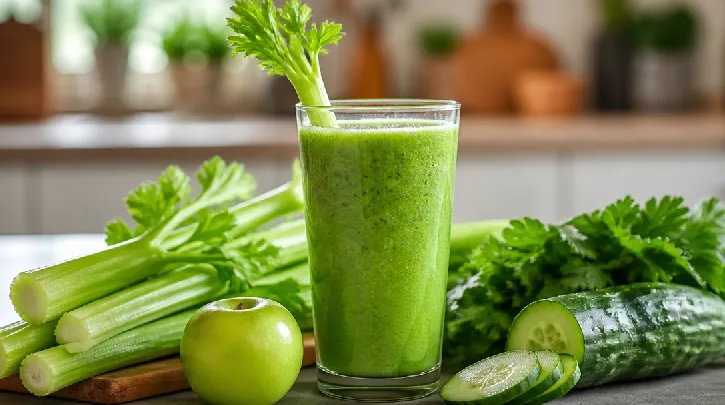
Beyond its low-calorie nature, celery is rich in essential vitamins, minerals, and antioxidants. Incorporating celery in smoothies or juices is a fantastic way to unlock these vital nutrients. Key nutrients found in celery include:
- Vitamin K: Crucial for healthy blood clotting and strong bones.
- Vitamin C: Known for its immune-boosting and antioxidant properties.
- Folate (Vitamin B9): Supports cell repair, growth, and the production of healthy red blood cells.
- Potassium: Essential for maintaining fluid balance and regulating blood pressure, supporting heart health.
- Antioxidants: Celery contains compounds like apigenin and luteolin, which are known to fight inflammation.
Celery Smoothie Benefits and Juicing Advantages
- Superior Hydration: Due to its high water content and natural electrolytes such as potassium, sodium, magnesium, and calcium, celery is exceptionally hydrating. Enjoying a celery smoothie or juice can help maintain fluid balance, prevent dehydration, and support proper muscle function.
- Digestive Support: Celery, particularly when blended whole into celery smoothies, provides dietary fiber that aids in regular bowel movements and prevents constipation. It also stimulates stomach acid and bile production, which supports overall digestion. The significant fiber content found in whole vegetables like celery is crucial for a healthy gut microbiome.
- Anti-Inflammatory Properties: Celery contains powerful antioxidants and phytonutrients, including flavonoids and polyphenols, that help reduce inflammation throughout the body. This can be beneficial for individuals managing chronic inflammatory conditions.
- Heart Health: Celery is low in sodium and provides nutrients like potassium and magnesium, which contribute to maintaining healthy blood pressure levels and supporting a normal heart rhythm. Certain phytochemicals in celery, called phthalides, may also help relax artery walls, promoting smoother blood flow. Learn more about celery’s impact on cardiovascular health from authoritative research.
- Detoxification Support: The water content and natural diuretic properties of celery can help flush toxins from the system and reduce bloating, making it a popular choice for a celery detox smoothie.
- Weight Management: Being low in calories and high in water and fiber (especially in celery smoothies), celery can contribute to feelings of fullness and satiety, which may assist with weight management by reducing overall calorie intake. This is one of the key celery smoothie benefits.
Crafting Your Celery Drink: Juices vs. Smoothie Celery Preparations
When it comes to celery drink recipes, you have two primary avenues: juicing or blending. Each method offers distinct benefits, depending on your health goals and preferences. Preparing smoothie celery is distinct from juicing, offering different nutritional outcomes.
Celery for Juicing: Concentrated Nutrients
Juicing celery involves extracting the liquid from the stalks, leaving behind most of the insoluble fiber. This results in a highly concentrated beverage that delivers vitamins, minerals, and antioxidants in a form that is quickly absorbed by the body.
Many advocate for drinking celery juice on an empty stomach in the morning to maximize its potential effects on digestion and hydration. A common recommendation is to start with about 1 cup of celery juice daily. For those seeking the full fiber content, a celery smoothie offers a more complete nutritional package.
How to Make Celery Juice
- Select Fresh Celery: Choose firm, crisp celery stalks with vibrant green color and healthy leaves. Avoid wilted or discolored celery. Organic celery is often preferred due to potential pesticide residues on conventionally grown celery.
- Wash Thoroughly: Separate the stalks from the base and wash each stalk meticulously under running water to remove any dirt or residues.
- Trim and Chop: Trim off the white base and any very leafy tops, as the leaves can add bitterness to the juice. Chop the stalks into 1-2 inch pieces if using a juicer with a narrow chute, or into thirds if using a blender to facilitate easier processing.
- Juice or Blend and Strain:
- With a Juicer: Feed the chopped celery stalks through your juicer. If using a manual-feed juicer, feed one rib or a handful at a time, allowing the machine to process each portion to prevent clogging, especially with fibrous celery.
- With a Blender: If you don’t own a juicer, you can still make celery juice. Add chopped celery to a high-speed blender. You may need to add a small amount of water (about 1/2 cup per bunch) to help with blending, especially if your blender doesn’t have a tamper. Blend on high until completely smooth.
- Strain: Pour the blended celery mixture through a fine-mesh sieve lined with cheesecloth or a nut milk bag over a bowl. Squeeze out all the liquid, discarding the pulp.
- Serve Immediately: Celery juice is best consumed fresh for maximum nutrient retention.
Expert Tip: If you find the taste of pure celery juice too intense or “green,” you can experiment with adding a squeeze of fresh lemon or lime, or a small piece of ginger to brighten the flavor.
Celery Juice Blends for Enhanced Flavor and Benefits
While plain celery juice is popular, blending it with other fruits and vegetables can create delicious and nutrient-dense drinks. Here are some popular celery juice blends:
- Celery and Apple Juice: This classic combination balances celery’s earthy notes with the sweetness and tartness of apples. Green apples are often preferred as they offer sweetness with less sugar. This blend is refreshing, hydrating, and provides antioxidants. Research consistently suggests that celery juice may contribute to blood pressure regulation, making it a popular choice for wellness routines.
- Celery, Cucumber, and Lemon Juice: Adding cucumber increases hydration without significantly altering flavor, while lemon provides a bright, zesty tang and a boost of vitamin C.
- Green Detox Elixir (Celery, Cucumber, Green Apple, Kale): This is a powerful celery detox smoothie blend, combining multiple green powerhouses. Kale adds a wealth of vitamins A, C, and K, while cucumber and apple provide hydration and sweetness.
- Celery, Ginger, and Lemon Juice: For a warming, spicy kick and added anti-inflammatory benefits, a small piece of fresh ginger can be juiced alongside celery and lemon.
- Tropical Celery Juice (Celery, Pineapple, Mint): Pineapple adds a sweet, tangy, and anti-inflammatory element, complemented by refreshing mint leaves. This makes for a delightful and hydrating drink.
Celery in Smoothies: Fiber-Rich Fullness
Celery smoothies offer a different nutritional profile compared to juice because they retain all the dietary fiber, both soluble and insoluble. This means you get a more filling and satisfying drink that aids in slower digestion, helps regulate blood sugar, and supports a healthy gut microbiome. Smoothies with celery are often considered a more substantial option, potentially serving as a meal replacement.
While juice provides a concentrated shot of nutrients, a smoothie celery preparation offers a more complete nutritional package, including the bulk and satiety that fiber provides, contributing to significant celery smoothie benefits.
How to Make a Celery Smoothie Recipe
Crafting a delicious and nutritious celery smoothie is straightforward. Here’s a basic guide to creating your own smoothie with celery:
- Prepare Celery: Wash celery stalks thoroughly. You can chop them into smaller pieces (about 1 inch) to ensure they blend smoothly. Frozen celery can create a creamier texture for your celery smoothie.
- Choose Your Liquid Base: Common liquid bases for a smoothie with celery include water, coconut water (for electrolytes), unsweetened almond milk, or other plant-based milks.
- Add Fruits and Greens: Select fruits and other leafy greens that complement celery’s flavor. Bananas, apples, pineapple, mango, and berries are excellent choices for sweetness in a celery smoothie. Spinach and kale boost nutrient content without overpowering the taste.
- Consider Boosters: For added nutrition in your celery smoothie, consider ingredients like avocado for healthy fats and creaminess, ginger for a zing, lemon juice for brightness, chia seeds for fiber and omega-3s, or protein powder for a more filling meal.
- Blend until Smooth: Combine all ingredients in a high-speed blender. Start on a low setting and gradually increase to high, blending until the desired consistency is reached. Add more liquid if your celery smoothie is too thick.
Expert Tip: To avoid a “stringy” celery smoothie, ensure your celery is cut into small pieces and use a powerful blender. Blending frozen celery or adding ice can also help achieve a smoother, colder texture. For optimal digestion and nutrient absorption, consider sipping your smoothie with celery slowly.
Delicious Celery Smoothie Recipes
Here are some popular celery smoothie recipes to get you started on enjoying the many celery smoothie benefits:
- Celery and Apple Smoothie: This green smoothie with celery is a refreshing blend of 1 cup chopped celery (preferably frozen), 1 green apple (cored and chopped), 1 frozen banana, a handful of baby spinach, 1 tablespoon lemon juice, and a splash of water or coconut water. The apple and banana provide natural sweetness to balance the celery in this celery smoothie.
- Celery Detox Smoothie: Combine 2 celery stalks, 1/2 cucumber, a handful of spinach or kale, juice of 1/2 lemon, 1/2 cup water, and a small piece of fresh ginger. For a creamy texture and added healthy fats, consider adding 1/4 of an avocado to this celery smoothie recipe. This blend aims to support your body’s natural cleansing processes.
- Tropical Green Celery Smoothie: Blend 2 celery stalks, 1 cup frozen pineapple chunks, 1/2 frozen banana, 1/2 cup coconut water, and a squeeze of lime juice. You can also add a few mint leaves for extra freshness in this delightful celery smoothie.
- Berry Celery Metabolism Kickstart: Mix 2 celery stalks, 1 cup mixed frozen berries (strawberries, raspberries), 1/2 banana, 1/2 cup unsweetened almond milk, and a small knob of ginger. This celery smoothie blend is rich in antioxidants and fiber, supporting metabolism.
- Celery Protein Meal-Replacement Shake: For a more substantial option, combine 1/2 cup celery juice (or 2 whole celery stalks, chopped for a smoothie with celery), 1 frozen banana, 1 scoop of vanilla protein powder, 1 tablespoon almond butter, and 1/2 cup unsweetened almond milk. Add a dash of cinnamon and ice for a complete meal celery smoothie.
Avoiding Common Mistakes and Maximizing Celery Smoothie Benefits
To ensure you’re getting the most out of your celery smoothies and juices, consider these common pitfalls and expert tips.
Mistakes to Avoid
- Not Washing Celery Thoroughly: Celery can harbor dirt and, if not organic, potentially pesticide residues. Always wash stalks individually and thoroughly, whether preparing for juice or a celery smoothie.
- Ignoring Celery Quality: Limp, discolored, or soft celery will result in a less flavorful and less nutritious drink. Opt for crisp, firm stalks.
- Adding Too Much Sugar: While fruits add natural sweetness, excessive use of high-sugar fruits or added sweeteners can counteract the health benefits, especially if weight management is a goal with your celery smoothie.
- Discarding Leaves (for Smoothies): Celery leaves are packed with nutrients. While they can add a slightly bitter taste to juice, they are perfectly fine to include in celery smoothies, adding to the overall nutritional value.
- Not Straining Properly (for Juices): If making juice in a blender, inadequate straining will leave you with a pulpy, less smooth texture that isn’t the true “juice” experience. Use a fine-mesh sieve and cheesecloth.
- Drinking Only Juice for Fiber: Remember that juicing removes most insoluble fiber. If your goal is digestive health or satiety from fiber, smoothies with celery or eating whole celery are more effective. Juicing and blending offer complementary benefits.
- Replacing All Meals with Juices/Smoothies: While celery drinks are healthy, they should be part of a balanced diet that includes whole foods. Relying solely on them can lead to insufficient calorie and nutrient intake. For sustainable nutrition, integrate celery smoothies into a diverse meal plan, as recommended by health experts for a balanced diet.
Expert Tips for Success
- Balance Flavors: Celery has a distinct, earthy, and sometimes slightly salty taste. Balance it with sweeter fruits like apples, bananas, pineapple, or mango when making a celery smoothie. Citrus like lemon and lime can also cut through the earthiness and add brightness.
- Use Frozen Ingredients: Freezing celery chunks, bananas, or other fruits beforehand can create a colder, thicker, and creamier celery smoothie without needing as much ice, which can dilute the flavor. This also helps with the texture when incorporating celery in smoothie preparations.
- Invest in a Good Blender/Juicer: A good blender makes quick work of fibrous celery for celery smoothies, resulting in a smoother texture. For juicing, a masticating (cold press) juicer is often preferred as it operates at low speeds, preserving more nutrients by minimizing heat and oxidation compared to centrifugal juicers.
- Prep Ahead: Wash and chop celery in advance, storing it in an airtight container in the refrigerator. You can also pre-portion celery smoothie ingredients into freezer bags for quick blending later.
- Listen to Your Body: Start with smaller portions if you’re new to celery drinks and observe how your body responds. Adjust ingredients and quantities based on your preferences and health goals.
- Rotate Your Greens: While celery is great, a varied diet is key. Incorporate other leafy greens like spinach, kale, and parsley into your celery smoothies and juices to ensure a broad spectrum of nutrients.
Celery Smoothies vs. Celery Juices: A Comparison
| Feature | Celery Smoothies | Celery Juices |
|---|---|---|
| Fiber Content | High (retains all insoluble and soluble fiber) | Low (most insoluble fiber removed) |
| Digestion & Absorption | Slower digestion due to fiber; slower nutrient absorption. Good for sustained energy and satiety. This is a key celery smoothie benefit. | Faster digestion and rapid nutrient absorption due to fiber removal; provides a quick nutrient boost. |
| Satiety | More filling and satisfying due to fiber and often other ingredients. Can serve as a meal replacement. | Less filling. Best consumed as a targeted supplement or morning practice. |
| Nutrient Concentration | Less concentrated per volume compared to juice, but a broader range of nutrients including fiber. | Highly concentrated vitamins, minerals, and antioxidants per volume. |
| Texture | Thick, creamy, pulp-inclusive. | Thin, smooth, pulp-free liquid. |
| Best For | Meal replacement, sustained energy, digestive regularity, feeling full, gut health support. Ideal for maximizing celery smoothie benefits. | Quick hydration, rapid nutrient intake, specific “detox” protocols, targeting concentrated nutrient benefits. |
Neither is inherently “better” than the other; they simply serve different purposes. A celery smoothie might be your go-to for a nourishing breakfast that keeps you full, while a celery juice could be a refreshing mid-morning pick-me-up or part of a targeted wellness routine. Many experts suggest incorporating both into your diet to reap a full spectrum of benefits.
Frequently Asked Questions About Celery Drinks
Are celery smoothies good for weight loss?
Celery smoothies can support weight loss goals. They are low in calories and high in water and fiber, which helps you feel full and satisfied, potentially reducing overall calorie intake. When paired with a balanced diet and exercise, they can be an effective part of a weight management plan. This is one of the significant celery smoothie benefits.
Can I drink celery juice every day?
Yes, many people drink celery juice daily as part of their wellness routine. Starting with approximately 1 cup each morning on an empty stomach is a common recommendation. However, it’s essential to listen to your body and consult a healthcare provider for personalized dietary advice, especially if you have existing health conditions.
What fruits pair well with celery in smoothies and juices?
Many fruits complement celery’s flavor. For smoothies with celery, bananas, apples, strawberries, pineapple, and mango blend well and provide sweetness. For juices, green apples, lemons, limes, and pineapple are popular choices to balance the earthy taste of celery.
Is it better to juice celery or blend it to make a celery smoothie?
The “better” method depends on your goals. Juicing provides a concentrated dose of nutrients that are rapidly absorbed, ideal for quick hydration and targeted benefits. Blending retains all the fiber, leading to a more filling drink that supports digestion and satiety. Both have unique advantages and can be incorporated into a healthy diet, offering different celery smoothie benefits or juicing advantages.
Can I use celery leaves in my drinks?
Yes, celery leaves are edible and contain nutrients. While they can add a slightly bitter flavor, especially to juice, they are often included in celery smoothies without issue. If juicing, you might prefer to trim off the majority of the leaves to reduce bitterness.
How much celery in smoothie is ideal?
For a typical celery smoothie recipe, 1-2 medium celery stalks are usually sufficient. This amount provides significant nutrients and fiber without overpowering the flavor of other ingredients. You can adjust the quantity based on your personal preference and how strong you want the celery flavor to be in your smoothie with celery.
What are the primary celery smoothie benefits?
The primary celery smoothie benefits include enhanced hydration, significant fiber intake for digestive health and satiety, a boost of vitamins and antioxidants (like Vitamin K, C, and folate), and support for weight management due to its low-calorie and high-fiber content. Enjoying a celery smoothie can be a simple way to integrate more greens into your diet.
Incorporating celery into your daily routine through refreshing celery smoothies and invigorating juices is a practical way to boost your nutrient intake, enhance hydration, and support overall wellness. Whether you opt for a fiber-rich celery smoothie or a quick, concentrated celery juice, this versatile vegetable offers substantial benefits, helping you cultivate healthier
habits and feel your best.