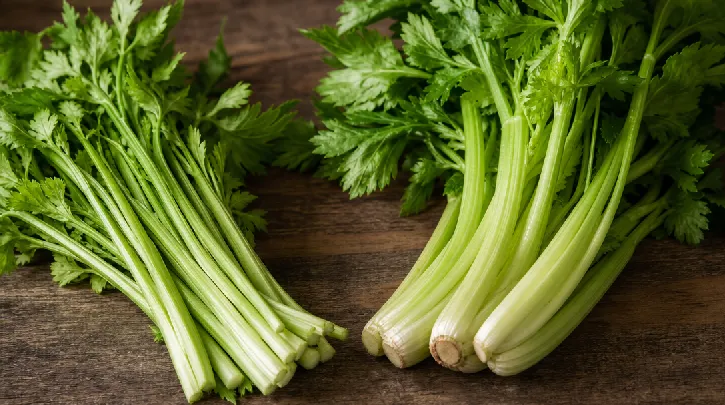
Are you frequently confused by the celery options at your local market, wondering whether to grab the thick-stalked variety or the more delicate, leafy stalks often labeled “celery” in Asian grocery stores? Understanding the distinct Chinese celery characteristics and how they differ from their Western counterparts can transform your cooking, opening up a world of new flavors and textures. This guide cuts through the confusion, offering a definitive comparison and practical advice for incorporating both celery varieties into your kitchen with confidence.
Distinguishing the Core: What Sets Chinese Celery Apart from Western Celery?
While both Chinese celery (often called kinchay or Asian celery) and Western celery belong to the same botanical family, Apium graveolens, their cultivation, physical traits, and culinary applications present significant differences. Recognizing these distinctions is crucial for achieving the desired flavor and texture in your dishes, preventing common culinary missteps when dealing with different types of celery.
Unveiling Chinese Celery Characteristics: Flavor, Form, and Function
Chinese celery, known scientifically as Apium graveolens var. secalinum, boasts a more assertive, pungent flavor compared to its Western cousin. Its stalks are noticeably thinner, often hollow, and have a more fibrous texture. The leaves are abundant, delicate, and highly aromatic, playing a significant role in its culinary use. This variety typically grows to a shorter height, presenting a more compact bunch with dark green foliage. The overall impression is one of intense herbaceousness, making it a powerful flavor enhancer in many Asian cuisines, highlighting its unique celery characteristics.
Understanding Western Celery Differences: The Common Crisp Companion
Western celery, primarily Apium graveolens var. dulce, is the familiar, stout-stalked vegetable found in most American supermarkets. Its stalks are thick, crunchy, and often stringy, with a high water content. The flavor is milder, sweeter, and less pronounced than Chinese celery, with only a subtle peppery or bitter undertone. While it does have leaves, they are typically less prominent and often discarded, though they are edible and can add flavor to stocks. This type of celery is prized for its refreshing crunch and ability to absorb other flavors, making it a staple in salads, soups, and as a raw snack, offering a different set of celery characteristics compared to its Asian counterpart.
A Detailed Celery Varieties Comparison: Beyond the Stalks
The differences between Chinese and Western celery extend far beyond their appearance. From their aromatic compounds to their preferred growing conditions, each celery variety offers unique contributions to the culinary world. Appreciating these nuances allows cooks to make informed choices, optimizing both flavor and texture in their dishes.
Botanical Backgrounds and Cultivation Insights for Celery Varieties
Both types of celery are biennials, meaning they complete their life cycle in two years, but they are typically harvested as annuals for culinary purposes. Western celery is cultivated for its thick, succulent leafstalks, requiring consistent moisture and cool temperatures for optimal growth. It’s often blanched (shaded from sunlight) to produce lighter-colored, more tender stalks, though green varieties are also popular. Chinese celery, conversely, is often grown for its leaves and thinner stalks, thriving in warmer climates and exhibiting greater tolerance to heat. This difference in cultivation emphasis contributes to their distinct structural and flavor profiles.
Aromatic Profiles: The Heart of the Celery Flavor Divide
The flavor disparity between Chinese and Western celery stems from their varying concentrations of aromatic compounds. Chinese celery contains higher levels of compounds like phthalides, which contribute to its more robust, somewhat peppery, and intensely herbaceous aroma. This makes it a primary flavoring agent rather than just a textural component in Asian cuisine. Western celery, while still containing phthalides, has them in lower concentrations, leading to its characteristic mild, slightly sweet, and earthy taste. The absence of a strong, dominant flavor allows Western celery to serve as a versatile base, enhancing other ingredients without overpowering them, a key difference in their celery flavor profiles.
Texture Talk: Crunch, Crispness, and Fibrousness Across Celery Types
When considering texture, the differences between these celery varieties are immediate and significant. Western celery is celebrated for its crisp, watery crunch, which makes it ideal for raw applications like crudités or adding a textural counterpoint to salads. Its stalks can be quite stringy, a characteristic that is sometimes mitigated by peeling. Chinese celery, on the other hand, possesses a firmer, more fibrous texture in its thinner stalks. While still offering a pleasant bite, it’s less about the watery snap and more about a delicate resistance. The leaves of Chinese celery are also tender but offer a slight chewiness, contributing significantly to the dish’s overall mouthfeel.
| Feature | Chinese Celery (Kinchay) | Western Celery |
|---|---|---|
| Botanical Name | Apium graveolens var. secalinum | Apium graveolens var. dulce |
| Stalks | Thin, hollow, fibrous, dark green | Thick, solid, crunchy, often lighter green |
| Leaves | Abundant, delicate, highly aromatic, prominent | Less prominent, often removed, milder flavor |
| Flavor Profile | Strong, pungent, herbaceous, slightly peppery | Mild, sweet, earthy, refreshing |
| Aroma | Intense, aromatic | Subtle, fresh |
| Texture | Firm, slightly fibrous, tender leaves | Crisp, watery, sometimes stringy | Primary Culinary Role | Flavor enhancer, aromatic component | Textural element, base vegetable, mild flavor |
Asian Celery Uses: Elevating Dishes with Kinchay’s Potent Punch
The distinctive flavor of Chinese celery makes it an indispensable ingredient in a wide array of Asian cuisines, particularly in stir-fries, soups, and salads. Its powerful aromatic qualities mean a little goes a long way, infusing dishes with a depth that Western celery cannot replicate. Understanding these specific culinary applications is key to mastering Asian cooking.
Cooking with Chinese Celery: Harnessing its Unique Qualities
When cooking with Chinese celery, think of it as an herb rather than just a vegetable. The entire plant, including the leaves and delicate stems, is typically used. It stands up well to high heat cooking methods, making it perfect for quick stir-fries where its flavor can meld with other ingredients without disappearing. Chop the stalks finely and add them towards the end of cooking to retain some texture and vibrant flavor, or incorporate them earlier for a more mellow integration. The leaves can be used as a garnish or added to soups and broths for an extra layer of aroma. For example, in many traditional Chinese noodle soups, chopped Chinese celery is a final flourish, providing a fresh, pungent contrast to rich broths. These particular Asian celery uses showcase its versatility.
Consider these popular culinary applications for kinchay:
- Stir-fries: Its robust flavor pairs wonderfully with meats like pork or beef, tofu, and other vegetables. A classic example is a stir-fry with thinly sliced pork, garlic, ginger, and Chinese celery.
- Soups and Stews: From Vietnamese pho to various Chinese broths, Chinese celery adds an aromatic depth. It’s often added near the end of cooking or as a fresh garnish.
- Salads: While less common in raw Western salads, thinly sliced Chinese celery can be a vibrant addition to Asian-inspired salads, bringing a crisp texture and pungent flavor to dressings.
- Dumpling Fillings: Finely minced kinchay contributes an aromatic freshness to pork, shrimp, or vegetable dumpling fillings.
Incorporating Western Celery into Your Culinary Repertoire
Western celery, with its milder flavor and satisfying crunch, is a workhorse in American and European kitchens. It forms the base of many classic dishes and is a go-to for healthy snacking. Its high water content makes it an excellent choice for adding moisture and texture without overpowering other ingredients. These diverse culinary applications demonstrate its broad appeal.
Some staple uses for Western celery include:
- Mirepoix and Soffritto: It’s a fundamental component of the aromatic base for countless soups, stews, and sauces, along with onions and carrots. For more on mirepoix, refer to culinary resources such as The Culinary Institute of America.
- Salads: From chicken salad and tuna salad to a simple green salad, its crisp texture and subtle flavor are invaluable.
- Snacks: Paired with peanut butter or cream cheese, it’s a classic and refreshing snack.
- Juicing: Its high water content makes it a popular ingredient in vegetable juices and smoothies.
- Stuffing: Diced celery adds moisture and flavor to bread stuffings for poultry.
Choosing Wisely: When to Use Which Celery Variety
The decision between Chinese and Western celery hinges entirely on the desired outcome for your dish. It’s not simply a matter of substitution; each brings a distinct personality to the table. Using the wrong type can significantly alter the flavor profile and texture you’re trying to achieve.
Flavor Intensity: Matching Celery to Your Dish’s Demands
For dishes where you want celery to be a prominent, assertive flavor, Chinese celery is the unequivocal choice. Think of a spicy Sichuan stir-fry or a robust Vietnamese salad, where the celery’s pungency cuts through richer flavors and adds a herbaceous lift. If you’re building a subtle, comforting soup where celery provides a background note and a gentle earthiness, Western celery will serve you better. Its mildness allows other ingredients to shine without competition. Understanding these celery flavor profiles is crucial for authentic cooking.
Texture Goals: Crispness vs. Delicate Fibrousness in Celery Types
When considering texture, the differences between these celery varieties are immediate and significant. If you need a pronounced, hydrating crunch, particularly for raw applications or as a counterpoint in cooked dishes, reach for Western celery. Its sturdy stalks are perfect for that. For dishes where celery is cooked down and you desire a more tender, slightly fibrous texture that integrates smoothly into the overall mouthfeel, Chinese celery is ideal. Its thinner stalks soften beautifully while retaining their distinct flavor, showcasing the diversity of celery characteristics.
Expert Tip: No Direct Substitutions for Celery Varieties
A common mistake is trying to substitute Western celery for Chinese celery, or vice versa, expecting similar results. This rarely works well. If a recipe specifically calls for “Chinese celery” or “kinchay,’ it’s because its unique flavor and texture are integral to the dish’s authenticity and balance. Substituting Western celery will result in a much milder, less aromatic dish. Conversely, using Chinese celery in a recipe that expects Western celery’s mildness and crunch could overwhelm the other flavors with its strong profile. If you cannot find Chinese celery, consider using a combination of Western celery leaves (for some aroma) and perhaps a touch of parsley or cilantro, though it won’t be an exact match.
Beyond the Kitchen: Nutritional Benefits and Storage Tips for Celery
Both types of celery offer a range of health benefits and require proper handling to maintain freshness. While their exact nutritional breakdowns vary slightly, both are excellent sources of vitamins, minerals, and dietary fiber. Understanding the nutritional value of celery can support a healthy diet.
The Health Harvest: Nutritional Value of Celery Varieties
Celery, in general, is renowned for being low in calories and high in water content, making it a popular choice for healthy eating. It’s a good source of Vitamin K, essential for blood clotting and bone health, and Vitamin C, an antioxidant. Both celery varieties also provide a good amount of potassium, folate, and dietary fiber, which aids digestion. Research suggests that the phthalides in celery may contribute to cardiovascular health by helping to relax smooth muscles in blood vessels. For more detailed information on celery’s nutritional benefits, you can consult resources like the USDA FoodData Central database.
While specific comparative data on Chinese versus Western celery nutrition can be limited, it is generally understood that the overall health advantages are similar. The slight differences in nutrient density would likely not be significant enough to warrant choosing one over the other for purely nutritional reasons, unless consuming very large quantities. The primary distinction remains culinary.
Buying and Storing Celery for Maximum Freshness
To ensure you’re getting the best quality, look for celery bunches that are crisp and firm, not limp or rubbery. The leaves should be vibrant green and show no signs of wilting or yellowing. For Chinese celery, vibrant, healthy leaves are especially important as they are a key part of the culinary experience.
- Western Celery: Store whole bunches in a plastic bag or wrapped in foil in the crisper drawer of your refrigerator. It can stay fresh for up to two weeks. If stalks become slightly limp, a quick soak in ice water for 30 minutes can often revive their crispness.
- Chinese Celery: Due to its delicate nature, Chinese celery has a shorter shelf life. Store it in a plastic bag in the refrigerator’s crisper drawer. It is best used within 3-7 days. Because its leaves are so central to its use, ensure they remain fresh and vibrant.
Frequently Asked Questions About Celery Varieties
What is kinchay vs celery, and are they interchangeable?
Kinchay is another name for Chinese celery. It is botanically related to Western celery but has much thinner, more fibrous stalks, abundant aromatic leaves, and a significantly stronger, more pungent flavor. They are generally not interchangeable due to their distinct flavor profiles and textures.
How do I know if I’m buying Chinese celery at the market?
Look for bunches with very thin, often hollow, dark green stalks and a large quantity of vibrant, delicate leaves. It will have a much stronger, more herbaceous aroma than Western celery. It’s often found in Asian grocery stores or the international produce section of
larger supermarkets when looking for Asian celery.
Can I grow Chinese celery at home?
Yes, Chinese celery can be grown at home from seeds. It generally prefers full sun to partial shade and consistently moist, well-drained soil. It tends to tolerate warmer temperatures better than Western celery varieties, making it suitable for home gardens in various climates.
Is the flavor difference between Chinese and Western celery very noticeable?
Absolutely. The flavor difference is quite pronounced. Chinese celery has a potent, almost peppery and intensely herbaceous taste, while Western celery is much milder, sweeter, and primarily offers a refreshing crunch rather than a dominant flavor.
Are there other “celery varieties” I should know about?
Yes, beyond Chinese and Western celery, celeriac (also known as celery root) is another significant variety of Apium graveolens. Celeriac is grown for its knobby, edible root rather than its stalks, offering an earthy, nutty flavor often used in mashes, soups, and gratins. While related, its culinary application is entirely different. For a deeper dive into the botanical classification of celery and its relatives, you might consult resources like the Kew Royal Botanic Gardens.
Navigating the world of celery becomes far simpler once you understand the fundamental differences between Chinese and Western varieties. From the pungent, aromatic punch of kinchay, ideal for authentic Asian stir-fries and soups, to the crisp, mild refreshment of Western celery, perfect for salads and mirepoix, each type offers unique contributions to your cooking. By recognizing their distinct celery characteristics, you can confidently choose the right celery for any dish, ensuring culinary success and unlocking a spectrum of new flavors.
