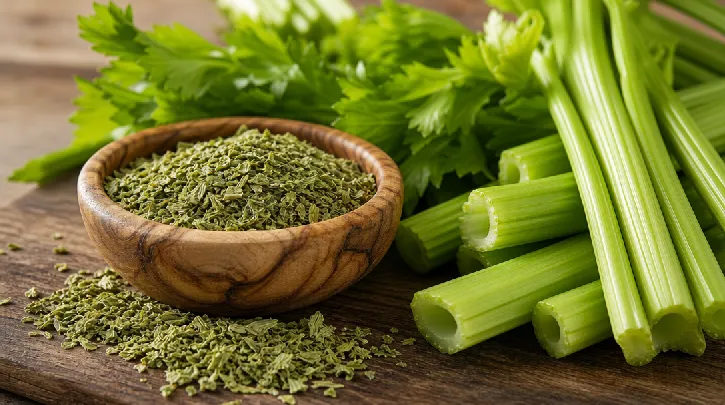
Choosing between dried celery flakes and fresh celery largely depends on your desired outcome for a dish, primarily concerning texture, flavor intensity, and convenience. Fresh celery offers a vibrant, crisp texture and a bright, slightly bitter flavor that shines in raw applications and quick-cooking dishes. Dried celery flakes, on the other hand, provide a concentrated, earthy celery flavor and a softer texture once rehydrated, making them ideal for long-simmering recipes where moisture extraction and deep flavor infusion are key.
Understanding these fundamental differences helps home cooks and professional chefs alike make informed decisions, ensuring every dish achieves its full potential. This guide will delve into the nuances of each form, helping you master their unique contributions to your culinary creations.
Understanding Celery: A Quick Overview
Celery, a versatile vegetable from the Apiaceae family, is a staple in kitchens worldwide. Its distinct flavor and crunchy texture make it invaluable in a variety of dishes. But its form, whether fresh or dried, dictates its role.
What is Fresh Celery?
Fresh celery refers to the raw stalks of the celery plant, typically purchased as a full head or individual ribs. It boasts a high water content, giving it its characteristic crisp and crunchy texture. The flavor is bright, slightly peppery, and subtly sweet, with a hint of bitterness. Fresh celery is a beloved healthy snack and a foundational ingredient in many cuisines.
What are Dried Celery Flakes?
Dried celery flakes are essentially fresh celery that has undergone a dehydration process to remove its water content. This process significantly reduces the vegetable’s volume and weight, creating lightweight flakes. Dehydration concentrates the natural flavors of the celery, resulting in an intensified, more savory, and less bright taste. Dried celery is a popular pantry item for its extended shelf life and convenience.
The Core Differences: Flavor, Texture, and Aroma
While both come from the same plant, the drying process fundamentally alters celery’s sensory attributes. These changes are critical in determining when to use each form.
Flavor Profile: Intensity and Nuance
Fresh celery delivers a bright, herbaceous, and slightly watery flavor. It has a characteristic clean taste that can be refreshing in salads and snacks. The flavor is somewhat delicate and can dissipate with prolonged cooking.
Dried celery, due to the concentration of its volatile compounds, possesses a more potent, earthy, and slightly sweeter flavor profile. The drying process deepens its savory notes, making it a powerful flavor enhancer in slow-cooked dishes. It loses some of its fresh, green notes but gains a more robust, umami-rich essence.
Texture: Crunch vs. Rehydration
The defining characteristic of fresh celery is its crisp, watery crunch. This texture is irreplaceable in dishes where a satisfying bite is desired, such as salads, stir-fries, or as a raw accompaniment. Its high water content means it contributes moisture to a dish.
Dried celery flakes are firm and somewhat brittle when dry. When added to liquids during cooking, they rehydrate, becoming tender and slightly chewy. They will never fully regain the crispness of fresh celery. This softer texture integrates well into soups and stews without standing out as distinct pieces.
Aroma: Pungency and Volatility
Fresh celery has a distinctive, somewhat pungent aroma, thanks to its volatile organic compounds. This scent is part of its appeal in fresh applications and contributes to the overall freshness of a dish. The aroma is most noticeable when celery is raw or lightly cooked.
The drying process reduces the volatility of these aromatic compounds, resulting in a subtler, more earthy aroma for dried celery flakes. While still recognizable as celery, the fresh, green notes are diminished, replaced by a deeper, more mellow scent.
Nutritional Value: What Stays, What Changes?
The dehydration process affects the nutritional content of celery, primarily through the removal of water and some heat-sensitive vitamins. However, dried celery still retains significant nutritional value.
Fresh celery is an excellent source of vitamin K, vitamin A, and vitamin C, as well as folate, potassium, and dietary fiber. It is also very low in calories due to its high water content (about 95% water).
Dried celery flakes, while losing some water-soluble vitamins like Vitamin C during the drying process, still concentrate other nutrients. They become a more potent source of fiber and minerals by weight. “While some delicate vitamins, like Vitamin C, can be reduced during the drying process, the fiber, mineral content, and many antioxidants in celery remain largely intact and become concentrated in the dried form,” states Dr. Eleanor Vance, a food science researcher.
Here’s a simplified comparison of their general nutritional profiles per serving (note: serving sizes differ significantly due to water content):
| Nutrient (per serving) | Fresh Celery (approx. 1 medium stalk) | Dried Celery Flakes (approx. 1 tsp) |
|---|---|---|
| Calories | ~6 | ~5 |
| Water Content | Very High (approx. 95%) | Very Low (approx. 8-10%) |
| Dietary Fiber | Good source | Concentrated source |
| Vitamin K | Excellent source | Good source |
| Vitamin A | Good source | Good source |
| Vitamin C | Good source | Reduced, but present |
| Minerals (Potassium, etc.) | Present | Concentrated source |
While the nutrient density per gram is higher in dried celery, you typically consume more fresh celery in a single serving. Therefore, a large serving of fresh celery often provides more overall nutrients and significantly more water than a small amount of dried celery.
Culinary Applications: When to Use Which
The key to culinary success lies in understanding which form of celery best suits your recipe’s requirements.
Best Uses for Fresh Celery
Fresh celery excels in dishes where its crisp texture, bright flavor, and high water content are advantageous.
- Raw preparations: It’s indispensable in salads like Waldorf salad, chicken salad, or tuna salad, where its crunch adds vital contrast.
- Snacks and crudités: Enjoyed simply with dips like hummus or peanut butter, fresh celery is a classic healthy snack.
- Garnishes: A fresh celery leaf or a finely sliced stalk adds visual appeal and a fresh aroma to finished dishes.
- Lightly cooked dishes: In quick stir-fries or as a late addition to soups, fresh celery maintains some texture and its vibrant flavor.
- Juicing and smoothies: Its high water content makes it perfect for juicing, contributing a refreshing, detoxifying element.
Best Uses for Dried Celery Flakes
Dried celery flakes are the secret weapon for dishes that benefit from deep, consistent celery flavor without added moisture or crispness. They are especially useful in slow-cooking applications.
- Soups and stews: Dried celery rehydrates and melts into the liquid, infusing the entire dish with a rich celery flavor. It’s perfect for hearty beef stew, chicken noodle soup, or lentil soup.
- Casseroles and gravies: The concentrated flavor of dried celery enhances these dishes without contributing excess water.
- Seasoning blends and rubs: Ground dried celery flakes can be a component of dry rubs for meats or homemade spice blends.
- Stocks and broths: Adding dried celery flakes early in the cooking process allows their flavor to fully extract and integrate into the base.
- Slow cooker recipes: Ideal for dishes cooked over many hours, as the flakes have ample time to rehydrate and impart flavor.
The Mirepoix Dilemma: Fresh vs. Dried in Aromatics
A mirepoix (a blend of diced onions, carrots, and celery) is the aromatic foundation for countless dishes. Traditionally, fresh celery is used for its textural contribution and bright flavor. However, dried celery can be a viable substitute, especially if you prioritize convenience or a deeper, less distinct celery flavor.
When using dried celery in a mirepoix, add it early with the other vegetables to allow sufficient time for rehydration. It will contribute a robust, savory celery essence, though the textural crunch will be absent. For dishes where the celery is meant to dissolve into the sauce, like a Bolognese or a long-simmered stew, dried celery flakes can perform admirably. If a distinct textural presence of celery is desired, stick with fresh.
Practical Considerations: Storage, Shelf Life, and Convenience
Beyond flavor and texture, practical aspects play a significant role in choosing between fresh and dried celery.
Shelf Life and Storage
Fresh celery is a perishable produce item. It typically lasts 1-2 weeks when stored properly in the refrigerator, preferably wrapped in foil or submerged in water. It tends to lose its crispness and can become limp or develop brown spots if not used promptly.
Dried celery flakes boast an exceptionally long shelf life, making them a fantastic pantry staple. When stored in an airtight container in a cool, dark place, they can last for 2-3 years or even longer. This longevity is a huge advantage for those who don’t use celery frequently or want to always have it on hand.
Cost-Effectiveness and Availability
Fresh celery is generally affordable and widely available year-round in US grocery stores. However, unused portions can go to waste, which can negate initial cost savings. The price of fresh produce can also fluctuate seasonally.
Dried celery flakes, while having a higher upfront cost per ounce than fresh celery, often prove more cost-effective in the long run due to their long shelf life and concentrated nature. You use less dried product to achieve the same flavor intensity. They are also consistently available, regardless of season, making them a reliable option.
Preparation and Rehydration Tips
Fresh celery requires washing, trimming, and chopping before use. This adds a small amount of preparation time to your cooking routine.
Dried celery flakes are incredibly convenient; they are ready to use directly from the package. For dishes with ample liquid, like soups or stews, you can add them directly without prior rehydration. For recipes with less moisture or where you want a softer texture immediately, a quick rehydration step is beneficial. Simply soak the flakes in hot water for 10-15 minutes, then drain before adding to your dish.
How to Substitute: Ratios and Best Practices
Substitution is possible, but understanding the correct ratios and the impact on your dish is crucial.
A general rule of thumb for substitution is:
- 1 tablespoon of dried celery flakes is roughly equivalent to 1 medium fresh celery stalk (about 1/2 cup chopped) in terms of flavor intensity.
However, remember that dried celery will not provide the same crisp texture or moisture content as fresh. Adjust accordingly based on the recipe’s requirements.
| Substitution Scenario | Recommendation | Notes |
|---|---|---|
| Fresh Celery for Dried Celery | Use 1 medium stalk fresh celery for 1 tbsp dried. | May add more moisture, adjust other liquids if necessary. |
| Dried Celery for Fresh Celery (Flavor only) | Use 1 tbsp dried celery for 1 medium stalk fresh. | Rehydrate if texture is important; will lack crispness. |
| Dried Celery for Fresh Celery (Mirepoix) | Use 1 tbsp dried celery for 1/2 cup chopped fresh. | Add early in cooking process. Texture will be softer. |
Beyond Flakes: Celery Powder and Other Forms
While flakes are common, celery is also available in other dried forms, primarily celery powder and celery salt.
- Celery powder is simply dried celery flakes that have been ground into a fine powder. It offers an even more concentrated flavor and is excellent for blending into spice mixes, rubs, or as a natural coloring agent.
- Celery salt is a seasoning blend of ground celery seeds (or sometimes celery powder) and salt. It provides a distinct, slightly bitter, and salty celery flavor, often used in Bloody Marys, coleslaw, and seafood boils.
Expert Insights on Celery in the Kitchen
Culinary experts often emphasize intentionality when selecting ingredients. “The greatest mistake in cooking is assuming one form of an ingredient can perfectly replace another, especially when dehydration is involved,” says Chef Isabella Rossi, author of ‘The Pantry Principle’. “With celery, you’re not just swapping out a vegetable; you’re choosing a flavor profile and a textural contribution. Fresh celery is about vibrant crunch and bright notes. Dried celery is about deep, resonant earthiness. Knowing when to harness each is the mark of a truly adaptable cook.”
FAQs about Dried vs. Fresh Celery
Can I use dried celery in salads?
While you can technically rehydrate dried celery for a salad, it will not offer the crisp, fresh texture of raw celery. The flavor will also be more concentrated and less bright. For optimal results, fresh celery is always preferred in salads.
How long do dried celery flakes last?
Dried celery flakes have an excellent shelf life. When stored in an airtight container in a cool, dark pantry, they can last for 2-3 years, and sometimes even longer, while retaining good flavor.
Is dried celery as healthy as fresh?
Both fresh and dried celery offer health benefits. Fresh celery provides more water and generally higher levels of heat-sensitive vitamins like Vitamin C. Dried celery is a more concentrated source of fiber and minerals by weight, and many antioxidants remain. Neither is definitively “healthier,” as they offer different nutritional strengths.
What is the best way to rehydrate dried celery?
To rehydrate dried celery flakes, place them in a bowl and cover them with hot water (not boiling). Let them soak for 10-15 minutes until they are tender, then drain thoroughly before adding to your recipe.
Can I make my own dried celery?
Yes, you can make your own dried celery at home using a food dehydrator or an oven on a very low setting. Wash and chop fresh celery stalks into small pieces, then spread them in a single layer on dehydrator trays or baking sheets. Dehydrate until completely brittle.
Conclusion
The choice between dried celery flakes and fresh celery is not about superiority, but rather about suitability for the specific culinary task at hand. Fresh celery brings a lively crunch, bright flavor, and refreshing moisture to dishes where these qualities are paramount, such as salads, snacks, and quick sautés. Dried celery flakes provide a convenient, long-lasting, and concentrated celery essence that excels in slow-cooked dishes, stocks, and seasoning blends, where a deep, earthy flavor is desired without the need for crisp texture or added moisture. By understanding their unique attributes and how they transform in different cooking environments, you can confidently select the right form of celery to elevate any recipe.
