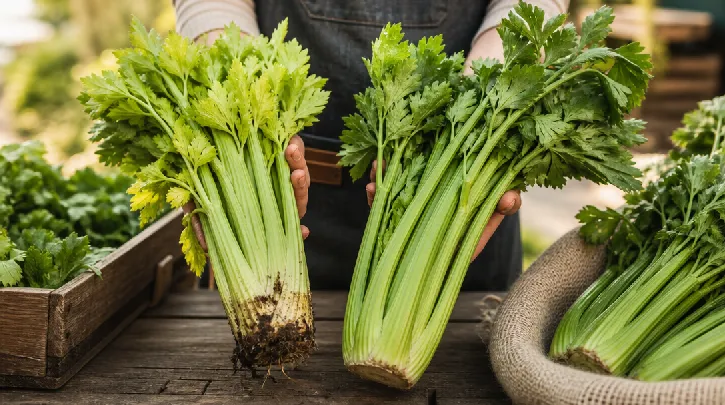
Celery, a humble stalk often overlooked, offers a powerful punch of vitamins, minerals, and antioxidants, contributing significantly to overall health and wellness. For those seeking to harness these benefits, especially in a convenient form like celery powder, understanding the source of your celery—whether organic or conventional—is not just a preference; it’s a critical decision that impacts everything from nutritional quality to potential pesticide exposure. This distinction goes beyond a simple label, touching upon farming practices, environmental stewardship, and ultimately, what you introduce into your body.
Delving into the world of celery reveals a stark contrast between how organic and conventional varieties are cultivated. This difference directly influences the presence of beneficial compounds and unwanted residues, guiding consumers toward more informed choices for their dietary health. Exploring these methods uncovers why choosing one over the other can significantly alter your experience and the long-term impact on your well-being.
Understanding the Core Differences: Organic vs. Conventional Celery
The distinction between organic and conventional celery begins at the farm, where different philosophies and regulations govern cultivation. These foundational approaches shape the entire life cycle of the plant, from seed to harvest, impacting its final composition and safety profile.
What Defines Organic Celery?
Organic celery is grown according to strict standards set by the United States Department of Agriculture (USDA) National Organic Program. These regulations prohibit the use of synthetic pesticides, herbicides, and fertilizers. Farmers instead rely on natural methods to manage pests and fertilize the soil, fostering a healthier ecosystem.
Practices like crop rotation, cover cropping, and composting are central to organic farming. These methods build soil fertility and enhance biodiversity, creating a resilient environment where celery can thrive without chemical intervention. The focus is on promoting a sustainable agricultural system that supports ecological balance and avoids genetically modified organisms (GMOs).
What Defines Conventional Celery?
Conventional celery farming, conversely, often employs synthetic pesticides, herbicides, and fertilizers to maximize yield and efficiency. These chemicals are designed to protect crops from pests and diseases and to provide readily available nutrients to the plants.
While effective in large-scale production, conventional methods can lead to environmental concerns, such as chemical runoff affecting water sources and potential harm to beneficial insects. The primary goal is often high volume and consistent appearance, sometimes at the expense of ecological considerations.
Pesticide Residues: A Major Concern
One of the most significant differences between organic and conventional celery lies in their pesticide residue levels. This factor is a primary driver for many consumers who choose organic produce.
Celery consistently ranks high on the Environmental Working Group’s “Dirty Dozen” list, which identifies produce with the most pesticide residues. This means conventional celery frequently contains multiple types of pesticides, even after washing.
A 2024 analysis by the EWG found that over 90% of conventional celery samples contained detectable pesticide residues, with many samples containing residues of five or more different pesticides. The long-term health effects of consuming a “cocktail” of various pesticide residues, even at levels deemed safe individually, remain a subject of ongoing scientific inquiry.
Exposure to certain pesticides has been linked to potential health concerns, including developmental issues in children, endocrine disruption, and increased risks of certain cancers. While regulatory bodies set “safe” limits, many consumers and health advocates prefer to minimize their exposure whenever possible. Choosing organic celery significantly reduces your intake of these synthetic chemicals.
Nutritional Profile: Are There Differences?
When it comes to nutritional content, the debate between organic and conventional produce can be nuanced. While some studies show minimal differences in macronutrients (carbohydrates, proteins, fats), significant variations can emerge in micronutrients and beneficial phytochemicals.
Organic farming practices, which focus on building healthy, nutrient-rich soil, are thought to produce crops with a potentially higher concentration of certain vitamins, minerals, and antioxidants. Research from the British Journal of Nutrition, compiling data from multiple studies, suggested that organic crops could have significantly higher concentrations of antioxidants and lower concentrations of cadmium, a toxic heavy metal.
Celery is rich in Vitamin K, Vitamin C, Vitamin A, folate, and potassium. It also contains powerful antioxidants like apigenin and luteolin. While direct, large-scale studies specifically comparing the nutrient density of organic versus conventional celery are limited and can vary based on growing conditions, the overall trend in organic agriculture points towards supporting a more robust nutrient profile through healthier soil. Healthy soil leads to healthier plants, potentially enhancing the presence of these beneficial compounds.
Environmental Impact: Beyond Your Plate
The choice between organic and conventional celery extends far beyond personal health; it profoundly impacts the environment. Farming practices have a ripple effect on ecosystems, soil health, water quality, and biodiversity.
Organic farming systems are inherently designed to minimize environmental harm. By avoiding synthetic pesticides and fertilizers, they prevent chemical runoff into waterways, protecting aquatic life and drinking water sources. These methods also promote healthier soil, which acts as a carbon sink, helping to mitigate climate change.
Dr. Allison Miller, a plant biologist and director of the Donald Danforth Plant Science Center, emphasizes the broader ecological benefits: “Organic agriculture fosters biodiversity, improves soil health, and often requires less energy input than conventional methods. These practices are crucial for long-term ecological sustainability, benefiting not just our health but the health of the planet.”
Conversely, conventional farming can contribute to environmental degradation. The widespread use of synthetic chemicals can lead to soil erosion, depletion of beneficial soil microorganisms, and contamination of groundwater. Furthermore, the energy-intensive production of synthetic fertilizers and pesticides adds to agriculture’s carbon footprint.
Taste and Texture: Do You Notice a Difference?
While often subjective, many consumers report a noticeable difference in the taste and texture of organic versus conventional celery. This difference can stem from various factors related to growing conditions.
Organic celery often grows more slowly and under less artificial stimulation, allowing it to develop a more pronounced flavor. Some describe organic celery as having a stronger, sweeter, or earthier taste compared to its conventional counterpart. Its texture can also be crisper and less watery.
This enhanced sensory experience is often attributed to the healthier soil in which organic celery is grown. Robust soil biome contributes to better nutrient uptake, influencing the plant’s cell structure and flavor compounds. Conversely, conventional celery might sometimes be perceived as blander or more fibrous due to rapid growth cycles and potentially less diverse nutrient profiles from depleted soil.
Cost Comparison: What to Expect at the Grocery Store
One of the most frequently cited reasons for not choosing organic celery is the higher price point. Understanding why organic produce commands a premium is essential for making informed purchasing decisions.
The increased cost of organic celery reflects several factors. Organic farming is often more labor-intensive, requiring manual weeding and pest control methods instead of chemical sprays. Organic certification processes also add to operational expenses for farmers. Additionally, organic yields can sometimes be lower than conventional yields, and the scale of production is generally smaller.
Consumers typically pay 10-40% more for organic produce, including celery, compared to conventional options. This price difference accounts for the sustainable practices and higher production costs associated with organic certification.
Making Your Choice: When to Go Organic (and When Not To)
Deciding between organic and conventional celery involves weighing various factors, including health concerns, environmental impact, and budget. For crops known for high pesticide residues, like celery, opting for organic can be a prudent choice.
Given celery’s consistent placement on the EWG’s Dirty Dozen list, it stands out as a vegetable where choosing organic can significantly reduce your exposure to harmful chemicals. If your budget allows, prioritizing organic for high-pesticide crops like celery is a smart move for health-conscious individuals.
However, if organic options are unavailable or outside your budget, conventional celery still offers valuable nutrients. Thorough washing is crucial to minimize pesticide residues on conventional produce. While washing cannot remove systemic pesticides absorbed by the plant, it can help eliminate surface residues. Use cold, running water and a vegetable brush to scrub stalks thoroughly before consumption.
| Feature | Organic Celery | Conventional Celery |
|---|---|---|
| Pesticide Use | No synthetic pesticides, herbicides, or fungicides. Relies on natural pest control. | Uses synthetic pesticides, herbicides, and fungicides. |
| Fertilizers | Uses natural fertilizers like compost and manure. Focuses on soil health. | Uses synthetic, often petroleum-based, fertilizers. |
| GMOs | Prohibited. | May be present, though celery is not a common GMO crop. |
| Soil Health | Promotes biodiversity and long-term soil fertility. | Can lead to soil degradation and nutrient depletion over time. |
| Environmental Impact | Lower environmental footprint, reduces water pollution, supports biodiversity. | Higher potential for chemical runoff, harm to non-target organisms. |
| Cost | Typically higher due to labor-intensive methods and certification. | Generally lower due to economies of scale and synthetic inputs. |
| Pesticide Residues | Significantly lower or undetectable levels. | Frequently contains multiple detectable pesticide residues. |
Expert Insights on Celery Consumption
Incorporating celery into your diet, regardless of its cultivation method, provides significant health benefits. It’s an excellent source of hydration and contains compounds that support digestion and reduce inflammation. For consumers, the choice often comes down to balancing these benefits with potential risks.
According to Dr. Sarah Brewer, a registered nutritionist and medical doctor, “Celery’s high water content and fiber are fantastic for digestive health, and its array of phytonutrients offers anti-inflammatory benefits. For those concerned about chemical exposure, opting for organic celery, especially given its position on the Dirty Dozen, is a straightforward way to reduce risk without sacrificing nutritional value.”
A 2026 consumer survey conducted in the United States indicated that 65% of respondents consider pesticide residues a “very important” or “extremely important” factor when purchasing fresh produce. This highlights a growing awareness and preference for minimizing chemical exposure in food choices.
Frequently Asked Questions
Is organic celery worth the extra cost?
For many, the extra cost of organic celery is justified by the significantly lower pesticide residue levels, environmental benefits, and potentially richer flavor. Given celery’s high ranking on the Dirty Dozen list, it’s often considered a worthwhile investment for health-conscious consumers.
Does washing conventional celery remove all pesticides?
Washing conventional celery thoroughly with water can remove some surface pesticide residues, but it cannot eliminate systemic pesticides absorbed into the plant’s tissues. For the most comprehensive reduction in pesticide exposure, choosing organic is more effective.
Can I tell the difference between organic and conventional celery by looking at it?
Visually, organic and conventional celery may appear similar. Organic celery might occasionally be smaller, less uniformly shaped, or have minor blemishes due to natural growing conditions. The most reliable way to distinguish them is by checking for the “USDA Organic” label or PLU code (starting with a ‘9’ for organic produce).
Are there any downsides to organic celery?
The primary downside to organic celery is its higher price point compared to conventional varieties. It may also have a slightly shorter shelf life due to the absence of certain preservatives, though this is not always the case.
What are the main health benefits of celery?
Celery is rich in vitamins K, C, and A, as well as folate and potassium. It’s an excellent source of dietary fiber and water, aiding in digestion and hydration. Celery also contains powerful antioxidants and anti-inflammatory compounds, supporting overall health and wellness.
Conclusion
The choice between organic and conventional celery is more than a simple culinary preference; it’s a decision with implications for your health, the environment, and sustainable agriculture. While both forms offer valuable nutritional benefits, understanding the differences in farming practices and potential pesticide exposure empowers you to make a choice that aligns with your values and wellness goals. Prioritizing organic celery, especially due to its frequent appearance on the Dirty Dozen list, can significantly reduce your intake of synthetic chemicals, contributing to a cleaner, healthier diet. Regardless of your choice, incorporating this nutrient-dense vegetable into your routine remains a positive step toward improved health.
Disclaimer: This article provides general information and is not intended as medical advice. Always consult with a qualified healthcare professional for any health concerns or before making changes to your diet or health regimen. Individual results may vary, and nutritional needs are unique to each person.
