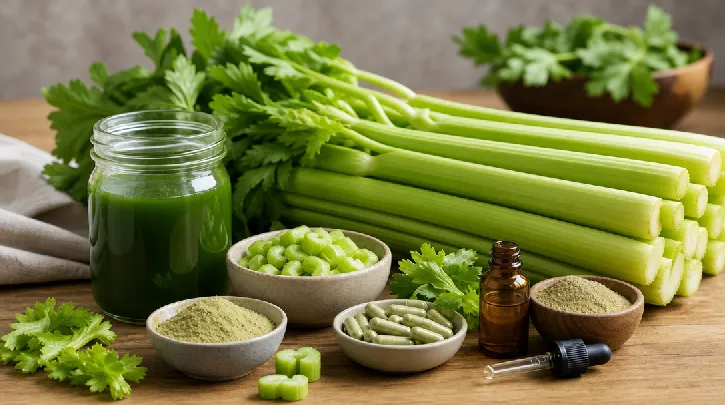
Celery, in its various forms, offers a versatile way to boost your nutrition, enhance meals, and support your well-being. Whether you prefer the crisp crunch of fresh stalks, the concentrated nutrients of celery juice or powder, or the targeted compounds in a supplement, understanding how to select, preserve, and utilize these products effectively is key to maximizing their benefits. This guide provides practical, real-world advice to help you navigate the world of celery with confidence, ensuring you get the most from this humble yet powerful vegetable.
From choosing the freshest stalks at the grocery store to incorporating celery seed extract into your routine, we’ll cover everything you need to know. You’ll discover smart storage hacks that extend shelf life, explore diverse culinary applications, and learn how to identify high-quality supplements.
Understanding Celery: More Than Just a Crunch
Celery (Apium graveolens) is a member of the Apiaceae family, which also includes carrots, parsnips, and dill. It has been cultivated for over two centuries, traditionally used in both food and medicine.
The Nutritional Powerhouse in a Stalk
Celery is remarkably hydrating, composed of approximately 95% water, making it excellent for fluid balance. It is low in calories but rich in essential vitamins and minerals.
- Vitamins: It is a good source of Vitamin K, essential for blood clotting and bone health. Celery also provides Vitamin A, Vitamin C, and folate (Vitamin B9).
- Minerals: Key minerals include potassium, magnesium, and calcium. Potassium helps regulate blood pressure and fluid balance.
- Antioxidants and Phytonutrients: Celery contains beneficial plant compounds like flavonoids, phenolic acids, apigenin, and luteolin. These compounds have anti-inflammatory and antioxidant properties, protecting cells from damage.
- Fiber: Celery provides both soluble and insoluble fiber, which supports healthy digestion and regular bowel movements.
Registered dietitian Amber Sommer, RDN, LD, highlights, “Celery is a low-calorie vegetable that provides much-needed nutrients, water and some fiber.”
Forms of Celery: Fresh, Juice, Powder, and Extract
- Fresh Celery: The whole stalks are crunchy, refreshing, and ideal for snacking, salads, or cooking.
- Celery Juice: Made by extracting liquid from fresh celery, it concentrates vitamins and minerals, though it often removes most of the fiber.
- Celery Powder: Produced by dehydrating and grinding fresh celery, this form offers a concentrated dose of nutrients and retains most of its fiber. It is also used as a natural curing agent in meats.
- Celery Seed Extract/Supplements: These are concentrated forms, often standardized to specific active compounds like 3nB (3-n-butylphthalide) or other phthalides, targeting particular health benefits.
Buying Fresh Celery: What to Look For
Selecting the Best Bunches
When you’re at the grocery store, pay close attention to the celery’s appearance. The ideal celery stalk has specific characteristics that signal freshness.
- Color: Look for stalks with a vibrant, light green color. Very dark green celery can be less sweet due to higher chlorophyll content. The leaves should be bright green, without any yellowing or brown spots.
- Texture and Firmness: Fresh celery stalks should be firm, crisp, and snap easily when bent. Avoid any bunches that appear limp, shriveled, or soft. Give it a gentle squeeze; fresh celery often makes a slight “squeak” sound.
- Weight: A heavy bunch for its size indicates a high water content, meaning juicier and fresher stalks.
- Ends: Inspect the base and cut ends. They should be relatively clean and firm, not mushy, yellow, or excessively dry.
Organic vs. Conventional Celery: Making Your Choice
The decision between organic and conventional celery often comes down to personal priorities regarding pesticide exposure, cost, and availability.
Conventional celery is grown using synthetic fertilizers, herbicides, and pesticides. Organic celery, conversely, uses natural fertilizers, organic herbicides, and organic pesticides. A significant concern for many consumers is pesticide residue.
Celery has a porous nature and no protective skin, making it prone to retaining pesticides. The Environmental Working Group (EWG) has noted that celery ranks high in pesticide residues found on conventional produce. According to one source, 94.5% of sampled conventional celery contained pesticides.
However, some studies suggest there’s no significant nutritional or food safety difference between organic and conventional celery, provided conventional produce is thoroughly washed. Health and lifestyle experts emphasize that consuming enough fruits and vegetables, regardless of organic status, is more beneficial than the potential harm from pesticide exposure.
| Feature | Organic Celery | Conventional Celery |
|---|---|---|
| Pesticide Use | Uses natural/organic pesticides. | Uses synthetic chemical pesticides. |
| Pesticide Residue | Generally lower synthetic chemical residue. | Can retain higher levels due to porous nature. |
| Cost | Typically higher cost. | Generally more affordable. |
| Availability | May be less widely available or seasonal fluctuations in price. | Widely available year-round. |
| Environmental Impact | Often associated with more environmentally friendly practices. | Concerns about risks to workers and environment from synthetic chemicals. |
Storing Fresh Celery: Maximizing Shelf Life
The Water Bath Method: A Game Changer
This method is excellent for re-crisping limp celery or keeping fresh celery at its peak for longer. Celery loses moisture and goes limp, so hydrating it is key.
- Wash and Cut: Separate the stalks and wash them thoroughly under running water. Dirt often hides between the stalks. Trim off the base and any leafy tops you don’t plan to use immediately.
- Chop or Halve: Cut the stalks into manageable pieces, perhaps in halves or into snack-sized sticks.
- Submerge in Cold Water: Place the cut celery pieces horizontally or upright in an airtight container. Fill the container with cold water until the celery is fully submerged.
- Refrigerate: Seal the container tightly and store it in your refrigerator.
Celery stored this way can remain crisp for up to two weeks. If you have limp celery, simply trimming the bottom and standing the stalks in a glass of water for a few hours can bring them back to crispness.
Other Storage Methods: Practical Tips
While the water bath is highly effective, other methods also work well for different durations or preferences.
| Method | Description | Shelf Life (Refrigerated) | Notes |
|---|---|---|---|
| Aluminum Foil Wrap | Wrap the entire head of celery tightly in aluminum foil. Leave the cut end slightly exposed for breathability. | 3 weeks or more. | Foil allows ethylene gas to escape, preventing rot and maintaining moisture. |
| Plastic Bag (Modified) | Wrap washed, dried, and trimmed celery stalks loosely in a dry paper towel, then place in an unsealed plastic bag or one with a few holes. | 2-4 weeks. | Allows celery to breathe, preventing moisture buildup and wilting. Avoid tightly sealed bags. |
| Produce Keeper Container | Store washed and cut celery in refrigerator boxes designed for fresh produce. | Several weeks. | These containers often have features to regulate humidity and airflow. |
Storing celery away from fruits that produce ethylene gas, such as apples, can prevent premature spoilage.
Freezing Celery for Later Use
Freezing is an excellent option for long-term storage, especially for celery destined for cooked dishes like soups and stews.
- Wash and Chop: Thoroughly wash the celery stalks and chop them into desired pieces.
- Blanch (Optional but Recommended): Blanching involves quickly immersing celery in boiling water for 2-3 minutes, then immediately plunging it into ice water to stop the cooking process. This helps preserve color, flavor, and nutrients.
- Pat Dry: Ensure the celery is completely dry before freezing to prevent ice crystals.
- Package: Place the celery in airtight freezer bags or containers. You can portion it out into one-cup or half-cup amounts for easy use. For individual pieces, flash freeze on a baking sheet before transferring to a bag.
Frozen celery will lose its crispness, so it is best used in cooked applications rather than raw.
Using Fresh Celery: Beyond the Crudités Platter
Culinary Uses: Flavor Enhancer and Vegetable
Celery is a highly versatile ingredient in the kitchen, often used as a base or an accent, or as a classic snack like celery and peanut butter.
- Aromatic Base: Celery is a core component of mirepoix (a blend of diced carrots, onions, and celery), which forms the flavor foundation for many soups, stews, sauces, and stocks in Western cuisine. Similarly, in Cajun cooking, it forms part of the “holy trinity” with onions and bell peppers.
- Salads: Its crisp texture adds a refreshing element to green salads, tuna salad, chicken salad, or potato salad.
- Stir-fries: Celery cooks quickly and retains a pleasant crunch in stir-fried dishes.
- Roasted or Braised: Roasting celery brings out a deeper, sweeter flavor, while braising allows it to absorb the flavors of the cooking liquid, creating a warm and comforting side dish.
- Snacks: Classic celery sticks with peanut butter (“ants on a log”) or cream cheese remain popular.
Consider sautéing celery with garlic and onions for a simple, flavorful side dish. One chef noted, “Celery is assertive enough that it can be the dominant flavor in a puréed soup — especially when tempered with cream and some salty bacon!”
Juicing Fresh Celery: Benefits and Best Practices
Celery juice has gained immense popularity as a wellness trend, touted for its concentrated nutrient profile.
Drinking celery juice is an excellent way to boost hydration, as celery is 95% water. It’s also low in sugar, making it a healthier alternative to many sugary beverages.
The juice contains potassium, vitamins A, C, and K, and beneficial plant compounds like phytonutrients, which may help reduce inflammation. Some studies suggest that the natural nitrates in celery juice may help lower blood pressure. “A single cup of celery juice can give you important vitamins like vitamin K, vitamin C, potassium and folate,” says registered dietitian Shupe.
For maximum benefits, especially digestive support, consume celery juice without straining it to retain some fiber. While anecdotal claims about celery juice curing serious diseases are largely unproven, it can be a nutritious part of a balanced diet.
Celery Products: Juice, Powder, and Supplements
Celery Juice: Store-Bought vs. Homemade
Both store-bought and homemade celery juice offer benefits, but they differ in terms of convenience, nutrient content, and cost.
| Feature | Homemade Celery Juice | Store-Bought Celery Juice |
|---|---|---|
| Preparation | Requires fresh celery, a juicer, and cleaning time. | Ready to drink, no preparation needed. |
| Freshness & Nutrients | Peak freshness, potentially higher nutrient bioavailability if consumed immediately. | Nutrient content can vary based on processing and packaging. |
| Fiber Content |
You can choose to strain or keep some pulp for fiber. | Often strained, resulting in less fiber. |
| Cost | Generally more cost-effective per serving. | Can be significantly more expensive. |
| Control | Complete control over ingredients (e.g., organic celery). | Dependent on brand’s sourcing and ingredients. |
| Shelf Life | Best consumed immediately, short refrigeration life (1-2 days). | Longer shelf life due to pasteurization/preservatives. |
While homemade juice offers optimal freshness, store-bought options provide convenience for busy schedules. Always check labels for added sugars or other ingredients in commercial juices.
Celery Powder: A Concentrated Option
Celery powder is made by dehydrating and grinding fresh celery. This process creates a concentrated form that retains many of the original vegetable’s nutrients, including vitamins K, C, potassium, calcium, and antioxidants like apigenin and luteolin.
One of the significant advantages of celery powder is its fiber content, which is largely preserved during dehydration. This can aid digestion and contribute to a feeling of fullness. It also supports gut health by stimulating digestive juices and hydrochloric acid production.
Celery powder is a versatile ingredient. You can use it:
- In smoothies or juices for an added nutritional boost.
- As a seasoning in soups, stews, sauces, or spice blends.
- As a natural curing agent in meats like sausages and bacon, replacing synthetic nitrites due to its naturally occurring nitrates. This use, however, has drawn controversy regarding whether it’s truly healthier than synthetic alternatives.
A small amount, typically ¼–½ teaspoon, can enhance the flavor of most recipes without overpowering them.
Celery Seed Extract and Supplements: Targeted Support
Celery seed extract and other celery supplements offer a concentrated dose of specific bioactive compounds, primarily phthalides, such as 3nB (3-n-butylphthalide). These compounds have been studied for their potential health effects.
Historically, celery seed extract has been used for conditions like gout and arthritis. Modern research suggests potential benefits:
- Blood Pressure Regulation: Studies have shown 3nB’s ability to lower blood pressure, possibly by relaxing blood vessel muscles. One study noted a 12-14% reduction in blood pressure in animals given 3nB.
- Anti-inflammatory Effects: The anti-inflammatory properties of compounds like luteolin and other phytochemicals in celery seed extract may help reduce inflammation in the body.
- Joint and Muscle Pain: Celery seed extract, standardized to 85% phthalides, has shown promise in relieving joint and muscle pain, including that associated with osteoarthritis, rheumatoid arthritis, and fibromyalgia.
- Uric Acid Reduction: For those with gout, 3nB may help by inhibiting the enzyme xanthine oxidase, which reduces uric acid production.
Dosage for celery seed extract varies, but common recommendations for joint and muscle complaints are 75 mg to 150 mg twice daily of an extract standardized to 85% phthalides. For general health, daily doses of celery seed powder or extract between 1000-1500 mg are often cited, but it’s crucial to consult a healthcare provider for personalized dosing.
Buying Celery Products and Supplements: A Smart Approach
Reading Labels: Key Ingredients and Certifications
Labels provide critical information about what you’re consuming. Learn to decode them effectively:
- Active Ingredients: For supplements, look for specific compounds like 3-n-butylphthalide (3nB) or a stated percentage of phthalides. This indicates a standardized extract designed for targeted effects.
- Other Ingredients: Check for fillers, artificial colors, flavors, or preservatives. Opt for products with minimal and recognizable ingredients.
- Organic Certification: If you prioritize avoiding synthetic pesticides, look for USDA Organic seals on fresh celery, juices, or powders. However, be aware that “celery powder” used as a curing agent in organic meats does not necessarily mean the celery itself was organic, and its use is controversial.
- Third-Party Testing: For supplements, certifications from independent organizations like NSF International, USP, or ConsumerLab indicate that the product has been tested for purity, potency, and contaminants. This is especially important as supplements are not as strictly regulated as pharmaceuticals.
- “Non-GMO” Verification: This label ensures the product is free from genetically modified organisms.
Choosing Reputable Brands
The supplement market can be saturated. Choosing a trustworthy brand is crucial.
- Transparency: Reputable companies are transparent about their sourcing, manufacturing processes, and quality control. They should readily provide information about third-party testing if not explicitly stated on the label.
- Customer Reviews and Reputation: Look for brands with consistently positive reviews and a strong reputation for quality. However, be critical of overly enthusiastic or generic reviews.
- Avoid Exaggerated Claims: Be wary of products promising miraculous cures or instant results. As Diana Mesa, RDN, reminds us, “Benefits come from an eating pattern rich in fiber and antioxidants, so just one food won’t necessarily give us those benefits.”
Understanding Potency and Dosage
Dosage can vary significantly between different celery products and supplements.
- Celery Juice: A typical serving is 8-16 ounces daily. Remember that juicing concentrates nutrients but also removes most fiber.
- Celery Powder: Due to its concentrated nature, a smaller amount is usually sufficient, often ¼ to ½ teaspoon in recipes or drinks.
- Celery Seed Extract: Dosage depends heavily on the standardization. For instance, an extract standardized to 85% phthalides might be recommended at 75-150 mg twice daily for specific conditions. Unstandardized celery seed powder might be recommended at 1000-1500 mg daily.
Always consult with a healthcare professional before starting any new supplement, especially if you have underlying health conditions or are taking other medications. They can provide guidance on appropriate dosages and potential interactions.
Storing Celery Products and Supplements: Maintaining Efficacy
Celery Juice Storage
Homemade celery juice has a very short shelf life due to oxidation. It is best consumed immediately after juicing. If you must store it, refrigerate it in an airtight container for no more than 24-48 hours. Store-bought celery juice often has a longer shelf life due to pasteurization or preservatives; always refer to the expiration date on the packaging and refrigerate after opening.
Celery Powder and Seed Extract Storage
These dried forms are more stable but still require proper storage to prevent degradation.
- Cool, Dark, Dry Place: Store celery powder and seed extracts in a cool, dark, and dry pantry or cupboard. Heat, light, and moisture can degrade active compounds and reduce potency.
- Airtight Containers: Keep them in tightly sealed, opaque containers to protect against air and light exposure, which can lead to oxidation and loss of flavor or efficacy.
- Check Expiration Dates: Always note the expiration or “best by” date on the packaging. While they may not spoil immediately, their potency can diminish over time.
Potential Side Effects and Considerations
Allergies and Sensitivities
Celery allergy is a recognized food allergy that can range from mild to severe. Symptoms can include:
- Oral allergy syndrome symptoms: itching or swelling of the mouth, lips, and throat.
- Skin reactions: rashes, hives (urticaria), or swelling (angioedema).
- Digestive issues: stomach discomfort.
- Respiratory symptoms: wheezing or difficulty breathing, especially for individuals with asthma.
- Anaphylaxis: a severe, life-threatening allergic reaction involving multiple body systems, requiring immediate medical attention and often an epinephrine auto-injector.
Celery allergens are relatively heat-stable, meaning even cooked celery, celery seeds, or celery spice can trigger a reaction. Cross-reactivity can occur with birch pollen or other members of the Umbelliferae family (like carrot, coriander, dill, parsley). Additionally, celery can cause photosensitivity in some individuals, increasing the risk of sunburn, blistering, or rashes when exposed to sunlight.
Drug Interactions
Celery and its extracts can interact with certain medications. Always inform your healthcare provider about any supplements you are taking.
- Blood Thinners (Anticoagulant/Antiplatelet drugs): Celery root might slow blood clotting. Taking it with blood thinners could increase the risk of bruising and bleeding. Celery is also a source of Vitamin K, which can interfere with certain anticoagulant medications.
- Diuretics (Water Pills): Celery may have diuretic effects. Combining it with diuretic medications might cause excessive fluid loss and electrolyte imbalance.
- Medications for High Blood Pressure (Antihypertensive drugs): Celery seed extract can lower blood pressure. Taking it with blood pressure-lowering medications might cause blood pressure to drop too low.
- Photosensitizing Drugs: Some medications increase sensitivity to sunlight. Since celery can also make the skin more sensitive to sunlight, combining them might increase the risk of sunburn.
- Levothyroxine (Thyroid Medication): Celery seed may reduce the effects of levothyroxine.
- Venlafaxine (Antidepressant): Celery root extract might decrease how quickly the body breaks down venlafaxine, potentially increasing its effects and side effects.
If you experience any adverse reactions or suspect drug interactions, discontinue use and consult a healthcare professional immediately.
FAQ
What is the best way to keep fresh celery crisp for a long time?
The most effective method is to store fresh celery stalks submerged in cold water in an airtight container in the refrigerator. This method can keep celery crisp for up to two weeks.
Can I freeze celery, and what are its best uses after freezing?
Yes, you can freeze celery. It’s best to chop and blanch it before freezing in airtight bags or containers. Frozen celery loses its crisp texture, making it ideal for cooked dishes like soups, stews, and stir-fries rather than raw consumption.
What are the main differences between celery juice and celery powder?
Celery juice extracts liquid, concentrating nutrients but typically removing most fiber. Celery powder is dehydrated and ground celery, retaining most of its fiber and offering a concentrated nutrient profile in a dry, shelf-stable form.
Are celery supplements safe for everyone?
Celery supplements are generally safe for most, but some individuals may have allergies or experience drug interactions. They can interact with blood thinners, diuretics, and blood pressure medications. Always consult a healthcare provider before taking supplements, especially if you have existing health conditions or are on medication.
Why is organic celery often recommended over conventional?
Organic celery is grown without synthetic pesticides, which is a significant concern for consumers because celery’s porous nature can retain pesticide residues. While often pricier, choosing organic can minimize exposure to these chemicals.
Conclusion
Celery, whether enjoyed fresh, juiced, powdered, or as a supplement, offers a wealth of nutritional benefits, from hydration and essential vitamins to powerful antioxidants and anti-inflammatory compounds. By understanding how to properly select fresh celery, employ smart storage techniques like the water bath or foil wrap, and thoughtfully incorporate celery products into your diet, you can significantly enhance your culinary repertoire and support your overall health.
Remember to always prioritize fresh, vibrant stalks, consider the benefits of organic options, and be mindful of ingredient labels when choosing processed products or supplements. While celery is largely beneficial, staying informed about potential allergies and drug interactions ensures safe consumption. Integrating celery and its derivatives into your lifestyle is a simple yet impactful step towards a healthier, more flavorful journey.
Disclaimer: This article is intended for informational purposes only and does not constitute medical advice. Always consult with a qualified healthcare professional before making any decisions about your health, diet, or starting new supplements, especially if you have existing medical conditions, are pregnant, nursing, or taking medications. Individual results may vary.
