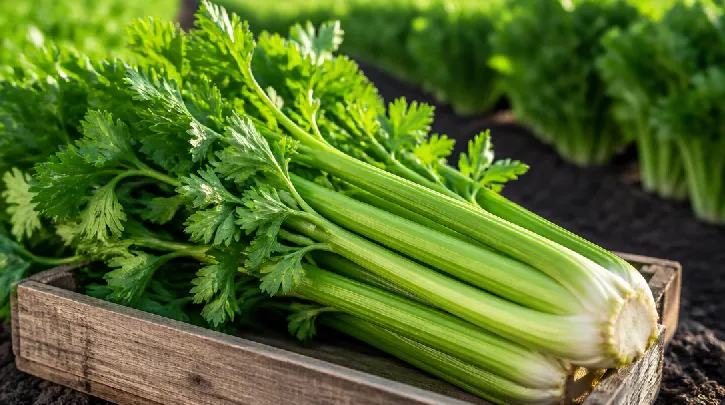
Celery, scientifically known as Apium graveolens, stands as a versatile vegetable, valued for its crisp texture, refreshing flavor, and notable nutritional contributions. It offers both culinary flexibility and various health benefits, making it a staple in kitchens and gardens globally. People integrate celery into their diets through diverse applications, from raw snacks to cooked dishes, and even in popular juices. This comprehensive guide explores celery’s benefits, practical uses, and cultivation techniques, providing actionable insights for home cooks and aspiring gardeners who want to understand more facts about celery.
What is Celery?
To understand what is celery, we examine its botanical classification. Celery (Apium graveolens) is a biennial plant belonging to the Apiaceae family, which also includes carrots, parsley, and fennel. This aromatic herb originated in the Mediterranean region and has been cultivated for over two centuries, initially for its medicinal properties and later as a culinary vegetable. Modern cultivars of celery are primarily grown for their edible leaf stalks, but its leaves, roots (celeriac), and seeds also offer distinct uses. Many interesting facts about celery highlight its long history and diverse applications.
Regarding its classification, celery is a vegetable, not a fruit. Botanically speaking, fruits develop from the flower’s ovary and contain seeds. Celery consists of stems, leaves, and roots, which classify it firmly as a celery a vegetable rather than a fruit. This clarifies the common query, is celery a fruit?
Botanical Profile of Apium Graveolens
Apium graveolens typically grows as a stout biennial herb, producing flowers and seeds in its second year. It can reach heights up to 3 feet, featuring solid, grooved stems and bright green, pinnately divided leaves. The plant produces small, creamy-white to greenish-white flowers in umbrella-like clusters, known as umbels. These flowers later develop into tiny, ovoid-shaped fruits that contain the celery seeds. This description helps clarify what is a celery in its natural botanical form.
Nutritional Powerhouse: Celery’s Key Components
Celery is remarkably low in calories, with a medium stalk providing just over 5 calories and consisting of approximately 95% water. Despite its high water content, celery delivers a concentrated array of essential vitamins, minerals, and beneficial plant compounds. These nutrients collectively contribute to its significant health-promoting effects, providing numerous celery facts regarding its nutritional value.
- Vitamins: Celery provides significant amounts of Vitamin K, crucial for blood clotting and bone health, and Folate, a B vitamin important for red blood cell formation and cell development. It also contains Vitamin A and Vitamin C, which function as antioxidants and support immune health.
- Minerals: Key minerals in celery include Potassium, vital for fluid balance and blood pressure regulation, and Magnesium, which supports heart rate regulation. It also offers smaller amounts of manganese and calcium.
- Fiber: Celery provides dietary fiber, encompassing both soluble and insoluble types. This fiber aids digestion and promotes gut health. A single cup of chopped celery offers about 1.6 grams of fiber.
- Antioxidants: The vegetable is rich in various powerful antioxidants, including flavonoids, phenolic acids, carotenes, and tocopherols. These compounds protect cells from oxidative damage caused by free radicals.
- Phthalides: Celery contains unique phytonutrients called phthalides, such as 3-n-butylphthalide. These compounds have specific roles in influencing blood vessel function.
Understanding Celery’s Unique Phytonutrients
Celery’s health benefits largely stem from its distinctive profile of phytonutrients. Flavonoids, like apigenin and luteolin, act as potent antioxidants and anti-inflammatory agents. Apigenin, for instance, reduces inflammation in blood vessels and has vasodilatory effects, meaning it helps relax and widen blood vessels. Phthalides, particularly 3-n-butylphthalide, contribute to improved blood flow by relaxing the muscles around arteries, allowing blood vessels to dilate. These specific compounds work synergistically to provide comprehensive support for the body’s systems, showcasing what celery can do for health.
Health Benefits of Incorporating Celery
Regular consumption of celery contributes to various aspects of health due to its nutrient density and bioactive compounds. Integrating celery into your daily diet offers a straightforward way to harness these advantages. Understanding these celery facts can encourage healthier eating habits.
- Hydration and Electrolyte Balance: Celery’s high water content, approximately 95%, makes it an excellent food for maintaining hydration. It also provides electrolytes like potassium, which are essential for proper fluid balance within the body. Adequate hydration supports numerous bodily functions, including nutrient transport and temperature regulation.
- Digestive Health Support: The dietary fiber in celery, both soluble and insoluble, promotes healthy digestion and regular bowel movements. Insoluble fiber acts as a bulking agent, facilitating the passage of waste through the intestines, thereby preventing constipation. Soluble fiber ferments in the large intestine, feeding beneficial gut bacteria and supporting a balanced microbiome.
- Anti-inflammatory Properties: Celery contains various phytonutrients, including apigenin, luteolin, and phenolic acids, which possess significant anti-inflammatory effects. These compounds help to inhibit inflammatory pathways and reduce the production of pro-inflammatory cytokines, potentially aiding in the management of conditions like arthritis and gout.
- Antioxidant Protection: Rich in antioxidants such as flavonoids, vitamin C, and beta-carotene, celery helps protect cells, blood vessels, and organs from oxidative damage caused by free radicals. This antioxidant activity plays a role in managing conditions such as hypertension and diabetes.
- Blood Pressure Management: Celery’s unique compounds, particularly phthalides and apigenin, contribute to lower blood pressure. Phthalides relax arterial muscles, improving blood flow, while apigenin has vasodilatory effects. A meta-analysis published in 2025 found that celery preparations significantly improved systolic and diastolic blood pressure.
- Bone Health: Celery provides a good source of Vitamin K, a nutrient essential for bone mineralization and density. Adequate Vitamin K intake supports strong bones and helps reduce the risk of fractures.
- Weight Management: With its high water content and low-calorie count, celery makes an excellent choice for weight management. Its fiber content promotes a feeling of fullness, which can help reduce overall calorie intake. For more insights on healthy eating, visit MyPlate.gov.
Dietitian Melissa Mitri, MS, RD, of FinvsFin.com, states, “Celery is rich in several healthy nutrients, but there is limited human research on celery juice specifically.” She emphasizes that while celery contains beneficial compounds like luteolin which may reduce inflammation, more human studies are needed to confirm these effects specifically for celery juice. This highlights the importance of consuming whole celery for its complete nutritional profile, including fiber. A 2022 study involving participants with hypertension demonstrated that taking four celery seed extract capsules daily for four weeks significantly lowered blood pressure and improved fasting blood sugar. This clinical evidence further supports celery’s role in cardiovascular health. You can find more research on the benefits of vegetables on the USDA National Agricultural Library website.
Culinary Uses: Beyond the Snack Stick
Celery offers exceptional versatility in the kitchen, extending far beyond a simple snack stick. Its mild, earthy, and slightly peppery flavor enhances a wide variety of dishes. Discovering what does celery bring to various cuisines is a culinary delight.
- Raw Applications: Enjoy celery stalks raw in salads, such as a classic Waldorf salad, or as a crunchy addition to green salads. Cut into sticks, it serves as a perfect vehicle for dips like hummus or peanut butter. Fresh celery leaves, often discarded, add a vibrant, slightly bitter note to salads and garnishes. Celery juice has also gained popularity as a hydrating, low-sugar beverage, though juicing removes most of the beneficial fiber.
- Cooked Applications: Celery forms a crucial aromatic base for many cooked dishes. It is a fundamental component of mirepoix (celery, onions, and carrots) in French cuisine and the “Holy Trinity” (celery, onions, and bell peppers) in Cajun and Creole cooking. These aromatic bases impart depth of flavor to soups, stews, casseroles, and sauces. You can sauté diced celery in stir-fries, roast it alongside other root vegetables, or braise it for a tender side dish.
- Celery Seed and Salt: Celery seeds, derived from the wild celery plant, possess a stronger, more concentrated flavor. They are used as a spice in pickling, brining, and in seasoning blends. Celery salt, a mixture of ground celery seeds and salt, offers a convenient way to add celery flavor to dishes like Bloody Marys, coleslaw, or deviled eggs.
Creative Celery Recipes for Your Kitchen
Experiment with celery to discover its full culinary potential. Consider making a refreshing celery and apple salad with a light vinaigrette, or incorporating finely diced celery into homemade chicken or tuna salad for added crunch and flavor. For a warm dish, try a creamy celery root soup, utilizing the often-overlooked root vegetable (celeriac) for a unique, nutty flavor. You can also roast celery stalks with olive oil, herbs, and a pinch of salt for a simple, savory side dish that brings out its natural sweetness. Many celery facts about its culinary uses make it a versatile ingredient.
Growing Your Own Celery: A Home Gardener’s Guide
Growing celery at home can be a rewarding experience, providing fresh, crisp stalks right from your garden. While it has a reputation for being challenging, understanding its specific needs ensures success. These celery facts will help aspiring gardeners.
Choosing the Right Celery Variety
Selecting the appropriate celery variety is important for successful cultivation. Varieties differ in maturity time, stalk characteristics, and heat tolerance. Exploring different celeries allows gardeners to find their best fit.
- Tall Utah: This heirloom variety is known for its crisp, classic celery flavor and tall stalks, suitable for both fresh eating and cooking. It is a reliable choice for many gardeners.
- Golden Self-Blanching: An heirloom variety that naturally produces milder, more tender stalks with a pale color, requiring less manual blanching. It is ideal for gardeners seeking less maintenance.
- Conquistador: This hybrid variety offers heat resistance and good drought tolerance, making it a strong choice for warmer climates. It produces crisp, upright stalks.
- Tango Hybrid: Known for its sweet, crunchy, and less stringy stalks, Tango matures relatively early and performs well in salads.
- Nan Ling Cutting Celery (Leaf Celery): This variety grows thin, delicate stalks and fragrant leaves, maturing quickly (60-90 days). It is perfect for short-season areas and for culinary uses where leaves are prioritized.
Preparing Your Garden for Celery
Celery thrives in rich, consistently moist soil and prefers full sun but can tolerate partial shade. Prepare your garden bed by incorporating plenty of well-rotted compost or aged manure to create a nutrient-rich, loose soil structure. Celery has shallow, hair-like roots, so loose soil allows them to spread easily. The ideal soil pH ranges between 6.0 and 7.0. Ensure the soil drains well but retains moisture effectively. This preparation is key for a healthy celery crop.
Planting and Care Techniques
Starting celery from seed requires patience, as germination can take 2-3 weeks, and seeds need light to sprout. Most home gardeners find it easier to begin with seedlings, either purchased or started indoors 10-12 weeks before the last frost. For more gardening tips, consult resources like The Old Farmer’s Almanac.
Planting: Transplant seedlings outdoors when nighttime temperatures consistently remain above 50°F. Space plants 6-10 inches apart in rows, or plant them in blocks to encourage self-blanching, where outer stalks shade inner ones, resulting in paler, more tender celery. For traditional trenching methods, plant seedlings in a 4-inch deep trench and gradually backfill soil around the stalks as they grow.
Watering: Celery demands consistent moisture; it does not tolerate drought. Provide at least 1 inch of water per week, especially during dry periods. Deep watering encourages stronger root development. Mulching around the plants helps retain soil moisture and suppress weeds.
Fertilizing: Celery is a heavy feeder. Beyond initial compost, supplement with a balanced organic fertilizer every 2-3 weeks or side-dress with additional compost mid-season. Adequate calcium intake helps prevent issues like black heart, a common celery disorder.
Pest and Disease Control: Monitor for common pests like aphids and diseases such as blight. Good air circulation and proper watering techniques, such as drip irrigation, can help prevent fungal diseases. Understanding these facts about celery care is crucial for success.
| Aspect | Recommendation |
|---|---|
| Soil pH | 6.0 to 7.0 |
| Sunlight | Full sun to partial shade |
| Watering | Consistent, deep moisture (1 inch/week) |
| Spacing | 6-10 inches apart |
| Fertilizing | Compost + balanced organic fertilizer regularly |
Harvesting Your Celery
You can harvest celery as individual outer stalks when they reach a usable size, typically 6-8 inches tall, allowing the inner stalks to continue growing. Alternatively, you can harvest the entire plant once it reaches maturity, usually in mid-summer for spring plantings. For self-blanching varieties, complete harvesting before the first hard frost. Leaves should appear green, indicating readiness. Remember, freshly grown celery often boasts a sweeter flavor than store-bought varieties. This insight is one of the more satisfying interesting facts about celery for home growers.
Potential Side Effects and Considerations
While celery offers numerous health benefits, it is important to acknowledge potential side effects and considerations for certain individuals. These celery facts are essential for safe consumption.
- Celery Allergies: Celery is a known allergen, particularly common in Europe, and can cause reactions ranging from mild oral allergy syndrome (itching or tingling in the mouth) to severe anaphylaxis. People allergic to birch pollen or mugwort often experience cross-reactivity with celery, known as pollen-food allergy syndrome. Symptoms can include hives, swelling, digestive upset, and respiratory issues. Both raw and cooked celery can trigger reactions, as allergens are heat-resistant.
- Photosensitivity: Celery contains compounds called psoralens, which can increase skin sensitivity to sunlight. This effect is more pronounced with direct skin contact (e.g., harvesting) but can also occur after ingesting large quantities, potentially leading to severe sunburn or blistering.
- Digestive Upset from High Fiber: While fiber is beneficial, a sudden significant increase in celery consumption, particularly for those unaccustomed to high-fiber diets, can cause digestive issues such as gas, bloating, or abdominal pain. Introduce celery gradually to allow the digestive system to adjust.
- Drug Interactions: Celery, particularly in medicinal amounts (e.g., concentrated extracts), might interact with certain medications. It could potentially increase the risk of bleeding in individuals taking blood thinners due to its Vitamin K content. Additionally, celery may increase sensitivity to sunlight, amplifying the effects of photosensitizing drugs. Always consult with a healthcare professional regarding potential interactions, particularly if you are wondering about what celery might do with your medications. For general medication information, refer to reputable sources like the FDA.
Frequently Asked Questions about Celery
How much celery should I eat daily?
There is no specific recommended daily amount of celery. Incorporate celery as part of a balanced diet, aiming for a variety of vegetables. Most people can safely enjoy several stalks a day to benefit from its nutrients and hydration without issues. This flexible approach to consumption highlights an interesting facts about celery consumption.
Can celery help with weight loss?
Celery can support weight loss efforts because it is low in calories and high in water and fiber. Its fiber content promotes satiety, helping to reduce overall calorie intake. However, celery is not a “magic food” for weight loss; it works best as part of a comprehensive healthy diet and lifestyle. This explains what does celery contribute to weight management.
Is celery a fruit or a vegetable?
A common question is, “is celery a fruit?” Botanically, celery is classified as a vegetable. Fruits develop from the flower’s ovary and contain seeds, while celery is primarily consumed for its stalks, which are part of the stem structure of the plant. Therefore, celery is a vegetable, not a fruit. This clarifies what is celery vegetable based on scientific definition.
Is celery juice really beneficial?
Celery juice offers hydration and concentrates some vitamins, minerals, and antioxidants found in whole celery. However, juicing removes most of the beneficial fiber, which is crucial for digestive health and satiety. While some studies suggest benefits for blood pressure and inflammation, many bold claims about celery juice lack strong scientific evidence from human studies. Understanding these celery facts helps manage expectations.
What is the best way to store fresh celery?
To keep fresh celery crisp for longer, wrap the whole bunch tightly in aluminum foil and store it in the refrigerator’s crisper drawer; this method allows ethylene gas to escape while retaining moisture. For cut celery, place pieces in an airtight container submerged in water in the refrigerator, changing the water daily or every other day. This simple storage tip is one of the more practical celery facts for daily use.
Final Thoughts
Celery offers a wealth of nutritional benefits, culinary versatility, and a rewarding experience for home gardeners. Its rich profile of vitamins, minerals, and phytonutrients supports hydration, digestive health, and anti-inflammatory processes. By understanding how to select, prepare, and even cultivate this remarkable vegetable, you can consistently enjoy its crisp texture and subtle flavor, enhancing both your meals and your well-being. Incorporate celery into your diet regularly to harness its full spectrum of benefits. Knowing what is celery and all its aspects empowers healthier living.
Disclaimer: The information provided in this article is for general informational purposes only and does not constitute medical advice. Always consult with a qualified healthcare professional before making any decisions about your health, diet, or treatment. Individual results may vary, and conditions such as allergies or interactions with medications should be discussed with a medical expert.
Explore Related Content
- Gardening
- Vegetables resources
- How to Identify and Naturally Treat Common Celery Pests Like Aphids and Leaf Miners in Home Gardens: A Hands-On Guide
- Exploring Celery Stalks and Leaves in Natural Dyes and Craft Projects: Beyond the Salad Bowl
- What are common celery growing problems and how to fix them? Cultivate Crisp, Healthy Stalks Every Time
- What are the Best Practices for Composting Celery Waste and Garden Trimmings? Transform Your Yard Scraps into Garden Gold
- What are the best methods for composting celery waste and scraps at home? Transform Your Kitchen Scraps into Garden Gold
