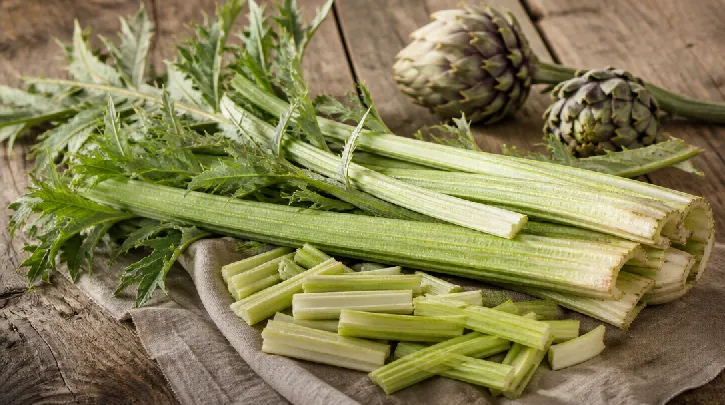
Are you curious about unique vegetables beyond the familiar, perhaps seeking a flavor that bridges the gap between earthy and slightly bitter? If you have encountered the visually striking cardoon but hesitated, wondering about its culinary potential or how it differs from its more common cousin, celery, you have found the right information. This article demystifies what cardoon is, guides you through its cultivation, preparation, and cooking, and demonstrates how this “artichoke thistle” can become a prized ingredient in your kitchen.
What Exactly is Cardoon, This Artichoke Thistle?
Cardoon, scientifically known as Cynara cardunculus, is an herbaceous perennial plant belonging to the Asteraceae family. This plant family also includes sunflowers and, significantly, the globe artichoke. Cardoon is native to the Mediterranean region, where people have cultivated it since ancient times. This close relative of the artichoke often receives the name “artichoke thistle” due to its similar appearance and flavor profile. While artichokes grow primarily for their edible flower buds, the cardoon is cultivated for its fleshy leaf stalks, which resemble large celery stalks.
Wild cardoons are stout plants. They grow between 31 to 59 inches (0.8 to 1.5 meters) tall, with deeply lobed, spiny leaves that can reach up to 20 inches (50 cm) in length. Cultivated varieties, however, are typically larger. They grow up to 6.5 feet (2 meters) tall, with fewer spines and thicker leaf stems. Humans selected these traits for easier harvesting and processing. The plant forms a large rosette of silvery-green leaves, with prominent white-ribbed stalks that can become two inches thick at maturity. When it blooms, the cardoon produces beautiful violet-purple, thistle-like flowers.
Historically, cardoon was popular in Greek, Roman, and Persian cuisines. It remained a common vegetable in medieval and early modern Europe. It even made its way to colonial America. Its popularity waned in the late 19th century. Presently, it maintains culinary prominence in southern Europe, particularly in France, Spain, and Italy, where specific cultivars like ‘Argenté de Genève’ are considered culinary specialties.
Cardoon vs. Celery: Understanding the Distinctions and Similarities
At first glance, cardoon stalks might remind you of an overgrown version of celery, but their differences extend beyond size. While both are stalk vegetables, their botanical families, flavor profiles, and culinary preparations diverge significantly.
Botanical Backgrounds
Celery (Apium graveolens) belongs to the Apiaceae family. This family also includes carrots, parsley, and parsnips. Cardoon, as previously noted, is in the Asteraceae family, making it kin to the artichoke and sunflower. This fundamental difference in lineage contributes to their distinct characteristics.
Flavor and Texture Profiles
Celery is known for its crisp, watery texture and mild, slightly peppery, and often herbaceous flavor. It is a staple in salads, soups, and as a raw snack, valued for its refreshing crunch.
Cardoon, in contrast, offers an earthy, mild sweetness with a distinct artichoke-like flavor, often accompanied by a hint of bitterness. The texture is also different. While raw cardoon can be tough and fibrous, cooking transforms it into a tender, sometimes velvety-soft experience, particularly when braised or baked. The bitterness of raw cardoon can be quite pronounced. This is why preparation techniques are crucial.
Culinary Applications
Celery is highly versatile. People eat it raw, cooked, or use it for its aromatic qualities in stocks and mirepoix. Its subtle flavor rarely dominates a dish.
Cardoon’s unique flavor makes it a star ingredient in its own right, particularly in Mediterranean cuisine. People rarely eat it raw due to its bitterness and fibrous nature. Instead, it typically undergoes specific preparation, including blanching, to mellow its bitterness and soften its texture. Common preparations include braising, frying, baking in gratins, or adding to stews and soups. The purple stamens of the cardoon flower can even be used as a vegetarian rennet in cheese-making. This practice dates back to ancient Rome and remains popular in certain Spanish and Portuguese cheeses.
Key Differences at a Glance
| Feature | Cardoon (Cynara cardunculus) | Celery (Apium graveolens) |
|---|---|---|
| Botanical Family | Asteraceae (Thistle family) | Apiaceae (Carrot family) |
| Edible Part | Fleshy leaf stalks (blanched) | Leaf stalks (raw or cooked) |
| Flavor Profile | Earthy, artichoke-like, mild sweetness, subtle bitterness | Crisp, watery, mildly peppery, herbaceous |
| Texture (Cooked) | Tender, can be velvety-soft | Softens but retains some crunch |
| Common Raw Use | Rarely due to bitterness and fibers | Common in salads and snacks |
| Preparation Needs | Requires blanching and peeling to reduce bitterness and tenderize | Minimal prep, often eaten raw |
| Hardiness (US) | Perennial in USDA Zones 7-10, annual elsewhere | Perennial in Zones 2-10, generally easier to grow |
Cultivating Cardoon: From Seed to Stalk in Your Garden
Growing cardoon can be a rewarding experience for the home gardener. It offers a dramatic ornamental plant and a unique culinary ingredient. It requires a bit of planning, especially if you live outside its ideal Mediterranean climate. Cardoon thrives as a perennial in USDA Zones 7 through 10, preferring full sun and well-drained soil. Gardeners typically grow it as an annual in colder climates.
Starting Your Cardoon Journey
For gardeners in cooler regions (USDA Zones 4-6), starting cardoon seeds indoors is essential. Sow seeds 8 to 10 weeks before your average last spring frost date. Cardoon seeds germinate best at 70-75°F (21-24°C) and require light, so avoid covering them too deeply. Use individual biodegradable pots, placing two seeds per pot, about 1/4 inch deep. Keep them on a heat mat under LED grow lights for 14 hours a day.
For Zones 7 or higher, you can plant cardoon in late spring after the danger of frost has passed and the soil has warmed to a depth of 6 inches.
Site Selection and Soil Preparation for Cardoon
Cardoons are large plants. They grow 3-5 feet tall and 4-5 feet wide, so they need ample space. Choose a location with full sun exposure, receiving at least 6-8 hours of direct sunlight daily. The soil should be fertile, well-drained, and enriched with organic matter like compost or aged manure. A slightly alkaline to neutral pH is ideal. Deep soil preparation, at least 18 inches, is crucial. If growing cardoon in containers, select very large pots (minimum 25-gallon volume, or at least 20 inches deep and 36-40 inches in diameter) with good drainage.
Ongoing Care and Watering
Cardoons need consistent moisture, especially during dry spells, but they do not tolerate soggy soil. Water deeply rather than frequently. They also benefit from regular feeding. An annual mulch of compost or aged manure is beneficial, and some growers opt for occasional foliar feeds of compost tea or liquid kelp.
Blanching: The Key to Edible Stalks
Blanching is a critical step for developing tender, less bitter cardoon stalks. This process involves excluding light from the stems for several weeks before harvest. This inhibits chlorophyll production and mellows the bitter compounds. Without blanching, cardoon stalks can be unpleasantly bitter and tough.
- Timing: Begin blanching 4 to 8 weeks before your intended harvest, typically in late summer or early fall.
- Method:
- Gather the cardoon leaves together and tie them in a bunch.
- Wrap the bundled stalks with an opaque, breathable material such as burlap, heavy paper, cardboard, or even a dark pillowcase. Wrap from the base to the middle of the stalk. Make sure to exclude light from about 80% of the stalk, leaving the leaf tips exposed.
- Alternatively, you can mound soil around the base of the plant to create an 18-inch hill, or balance untreated slabs of wood against the stalks.
- Secure the wrapping with twine.
- Check the stalks periodically. They are ready for harvest when they turn a creamy-white or pale yellow color along their length and feel firm but not woody.
Harvesting Your Cardoon
Cardoons are generally ready for harvest 120-150 days after planting, or 4-6 weeks after blanching. Use a sharp knife or pruning saw to cut the entire plant off at ground level. Discard the tough, outer leaves, as the inner, blanched stems are what you want. Be mindful that the sap can be sticky and may stain. If you plan to overwinter the crown in Zones 7-10, a clean cut at the base helps prevent rot. In colder zones, the plant will likely die back after frost, but you can protect the crown with a light mulch or row cover for a chance of it returning the following year.
Bringing Cardoon to the Kitchen: Preparing and Cooking for Flavor
Preparing cardoon requires a bit of effort, but the reward is a uniquely flavored vegetable that can elevate many dishes. The goal is to tame its natural bitterness and fibrous texture, revealing its delicate artichoke-like qualities.
Essential Preparation Steps
Before any cooking begins, you must properly prepare the cardoon stalks:
- Trim and Clean: Cut off the root base and any remaining leaves. Separate the stalks. Rinse them thoroughly under cold water.
- Remove Spines and Fibers: Cardoons have small spikes along their edges and tough, stringy fibers, similar to celery, that need removal.
- Use a paring knife or a vegetable peeler (like a Kuhn Rikon) to shave off the edges, removing the tiny spikes.
- Peel off the large, protruding ribs or the rigid outer skin, much like you would peel celery stalks. Some cooks find a metal spoon useful for scraping off the silvery fuzz on the inner side of the stalk.
- Prevent Discoloration: Cardoon flesh oxidizes quickly and turns brown when exposed to air, just like artichokes. As you clean and cut the stalks, immediately place the pieces into a bowl of cold water acidified with lemon juice or vinegar.
- Cut into Desired Pieces: Once peeled, cut the stalks crosswise into 1-inch to 2-inch pieces, or into batons, depending on your recipe.
Blanching (Kitchen-Blanching): Reducing Bitterness
Even after garden-blanching, most recipes require an additional blanching step in the kitchen to further reduce bitterness and tenderize the stalks. Skipping this can result in an unpleasantly bitter and fibrous dish.
- Fill a large, heavy-bottomed pot with water. Add a generous amount of salt and the juice of a lemon (or even the squeezed lemon pieces themselves).
- Bring the water to a boil.
- Drain the prepared cardoon pieces from their lemon-water bath and add them to the boiling water.
- Boil for 15 to 40 minutes, depending on the thickness of the stalks and desired tenderness. Some recipes, particularly for salads or antipasto, may even call for triple blanching to remove maximum bitterness. The goal is for them to be tender but still slightly firm.
- Once tender, scoop them out with a slotted spoon and immediately transfer them to an ice water bath to stop the cooking process.
- Drain thoroughly on kitchen towels or paper towels.
After this extensive preparation, your cardoons are ready for various culinary applications.
Cooking Cardoon: Recipes and Flavor Pairings
Cooked cardoons possess an earthy, slightly nutty, artichoke-like flavor. Their tender texture allows them to absorb the flavors of accompanying ingredients beautifully. Here are some classic ways to enjoy them:
- Gratins: A popular preparation, cardoons are often baked in a creamy gratin with cheese like Parmesan, Gruyere, or Pecorino. The rich, savory cheese complements the cardoon’s subtle bitterness.
- Fried Fritters: Coated in batter, flour, or breadcrumbs and fried until golden, cardoon fritters are a classic Italian appetizer. Serve them with a squeeze of lemon or an aioli.
- Braised Dishes: Cardoons shine when slowly braised with aromatic ingredients. You can braise them with garlic, olive oil, white wine or sherry, herbs like thyme and bay leaf, and chicken stock. They become incredibly tender and flavorful, perfect as a side dish or with slow-cooked meats.
- Soups and Stews: Their robust texture holds up well in hearty soups and stews, adding an unexpected depth of flavor.
- Salads and Antipasto: After blanching, cardoons can be marinated in olive oil, lemon juice, and herbs, and served cold in salads or as part of an antipasto platter.
- With Pasta: Toss blanched cardoon pieces with pasta, olive oil, garlic, and chili flakes for a simple yet elegant meal.
When cooking cardoons, remember their affinity for rich and acidic flavors. Lemon, garlic, olive oil, cheese, and even a touch of honey can beautifully balance their earthy notes and mitigate any lingering bitterness.
The Health Perks of Cardoon: Beyond its Unique Flavor
Beyond its culinary versatility and distinct taste, cardoon offers a range of potential health benefits, aligning with its origins as a traditional Mediterranean food. As a plant, it is recognized for its richness in bioactive compounds, particularly in its leaves.
Nutritional Profile of Cardoon
While specific detailed nutritional data for cardoon can be less common than for everyday vegetables, we know it shares characteristics with its thistle relatives. It is generally considered a good source of dietary fiber. Fiber is crucial for digestive health. Cardoons likely contain various vitamins and minerals, contributing to overall well-being. Historically, ancient Roman writers like Pliny the Elder even touted its health benefits, including claims for digestive ailments.
Bioactive Compounds and Antioxidants
Modern research has focused on cardoon’s bioactive compounds. For example, studies have identified 3-O-Caffeoylquinic acid in wild cardoon varieties, suggesting antioxidant properties. Antioxidants help protect the body’s cells from damage caused by free radicals. Free radicals are linked to various chronic diseases. The leaves, often considered waste in some contexts, are particularly rich in these compounds.
Other Potential Benefits
Traditionally, cardoon has been used in some cultures for its potential medicinal properties. Its close relationship to the globe artichoke, which is known for its compounds that support liver health and aid digestion, suggests that cardoon may share some of these qualities. For instance, globe artichokes contain cynarin, a compound thought to stimulate bile production. This can help with fat digestion. While cardoon is primarily consumed for its stalks, the presence of similar compounds in its broader botanical family indicates a beneficial nutritional profile.
Integrating cardoon into your diet means adding a unique vegetable that not only provides an interesting flavor but also contributes to your intake of fiber and potentially valuable plant compounds.
Common Mistakes to Avoid When Working with Cardoon
Cardoon, while delicious, demands a particular approach to preparation and cooking. Sidestepping these common pitfalls will ensure a more enjoyable culinary experience.
- Skipping the Blanching (Garden or Kitchen): This is perhaps the most significant mistake. Both garden blanching (excluding light before harvest) and kitchen blanching (boiling in water) are essential. Garden blanching minimizes bitterness and tenderizes the stalks from the start. Kitchen blanching further reduces bitterness and softens the fibers, making the cardoon palatable. Without these steps, your cardoon will likely be tough and unpleasantly bitter.
- Insufficient Peeling and Trimming: The small spines along the edges of the stalks and the tough, stringy fibers must be removed. Neglecting this step leaves a less refined texture and can even result in tiny, uncomfortable prickles in your dish. A sharp paring knife or peeler is your best tool here.
- Not Acidulating Water for Cut Stalks: Cardoon flesh oxidizes quickly and turns brown when exposed to air, just like artichokes. Failing to immediately immerse cut pieces in cold, lemon-acidulated water will result in unappetizingly discolored stalks.
- Under-cooking Cardoon: Cardoon needs adequate cooking time to become tender. If it is still stringy or hard after cooking, it has not cooked long enough. Depending on the recipe and thickness, boiling alone can take 15 to 40 minutes, followed by additional cooking in gratins or braises.
- Overlooking Freshness and Quality: Like any vegetable, fresh cardoon yields the best results. Avoid stalks that are soft, spongy, browning, or wilting. Choose ones that feel heavy, moist, and relatively rigid.
- Not Giving it Enough Space (for growers): Cardoon plants grow quite large, up to 6 feet tall and 5 feet wide. Planting them too closely will restrict their growth and yield.
- Ignoring Soil and Sun Needs (for growers): Cardoons require full sun and well-drained, fertile soil. Planting them in shady, waterlogged, or nutrient-poor conditions will lead to disappointing results.
Expert Tips for Cardoon Enthusiasts
After years of cultivating and cooking with cardoon, I have developed a few insights that can help both novice and experienced cooks get the most out of this unique vegetable.
First, when selecting cardoon at a farmers market or specialty store, prioritize stalks that are firm and pale in color. The paler the stalk, the less likely it is to be excessively bitter. While some outer stalks may have a greenish tint, look for creamy-white to pale yellow inner sections. Avoid any that feel soft, spongy, or show signs of browning or wilting.
For home growers, consider a spineless or less spiny variety if you can find one, as this will make the garden blanching and initial preparation much more comfortable. Even with less spiny types, gloves are a good idea during harvest.
When it comes to the kitchen preparation, be methodical with the peeling. Those tiny spines and fibrous strings are not pleasant to eat. I find a sturdy vegetable peeler works wonders for the outer skin and strings, while a small paring knife works best for the spiny edges. Always have that lemon-water bath ready. Oxidation happens almost instantly. To keep things moving efficiently, I often cut and drop pieces into the acidulated water as I go, rather than prepping a whole batch at once and risking discoloration.
Do not be afraid to embrace the double blanch. Even if you have done a thorough garden blanch, a quick boil in salty, lemon-infused water before your final cooking step makes a noticeable difference in tenderness and flavor. This is particularly true if you plan to fry them, as a truly tender interior is key to a successful fritter. For long-term storage, freezing blanched and thoroughly dried cardoon pieces is an excellent option for soups and braises through the winter. Just remember that the texture might be slightly softer after thawing.
Finally, remember cardoon’s versatility. While Italian gratins are iconic, consider braising them until truly tender and then tossing them with robust flavors like anchovy, capers, and chili flakes. They also make a fantastic addition to savory tarts or quiches. Experiment with different cooking methods and flavor pairings. The effort is genuinely worth the unique, delicious outcome.
Frequently Asked Questions About Cardoon
What does cardoon taste like?
Cardoon has an earthy, mild sweetness with a distinct artichoke-like flavor, often accompanied by a subtle bitterness. When properly prepared and cooked, its texture becomes tender, sometimes velvety.
Is cardoon the same as artichoke?
No, cardoon (Cynara cardunculus) and globe artichoke (Cynara cardunculus Scolymus Group) are close botanical relatives within the same species. People often call both “artichoke thistle.” The main difference is that cardoons are cultivated for their edible leaf stalks, while artichokes are grown for their immature edible flower buds.
How do you prepare cardoon to remove bitterness?
To remove bitterness from cardoon, you typically employ two main strategies: garden blanching and kitchen blanching. Garden blanching involves tying up the stalks and covering them to exclude light for several weeks before harvest. In the kitchen, after peeling off spines and tough fibers, the cut stalks are boiled in salted, lemon-acidulated water for 15-40 minutes until tender.
Can you eat raw cardoon?
While technically edible, cardoon is rarely eaten raw due to its significant bitterness and fibrous texture. Cooking is essential to mellow its flavor and tenderize the stalks.
How do you store fresh cardoon?
Fresh, blanched, or prepped cardoon stalks can be wrapped in a damp paper towel and placed in a perforated plastic bag or container in the refrigerator’s crisper drawer. They will keep for several days to a week. For longer storage, blanched and thoroughly dried cardoon pieces can be frozen for 6-12 months.
Cardoon, or cardoni, presents a unique opportunity to expand your culinary repertoire with a vegetable that offers a distinctive artichoke-like flavor and a satisfyingly tender texture when properly prepared. From its striking presence in the garden as an “artichoke thistle” to its rich history in Mediterranean cuisine, understanding the nuances of growing, preparing, and cooking this versatile stalk transforms it from an obscure curiosity into a prized ingredient. The effort involved in peeling and blanching is a small investment for the depth of flavor and unique experience cardoon brings to the table, making it a truly rewarding choice for adventurous cooks and gardeners alike.
