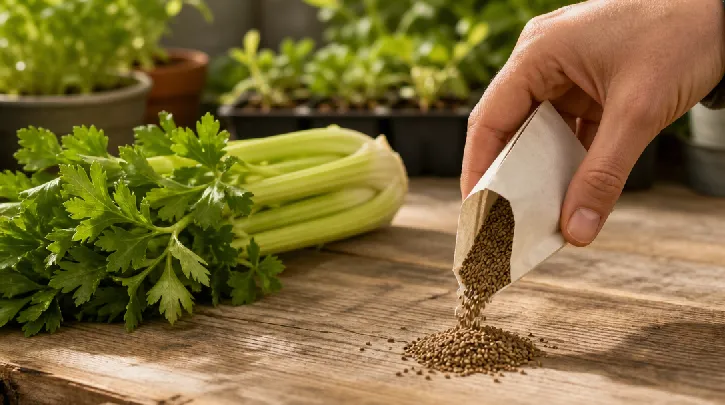
Selecting the best celery seeds online is the first critical step to a successful harvest of this crisp, flavorful vegetable. For most home gardeners in the US, varieties like ‘Tall Utah 52-70R Improved’, ‘Tango’, and ‘Conquistador’ stand out for their robust growth, excellent flavor, and disease resistance. These varieties offer reliable performance across diverse growing conditions, making them ideal choices whether you’re a seasoned gardener or just starting out.
Beyond simply picking a name off a seed packet, understanding the nuances of different celery types and what makes a seed truly “good” can transform your gardening experience. This guide will walk you through the essential considerations, from variety selection to reputable suppliers, ensuring your efforts yield abundant, crunchy stalks.
Understanding Celery Varieties: Trench, Self-Blanching, and Celeriac
Celery, Apium graveolens, comes in several forms, each with unique characteristics and growing requirements. Knowing these differences helps you choose the right seeds for your gardening goals and culinary preferences. Most US consumers are familiar with green stalk celery, a type developed for its sweeter, milder flavor compared to its more bitter ancestors.
Trench Celery (Green Celery)
Traditional trench celery varieties are known for their superior flavor and tender stalks. They require a specific cultivation method where soil is progressively mounded around the growing stalks. This process, known as earthing up or blanching, excludes light, leading to lighter-colored, more tender, and less fibrous stalks. This method is more labor-intensive but can result in exceptional quality.
Self-Blanching Celery (Golden Celery)
Self-blanching varieties are typically easier to grow for the home gardener. These types have denser foliage that naturally shades the stalks when planted in blocks. This natural shading achieves a similar blanching effect without the need for manual earthing up. They often mature faster and are a popular choice for their convenience.
Celeriac (Root Celery)
Celeriac, also known as celery root, is a different type of celery grown for its swollen, edible root rather than its stalks. It offers a mild, nutty celery flavor and is much hardier than stalk celery. Celeriac is a versatile ingredient in soups, stews, and purees.
| Variety Type | Primary Harvested Part | Blanching Required | Flavor Profile | Cultivation Effort |
|---|---|---|---|---|
| Trench Celery | Stalks | Yes (manual earthing up) | Superior, less stringy | High |
| Self-Blanching Celery | Stalks | Partially (natural self-blanching when planted densely) | Mild, tender, sweet | Medium |
| Celeriac | Root (and leaves) | No | Mild, nutty, earthy | Medium |
Key Factors When Choosing Celery Seeds Online
When you buy celery seeds, you invest in your future harvest. Smart selection ensures healthy plants and a rewarding yield.
Seed Type and Variety
Consider the specific celery variety that best suits your climate, garden space, and culinary uses. Some varieties are better for fresh eating, while others excel in cooking or for their roots. Heirloom seeds, like ‘Tendercrisp’, are open-pollinated and known for reliable flavor.
Germination Rate and Freshness
Celery seeds can be notoriously slow and tricky to germinate. Look for seeds with a high germination rate, typically listed by reputable suppliers. Fresh seeds are crucial; while celery seeds can be viable for up to five years, their potency wanes after the first year.
Organic vs. Conventional
The choice between organic and conventional seeds depends on your gardening philosophy. Organic seeds are produced without synthetic pesticides or fertilizers, adhering to organic farming standards. Some popular varieties like ‘Tango’ and ‘Tall Utah’ are available as certified organic seeds.
Disease Resistance
Disease resistance is a valuable trait, especially if you’ve faced issues in previous seasons. Varieties bred for resistance to common celery diseases like early blight can save your crop.
Climate Suitability
Celery is a cool-season crop, thriving in consistent cool temperatures. Temperatures below 50°F or above 70°F can cause bolting (premature seed production) and bitter, stringy stalks. Select a variety known to perform well in your specific USDA growing zone and local climate.
Reputable Seed Suppliers
Purchasing from a trusted supplier ensures seed quality, accurate labeling, and customer support. Look for companies with a long history and positive reviews. “The quality of your seed can directly impact the vitality and success of your garden,” emphasizes Dr. Sarah Jenkins, a horticultural researcher. “A good seed company invests in rigorous testing to ensure high germination rates and true-to-type varieties.”
Top Picks: Best Celery Seed Varieties for Home Gardeners (US Focus)
Based on performance, flavor, and suitability for various US climates, several celery varieties consistently earn high marks from home gardeners.
‘Tall Utah 52-70R Improved’
This is arguably one of the most popular and dependable celery varieties for both home and commercial growers. It produces tall, sturdy, dark green stalks with an excellent, mild, and slightly sweet flavor. ‘Tall Utah 52-70R Improved’ is known for its crisp texture and good disease resistance, making it a reliable choice.
‘Conquistador’
‘Conquistador’ is a robust hybrid variety known for its vigorous growth and uniform, straight stalks. It offers good resistance to various diseases and tolerates different growing conditions, producing a flavorful, crisp celery. This variety is often praised for its consistency and ease of growth.
‘Tango’
‘Tango’ is a fast-growing, self-blanching hybrid celery that adapts well to various conditions. It yields dark green, thick, tender stalks with excellent flavor and is considered an improvement over older varieties due to its tolerance for less-than-ideal growing conditions. Organic ‘Tango’ seeds are also available.
‘Giant Pascal’
An heirloom variety, ‘Giant Pascal’ is renowned for its thick, heavy stalks that blanch to a pale yellow-green. It offers a tender texture and good, rich flavor, making it a favorite for those seeking a classic celery taste. This variety can reach impressive heights, often between 18-20 inches.
‘Monarch’
‘Monarch’ is another self-blanching variety prized for its vigor and consistent production of crisp, tender stalks. It’s known for its relatively quick maturity and good flavor, making it a solid choice for gardeners looking for a less demanding celery. While specific search results didn’t detail ‘Monarch’ directly, it is a well-regarded variety in gardening circles.
‘Utah 52-70R’
Similar to the ‘Improved’ version, ‘Utah 52-70R’ is a very dependable, medium-dark green celery known for its crisp, tender, and tasty stalks. It is a widely trusted variety for its consistent performance in home gardens.
‘Ventura’ (for celeriac)
If you’re interested in celeriac, ‘Ventura’ is a popular choice. It produces large, uniform roots with healthy, upright foliage. While not directly found in the provided search results, ‘Brilliant’ Celeriac is mentioned as a long-storing heirloom favorite that produces large round roots with good flavor.
| Variety | Type | Key Features | Best For | Days to Maturity (from transplant) |
|---|---|---|---|---|
| Tall Utah 52-70R Improved | Trench (Green) | Tall, sturdy, dark green stalks; mild, sweet flavor; disease resistant | Fresh eating, cooking, consistent yield | 85-100 |
| Conquistador | Hybrid (Green) | Vigorous growth; uniform, straight stalks; good disease resistance | Reliable performance, diverse conditions | 90-100 |
| Tango | Self-Blanching (Green) | Fast-growing; dark green, thick, tender stalks; tolerant of varied conditions | Easier cultivation, excellent flavor | 85 (from transplant), 115 (from seed) |
| Giant Pascal | Trench (Green) | Thick, heavy, pale yellow-green stalks; tender; rich flavor | Classic celery taste, impressive size | 100-110 |
| Monarch | Self-Blanching (Green) | Vigorous; crisp, tender stalks; relatively quick maturity | Consistent yield, less demanding | 85-95 |
| Brilliant (Celeriac) | Celeriac | Large, round roots; dark green leaves; white flesh; long-storing | Soups, stews, purées | 100-120 |
Where to Buy Celery Seeds Online: Reputable Sources
Choosing a reliable online seed vendor is essential for acquiring high-quality celery seeds. These companies are known for their fresh, viable seeds and excellent customer service.
- Johnny’s Selected Seeds: Offers a wide selection of celery and celeriac seeds, including organic and pelleted options, known for their vigor and adaptability.
- Burpee: A long-standing name in gardening, Burpee offers popular varieties like ‘Tall Utah 52-70R Improved’ and ‘Brilliant’ Celeriac.
- Harris Seeds: Provides high-quality celery seeds, including ‘Tango’ organic and ‘Tall Utah 52/70R Improved’, emphasizing quality for a bountiful harvest.
- Territorial Seed Company: Known for offering a diverse range of vegetable seeds suitable for various climates.
- Baker Creek Heirloom Seeds: Specializes in rare and heirloom varieties, often a good source for unique celery types.
- Eden Brothers: Features several celery seed options, including organic ‘Tall Utah’ and ‘Pascal’, highlighting their sturdy, disease-resistant qualities.
- SeedsNow.com: Offers organic, non-GMO, heirloom celery seeds, including ‘Tall Utah 52-70’ and ‘Tendercrisp’.
- Victory Seed Company: Provides heirloom celery seeds like ‘Golden Self Blanching’ and ‘Giant Pascal’.
- Urban Farmer: Offers popular choices such as ‘Tall Utah’, ‘Tango’, and unique options like ‘Peppermint Stick’.
- San Diego Seed Company: Another source for quality celery seeds, catering to various growing needs.
- Gurney’s Seed & Nursery Co.: Provides varieties like ‘Titus Hybrid’ celery seed and emphasizes a commitment to innovation and quality.
When evaluating an online vendor, look for clear information on seed viability, germination rates, and customer reviews. Reputable sellers often provide detailed growing guides and support.
Essential Tips for Successful Celery Seed Starting and Cultivation
Growing celery from seed can be challenging but highly rewarding. With proper care, you can enjoy homegrown celery that far surpasses store-bought varieties in flavor and crunch.
Starting Seeds Indoors
Celery seeds are tiny and require a long growing season. Start seeds indoors 8 to 12 weeks before your last spring frost date. They need warmth (ideally 70-75°F soil temperature) and light to germinate, so press them lightly onto the soil surface, covering them with no more than ¼ inch of soil or vermiculite. Soaking seeds overnight in warm water can improve germination rates. Keep the soil consistently moist using a humidity dome or plastic wrap. Seedlings will require supplemental light, such as grow lights, for about 16 hours a day.
Transplanting
Harden off seedlings by gradually exposing them to outdoor conditions for 7-10 days before transplanting. Transplant when temperatures are mild and the risk of hard frost has passed, usually around the last frost date. Space plants 6 to 8 inches apart in all directions or follow specific seed packet guidelines. Plant them at the same depth they were growing indoors.
Soil and Nutrients
Celery is a heavy feeder and thrives in rich, fertile, well-draining soil with plenty of organic matter. A soil pH between 6.0 and 6.8 is ideal. Amend your soil with generous amounts of well-rotted compost or aged manure before planting. Celery also benefits from monthly feedings with a high-nitrogen fertilizer throughout the growing season.
Watering
Consistent moisture is paramount for healthy celery growth. Celery has a shallow root system and is very susceptible to drought stress. Uneven watering can lead to cracked, stunted, or bitter stalks. Aim for consistently moist, but not waterlogged, soil. Mulching helps retain soil moisture and suppress weeds.
Blanching Techniques
Blanching reduces bitterness and makes stalks more tender. For trench varieties, gradually mound soil around the stalks as they grow. For self-blanching types, planting in blocks allows the dense foliage to shade the inner stalks. You can also tie stalks together to restrict sunlight from the inner parts. “Proper blanching not only improves the flavor and texture of celery but also enhances its visual appeal,” says organic gardening expert, Emily Green.
Pest and Disease Management
Good cultural practices are your first line of defense. Maintain consistent watering, provide adequate air circulation, and keep your garden free of weeds that can harbor pests and diseases. If soil-borne diseases are an issue, consider raised beds or containers. Look for disease-resistant varieties to minimize problems.
Common Mistakes to Avoid When Growing Celery
Celery can be a bit fussy, but many common problems are easily preventable with a little knowledge and proactive care.
Planting at the Wrong Time: Celery needs a long, cool growing season. Planting too early exposes seedlings to frost, while planting too late can lead to bolting and bitter stalks due to summer heat.
Inconsistent Watering: This is the most frequent mistake. Celery needs constant, even moisture. Letting the soil dry out leads to tough, stringy, and bitter celery.
Planting Seeds Too Deeply: Celery seeds are tiny and need light to germinate. Plant them shallowly, barely covering them with soil or vermiculite.
Poor Soil Preparation: Celery is a heavy feeder. Neglecting to amend your soil with rich organic matter before planting will result in weak, poorly developed plants.
Insufficient Sunlight: Celery needs at least six hours of direct sunlight daily for optimal growth. Too much shade produces weak, spindly plants.
Not Blanching (for non-self-blanching varieties): Neglecting blanching leads to greener, tougher, and more bitter stalks.
Transplant Shock: Celery can be sensitive to transplanting. Harden off seedlings carefully and avoid planting during extreme weather conditions.
Frequently Asked Questions
How long do celery seeds take to germinate?
Celery seeds can take a while to germinate, typically between 10 days to 3 weeks, sometimes up to 4 weeks. Soaking them overnight in warm water can help speed up this process.
Can I grow celery from store-bought celery?
Yes, you can sprout new stalks from the base of a store-bought celery bunch. While this method is easy, it typically yields smaller plants and is not ideal for growing a full, robust crop from scratch like you would from seed.
What is the best time to plant celery seeds?
The best time to plant celery seeds depends on your climate. In cooler climates, start seeds indoors 8 to 12 weeks before the last spring frost. In warmer zones, you can start seeds in the fall for a winter harvest.
How much sun does celery need?
Celery is a sun-lover and needs at least six hours of direct sunlight each day for optimal growth. It can tolerate light shade, especially during the hottest part of the day in very warm climates.
Do celery seeds need light to germinate?
Yes, celery seeds require light to germinate. When sowing, lightly press them onto the surface of the seed starting mix or cover them with a very thin layer of vermiculite.
Conclusion
Cultivating crisp, flavorful celery from seed is a deeply satisfying endeavor for any home gardener. By choosing the right varieties like ‘Tall Utah 52-70R Improved’ or ‘Tango’, sourced from reputable online suppliers, you lay the groundwork for success. Remember that celery demands consistent care, particularly in watering and soil preparation, but the reward of harvesting your own stalks is unparalleled. With these expert insights and a little patience, your garden can thrive with abundant, homegrown celery, ready for snacks, salads, and culinary creations.
Disclaimer: This article provides general gardening information and recommendations. Individual results may vary based on specific growing conditions, climate, and practices. Always consult local agricultural extension services for tailored advice for your region.
