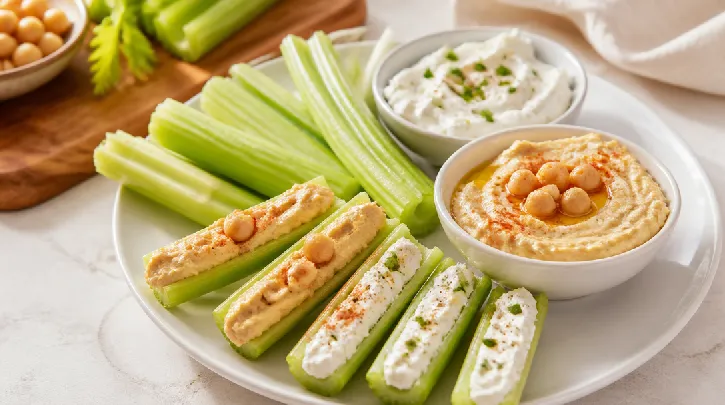
Finding genuinely satisfying, nutritious snacks can often feel like a culinary challenge, leaving many of us reaching for less-than-ideal options. If you are struggling with snack fatigue, celery offers a refreshingly crisp foundation, and with the right celery snack ideas, you can transform this humble vegetable into a truly exciting and wholesome treat. This guide explores creative dips and healthy celery pairings to invigorate your snack routine.
Discovering the Best Celery Snack Ideas for Healthy Eating
Celery is far more than just a garnish or a low-calorie diet staple. It stands as a versatile vegetable, offering a unique texture and subtle flavor that can complement a wide array of dips and other ingredients. Understanding its intrinsic value is the first step toward incorporating it effectively into your daily snacking.
Why Celery Deserves a Prime Spot in Your Snack Rotation
At its core, celery provides an excellent base for healthy snacking. Its high water content contributes to hydration benefits, while its fibrous structure offers a satisfying crunch that can help curb cravings. Many appreciate celery for its low caloric impact, making it a staple for mindful eaters.
Nutritional Powerhouse in a Crunchy Stalk
Beyond its low-calorie nature, celery brings a host of beneficial nutrients to the table. A single large stalk, about 40 grams, provides around 6 calories, less than 1 gram of protein, and approximately 1.2 grams of dietary fiber, according to the U.S. Department of Agriculture’s FoodData Central. It also contains essential vitamins and minerals, including vitamin K, vitamin A, folate, and potassium, alongside powerful antioxidants. This combination supports overall health and provides a nutrient-dense alternative to processed snacks.
Mastering the Art of Celery and Hummus Pairings
When considering healthy celery pairings, hummus quickly rises to the top of the list. The creamy, savory spread perfectly complements celery’s crispness, creating a balanced and flavorful bite. The combination of plant-based protein and fiber helps promote satiety, making it an ideal choice for sustained energy.
Classic Hummus: Selecting the Best Brands and Flavors
The market offers a vast selection of pre-made hummus, varying widely in quality and flavor profiles. When choosing a brand, I typically look for those with a short ingredient list, primarily chickpeas, tahini, lemon juice, and olive oil. Brands like Sabra Classic Hummus or Cava Traditional Hummus often strike a good balance between convenience and authentic flavor.
For those seeking variety, many brands offer infused options. Roasted red pepper hummus adds a smoky sweetness, while garlic hummus provides a more pungent kick. Experimenting with different flavors ensures your celery and hummus snack never becomes monotonous. I find that a lemon dill hummus or a spicy chipotle version can completely change the snacking experience.
Beyond Basic: Creative Hummus Variations for Celery
While classic hummus is always a solid choice, expanding your hummus repertoire can lead to exciting new celery snack ideas. Consider these popular variations:
Edamame Hummus: Made with edamame instead of chickpeas, this offers a brighter, slightly sweeter flavor and a vibrant green color. It pairs beautifully with the freshness of celery.
Black Bean Hummus: This version introduces an earthy, rich flavor profile, often spiced with cumin and chili powder. It brings a Southwestern flair to your celery sticks.
Sweet Potato Hummus: Roasted sweet potato adds a subtle sweetness and a beautiful orange hue, making the dip surprisingly comforting. This works well for those who enjoy a hint of sweetness with their savory snacks.
Beet Hummus: For a striking color and an earthy, slightly sweet taste, beet hummus is an excellent choice. Its natural sweetness enhances the savory notes of celery.
These variations not only diversify your palate but also introduce additional nutrients, making your healthy celery pairings even more robust.
Crafting Your Own Hummus: A Step-by-Step Approach
Making hummus at home is straightforward, allowing for complete control over ingredients and flavor. A homemade batch ensures freshness and avoids unnecessary additives often found in store-bought versions.
- Gather Ingredients: You will need one 15-ounce can of chickpeas (rinsed and drained), 1/4 cup tahini, 2 tablespoons fresh lemon juice, 1 small garlic clove (minced), 2 tablespoons olive oil, 2-3 tablespoons cold water, and a pinch of salt.
- Blend Chickpeas and Tahini: In a food processor, combine the chickpeas and tahini. Process for 1 minute until well combined and thick.
- Add Lemon Juice and Garlic: Scrape down the sides, then add the lemon juice, minced garlic, and salt. Process for another 30 seconds.
- Drizzle in Olive Oil and Water: With the food processor running, slowly drizzle in the olive oil and then the cold water, one tablespoon at a time, until the hummus reaches your desired creamy consistency. You might need slightly more or less water depending on your preference.
- Taste and Adjust: Taste the hummus and adjust seasonings as needed. You might want more lemon juice, salt, or even a dash of cumin for extra depth.
- Serve: Transfer to a serving bowl, drizzle with a little extra olive oil, and optionally sprinkle with paprika or chopped parsley. Serve immediately with crisp celery sticks. This fresh hummus will elevate any celery snack ideas you have.
A batch of homemade hummus typically stores well in an airtight container in the refrigerator for up to five days.
Elevating Celery with Cream Cheese and Savory Spreads
Cream cheese offers another classic and incredibly versatile base for healthy celery pairings. Its rich, tangy profile beautifully contrasts with celery’s fresh crunch, making it a comforting and satisfying snack.
The Versatility of Cream Cheese with Celery
Cream cheese serves as an excellent canvas for various flavor additions. For a simple and quick celery snack, spread plain cream cheese onto celery sticks. For an enhanced experience, consider mixing in herbs like chives or dill, a sprinkle of garlic powder, or a dash of black pepper.
One of my go-to variations involves folding in finely chopped walnuts and a few cranberries for a texture and flavor burst. This transforms a basic snack into something more gourmet. Another popular choice involves adding everything bagel seasoning for a savory, aromatic twist.
Healthier Cream Cheese Alternatives and Enhancements
While full-fat cream cheese is delicious, opting for lighter versions or alternatives can reduce saturated fat content without sacrificing flavor. Neufchâtel cheese, often labeled as “light cream cheese,” has about one-third less fat than regular cream cheese, according to the USDA. Whipped cream cheese also offers a lighter, airier texture and can feel less dense.
For a dairy-free or plant-based option, several brands now offer excellent cashew-based or almond-based cream cheese alternatives. Miyoko’s Kitchen Cultured Vegan Cream Cheese or Kite Hill Plant-Based Cream Cheese Style Spreads are notable examples that perform similarly to traditional cream cheese.
To boost the nutritional value and reduce the amount of cream cheese needed, consider blending it with other healthy ingredients:
Greek Yogurt Blend: Mix equal parts cream cheese and plain Greek yogurt. This adds protein and a tangy note while reducing fat content.
Avocado Cream: Mash ripe avocado with a small amount of cream cheese. This infuses healthy monounsaturated fats and a creamy texture.
Veggie-Loaded: Incorporate finely diced bell peppers, shredded carrots, or spinach into your cream cheese mixture. This adds fiber, vitamins, and a refreshing crunch.
Other Savory Spreads: From Pimento Cheese to Nut-Free Butters
Beyond cream cheese, a world of other savory spreads exists that pair wonderfully with celery.
Pimento Cheese: A Southern classic, pimento cheese is a blend of sharp cheddar, mayonnaise, and diced pimento peppers. It’s rich, savory, and incredibly satisfying, though typically higher in fat. For a lighter version, some recipes substitute Greek yogurt for part of the mayonnaise.
Tapenade: An olive-based spread from Provence, tapenade offers a salty, briny flavor profile. It’s rich in healthy fats and can be a sophisticated addition to your quick celery snacks. I prefer a black olive tapenade for its robust flavor.
White Bean Dip: Similar to hummus but often made with cannellini beans, this dip is creamy, mild, and often flavored with rosemary, garlic, and lemon. It’s a fantastic source of plant-based protein and fiber.
Nut-Free Butters: For those with allergies, sunflower seed butter (SunButter is a popular brand) provides a similar texture and protein content to nut butters. It has a distinctive, slightly earthy flavor that complements celery well.
Unveiling the Best Dips for Celery Beyond the Usual Suspects
While hummus and cream cheese are stellar choices, expanding your dip horizons can unlock even more exciting celery snack ideas. The best dips for celery are those that offer a complementary flavor profile, a satisfying texture, and nutritional value.
Yogurt-Based Dips: Light, Tangy, and Customizable
Greek yogurt forms an excellent base for light and tangy dips. Its natural protein content makes these dips particularly satiating.
Tzatziki: A classic Greek dip made with Greek yogurt, cucumber, garlic, dill, and a touch of lemon juice. Its cool, refreshing profile is perfect for summer snacking.
Ranch Dip (Healthy Version): Skip the powdered packets and make your own. Combine plain Greek yogurt with onion powder, garlic powder, dried dill, parsley, and chives. Add a splash of apple cider vinegar for tang.
Curry Yogurt Dip: Mix plain Greek yogurt with a teaspoon of curry powder, a squeeze of lime juice, and a pinch of salt. This offers an unexpected, aromatic twist that is incredibly flavorful.
Guacamole and Avocado Spreads: Healthy Fats and Flavor
Avocado-based dips are rich in monounsaturated fats, which are beneficial for heart health, according to the American Heart Association.
Classic Guacamole: The vibrant flavors of ripe avocado, red onion, cilantro, jalapeño, and lime juice create a chunky, satisfying dip. Guacamole’s creaminess is a perfect counterpoint to celery’s crunch.
Avocado Ranch: Blend avocado with Greek yogurt, cilantro, lime juice, and a few spices for a greener, healthier take on ranch dressing that works wonderfully as a dip.
Salsa and Relishes: A Zesty Crunch
For those who enjoy a brighter, more acidic flavor profile, salsas and relishes are excellent choices.
Pico de Gallo: Freshly chopped tomatoes, onions, jalapeños, and cilantro offer a vibrant, chunky dip. Its inherent moisture and acidity cleanse the palate between bites of celery.
Corn and Black Bean Salsa: A heartier salsa that combines sweet corn, black beans, red onion, bell peppers, and a lime vinaigrette. This adds texture and a more substantial feel to your healthy celery pairings.
Chutneys: Fruit-based chutneys, like mango or apple chutney, can offer a sweet and tangy counterpoint. While typically served with savory dishes, a small dollop can make a celery stick feel like a gourmet appetizer.
Nut and Seed Butters: Protein-Packed Energy
Nut and seed butters provide a dense, protein-rich option that offers sustained energy.
Peanut Butter: The timeless classic. Look for natural peanut butter with minimal added sugar and oil. Spread it thick on celery for a satisfying crunch-and-cream combination.
Almond Butter: Offers a slightly sweeter, milder flavor than peanut butter. It is rich in vitamin E and magnesium.
Cashew Butter: Exceptionally creamy and subtly sweet, cashew butter feels indulgent while providing healthy fats.
Seed Butters: Sunflower seed butter or tahini (sesame seed paste) are fantastic alternatives, especially for those with nut allergies. Tahini, in particular, offers a distinct earthy, slightly bitter flavor that pairs well with savory spices.
For an extra layer of flavor and texture, sprinkle a few chia seeds or hemp hearts on top of your chosen nut or seed butter spread.
Healthy Celery Pairings: Creative Combinations Without the Dip
While dips significantly enhance celery, you do not always need one to create a delicious and healthy celery snack. Sometimes, simple ingredient combinations are all it takes to elevate a basic celery stick into a satisfying treat. These quick celery snacks focus on complementary textures and flavors.
Cheese and Celery: A Timeless Duo
The combination of cheese and celery is a classic for a reason. The creamy, savory richness of cheese perfectly balances the crisp, watery freshness of celery.
Cheddar Cheese: Slice a block of sharp cheddar into thin sticks or cubes. The robust flavor of cheddar stands up well to celery’s subtle notes.
Goat Cheese: Crumbled goat cheese with its tangy, earthy profile offers a more sophisticated pairing. A drizzle of honey over the goat cheese can introduce a delightful sweet-and-savory contrast.
Cream Cheese Alternatives: As mentioned previously, spreadable cheeses like Laughing Cow wedges or mini Babybel cheeses are convenient and portion-controlled options that pair naturally with celery.
Cottage Cheese: For a protein boost, a spoonful of cottage cheese on a celery stick provides a soft, curdy texture and a mild flavor. Add black pepper or everything bagel seasoning for an extra kick.
Lean Proteins: Turkey, Chicken, and Hard-Boiled Eggs
Adding lean protein makes your celery snack much more filling and helps with muscle maintenance and repair.
Turkey Slices: Wrap thin slices of deli turkey around celery sticks. For added flavor, choose smoked turkey or a seasoned variety.
Chicken Salad: A small scoop of chicken salad (made with Greek yogurt instead of mayonnaise for a healthier twist) on a celery stick transforms it into a mini meal.
Hard-Boiled Egg: Slice a hard-boiled egg and place the pieces on celery, perhaps with a dash of hot sauce or a sprinkle of paprika. Alternatively, make a simple egg salad (again, using Greek yogurt or mashed avocado for creaminess) and use celery as a scoop.
Smoked Salmon: For a touch of luxury, thinly sliced smoked salmon on a celery stick with a squeeze of lemon juice makes an elegant, protein-rich snack.
Fruit-Forward Combos: Apples, Grapes, and Berries
Introducing fruit to your celery snacks can provide natural sweetness and additional vitamins.
Apple Slices: Pair celery with thin apple slices. The combined crispness is incredibly refreshing. A little peanut butter spread on the celery before adding the apple can create a fun and textural experience.
Grapes: Halved grapes nestled in celery with a smear of cream cheese offer a burst of sweetness and juiciness.
Berries: Small berries like raspberries or blueberries can be added to celery sticks with a light cream cheese or nut butter spread for a sweet, antioxidant-rich snack.
Seed and Nut Toppings: Adding Texture and Nutrients
Even without a dip, a sprinkle of seeds or nuts can elevate celery.
Everything Bagel Seasoning: This versatile seasoning blend adds a crunchy, savory kick with sesame seeds, poppy seeds, dried garlic, and dried onion.
Toasted Pepitas (Pumpkin Seeds): Offer a slightly sweet, nutty flavor and a satisfying crunch. They are also a good source of magnesium.
Chopped Nuts: A small amount of chopped almonds, walnuts, or pecans provides healthy fats and a different texture profile.
Hemp Hearts: These tiny seeds are a powerhouse of omega-3 fatty acids and protein. Their mild, nutty flavor blends well with celery.
Expert Tips for Preparing and Storing Your Celery Snacks
To truly enjoy celery as a snack, proper preparation and storage are key. A crisp celery stick is far more appealing than a limp one, and well-organized snacks make healthy choices easier to grab.
Keeping Celery Crisp: Storage Secrets
Celery’s high water content makes it prone to wilting if not stored correctly.
Whole Stalks: To maximize shelf life, store whole celery stalks in a container of water in the refrigerator. Trim the very bottom of the celery, place it upright in a glass jar or a produce keeper with about an inch of water, and cover it loosely. This keeps the celery hydrated and crisp for up to two weeks.
Cut Sticks: If you prefer to prep celery sticks in advance, store them in an airtight container filled with cold water in the refrigerator. This method helps maintain their crunch for several days. Change the water daily for best results.
Always wash celery thoroughly before eating, as its stalks can trap dirt.
Meal Prepping for Quick Celery Snacks
Proactive preparation is the secret to consistent healthy snacking.
Wash and Cut in Advance: Dedicate time once or twice a week to wash and chop a full head of celery into snack-sized sticks. Store them as described above.
Portion Dips: If using pre-made dips or your homemade versions, portion them into small, individual containers. This prevents overeating and keeps the main dip container fresh. For example, a 2-ounce container of hummus is typically a good serving size.
Combine and Pack: Create grab-and-go snack packs by placing celery sticks and a pre-portioned dip in a reusable container. For pairings without dip, like cheese and celery, simply combine them in a single container.
Label and Date: Label your containers with the preparation date. Most celery-and-dip combinations are best consumed within 3-4 days to ensure freshness and food safety, especially for dairy or protein-based dips.
Avoiding Common Snacking Mistakes
Even with the best intentions, some pitfalls can derail healthy celery snacking.
Over-reliance on Unhealthy Dips: While the focus here is healthy, it is easy to negate celery’s benefits with dips high in saturated fats, added sugars, or excessive sodium. Always check nutrition labels or make your own dips to control ingredients.
Blandness or Repetition: Sticking to just one dip can lead to snack fatigue. Rotate through different healthy celery pairings, experiment with seasonings, and explore new recipes. The variety will keep your interest piqued.
Ignoring Portion Sizes: Even healthy dips contain calories. Be mindful of serving sizes, especially with calorie-dense options like nut butters or full-fat cheeses. Use measuring spoons or small containers to guide your portions.
Improper Storage: Allowing celery to wilt or dips to spoil makes healthy snacking less appealing and can lead to food waste. Follow storage guidelines to keep everything fresh and safe.
Comparing Popular Celery Dip Categories
Understanding the characteristics of different dip categories can help you choose the best options for your preferences and dietary needs. Here is a comparison of some popular celery dip categories.
| Dip Category | Typical Ingredients | Pros for Celery | Cons for Celery | Best Uses |
|---|---|---|---|---|
| Hummus & Bean Dips | Chickpeas/beans, tahini, lemon, garlic, olive oil, spices | High in plant protein & fiber, creamy texture, versatile flavors, good for satiety. | Can be high in calories/fat if over-portioned. | Everyday healthy snacking, meal prep, vegan options. |
| Cream Cheese & Dairy-Based Spreads | Cream cheese, yogurt, herbs, cheese, mayonnaise | Rich, tangy, satisfyingly creamy, good source of calcium (dairy), adaptable for savory/sweet. | Can be high in saturated fat; some options contain high sodium. | Comfort snacking, easy customization, quick celery snacks. |
| Nut & Seed Butters | Peanuts, almonds, cashews, sunflower seeds, sesame seeds | Excellent protein source, healthy fats, sustained energy, satisfyingly dense texture. | Calorie-dense, can be sticky, potential allergens. | Pre/post-workout snack, energy boost, sweet or savory applications. |
| Avocado & Guacamole | Avocado, onion, cilantro, lime, spices | Rich in healthy monounsaturated fats, creamy, flavorful, refreshing. | Can brown quickly once exposed to air, higher calorie density. | Fresh, vibrant snacking, source of good fats. |
| Salsas & Relishes | Tomatoes, onions, peppers, corn, beans, fruit, vinegar | Low in calories, high in vitamins, zesty and refreshing, adds texture. | Less filling than creamy dips, can be watery. | Light snacking, hydrating, adding a fresh, acidic kick. |
This comparison highlights that each dip category brings unique benefits and considerations, allowing you to tailor your celery snack ideas to your specific nutritional goals and taste preferences.
Frequently Asked Questions About Celery Snacking
It’s common to have questions about how to best incorporate celery into a healthy and enjoyable snacking routine. Here are answers to some frequently asked questions.
Is celery truly a “negative calorie” food?
No, the concept of “negative calorie” foods is a myth. While celery is very low in calories (around 6 calories per large stalk, according to the USDA), your body still expends some energy to digest it. However, the energy expended is less than the total calories celery provides. It remains an excellent choice for a low-calorie, nutrient-dense snack, but it does not burn more calories than it contains.
How can I make celery more appealing for kids?
Making celery fun for kids often involves presentation and pairing it with familiar, appealing flavors. Try these strategies:
- Ants on a Log: This classic uses peanut butter and raisins, but you can vary it with almond butter and dried cranberries, or cream cheese and chocolate chips.
- Creative Cutouts: Use a small cookie cutter to make fun shapes from cheese slices to pair with celery sticks.
- Colorful Dips: Offer vibrant dips like beet hummus or guacamole. Let kids choose their favorite dip.
- Involve Them: Let children help wash and prep the celery, or choose which dip to try. Ownership can increase willingness to eat.
What are some vegan-friendly celery dip options?
Many excellent vegan-friendly dips pair well with celery. Hummus, whether classic or flavored, is a staple. Guacamole is another fantastic choice. You can also explore white bean dips, black bean dips, various salsas, and nut or seed butters. For a creamy texture, look for plant-based cream cheese alternatives or make a cashew-based dip from scratch.
How long do celery sticks stay fresh with dip?
Pre-assembled celery sticks with dip are best consumed within 24-48 hours. The moisture from the dip can make the celery soften, and the dip itself has a limited shelf life once exposed to air and potentially transferred bacteria. For optimal freshness, store celery sticks and dip separately and combine them just before eating. Most homemade or opened store-bought dips are safe for 3-5 days in the refrigerator when stored properly in an airtight container.
Can I freeze celery for later snacking?
While you can freeze celery, it is generally not recommended for snacking on its own or with dips. Freezing changes celery’s texture significantly, making it soft and watery upon thawing. Frozen celery is best reserved for cooked applications like soups, stews, or smoothies, where its texture is less critical. For fresh snacking, prioritize proper refrigeration methods to keep it crisp.
Transforming celery into an exciting, healthful snack is entirely achievable with a bit of creativity and strategic pairing. By exploring a range of dips, from classic hummus and creamy spreads to vibrant salsas and protein-rich nut butters, you can keep your snack routine fresh and satisfying. Remember that thoughtful preparation, smart storage, and a willingness to experiment are your best allies in making healthy celery pairings a consistent part of your daily diet.
