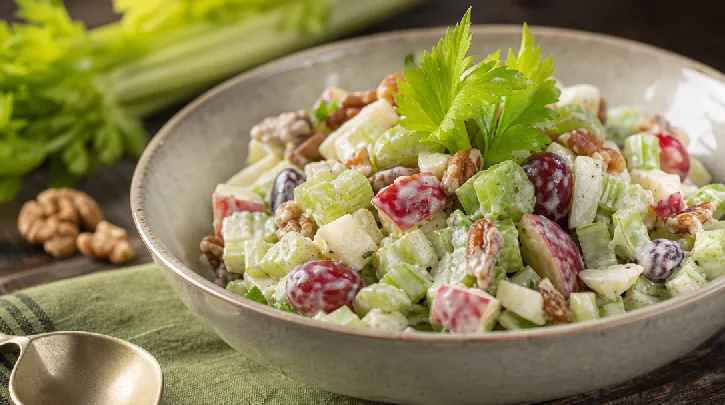
Celery, often seen as a humble vegetable, holds a prominent place in classic American cuisine. It provides a unique crunch, a subtle earthy flavor, and a wealth of nutrients, making it far more than just a garnish or a dipper for hummus. From foundational aromatics to star salad ingredients, celery elevates countless dishes with its distinctive character.
Beyond its simple appearance, celery offers impressive versatility and significant health benefits. It’s a key player in many beloved recipes, proving its worth in both texture and taste. Understanding its full potential can transform your cooking, adding depth and freshness to everyday meals.
The Enduring Appeal of Celery
Celery (Apium graveolens) is a vegetable with a rich history, cultivated for over 200 years for its culinary and potential medicinal properties. Native to the Mediterranean region, it has become a global staple.
Its crisp texture and slightly peppery, refreshing taste make it a natural fit for various culinary applications. All parts of the celery plant, including the stalks, leaves, and even the seeds, are edible and contribute unique flavors and nutrients to dishes.
Nutritional Powerhouse
Celery is primarily known for its high water content, being about 95% water. This makes it a low-calorie vegetable, with one medium stalk (40 grams) containing approximately 5.6 calories.
Despite its low-calorie count, celery is rich in essential vitamins and minerals. It provides a significant dose of vitamin K, which is crucial for blood clotting and bone strength. It also contains vitamins A and C, folate, potassium, calcium, and manganese.
Celery also boasts antioxidant and anti-inflammatory properties due to compounds like flavonoids, phenolic acids, and vitamin C. These antioxidants help protect cells from damage and may support the management of conditions like hypertension and gastrointestinal disorders. “There are many, many vegetables to discover and each one has a worth,” says Michelin-starred chef Massimo Bottura, emphasizing the value of even unassuming ingredients like celery.
The Core of Culinary Celery: Mirepoix and Beyond
In the culinary world, celery often works behind the scenes, forming the flavor backbone of many dishes. Its mild yet distinct taste blends seamlessly with other aromatics, laying a crucial foundation for complex flavors.
Mirepoix: The French Flavor Base
One of celery’s most famous roles is as a component of mirepoix, a classic French flavor base. Mirepoix consists of diced onions, carrots, and celery, typically cooked slowly in fat (like butter or olive oil) without browning. This gentle cooking process, called sweating, softens the vegetables and releases their natural sugars and aromatic compounds, creating a savory and fragrant base.
Mirepoix is fundamental for stocks, soups, stews, and sauces, lending depth and complexity to dishes like coq au vin and beef bourguignon. A common ratio for mirepoix is two parts onion, one part carrots, and one part celery.
The “Holy Trinity” in American Cuisine
In American regional cooking, particularly Cajun and Creole cuisine, celery is part of another essential aromatic blend known as the “Holy Trinity.” This blend typically features bell peppers, onions, and celery, forming the foundation for iconic dishes such as gumbo and jambalaya. This showcases celery’s adaptability across diverse culinary traditions.
Iconic Celery-Centric Dishes
While often a supporting character, celery takes center stage in several timeless recipes that highlight its unique texture and flavor.
The Timeless Waldorf Salad
The Waldorf Salad is arguably celery’s most iconic starring role. This classic American fruit and nut salad was first created at the Waldorf-Astoria hotel in New York City in 1893 by maître d’hôtel Oscar Tschirky. The original 1896 recipe was remarkably simple, featuring only apples, celery, and mayonnaise.
Over the years, the Waldorf Salad evolved. Walnuts became a common addition in the early 20th century, followed by grapes. Today, variations might include chicken, turkey, or even a dressing lightened with Greek yogurt, but the core combination of crisp apples and crunchy celery remains essential.
Creamy Comfort: Celery Soup
Homemade cream of celery soup offers a rich, comforting experience far superior to its canned counterparts. This soup showcases celery’s ability to create a savory, tender, and flavorful base. Recipes typically involve sautéing finely chopped celery and onion, often with garlic, in butter before adding flour to create a roux. Broth and milk or cream are then gradually whisked in, simmered until thickened, and often pureed for a smooth consistency.
Some recipes incorporate potatoes for extra body and creaminess, ensuring a satisfying meal. Garnishes like fresh celery leaves or a sprinkle of raw minced celery add a final touch of freshness and texture.
Stuffed Celery: A Retro Appetizer Revival
Stuffed celery is a quintessential retro appetizer, popular since the 1920s and still beloved today. Its appeal lies in the satisfying contrast between crisp celery stalks and a creamy, savory filling.
Classic fillings include cream cheese, often mixed with ingredients like shredded cheddar cheese, Worcestershire sauce, and pimentos. Other vintage variations featured blue cheese, deviled ham, or even peanut butter with olives. This appetizer is quick to prepare, festive, and make-ahead friendly, making it a perfect snack or party dish.
The Unsung Hero: Celery in Stuffing and Dressings
During holiday meals, especially Thanksgiving, celery plays a vital role in stuffings and dressings. Its crisp texture and aromatic properties contribute significantly to the dish’s overall flavor and mouthfeel.
Recipes for classic stuffing often begin with sautéed celery and onions in butter, forming an aromatic base. The addition of celery leaves is particularly important, as they provide that signature scent and flavor often associated with stuffing. These vegetables are then combined with dried bread cubes, herbs like sage and thyme, and broth, before being baked to golden perfection.
Celery’s Crunch in Savory Stews and Casseroles
Beyond its starring roles, celery is a consistent and valuable addition to a wide array of savory stews, casseroles, and other cooked dishes. It provides both a subtle flavor enhancement and a welcome textural contrast that holds up well during cooking.
Think of chicken noodle soup, beef stew, or pot roasts; celery’s firm texture adds substance and a fresh bite. It integrates perfectly, adding value without overpowering other ingredients.
Beyond the Classics: Modern Takes on Celery
While its classic uses remain popular, celery also finds its way into contemporary culinary trends, embracing its versatility in new and exciting ways.
Juicing and Smoothies
Celery juice has gained popularity in recent years, driven by health and wellness trends. People consume it for its believed detoxifying properties and potential benefits for gut health. While some claims lack scientific basis, celery juice is undoubtedly a way to consume a concentrated dose of its nutrients. Celery also makes a refreshing addition to various green smoothies.
Roasted and Braised Celery
Roasting or braising celery transforms its texture and mellows its flavor, bringing out a surprising sweetness. Cooked celery becomes tender, making it an excellent side dish or a component in more complex preparations. White celery, with its more delicate flavor, is particularly suitable for cooked dishes where it becomes creamier and more integrated.
Celery Root (Celeriac)
Don’t confuse celery stalks with celery root, also known as celeriac. This knobby, bulbous root vegetable is a distinct variety of celery cultivated for its large, edible hypocotyl. Celeriac has a mild, slightly sweeter celery flavor than the stalks and a starchy texture, similar to a potato.
Celeriac is incredibly versatile. It can be eaten raw, grated into salads or slaws, or cooked in numerous ways. It’s excellent boiled and mashed as an alternative to potatoes, roasted, baked, or blended into creamy soups and purees. Its earthy flavor pairs well with apples, walnuts, and seafood. Given its lower carb content compared to potatoes, it’s also a popular choice for keto and low-carb diets.
Selecting and Storing Celery for Optimal Freshness
To enjoy celery’s crispness and flavor, proper selection and storage are crucial. Limp, yellowing celery is far less appealing and flavorful.
Choosing Fresh Celery
When selecting celery, look for bunches with crisp, firm stalks that are bright green. The stalks should be tightly formed, and if leaves are attached, they should be fresh and green. Avoid celery that appears soft, dry, yellowing, or has brown patches.
Storage Best Practices
The key to keeping celery crisp is preventing moisture loss while allowing natural gases to escape.
- For Whole Stalks: The best method for storing fresh celery stalks is to wrap the entire bunch tightly in aluminum foil and store it in the refrigerator. This allows ethylene gas (which causes wilting) to escape while retaining moisture, keeping celery fresh for two to four weeks, or even longer.
- For Cut Celery: If you’ve cut your celery, submerge the pieces in an airtight container filled with water in the refrigerator. Change the water daily or every other day. This method can keep cut celery fresh for one to two weeks.
- Avoid Plastic Bags: Storing celery in its original plastic packaging is not recommended, as it traps ethylene gas, leading to faster wilting and yellowing.
Here is a comparison of common celery storage methods:
| Storage Method | Description | Approximate Freshness Duration | Notes |
|---|---|---|---|
| Aluminum Foil (Whole Stalks) | Wrap the entire bunch tightly in aluminum foil. | 2-4 weeks or more | Allows ethylene gas to escape, retains moisture. |
| Submerged in Water (Cut Celery) | Place cut celery in an airtight container filled with water. | 1-2 weeks | Change water daily or every other day. |
| Original Plastic Bag | Leave celery in its retail plastic bag. | 2-3 days | Traps ethylene gas, leading to faster wilting. |
If your celery does go limp, you can often revive it by cutting off the base and standing the stalks in a glass of ice water for a few hours.
FAQ
What is the most classic celery dish?
The Waldorf Salad is widely considered the most classic celery dish. It was first created at the Waldorf-Astoria hotel in New York City in 1893, featuring apples, celery, and mayonnaise.
Can celery leaves be eaten?
Yes, celery leaves are edible and nutritious. They contain the highest concentration of calcium, potassium, and vitamin C in the celery plant. They can be used to add flavor to salads, soups, or as a garnish.
What is mirepoix and why is celery important in it?
Mirepoix is a classic French flavor base made from a mixture of diced onions, carrots, and celery, cooked slowly in fat. Celery is crucial as it contributes a key aromatic and earthy note, balancing the sweetness of carrots and pungency of onions to create a rich foundation for many dishes.
Is celery good for you?
Yes, celery is very good for you. It is low in calories, high in water content (about 95%), and a good source of fiber, vitamins K, A, and C, folate, and potassium. It also contains antioxidants and anti-inflammatory compounds.
How is celery root different from regular celery?
Celery root, also known as celeriac, is a distinct variety of celery cultivated for its large, edible root, not its stalks. It has a milder, slightly sweeter celery flavor and a starchy texture, making it versatile for mashing, roasting, or grating into salads, similar to a potato.
Conclusion
Celery, in all its forms, is a truly versatile and valuable ingredient in the kitchen. From its integral role in foundational aromatic blends like mirepoix and the Holy Trinity to its starring performances in classic dishes like the Waldorf Salad and cream of celery soup, its distinct crunch and subtle flavor are indispensable.
Embracing celery means unlocking a world of culinary possibilities, whether you’re reviving a retro appetizer, crafting a comforting soup, or exploring the earthy delights of celery root. By understanding how to select, store, and prepare this humble stalk, you can consistently bring fresh, engaging flavors and textures to your table, proving that celery is indeed a powerhouse of both nutrition and taste.
Explore Related Content
- Health resources
- more on Recipes
- Can I Eat The Leaves of Celery? Unlocking Their Flavor and Nutrition
- Signs of Celery Allergy in Pets: What Symptoms to Watch For and How to React
- Pet Choking on Celery or Bad Reaction: Your First Aid Guide
- Can Eating Celery Interfere with Blood-Thinning Medications or Thyroid Function? Navigating Food-Drug Interactions
- How Celery’s High Fiber Content Specifically Aids Digestion and Relieves Constipation: Your Guide to Gut Health
