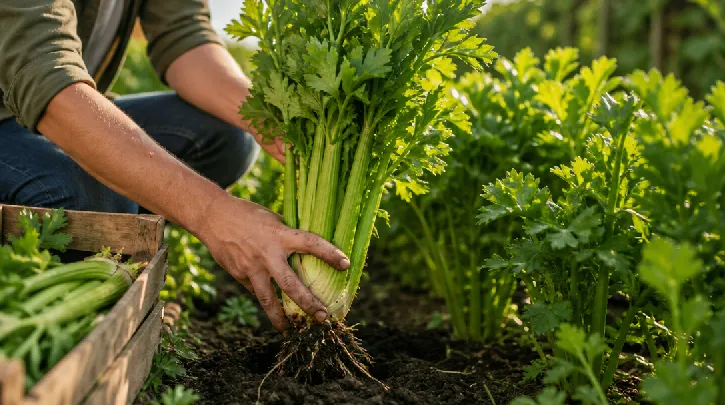
Growing celery in your home garden is absolutely achievable, and the reward of crisp, flavorful stalks far surpasses anything you can buy in a store. While it’s often considered a tricky crop due to its specific needs, mastering a few key techniques will lead to a bountiful harvest of this versatile vegetable.
Imagine plucking a stalk from your own backyard, its vibrant green color and satisfying crunch ready for a snack or your next culinary creation. This guide will walk you through every step, transforming the seemingly complex task of celery cultivation into a truly enjoyable and rewarding garden endeavor, leaving you with stalks bursting with fresh, earthy flavor.
Why Grow Celery in Your Home Garden?
Cultivating celery at home offers several compelling advantages over store-bought options. These benefits extend from taste and nutrition to economic savings and peace of mind.
- Superior Flavor: Homegrown celery possesses a richer, more complex flavor profile than commercially grown varieties. The stalks are often sweeter and less stringy.
- Enhanced Nutrition: Freshly harvested celery retains more of its vitamins and minerals, including Vitamin K, Vitamin C, potassium, and folate. Eating it soon after picking maximizes these health benefits.
- Cost Savings: A single celery plant can produce multiple stalks, and sometimes even regrow if harvested correctly. This can significantly reduce your grocery bill over time.
- Chemical-Free Control: Growing your own means you control the growing environment, avoiding synthetic pesticides and herbicides. You can ensure your celery is organic and safe for your family.
- Gardening Satisfaction: There is immense satisfaction in bringing a challenging crop like celery from seed to table. It’s a true testament to your gardening skills.
Understanding Celery: A Cool-Season Crop
Celery, scientifically known as Apium graveolens, belongs to the Apiaceae family, which also includes carrots, parsley, and dill. It thrives as a cool-season crop, meaning it prefers mild temperatures for a long, consistent growing period.
The plant needs a sustained period of temperatures between 60°F and 75°F (15°C to 24°C) to develop properly. Temperatures that are too hot can cause celery to become stringy and bitter, while a hard frost can damage young plants. This makes timing your planting crucial, especially in regions with extreme summer or winter weather.
Celery is also a heavy feeder and requires consistently moist, fertile soil. It does not tolerate drought conditions well, which can quickly lead to tough, woody stalks. Understanding these fundamental requirements sets the stage for successful cultivation.
Varieties of Celery for Home Gardens
Choosing the right celery variety is important for success, as some types are better suited for home gardens than others. Varieties differ in their growth habits, stalk color, tenderness, and blanching requirements.
Self-blanching varieties are popular because they naturally produce paler, more tender stalks, reducing the need for manual blanching. Examples include ‘Tango’ and ‘Pink Plume’. Green varieties, like ‘Tall Utah’, typically require blanching to achieve optimal tenderness and flavor, but are often more robust growers.
Another interesting relative is celeriac (or root celery), which is grown for its edible, turnip-like root rather than its stalks. While not true stalk celery, it offers a different culinary experience from the same plant family.
| Variety Name | Type | Stalk Color | Height (inches) | Maturity (days) |
|---|---|---|---|---|
| Utah 52-70 | Green | Dark Green | 20-24 | 100-105 |
| Tango | Self-Blanching | Medium Green | 18-20 | 85-90 |
| Pink Plume | Self-Blanching | Pinkish-Red | 18-22 | 90-95 |
| Conquistador | Green | Dark Green | 22-26 | 95-100 |
Starting Celery: Seeds or Transplants?
You can start celery in your garden either from seeds or by purchasing young transplants. Each method has its own set of advantages and challenges, and your choice may depend on your experience and available time.
Starting celery from seeds is common because celery seeds are tiny and many are needed to produce a crop. However, they are notoriously slow to germinate and grow, requiring patience and a long indoor head start. This method offers the widest selection of varieties.
Using transplants purchased from a local nursery offers a quicker start and bypasses the delicate early germination phase. This is often the preferred method for new gardeners or those with a shorter growing season. Ensure transplants are healthy and free from pests or diseases.
Starting Celery from Seed Indoors: A Step-by-Step Guide
Given celery’s long growing season, starting seeds indoors is almost always necessary for most climates in the United States. Begin this process 10 to 12 weeks before your last anticipated spring frost date. This gives the seedlings ample time to develop before transplanting.
Materials Needed:
- Celery seeds
- Seed starting mix (sterile and well-draining)
- Seed starting trays or small pots
- Dome or plastic wrap for humidity
- Grow lights or a very sunny window
- Heating mat (optional, but highly recommended)
Steps:
- Fill your seed starting trays or pots with a moist, sterile seed starting mix. Gently tamp down the soil surface.
- Sprinkle celery seeds thinly over the surface of the soil. Do not cover them with soil, as celery seeds need light to germinate.
- Lightly mist the seeds with water to ensure good seed-to-soil contact. Cover the trays with a clear plastic dome or plastic wrap to maintain high humidity.
- Place the trays in a warm location, ideally on a heating mat set to 70-75°F (21-24°C). Provide 14-16 hours of light per day from grow lights.
- Maintain consistent moisture in the soil, ensuring it never dries out. Germination can take anywhere from 1 to 3 weeks, sometimes longer.
- Once seedlings emerge, remove the plastic dome and continue to provide ample light. When seedlings develop their first true leaves, thin them to 1 inch apart to prevent overcrowding.
- As seedlings grow, carefully transplant them into larger individual pots (2-4 inches) when they have 2-3 sets of true leaves. Handle them gently by their leaves, not stems.
Site Selection and Soil Preparation
The success of your celery crop largely hinges on selecting the right location and preparing the soil properly. Celery is a demanding plant when it comes to its growing environment.
Choose a spot in your garden that receives full sun to partial shade. While full sun (6-8 hours daily) is ideal, some afternoon shade can be beneficial in hotter climates to prevent bolting and bitterness. This protects the delicate plants from intense midday heat.
The soil is paramount. Celery demands a rich, well-draining soil that can hold consistent moisture. It is a heavy feeder, so amending your garden bed with plenty of organic matter is critical. Work in 3-4 inches of compost, aged manure, or other organic material into the top 8-12 inches of soil before planting. This improves soil structure, fertility, and water retention. The ideal soil pH for celery is slightly acidic to neutral, between 6.0 and 7.0.
Planting Celery Outdoors
Once your celery seedlings are robust and the danger of frost has passed, it’s time to move them into the garden. Proper timing and spacing are essential for healthy growth.
Before transplanting, you must harden off your seedlings. This involves gradually exposing them to outdoor conditions over 7-10 days, starting with a few hours in a sheltered spot and progressively increasing exposure to sun and wind. This process prevents transplant shock.
Plant celery transplants after your last spring frost date, typically when nighttime temperatures consistently stay above 50°F (10°C). Space the plants 6-10 inches apart in rows, with rows 2-3 feet apart. For a more intensive planting approach, you can plant in blocks, spacing plants 10-12 inches apart in all directions. Plant them at the same depth they were in their nursery pots, ensuring the crown is not buried.
Watering: The Key to Crisp Celery
Consistent moisture is the single most critical factor in growing crisp, tender celery. Celery has shallow roots and a high water content, making it highly susceptible to stress from inconsistent watering. Even a brief period of drought can lead to stringy, bitter stalks.
Aim to provide 1-1.5 inches of water per week, either from rainfall or irrigation. In hot, dry weather, you may need to water daily. Use a soaker hose or drip irrigation system to deliver water directly to the root zone, minimizing evaporation and keeping foliage dry. This also helps prevent fungal diseases. Avoid overhead watering late in the day, as wet leaves overnight can encourage disease. Check soil moisture regularly by feeling a few inches down; if it feels dry, it’s time to water.
Fertilizing for Robust Growth
As a heavy feeder, celery benefits significantly from a regular fertilization regimen. Adequate nutrients support the rapid development of large, tender stalks.
Start with a rich soil amended with compost, as discussed earlier. About 2-3 weeks after transplanting, begin a regular feeding schedule. Use a balanced organic fertilizer, such as a 5-10-10 or 10-10-10 granular blend, or a liquid feed like fish emulsion or compost tea. Apply a side dressing of compost around the plants midway through the growing season for a slow-release nutrient boost. Always follow product instructions for application rates.
A soil test can provide precise recommendations for your garden’s specific nutrient needs. If a soil test is not performed, observing your plants can guide your fertilization. Yellowing leaves might indicate a nitrogen deficiency, while stunted growth could point to a lack of phosphorus. Remember, healthy soil is the foundation for healthy plants.
Blanching Celery for Tenderness and Flavor
Blanching is a technique used to make celery stalks more tender, less fibrous, and less bitter. It involves blocking sunlight from reaching the lower parts of the stalks, which inhibits chlorophyll production. While not strictly necessary for all varieties, it significantly improves eating quality for many green types.
Methods for Blanching:
- Soil Mounding: As celery grows, mound soil up around the base of the stalks, leaving only the top leaves exposed. This can be done gradually, adding more soil every week or two.
- Cardboard or Newspaper: Wrap the lower parts of the celery stalks with cardboard or several layers of newspaper. Secure it with twine or rubber bands. Ensure water can still reach the base of the plant.
- Celery Collars: These are commercially available or homemade tubes, often made from plastic or heavy paper, that slip over the plant to block light.
Begin blanching when the celery stalks are about 12-15 inches tall, typically 2-3 weeks before you plan to harvest. Remove blanching materials a day or two before harvesting to allow some air circulation and drying. Remember, some varieties, like ‘Tango’, are self-blanching and may not require this extra step, producing naturally paler stalks.
“Achieving that perfect crisp, mild flavor in homegrown celery often comes down to consistent moisture and thoughtful blanching,” notes Dr. Eleanor Vance, a horticultural researcher at the University of California, Davis. “It’s a step that transforms good celery into exceptional celery.”
Pest and Disease Management
Even with the best care, celery can sometimes fall prey to pests and diseases. Early detection and appropriate action are key to protecting your crop.
Common Pests:
- Celery Leafminer: These tiny larvae tunnel within the leaves, creating tell-tale squiggly lines. Remove and destroy affected leaves, and consider neem oil for severe infestations.
- Aphids: Small, soft-bodied insects that cluster on new growth, sucking plant sap. Spray with a strong stream of water or use insecticidal soap. Encourage beneficial insects like ladybugs.
- Slugs and Snails: These nocturnal pests chew holes in leaves and stalks. Hand-pick them at night, use slug bait, or set beer traps.
Common Diseases:
- Early Blight (Cercospora apii): Causes small, circular brown spots on leaves that enlarge and turn yellow. Ensure good air circulation, avoid overhead watering, and consider resistant varieties.
- Late Blight (Septoria apiicola): Characterized by small, yellowish spots that become water-soaked and develop tiny black dots (pycnidia). Similar cultural controls as early blight are effective.
- Pink Rot (Sclerotinia sclerotiorum): A fungal disease causing water-soaked lesions near the soil line, leading to a soft, pinkish rot. Practice crop rotation and ensure good drainage to prevent this.
Prevention is always better than cure. Good garden hygiene, crop rotation, proper plant spacing, and selecting disease-resistant varieties are your first lines of defense. Regularly inspect your plants for any signs of trouble.
Harvesting Your Homegrown Celery
Knowing when and how to harvest your celery ensures you get the most out of your efforts. The timing and method can influence future yields and the quality of the stalks.
Celery is typically ready for harvest 90-120 days after transplanting, or when the outer stalks are at least 6-8 inches tall and the plant has developed a good, full crown. The stalks should feel firm and crisp.
You have two main harvesting options: you can harvest outer stalks individually, allowing the inner stalks to continue growing. Use a sharp knife to cut stalks at the base, leaving the inner core of the plant undisturbed. This method encourages continuous production. Alternatively, you can harvest the entire plant by cutting it at soil level. This is often done at the end of the growing season or when you need a large quantity. Many gardeners report that if you leave the very center of the plant and some roots, it may regrow for a second, smaller harvest. Approximately 80% of U.S. households purchase celery, highlighting its popularity, and growing your own ensures a steady, fresh supply.
Storing Fresh Celery
Proper storage is key to maintaining the crispness and flavor of your freshly harvested celery. Unlike some vegetables, celery can quickly lose its crunch if not stored correctly.
For short-term storage, wrap whole celery stalks tightly in aluminum foil and place them in the crisper drawer of your refrigerator. The foil allows ethylene gas to escape, preventing spoilage and keeping the celery crisp for several weeks. Another effective method is to place the celery base-down in a container with about an inch of water, covering the tops loosely with a plastic bag. This rehydrates the stalks.
If you have an abundance, you can also freeze celery. Wash, chop, and blanch the celery in boiling water for 3 minutes, then immediately plunge into ice water. Drain thoroughly, pat dry, and store in airtight freezer bags for up to 12 months. Frozen celery is best used in cooked dishes like soups, stews, or casseroles, as it loses its crispness when thawed.
Expert Insights on Celery Cultivation
“Growing celery successfully at home is a testament to mindful gardening,” says Dr. Sarah Jenkins, a renowned botanist and author of ‘The Resilient Garden.’ “It requires attention to detail—especially consistent moisture and nutrient availability—but the reward of truly fresh, intensely flavored stalks is unparalleled. It’s a plant that teaches you patience and the value of a well-prepared garden bed.”
Celery is not only a culinary staple but also offers significant health benefits. A study published by the University of Maryland Medical Center highlights celery as a good source of antioxidants and beneficial enzymes, along with vitamins K and C. These nutrients are often more concentrated and potent in freshly harvested produce. In 2023, the per capita consumption of celery in the United States was estimated at 5.5 pounds, underscoring its widespread appeal and health benefits.
FAQ Section
How long does celery take to grow from seed?
Celery takes a long time to grow from seed, typically requiring 10-12 weeks indoors before transplanting, and then another 90-120 days in the garden until harvest. The total growing period from seed to mature plant can be up to 5-6 months.
Can I grow celery from a stump?
Yes, you can regrow celery from the base or stump of a store-bought stalk. Simply place the base in a shallow dish of water in a sunny spot. New leaves will sprout from the center, and roots will form, allowing you to eventually transplant it into soil for continued growth.
Why is my homegrown celery bitter or stringy?
Bitterness and stringiness in celery are often caused by inconsistent watering, insufficient nutrients, or exposure to excessive heat. Ensure your celery receives consistent moisture, ample fertility, and some protection from intense afternoon sun, especially in hot climates.
Does celery need full sun?
Celery prefers full sun (6-8 hours daily) for optimal growth. However, in regions with very hot summers, it can benefit from partial afternoon shade, which helps prevent bolting and reduces bitterness, contributing to more tender stalks.
When is the best time to plant celery in the United States?
In most parts of the United States, the best time to plant celery outdoors is in the spring, after the last frost date, for a summer-to-fall harvest. In warmer, frost-free climates, you can also plant celery in the fall for a winter or early spring harvest.
Conclusion
Growing celery in your garden is a rewarding venture that yields incredibly crisp, flavorful stalks far superior to anything you can find in a grocery store. While it demands attention to consistent moisture, rich soil, and careful timing, the satisfaction of harvesting your own celery is immense. By providing the right conditions—from starting seeds indoors to meticulous watering and optional blanching—you can enjoy a continuous supply of this healthy, versatile vegetable from your own backyard.
Embrace the challenge, follow these expert-backed steps, and prepare to elevate your culinary creations with the freshest celery imaginable. Your taste buds, and your garden, will thank you.
