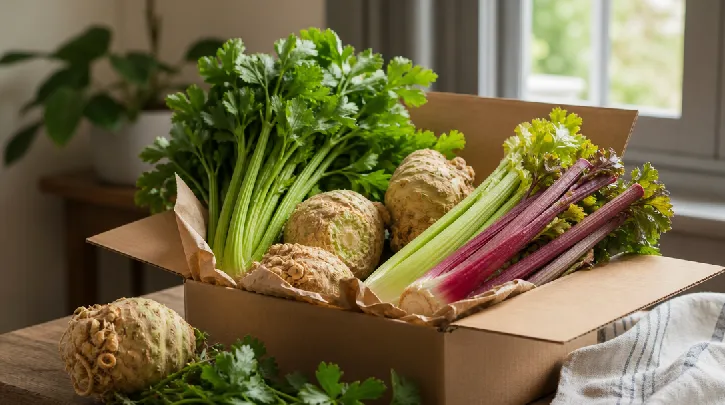
For those seeking to elevate their culinary creations beyond the everyday, buying specialty celery types online is a fantastic way to access unique flavors and textures. You can find these distinctive varieties through specialty online grocers, heirloom seed banks for growing your own, and direct-to-consumer farm websites. These sources offer a broader selection than most local supermarkets, connecting you with rare and interesting celery cultivars that can transform your dishes.
Venturing into the world of specialty celery uncovers a surprising array of options far removed from the standard green stalks found in most produce aisles. Imagine introducing a vibrant splash of color, a nuanced sweetness, or a robust, earthy note to your cooking. Exploring these diverse varieties opens up new possibilities for salads, stocks, and even centerpiece vegetable dishes, truly enriching your kitchen adventures.
Understanding Specialty Celery: Beyond the Supermarket Stalk
When most people think of celery, they picture the long, pale green stalks of Pascal celery, a common supermarket variety. This type is valued for its crispness and mild flavor, making it a versatile ingredient. However, the world of Apium graveolens, the botanical name for celery, is incredibly diverse. Specialty celery encompasses a range of cultivars that offer different colors, shapes, textures, and flavor profiles.
These unique types have been cultivated for specific culinary uses or regional preferences. They often boast stronger, more aromatic flavors, or striking visual characteristics that enhance a dish’s appeal. Understanding these differences is the first step to choosing the right specialty celery for your needs.
Why Go Online for Specialty Celery?
Local grocery stores, even larger ones, typically stock only one or two celery varieties. This limited selection can restrict a home cook or professional chef looking for specific attributes. Online shopping breaks down these geographical barriers, providing access to a global pantry of ingredients.
The specialized nature of these products means they often have a smaller market. Online platforms allow growers and distributors to reach a wider audience efficiently. This model benefits consumers by offering a greater selection and often fresher produce direct from the source.
- Unmatched Variety: Access to dozens of celery types not available locally.
- Direct Sourcing: Often allows for purchasing directly from growers, ensuring freshness.
- Convenience: Specialty produce delivered right to your doorstep.
- Expert Information: Online vendors often provide detailed descriptions, growing tips, and culinary uses for each variety.
Top Online Sources for Specialty Celery
Finding specialty celery online requires knowing where to look. Several types of online retailers cater to different needs, from fresh produce delivery to seeds for home cultivation.
Specialty Online Grocers
These platforms specialize in unique, gourmet, or hard-to-find ingredients. They often source directly from small farms or import exotic produce, making them an excellent first stop for fresh specialty celery.
Companies like Melissa’s Produce, while also supplying brick-and-mortar stores, offer a direct-to-consumer online portal for a wide array of specialty vegetables, including several celery types. Smaller, artisanal online grocers might also carry seasonal or regionally specific varieties. When using these services, pay close attention to minimum order requirements and shipping costs, especially for perishable items.
Heirloom Seed Banks and Plant Nurseries
For those who enjoy gardening, purchasing seeds or starter plants is a rewarding way to experience specialty celery. Seed banks and nurseries offer the widest selection of heirloom and open-pollinated varieties, allowing you to cultivate truly unique types in your own backyard or even in containers.
Reputable sources like Baker Creek Heirloom Seeds, Johnny’s Selected Seeds, and Territorial Seed Company provide detailed information on each variety, including growing conditions and days to maturity. Buying seeds is often more cost-effective in the long run and ensures the freshest possible produce. “Growing your own specialty celery ensures you get the exact variety you want, grown to your standards, and picked at peak freshness,” notes Sarah Miller, a master gardener and urban farming advocate.
Direct-to-Consumer Farms
Some smaller, independent farms specialize in niche produce and offer direct shipping to consumers. This often happens through Community Supported Agriculture (CSA) programs or direct online sales from their websites. While availability might be seasonal or limited to specific regions, direct-from-farm purchases often guarantee the freshest product and support sustainable agriculture.
Searching for “specialty celery farm direct shipping US” can reveal local options. These farms often focus on quality and unique varieties that thrive in their specific microclimates. Joining a CSA might provide a diverse weekly box that occasionally includes specialty celery.
International Importers
For truly exotic or regional celery types not cultivated in the US, international importers can be a source. These businesses often supply high-end restaurants but may also offer direct sales to consumers for specific items. This option can be more expensive due to shipping and customs, but it opens up a world of rare culinary possibilities.
Researching specific international produce distributors and their shipping policies is crucial. Always verify the legality of importing certain plant materials or fresh produce into the United States to avoid complications.
Popular Specialty Celery Varieties to Explore
Stepping beyond common Pascal celery reveals a spectrum of flavors, colors, and textures. Here are some of the most sought-after specialty celery types:
- Red Celery: Known for its striking crimson stalks, red celery offers a slightly sweeter and often more tender crunch than green varieties. Its vibrant color makes it a fantastic addition to salads and crudités. Varieties like ‘Redventure’ are popular for their robust growth.
- Chinese Pink Celery: This beautiful celery boasts bright pink to reddish-pink stalks. It’s often more slender and tender than green celery, with a subtle sweetness. It is a visual delight in stir-fries and salads.
- Celeriac (Celery Root): While botanically related, celeriac is grown for its knobby, edible root rather than its stalks. It has a distinct earthy, nutty flavor with hints of celery, parsley, and turnip. It’s excellent roasted, mashed, or grated raw into remoulades.
- Cutting Celery / Leaf Celery: This type is grown primarily for its abundant, aromatic leaves rather than thick stalks. The leaves are intensely flavored, often described as a more concentrated celery taste. It’s perfect for garnishes, stocks, soups, and dishes where a strong celery flavor is desired without the bulk of the stalks.
- Self-Blanching Celery: These varieties are naturally less prone to developing green pigments, resulting in paler, more tender stalks without the need for manual blanching. They often have a milder flavor. Examples include ‘Golden Self-Blanching’.
- Florence Fennel (Finocchio): While not technically celery, Florence fennel shares a similar crisp texture and is often used in similar culinary applications, offering a distinct anise-like flavor. Its bulb, stalks, and fronds are all edible.
Understanding the unique characteristics of each variety allows for more precise culinary applications. For instance, the robust flavor of cutting celery is ideal for a deeply flavored stock, while the delicate sweetness of red celery shines in a fresh salad.
Key Considerations When Buying Specialty Celery Online
Purchasing perishable specialty produce online requires careful consideration to ensure satisfaction.
Shipping and Handling
Fresh celery is delicate and requires proper packaging to maintain quality during transit. Look for vendors who use insulated packaging and expedited shipping for fresh produce. Review their shipping policies regarding warm weather and potential delays.
Some companies offer different shipping tiers, so consider the trade-off between cost and delivery speed. Ensure the vendor clearly outlines their responsibility for damaged or spoiled goods. “For perishable items like specialty celery, always prioritize express shipping and check the vendor’s return policy for spoiled produce,” advises food logistics expert, Dr. Elena Rodriguez.
Quality and Freshness
Online reviews can offer insights into the typical quality of a vendor’s produce. Look for recent reviews mentioning freshness, crispness, and overall appearance. A good vendor will have clear photos and detailed descriptions of their products.
When your order arrives, inspect it immediately. Stalks should be firm, leaves vibrant, and there should be no signs of wilting, discoloration, or sliminess. If buying seeds, check the germination rates and storage recommendations.
Organic vs. Conventional
Many specialty celery varieties are available in both organic and conventionally grown options. Organic produce adheres to specific farming standards, avoiding synthetic pesticides and fertilizers. Decide which is more important to you based on personal preference, budget, and intended use.
Organic certifications, such as USDA Organic, provide assurance of compliance with these standards. Some smaller farms might follow organic practices but not have official certification, so direct inquiry or checking their farming methods can be helpful.
Pricing and Value
Specialty celery often comes with a higher price tag than conventional supermarket celery. This is due to smaller-scale cultivation, unique varieties, and specialized handling. Compare prices across different vendors, but also factor in shipping costs and the quality of the product.
Consider the value proposition: are you paying for a unique culinary experience, superior freshness, or the ability to grow a rare variety? Sometimes, buying seeds and growing your own provides the best long-term value for specialty produce.
Customer Reviews and Reputation
Before making a purchase, especially from a new vendor, research their reputation. Check customer reviews on their website, third-party review sites, and social media. Look for consistent positive feedback regarding product quality, customer service, and reliable shipping.
A reputable vendor will also have clear contact information and responsive customer support. Don’t hesitate to reach out with questions before placing an order.
Growing Your Own Specialty Celery from Seed
Cultivating specialty celery at home offers a deeply satisfying experience and ensures access to the freshest possible produce. It’s an opportunity to truly understand the plant from seed to harvest.
Advantages of Home Cultivation
Growing your own allows you to select specific heirloom or rare varieties not found anywhere else. You control the growing conditions, from soil quality to pest management, ensuring a truly organic and chemical-free product. Harvest-on-demand freshness is unparalleled, and the process itself can be a rewarding hobby.
Furthermore, growing from seed is often significantly cheaper than repeatedly purchasing specialty produce. You can also harvest leaves as needed, without uprooting the entire plant, which is especially useful for cutting celery varieties.
Challenges of Growing Celery
Celery can be a somewhat finicky crop. It prefers cool weather and consistent moisture, making it challenging in hot climates. It has a long growing season and benefits from rich, fertile soil. Starting seeds indoors early in the season is often necessary to get a head start.
Pest and disease management can also be a factor, though healthy soil and proper care can mitigate many issues. Understanding the specific needs of each specialty variety is crucial for success.
Where to Buy Specialty Celery Seeds
As mentioned, heirloom seed banks and reputable seed companies are the best sources for specialty celery seeds. Look for companies that provide detailed growing instructions and are known for high-quality, viable seeds. Online forums and gardening communities can also offer recommendations for trusted seed suppliers.
Consider seed exchanges or local gardening clubs, which sometimes offer rare or locally adapted varieties. Always check the freshness date or “packed for” year on seed packets to ensure good germination rates.
Culinary Applications: Unleashing the Flavor of Specialty Celery
The true joy of specialty celery lies in its diverse culinary potential. Each variety brings something unique to the table, inviting experimentation and creativity in the kitchen.
| Celery Type | Flavor Profile | Best Culinary Uses |
|---|---|---|
| Red Celery | Slightly sweeter, milder, crisp | Salads, crudités, garnishes, light stir-fries |
| Chinese Pink Celery | Delicate, sweet, tender, subtle | Asian stir-fries, fresh salads, light soups, garnishes |
| Celeriac (Celery Root) | Earthy, nutty, parsnip-like, celery undertones | Roasts, purees, soups, remoulades (raw grated), gratins |
| Cutting Celery / Leaf Celery | Intense, concentrated celery flavor | Stocks, soups, stews, sautés, garnishes, Asian dishes |
| Self-Blanching Celery | Mild, tender, slightly sweet | Salads, snacking, light cooking, mirepoix base |
| Florence Fennel | Anise-like, sweet, crisp | Salads, roasted with fish, braised, grilled, gratins |
For example, the robust, almost peppery flavor of cutting celery leaves can elevate a simple chicken soup to new heights. Celeriac, with its earthy depth, forms the base of a creamy, comforting winter soup or a sophisticated purée. Red celery’s vibrant color and delicate sweetness make it a star in fresh, crisp salads. “Don’t be afraid to experiment,” encourages Chef Maria Rodriguez of The Green Spoon restaurant. “Specialty produce is about discovering new dimensions of flavor and texture, and celery varieties are a perfect example.”
Even the simplest preparation can highlight the unique qualities of these varieties. A quick sauté with olive oil and garlic, or a fresh shave into a vibrant slaw, can truly showcase their distinct characteristics. Moving beyond the standard green stalk opens up a world of new culinary possibilities.
FAQ
What is the main difference between standard and specialty celery?
Standard celery, often Pascal, is bred for uniform stalks and a generally mild, crisp taste. Specialty celery encompasses a wider range of varieties, offering distinct colors, textures, and more nuanced or intense flavor profiles that cater to specific culinary uses.
Can I grow specialty celery indoors?
While challenging due to celery’s need for ample light and consistent moisture, some compact or leaf celery varieties can be grown indoors with proper care, including grow lights and consistent watering. Celeriac, with its large root, is generally not suitable for typical indoor growing.
How do I store specialty celery to maintain freshness?
Like standard celery, specialty celery stalks are best stored in the crisper drawer of your refrigerator, often wrapped in foil or a damp cloth to retain moisture. Celeriac should be stored unwashed in a cool, dark place, or in the refrigerator’s crisper drawer for longer storage.
Are specialty celery types more expensive than regular celery?
Yes, specialty celery varieties typically cost more due to their often smaller-scale production, unique characteristics, and the specialized supply chains required to distribute them. However, many find the enhanced flavor and culinary potential well worth the investment.
Do all specialty celery varieties taste strongly of celery?
While they all belong to the celery family, their flavor intensity varies greatly. Some, like cutting celery, have a very strong, concentrated celery flavor, while others, like self-blanching varieties or certain red celaries, can be milder and sweeter than conventional green celery.
Conclusion
The journey into specialty celery offers a rewarding exploration for any food enthusiast or home cook. By venturing beyond the familiar, you unlock a world of diverse flavors, vibrant colors, and exciting textures that can genuinely transform your cooking. Online sources, from dedicated grocers to heirloom seed banks, provide unparalleled access to these unique varieties, making it easier than ever to bring a touch of the extraordinary to your table. Embrace the opportunity to experiment, savor the distinct characteristics of each type, and elevate your culinary repertoire with the surprising versatility of specialty celery.
