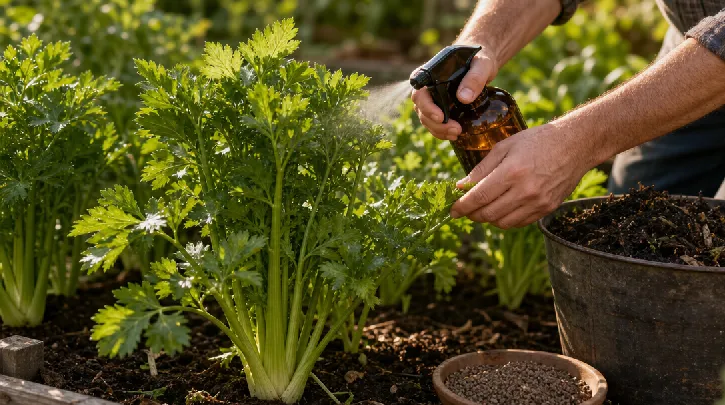
Growing organic celery requires a foundational understanding of its specific needs, particularly concerning soil health, nutrient uptake, and integrated pest management. The key to a thriving, chemical-free celery patch lies in building a vibrant soil ecosystem with rich organic matter and employing proactive, non-toxic strategies to deter pests and diseases. This approach focuses on prevention rather than reaction, creating a resilient environment where celery can flourish naturally.
Achieving a truly bountiful harvest of crisp, flavorful organic celery is incredibly rewarding, but it demands more than just planting seeds and waiting. It’s about nurturing the soil, understanding the plant’s delicate balance of nutrients, and becoming a vigilant steward against potential invaders. This guide will walk you through the practical steps and time-tested techniques that seasoned organic growers use to produce stellar celery, from enriching your soil to fending off common garden adversaries.
The Foundation: Building Healthy Soil for Organic Celery
Healthy soil is the bedrock of successful organic celery cultivation. Celery is a heavy feeder and thrives in soil rich in organic matter that retains moisture without becoming waterlogged. My experience has shown that neglecting soil preparation leads to disappointing, stringy stalks.
Understanding Celery’s Soil Needs
Celery prefers a consistently moist, fertile, and well-draining soil with a slightly acidic to neutral pH, ideally between 6.0 and 7.0. This pH range ensures optimal nutrient availability for strong growth. Poor drainage can quickly lead to root rot, while sandy soils may struggle to hold enough moisture for this thirsty crop.
Soil Preparation: The Key to Success
Begin preparing your celery bed several weeks before planting. Incorporate substantial amounts of well-aged compost or other organic materials into the top 8-12 inches of soil. This improves soil structure, enhances water retention, and provides a slow-release source of nutrients.
For heavy clay soils, add sand and organic matter to improve drainage. In sandy soils, focus on increasing organic matter to boost moisture and nutrient holding capacity. A robust soil foundation means less work and better results later on.
Importance of Soil Testing
Before amending, consider a soil test. This simple step provides invaluable insights into your soil’s current nutrient levels and pH. Understanding these parameters allows for targeted amendments, preventing over-fertilization or nutrient imbalances. Many local extension offices in the US offer affordable soil testing services.
Fueling Growth: Organic Fertilizers for Celery
Celery requires a consistent supply of nutrients throughout its long growing season. Organic fertilizers work by feeding the soil microbes, which in turn make nutrients available to the plants. This holistic approach supports long-term soil health rather than just short-term plant growth.
Primary Nutrient Requirements for Celery
Celery has a high demand for nitrogen (N) for lush foliage, phosphorus (P) for root development, and potassium (K) for overall plant vigor and disease resistance. It also benefits from micronutrients like calcium and boron to prevent common issues like black heart and cracked stalks.
Top Organic Fertilizer Choices
Choosing the right organic fertilizers is crucial for healthy celery. The best options provide a balanced nutrient profile and improve soil structure over time.
Compost: The Ultimate Soil Builder
Well-aged compost is the cornerstone of any organic garden, especially for heavy feeders like celery. It provides a slow, steady release of a wide range of nutrients, improves soil structure, and enhances microbial activity. Apply a 2-4 inch layer annually and work it into the topsoil before planting.
Aged Manure: A Nutrient Powerhouse
Aged animal manure, such as cow, horse, or chicken, is an excellent source of nitrogen and other essential nutrients. Always use aged or composted manure to avoid burning plants with excessive nitrogen or introducing pathogens. Fresh manure should never be applied directly to plants.
Alfalfa Meal: Balanced Nutrition and Growth Stimulant
Alfalfa meal offers a good balance of nitrogen, phosphorus, and potassium, along with trace minerals and growth stimulants. It breaks down slowly, providing sustained nutrition. Work it into the soil at planting or use as a side-dressing during the growing season.
Bone Meal: For Strong Root Development
Bone meal is a rich source of phosphorus and calcium, vital for strong root growth and overall plant structure. If your soil test indicates a phosphorus deficiency, bone meal can be a targeted amendment. Apply it sparingly and work it into the soil around young plants.
Liquid Feeds: Quick Boosts When Needed
Organic liquid fertilizers like fish emulsion or liquid seaweed provide a quick nutrient boost, especially useful for young plants or during periods of rapid growth. Dilute them according to package directions and apply as a foliar spray or soil drench. They are particularly effective when celery shows signs of stress or nutrient deficiency.
Cover Crops: Natural Soil Enrichment
Planting cover crops like clover or vetch in the off-season can significantly improve soil fertility and structure. These “green manures” are tilled into the soil before planting, adding organic matter and nitrogen. They also help suppress weeds and prevent erosion.
Here’s a comparison of common organic fertilizers for celery:
| Organic Fertilizer | Primary Nutrients | Application Method | Benefits for Celery |
|---|---|---|---|
| Compost | N, P, K, Micronutrients | Mix into soil, side-dressing | Improves soil structure, slow-release nutrients, microbial activity |
| Aged Manure | N, P, K | Mix into soil before planting | High nitrogen, rich in organic matter |
| Alfalfa Meal | N, P, K, Trace Minerals | Mix into soil, side-dressing | Balanced nutrition, growth stimulants, slow-release |
| Bone Meal | Phosphorus, Calcium | Mix into soil at planting | Strong root development, prevents calcium deficiencies |
| Fish Emulsion | Nitrogen | Liquid drench, foliar spray | Quick nutrient boost, encourages leafy growth |
| Liquid Seaweed | K, Trace Minerals, Hormones | Liquid drench, foliar spray | Stress reduction, improved vigor, disease resistance |
When and How to Fertilize Organic Celery
Celery benefits from a consistent feeding schedule. Start by enriching your soil with compost and aged manure before planting. Once plants are established, generally 2-3 weeks after transplanting, begin a regular feeding regimen.
Side-dress with compost or alfalfa meal every 3-4 weeks. Supplement with a diluted liquid feed (fish emulsion or liquid seaweed) every 2 weeks, especially if growth seems slow. Consistent moisture is crucial for nutrient uptake, so ensure soil is always damp before applying fertilizers.
Spotting Nutrient Deficiencies
Observing your celery plants can help identify potential nutrient issues. Yellowing leaves, especially older ones, often indicate a nitrogen deficiency. Stunted growth or reddish-purple discoloration can point to a phosphorus deficiency.
Black heart, a browning of the inner stalks, is a common sign of calcium deficiency, often exacerbated by inconsistent watering. Cracked stalks can be a sign of boron deficiency. Addressing these issues promptly with appropriate organic amendments is vital.
Defending Your Crop: Organic Pest Control for Celery
Organic pest control for celery focuses on prevention, creating a hostile environment for pests while encouraging beneficial insects. It’s about maintaining ecological balance rather than eradicating every insect. This requires vigilance and a multi-pronged approach.
Common Celery Pests and Their Damage
Knowing your enemy is the first step in effective pest management. Celery attracts a few common garden pests that can quickly devastate a crop.
Aphids: Sap-Sucking Menace
Aphids are small, soft-bodied insects that cluster on new growth and the undersides of leaves, sucking out plant sap. This leads to distorted leaves, stunted growth, and sticky honeydew, which can encourage sooty mold. They reproduce rapidly, so early detection is key.
Celery Worms (Parsley Worms): Foliage Eaters
These caterpillars, the larvae of the black swallowtail butterfly, are distinctively green with black bands and yellow spots. While beautiful, they can quickly defoliate celery plants. They are typically large enough to spot and hand-pick.
Leaf Miners: Tunnels in Your Greens
Leaf miners are the larvae of small flies that tunnel between the upper and lower surfaces of leaves, creating distinctive winding trails. This damage reduces photosynthesis and can weaken plants. Affected leaves should be removed and destroyed.
Slugs and Snails: Nighttime Nibblers
These mollusks feed at night, leaving irregular holes in leaves and stalks, and often silvery slime trails. They thrive in moist environments and can be a significant problem in heavily mulched beds. Protecting young plants is especially important.
Spider Mites: Tiny Troubles, Big Damage
Spider mites are tiny arachnids that are difficult to see with the naked eye. They feed on plant sap, causing stippling (tiny yellow or white dots) on leaves and, in severe cases, fine webbing. They thrive in hot, dry conditions and can quickly decimate plants if not controlled.
Integrated Pest Management (IPM) in Organic Celery Growing
Integrated Pest Management (IPM) is a sustainable approach to pest control that combines biological, cultural, physical, and chemical tools in a way that minimizes economic, health, and environmental risks. For organic celery, this means prioritizing non-chemical methods first.
Dr. Mary Ann Bruns, a soil microbiologist at Pennsylvania State University, emphasizes the importance of a holistic approach: “A healthy soil ecosystem, rich in biodiversity, naturally suppresses many pests and diseases. Focusing on soil health is perhaps the most fundamental step in organic pest management.”
Proactive Organic Pest Control Strategies
Prevention is always better than cure in organic gardening. Implementing a range of proactive strategies can significantly reduce pest pressure.
Companion Planting: Nature’s Bodyguards
Strategic planting can deter pests. For celery, consider planting these companions:
- Bush Beans: Attract beneficial insects like ladybugs that prey on aphids.
- Marigolds: Certain varieties (especially French marigolds) can deter nematodes and other soil pests.
- Onions/Garlic: Their strong scent can confuse and repel several pests.
- Rosemary: May deter slugs and snails.
Physical Barriers: Row Covers and Hand-Picking
Floating row covers are highly effective for protecting young celery plants from flying insects like leaf miners and celery worms. Ensure edges are securely anchored to prevent pests from crawling underneath. For larger pests like celery worms or slugs, hand-picking is a simple and effective method, especially in smaller gardens.
Beneficial Insects: Your Garden Allies
Encourage beneficial insects by planting flowering herbs and native plants nearby. Ladybugs, lacewings, parasitic wasps, and hoverflies are natural predators of aphids and other soft-bodied pests. Avoid broad-spectrum pesticides that harm these helpful allies.
Organic Sprays: Targeted Treatments
When pest infestations escalate, organic sprays can provide targeted control without harming the environment or beneficial insects.
- Neem Oil: An effective organic insecticide, fungicide, and miticide. It works as an anti-feedant and growth disruptor. Apply according to package directions, typically every 7-10 days, ensuring thorough coverage, especially on undersides of leaves.
- Insecticidal Soap: Smothers soft-bodied pests like aphids, spider mites, and whiteflies. It has low residual effect, making it safe for edibles close to harvest. Apply directly to pests, ensuring good coverage.
- Horticultural Oils: Similar to insecticidal soaps, these suffocate pests. Lighter oils are safe for use during the growing season.
Diatomaceous Earth: A Natural Abrasive
Food-grade diatomaceous earth (DE) is a natural powder made from fossilized diatoms. Its microscopic sharp edges abrade the exoskeletons of crawling insects, causing them to dehydrate. Dust it around the base of plants or lightly onto foliage to deter slugs, snails, and some crawling insects. Apply when dry for effectiveness.
Organic Disease Prevention for Celery
Disease prevention in organic celery is closely linked to soil health, proper cultural practices, and choosing resistant varieties. Healthy plants are naturally more resilient to disease.
Understanding Common Celery Diseases
Celery can be susceptible to several fungal and bacterial diseases:
- Early Blight (Cercospora apii): Causes small, circular, yellowish-brown spots on older leaves, which can enlarge and merge.
- Late Blight (Septoria apiicola): Characterized by small, dark, water-soaked spots with tiny black dots (pycnidia) on leaves and stalks. It can spread rapidly in wet conditions.
- Pink Rot (Sclerotinia sclerotiorum): A fungal disease that causes a soft, watery rot at the base of stalks, often with a white, cottony growth.
- Fusarium Yellows (Fusarium oxysporum f. sp. apii): Causes yellowing and stunting of plants, often on one side, and discoloration of the vascular tissue.
Preventative Measures for Disease-Free Celery
Effective disease management relies on cultural practices:
- Crop Rotation: Never plant celery in the same spot year after year. Rotate with non-umbelliferous crops (e.g., legumes, corn) for at least three years to break disease cycles.
- Proper Spacing: Ensure adequate air circulation between plants to reduce humidity, which discourages fungal diseases.
- Sanitation: Remove and destroy any diseased plant material immediately. Clean tools between uses.
- Resistant Varieties: Whenever possible, choose celery varieties known for resistance to common diseases in your area.
- Watering Practices: Water at the base of the plants in the morning to allow foliage to dry before evening, reducing the risk of fungal infections. Avoid overhead irrigation.
Maintaining consistent soil moisture is crucial, but avoid overwatering. Drip irrigation or soaker hoses are excellent choices for celery, delivering water directly to the root zone.
According to the USDA, implementing crop rotation and using disease-resistant varieties can reduce yield losses due to disease by up to 50% in many vegetable crops.
Beyond Fertilizers and Pests: Essential Organic Celery Care
Beyond feeding and protection, proper care ensures your organic celery grows strong, tender, and flavorful.
Watering Wisely for Robust Growth
Celery is a thirsty plant. It requires consistent, deep watering, especially during dry spells. Inconsistent moisture can lead to tough, stringy stalks and increase susceptibility to issues like black heart. Aim for 1-1.5 inches of water per week, either from rain or irrigation. Do not let the soil dry out completely.
Mulching for Moisture and Weed Control
Apply a 2-3 inch layer of organic mulch, such as straw, shredded leaves, or wood chips, around your celery plants. Mulch helps retain soil moisture, suppresses weeds that compete for nutrients, and moderates soil temperature. Keep mulch a few inches away from the base of the stalks to prevent rot.
Blanching Celery: Improving Flavor and Tenderness
Blanching celery reduces bitterness and increases tenderness by limiting light exposure to the stalks. You can blanch celery by mounding soil around the lower stalks, wrapping them in cardboard or newspaper, or using blanching collars. Begin blanching about 2-3 weeks before harvest. This is an optional step, but many growers find it improves quality.
Harvesting Your Organic Celery
You can harvest celery in two ways: either by taking outer stalks as needed, allowing the inner stalks to continue growing, or by harvesting the entire plant. Celery is usually ready for harvest 90-120 days after transplanting. Use a sharp knife to cut outer stalks at the base, or cut the entire plant just above the soil line.
For best flavor, harvest celery in the morning after the dew has dried. Storing freshly harvested celery in the refrigerator crisper drawer helps maintain its crispness for several weeks.
FAQ: Organic Celery Growing
Why is my organic celery stringy or bitter?
Stringy or bitter celery is often a sign of inconsistent watering, nutrient deficiency (especially boron or calcium), or insufficient blanching. Ensure deep, consistent watering, provide adequate organic nutrients, and consider blanching for improved tenderness.
Can I grow organic celery in containers?
Yes, you can grow organic celery in containers, but choose large pots (at least 10-12 inches deep and wide) to accommodate its extensive root system and moisture needs. Use a high-quality organic potting mix and be diligent with watering and feeding.
How do I naturally deter slugs and snails from my celery?
Several organic methods deter slugs and snails: set beer traps, apply diatomaceous earth around plants, use copper barriers, or hand-pick them at night. Reducing excessive moisture and clearing garden debris also helps.
What are the best organic ways to prevent celery diseases?
Prevent celery diseases by practicing crop rotation, ensuring good air circulation through proper spacing, using disease-resistant varieties, watering at the plant base, and immediately removing any diseased plant material. Healthy soil also builds plant resilience.
When should I start fertilizing my organic celery plants?
Begin fertilizing young celery plants with a balanced organic liquid feed about 2-3 weeks after transplanting. Continue with regular side-dressings of compost or alfalfa meal every 3-4 weeks throughout the growing season to support their heavy feeding habits.
Conclusion
Mastering organic celery cultivation is a journey that rewards patience and attention to detail. By focusing on creating a thriving soil ecosystem, providing consistent organic nutrition, and implementing proactive pest and disease control strategies, you can cultivate strong, healthy celery plants that yield crisp, flavorful stalks. Remember, the goal isn’t just to grow celery, but to grow it in harmony with nature, fostering a resilient garden that gives back year after year. Embrace these hands-on techniques, and your efforts will undoubtedly be rewarded with a bountiful harvest of truly organic celery.
