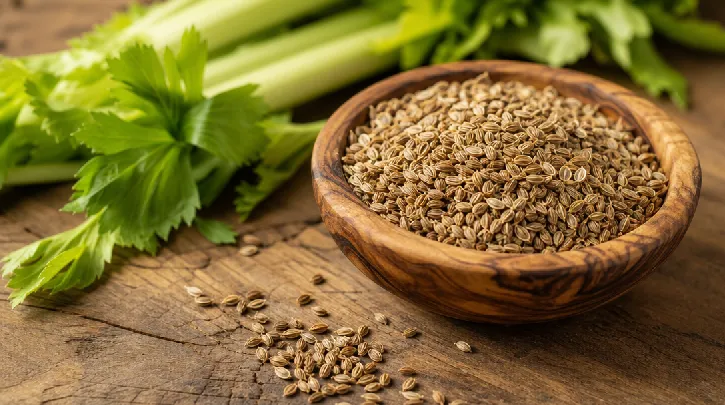
For gardeners eager to cultivate celery with unparalleled taste and robust growth, heirloom celery seeds are readily available from a variety of dedicated seed companies and online retailers across the United States. These treasured varieties offer a distinct advantage over their modern hybrid counterparts, bringing a depth of flavor and a rich history directly to your garden beds.
Embarking on the journey of growing heirloom celery connects you to a lineage of gardening wisdom, promising a harvest far more rewarding than anything found in a grocery store. It is an experience that transcends mere cultivation, offering a tangible link to agricultural heritage and truly exceptional produce.
Why Choose Heirloom Celery for Your Garden?
Heirloom celery stands apart from commercially grown varieties for several compelling reasons. These open-pollinated types have been passed down through generations, selected for their superior flavor, adaptability, and seed-saving potential. This long history ensures a resilient plant and a rewarding harvest.
Unrivaled Flavor and Aroma
The primary draw of heirloom celery is its extraordinary taste. Unlike many modern hybrids bred for uniformity and shipping endurance, heirloom varieties prioritize flavor intensity and aroma. They possess a complex, sometimes peppery or nutty, taste that is often missing in store-bought celery. This makes them ideal for fresh eating, salads, soups, and stews.
Imagine biting into a crisp stalk that bursts with vibrant, earthy notes—this is the experience heirloom celery delivers. Their robust flavor profile can transform simple dishes into culinary masterpieces.
Genetic Diversity and Adaptability
Heirloom seeds represent a vast pool of genetic diversity, a stark contrast to the often narrow genetic base of commercial crops. This diversity makes them more resilient to varying soil conditions, climates, and specific regional pests and diseases. Gardeners often find heirloom varieties thrive where hybrids might struggle.
By cultivating heirlooms, you contribute to preserving this vital genetic heritage. This practice helps ensure food security and biodiversity for future generations.
A Connection to History and Tradition
Each heirloom variety carries a story, often named after the families or regions that nurtured them. Growing these seeds is like planting a piece of history in your backyard. It fosters a deeper appreciation for where our food comes from and the enduring legacy of dedicated growers.
This connection makes gardening a more meaningful endeavor, bridging the past with your present efforts. It’s a way to participate in a living tradition.
Empowerment Through Seed Saving
One of the most empowering aspects of growing heirloom celery is the ability to save your own seeds. Because they are open-pollinated, the seeds you collect from your heirloom plants will grow true-to-type the following season. This eliminates the need to purchase new seeds every year and allows you to adapt strains to your specific garden environment over time.
This practice fosters self-sufficiency and deepens your understanding of plant life cycles. It is a cornerstone of sustainable gardening.
Popular Heirloom Celery Varieties for US Gardens
The world of heirloom celery offers a delightful range of options, each with its unique characteristics. Understanding these differences can help you select the perfect variety for your climate and culinary preferences.
Self-Blanching Varieties
Many popular heirloom celery types are considered self-blanching, meaning their inner stalks naturally lighten in color without extensive effort from the gardener. These varieties often have a more tender texture and milder flavor. This characteristic makes them easier to grow for gardeners who prefer less intensive blanching methods.
They are excellent for fresh eating and salads where a lighter, less fibrous stalk is desired.
Green and Standard Varieties
Other heirloom celery varieties are known for their vibrant green color and often more robust flavor. These types may benefit from traditional blanching methods to improve tenderness and reduce bitterness, though some gardeners prefer the full, intense flavor of unblanched green stalks. These are often excellent for cooking.
The choice between self-blanching and green varieties often comes down to personal taste and gardening style.
Here’s a comparison of some beloved heirloom celery varieties:
| Variety Name | Key Characteristics | Blanching Tendency | Flavor Profile | Growth Habit |
|---|---|---|---|---|
| Giant Pascal | Classic heirloom, large stalks, vigorous growth. | Benefits from blanching for tenderness. | Robust, earthy, slightly nutty. | Tall, sturdy, can reach 2-3 feet. |
| Utah 52-70 R Improved | Widely adapted, dark green stalks, good for processing. | Typically green, benefits from trenching. | Strong, classic celery flavor. | Medium height, compact. |
| Tender Crisp | Known for crisp texture and excellent flavor. | Self-blanching. | Sweet, mild, very tender. | Medium height, upright. |
| Chinese Pink | Striking pink stalks, ornamental and edible. | Self-blanching. | Sweet, mild, distinct aroma. | Smaller, more delicate stalks. |
| Red Giant | Vibrant red stalks, good cold tolerance. | Benefits from blanching for milder flavor. | Strong, peppery, can be slightly bitter if unblanched. | Medium height, upright. |
Finding Heirloom Celery Seeds for Sale
The market for heirloom seeds has grown significantly, making it easier than ever to source these genetic treasures. Several reputable companies specialize in preserving and distributing heirloom varieties, ensuring gardeners have access to a wide selection.
Specialty Heirloom Seed Companies
These companies are often passionate about biodiversity and offer extensive catalogs of open-pollinated varieties, including many types of celery. They frequently provide detailed descriptions, growing tips, and historical information for each seed. Examples include Seed Savers Exchange, Baker Creek Heirloom Seeds, and High Mowing Organic Seeds.
Purchasing from these specialists supports their conservation efforts and ensures you receive high-quality, reliable seeds. Their expertise often extends to specific regional adaptations and unique varieties that might be harder to find elsewhere.
Online Marketplaces and Retailers
Beyond dedicated heirloom companies, many online gardening retailers also carry a selection of heirloom celery seeds. Websites like Johnny’s Selected Seeds, True Leaf Market, and Territorial Seed Company offer various heirloom options alongside their conventional and hybrid selections.
When using online marketplaces, always check seller reviews and ensure the seeds are explicitly labeled as heirloom or open-pollinated. This verification prevents accidental purchase of hybrid varieties.
Seed Exchanges and Local Organizations
For a more community-driven approach, consider local seed exchanges or regional seed banks. These events and organizations are fantastic places to connect
with other gardeners, share seeds, and discover rare or locally adapted heirloom varieties. Organizations such as the Seed Savers Exchange also offer a member-to-member exchange platform.
Such exchanges often provide an opportunity to acquire varieties that have proven successful in your specific microclimate. They foster a strong sense of community among gardeners.
What to Look for in a Reputable Seller
When purchasing heirloom celery seeds, consider the following factors to ensure a successful growing experience:
- Organic Certification: Opt for organic seeds when possible, as they are grown without synthetic pesticides or fertilizers.
- Germination Rate Information: Reputable sellers often provide typical germination rates, giving you an idea of seed viability.
- Clear Labeling: Ensure the seeds are clearly marked as “heirloom,” “open-pollinated,” or “OP.”
- Customer Reviews: Check reviews for insights into seed quality, customer service, and success rates from other gardeners.
- Shipping Practices: Verify that seeds are shipped in appropriate packaging to protect them from extreme temperatures and damage.
Choosing a seller with a strong track record and transparent practices is crucial for securing viable seeds.
Growing Heirloom Celery from Seed: A Step-by-Step Guide
Growing celery from seed requires patience, but the payoff is immense. Heirloom celery can be a bit more finicky than some other vegetables, but understanding its specific needs will lead to a bountiful harvest. Celery is a long-season crop that prefers cool weather and consistent moisture.
1. Timing is Everything: Starting Seeds Indoors
Celery seeds are tiny and require a long germination period, typically 10 to 21 days. Start your celery seeds indoors about 10-12 weeks before your last anticipated spring frost date. This early start ensures plants are well-established before transplanting. In warmer climates, you might aim for a fall crop by starting seeds in late summer.
Use sterile seed-starting mix in trays or small pots. Press the tiny seeds gently onto the surface of the soil, as they require light to germinate. Do not cover them deeply.
2. Essential Growing Conditions for Germination
Maintain consistent moisture and a warm temperature, ideally between 70-75°F (21-24°C), for optimal germination. You can achieve this by covering trays with a clear dome or plastic wrap and using a heating mat. Once seedlings emerge, reduce the temperature slightly to around 60-70°F (15-21°C) to encourage sturdy growth.
Provide plenty of light using grow lights for at least 12-16 hours a day. Insufficient light leads to leggy, weak seedlings.
3. Transplanting and Site Preparation
Once seedlings have developed two to three true leaves, pot them up into individual cells or larger containers. Harden off your celery plants for a week or two before transplanting them outdoors. This process gradually acclimates them to outdoor conditions, reducing transplant shock.
Choose a site in your garden that receives at least 6 hours of full sun daily. Celery thrives in rich, consistently moist, well-draining soil. Amend your soil with plenty of compost or aged manure to improve fertility and moisture retention. A soil pH between 6.0 and 7.0 is ideal.
4. Planting Out and Spacing
Transplant celery seedlings outdoors after all danger of frost has passed and night temperatures consistently stay above 50°F (10°C). Space plants 6-10 inches apart in rows 2-3 feet apart. Closer spacing can result in smaller, more tender stalks, while wider spacing yields larger plants.
Plant them at the same depth they were in their containers. Water thoroughly immediately after transplanting.
5. Watering and Feeding for Success
Consistent moisture is critical for celery. Any drought stress can cause stalks to become tough and bitter, or even trigger bolting (going to seed prematurely). Water regularly, especially during dry spells, aiming for about 1-1.5 inches of water per week, either from rain or irrigation. Mulching around plants helps retain soil moisture and suppress weeds.
Celery is also a heavy feeder. Fertilize every 3-4 weeks with a balanced organic liquid fertilizer or a compost tea. Ensure adequate nitrogen for lush, green growth.
6. Blanching Techniques for Tender Stalks
While some heirloom varieties are “self-blanching,” many benefit from active blanching to produce tender, pale stalks and reduce bitterness. Begin blanching when plants are about 12-18 inches tall. Several methods exist:
- Soil Hilling: Gradually mound soil up around the stalks, leaving the leaves exposed. Repeat every few weeks as the plant grows.
- Paper or Cardboard Collars: Wrap the stalks with newspaper, cardboard, or even milk cartons with the tops and bottoms removed. Secure them in place.
- Boards: Place two boards on either side of a celery row, leaning them against the plants and securing them at the top.
Blanching usually takes 2-3 weeks. The covered parts of the stalk will lighten in color and become more tender. Remove blanching materials a week or so before harvest to allow a little light for improved flavor.
7. Pest and Disease Management
Celery can be susceptible to certain pests, including celery leaf miners, aphids, and slugs. Inspect plants regularly for signs of infestation. Use organic pest control methods such as hand-picking, insecticidal soap, or neem oil for aphids. Slugs can be managed with beer traps or diatomaceous earth.
Good air circulation, proper spacing, and healthy soil can help prevent fungal diseases. Rotate crops yearly to minimize disease buildup in the soil.
Benefits of Growing Your Own Heirloom Celery
Beyond the simple act of gardening, cultivating heirloom celery offers a wealth of benefits that extend from your kitchen to the broader environment.
- Superior Freshness and Taste: Harvested at peak ripeness, your home-grown heirloom celery will be incredibly crisp and flavorful, far surpassing anything available commercially.
- Guaranteed Chemical-Free Produce: You have complete control over what goes into your garden, ensuring your celery is free from harmful pesticides and herbicides.
- Deep Connection to Your Food: The act of nurturing a plant from seed to harvest fosters a profound appreciation for food production and a healthier relationship with what you eat.
- Economic Savings Over Time: While initial setup costs exist, growing your own produce, especially with seed saving, significantly reduces grocery bills in the long run. A study published by the National Gardening Association in 2013 indicated that for every $1 spent on gardening, a gardener could expect to save $25 on food costs.
- Support for Biodiversity: By choosing and propagating heirloom varieties, you actively participate in the vital effort to preserve agricultural biodiversity. This is critical for future food security.
According to Dr. Sarah B. Johnson, a horticultural researcher specializing in sustainable agriculture, “Heirloom varieties represent a priceless genetic library, offering robust resilience and exceptional flavor profiles that modern agriculture has often overlooked in favor of uniformity. By growing and saving heirloom seeds, gardeners become vital stewards of this biodiversity, ensuring these living legacies endure.”
Challenges and Troubleshooting for Heirloom Celery Growers
While rewarding, growing celery, especially heirlooms, can present a few common challenges. Knowing how to address them can save your crop.
Slow or Poor Germination
Celery seeds are notorious for slow germination. If seeds aren’t sprouting, check your soil temperature and ensure consistent moisture. Light is also a critical factor; ensure seeds are not buried too deeply. Older seeds may also have lower viability. Try a fresh batch or a pre-sprouting method.
Bolting (Going to Seed)
If your celery plants suddenly send up a flower stalk, they are bolting. This usually happens due to sudden temperature fluctuations (especially cold snaps after a warm period) or extreme drought stress. Bolted celery becomes tough and bitter. To prevent this, ensure consistent watering, protect young plants from cold snaps, and avoid planting too early in areas with unpredictable spring weather.
Tough, Fibrous, or Bitter Stalks
This is almost always a sign of inconsistent watering or nutrient deficiency. Celery needs constant moisture and rich soil to produce tender, palatable stalks. Ensure regular irrigation, especially during dry periods, and supplement with organic fertilizers. Blanching can also greatly improve tenderness and reduce bitterness.
Saving Seeds from Heirloom Celery
Saving seeds from your heirloom celery is not only economical but also deeply satisfying. It allows you to select for traits best suited to your garden and perpetuate your favorite varieties.
Celery is a biennial, meaning it flowers and sets seed in its second year of growth. You’ll need to leave some plants in the ground over winter (or dig and store them in a cool, root cellar-like environment if winters are very harsh) for them to produce seeds the following summer. The plants will send up tall flower stalks topped with delicate white blossoms.
Allow the flowers to dry completely on the plant. The tiny seeds will turn brown and can be easily stripped from the dried flower heads. Store seeds in a cool, dry, dark place in an airtight container for future planting.
FAQ Section
Are heirloom celery seeds harder to grow than hybrid seeds?
Heirloom celery seeds are not necessarily harder to grow, but they often require more attention to consistent moisture and cool temperatures than some modern, more tolerant hybrid varieties. Their slower germination and longer growing season also demand patience.
What is the best time to plant celery seeds?
In most US regions, the best time to start celery seeds indoors is 10-12 weeks before your average last spring frost date. This gives the plants ample time to establish before transplanting outdoors after the danger of frost has passed.
How long do celery seeds take to germinate?
Celery seeds are notoriously slow to germinate, typically taking 10 to 21 days, and sometimes even longer under suboptimal conditions. Consistent warmth and moisture are key to successful sprouting.
Can I grow heirloom celery in containers?
Yes, you can grow heirloom celery in containers, but choose large pots (at least 10-12 inches deep and wide) to accommodate their root system and moisture needs. Container-grown celery requires very frequent watering and feeding due to quicker soil drying.
What is the difference between heirloom and hybrid celery?
Heirloom celery varieties are open-pollinated, meaning they grow true-to-type from saved seed, and have been passed down for generations. Hybrid celery is created by crossing two distinct parent lines, resulting in uniform plants with specific traits, but their seeds will not grow true-to-type if saved.
Conclusion: Cultivate Flavor, Preserve Heritage
Choosing to grow heirloom celery from seed is an investment in unparalleled flavor, genetic diversity, and a more meaningful gardening experience. From the earthy crunch of ‘Giant Pascal’ to the tender sweetness of ‘Tender Crisp,’ these varieties offer a culinary journey unmatched by their supermarket counterparts. By seeking out dedicated heirloom seed suppliers, understanding their specific growing needs, and perhaps even engaging in seed saving, you not only enrich your own table but also become a vital part of preserving our shared agricultural heritage.
The satisfaction of harvesting your own vibrant, flavorful heirloom celery is a truly rewarding experience. It is a testament to patience, care, and the enduring power of nature’s authentic offerings. Start your heirloom celery adventure this year and rediscover the true taste of this ancient vegetable.
