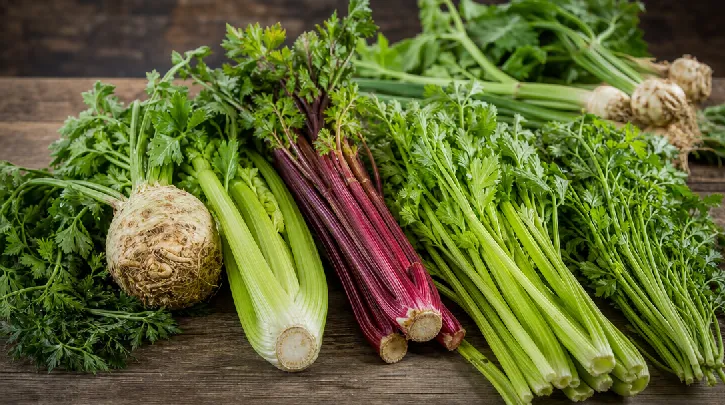
Feeling overwhelmed by the sheer number of green stalks at the grocery store or confused by terms like celeriac and wild celery? Understanding the distinct types of celery and their related celery varieties can transform your cooking and gardening, ensuring you pick the perfect one for your needs.
Celery, scientifically known as Apium graveolens, is a versatile vegetable cultivated for centuries. While many people are familiar with the crisp, green stalks found in every supermarket, the celery family is surprisingly diverse. It encompasses varieties grown for their stalks, leaves, and even roots. This guide explores the various types of celery, highlighting their unique characteristics, culinary applications, and cultivation considerations.
Understanding the Three Primary Celery Groups
The celery we commonly encounter today stems from wild celery, which had a more bitter flavor. Centuries of selective breeding, primarily by Italians in the Middle Ages, developed the milder, sweeter celery varieties we enjoy. The original wild species has been selectively bred into three main cultivar groups. Each group is prized for different parts of the plant: stalk celery (Dulce Group), leaf celery (Secalinum Group), and celeriac (Rapaceum Group).
Stalk Celery: The Ubiquitous Green Crunch
Stalk celery, often simply called “celery,” is the most widely recognized type. People know it for its long, crunchy petioles. These pale green stalks are typically eaten raw in salads or serve as a foundational aromatic in many cooked dishes.
- Pascal Celery: The Market Standard
When you grab a bunch of celery from the produce aisle, you’re most likely picking up a Pascal variety. ‘Pascal’ celery is a French heirloom variety, also known as ‘Giant Pascal’ or ‘Giant Golden Pascal’. It features robust, often pale green stalks that can grow up to 2 feet tall. Pascal celery offers a classic, crisp texture and a mild, almost sweet flavor, making it excellent for eating fresh or adding to cooked dishes. It is also a common choice for mirepoix, the aromatic base of many French soups and sauces, alongside onions and carrots. - Green Celery Varieties
Beyond the general “Pascal” type, many green celery varieties fall under the stalk celery umbrella. These typically have a strong flavor and fibrous texture that holds up well during cooking. ‘Tall Utah’ is another popular green variety known for its long stalks. These celery varieties thrive in long, cool growing climates, favoring temperatures below 75 degrees Fahrenheit. - Golden Celery (Self-Blanching Varieties)
Some stalk celery varieties are bred to be “self-blanching” or “yellow” celery. These varieties naturally develop paler, yellowish-white stalks and leaves because their dense growth shields them from direct sunlight, which reduces chlorophyll production. Golden celery often has a milder and sweeter taste than its green counterparts. This makes it well-suited for delicate dishes and raw consumption. ‘Golden Self-Blanching Celery’ is a popular heirloom variety prized for its tender, pale yellow stalks and buttery taste.
Leaf Celery: The Flavor Powerhouse (Including Chinese Celery)
Leaf celery, sometimes called cutting celery or smallage, is grown primarily for its aromatic leaves rather than its stalks. These varieties tend to have thinner, often hollow stalks and a much more assertive, pungent celery flavor.
- Chinese Celery: A Culinary Essential
Chinese celery, also known as Asian celery or hon kun, is a prominent example of leaf celery. It features thin, often hollow, aromatic stalks and flavorful leaves. Its more intense flavor makes it a staple in East Asian cuisine, frequently used in soups, stews, and stir-fries, where its robust taste adds significant depth. Unlike Western stalk celery, Chinese celery is typically cooked rather than eaten raw, and its “strings” often do not need to be removed. - Cultivation and Use of Leaf Celery
Leaf celery is generally easier to grow than stalk varieties and can be harvested by cutting leaves as needed. While the stalks can be tough and fibrous, they are excellent for flavoring stocks and sauces. The strong, assertive flavor of leaf celery means a little goes a long way. People can use it as a garnish in place of other herbs.
Celeriac: The Earthy Root Vegetable
Celeriac, also known as celery root, knob celery, or turnip-rooted celery, is a distinct variety of Apium graveolens cultivated specifically for its large, bulbous, edible root. Despite its close botanical relation to stalk celery, celeriac is fundamentally different in appearance, texture, and culinary use.
- Distinguishing Features
Celeriac is easily identifiable by its knobby, pale-yellow to brown exterior, roughly the size and shape of a grapefruit. The flesh inside is creamy-colored, dense, and has a much lower water content than celery stalks. Its flavor is often described as earthier, nuttier, and more intense than stalk celery, with undertones of parsley. - Culinary Versatility
Celeriac is a versatile root vegetable that people can enjoy both raw and cooked. Raw, it is excellent grated into salads, such as in the classic French dish céleri remoulade. Cooked, its dense, potato-like texture makes it suitable for roasting, mashing, pureeing into silky soups, or incorporating into gratins
and stews. It is also a popular low-carb alternative to potatoes in mashes and other dishes.
Celery Root vs. Celery: A Clear Distinction
The distinction between celery root (celeriac) and the celery stalks we typically consume is a common point of confusion. While both are members of the same plant species, Apium graveolens, they are different cultivars specifically bred for different purposes. Farmers cultivate stalk celery for its crisp petioles and celeriac for its enlarged, edible root.
You cannot simply harvest the root of a stalk celery plant and expect it to be celeriac. The root of common garden celery is typically small and shallow, not the large, bulbous edible hypocotyl of celeriac. Attempting to substitute one for the other in recipes often yields unsatisfactory results due to their vastly different textures and flavor intensities.
| Feature | Celery (Stalk Celery) | Celeriac (Celery Root) |
|---|---|---|
| Primary Edible Part | Stalks (petioles) | Root (hypocotyl) |
| Appearance | Long, green, crunchy stalks with leaves | Knobby, pale-yellow to brown, bulbous root |
| Texture | Crisp, fibrous, high water content | Dense, potato-like, lower water content |
| Flavor Profile | Mild, slightly sweet, refreshing | Earthy, nutty, more intense, parsley-like undertones |
| Common Uses | Raw in salads, dips; cooked in soups, stews, stir-fries, mirepoix | Raw grated in salads; cooked roasted, mashed, pureed in soups, gratins |
| Preparation | Wash, chop, optionally de-string fibrous outer stalks | Requires peeling tough, knobby skin; then chop, grate, or cook |
Wild Celery: The Ancestral Forms
Apium graveolens (Wild Ancestor of Culinary Celery)
This is the actual wild ancestor of domesticated celery. It grows naturally in marshy, boggy ground near the sea or brackish water, often found along riversides in tidal areas. This form of wild celery typically has a strong, often bitter flavor, more pronounced than cultivated varieties. It also has fewer stalks with more leaves.
- Characteristics: It is a fairly low-growing plant, up to 2 feet tall, with dark green, glossy, once-pinnate leaves. The stem is hollow and grooved. Small, white flowers appear in summer, arranged in umbels.
- Culinary and Medicinal Use: Historically, wild celery has been used as both food and medicine. All parts of this plant can be eaten, though the leaves are considered toxic in excessive amounts. Its seeds impart a strong celery flavor and are used as a spice.
- Important Caution: Wild celery can be confused with highly poisonous plants like Hemlock Water Dropwort (Oenanthe crocata). Hemlock Water Dropwort is larger, with different leaf patterns and a more parsley-like scent when crushed, rather than a strong celery smell. Foraging for wild celery requires expert identification to avoid severe health risks.
Vallisneria americana (Aquatic Wild Celery or Eelgrass)
Completely unrelated to the culinary celery species, Vallisneria americana is an aquatic plant commonly known as wild celery, water celery, eelgrass, or tapegrass. This submerged aquatic vegetation grows in fresh to slightly brackish waters of lakes and streams.
- Characteristics: It has long, flat, ribbon-like, dark-green leaves that extend from the lake bottom to the water surface, often growing over 6 feet long. It is rooted in mud and spreads by runners. In late summer, it produces small, whitish-yellow flowers supported by coiled stalks that float on the surface.
- Ecological Importance: While not a food for humans, this wild celery is ecologically vital. It provides shade, shelter, and feeding opportunities for fish like bluegills and bass. It is also a crucial food source for waterfowl, especially diving ducks like canvasbacks, which rely on its winter buds and rhizomes.
Specialty Celery Varieties and Their Unique Attributes
Red Celery: Adding Color and Robust Flavor
Red celery varieties are gaining popularity for their striking appearance and often more intense flavor. These cultivars feature stalks that range in color from light pink to deep crimson, often contrasting beautifully with dark green leaves.
- Popular Cultivars:
- ‘Redventure Celery’ is a well-known variety with deep crimson to brilliant red stalks and luminous, emerald-green leaves. It offers a robust, savory, and more intensely flavored celery experience than common green varieties. Redventure is often described as having a slightly nutty flavor and is suitable for both fresh salads and cooked dishes like stews. It is also noted for its cold hardiness and disease resistance.
- ‘Chinese Pink Celery’ is a more delicate variety with light pink stalks and a sweet, aromatic taste, often used in Asian cuisines.
- ‘Giant Red’ is another red celery option, with large, red stalks that some prefer over green varieties for their flavor.
- Culinary Appeal: Red celery adds visual flair to soups, salads, and crudité platters. Its stronger flavor stands up well to robust dishes such as roasted meats or hearty stews. Red varieties retain their distinct flavor and firm texture even after cooking.
Pascal Celery: The Home Garden and Commercial Favorite
As mentioned earlier, Pascal celery is the standard for stalk celery. It is the most commonly used variety in the United States and is a superb choice for both home gardeners and commercial growers.
- Growing Characteristics: Pascal celery varieties are vigorous, producing tall, thick, crisp stalks with a distinctive flavor. They thrive in rich, cool soil with consistent moisture, and require a long growing season, typically 105 to 130 days to mature. Gardeners often start Pascal celery from seed indoors 10-12 weeks before the last frost, as it takes a long time to mature.
- Expert Tip for Pascal Celery: To prevent stringy, bitter stalks, ensure consistent watering, especially as harvest time approaches. Celery is a heavy feeder and benefits from soil rich in organic matter and consistent fertilization with nitrogen-leaning fertilizers. For more detailed celery growing tips, refer to resources from your local agricultural extension office.
Nutritional Benefits Across Celery Types
Regardless of the specific type of celery, celery offers a range of health benefits. These primarily stem from its high water content and array of vitamins and minerals. The USDA National Nutrient Database provides comprehensive nutritional information for various food items, including celery.
- Hydration and Digestion: Celery is approximately 95% water, making it excellent for hydration. Its dietary fiber promotes healthy digestion and can help prevent constipation.
- Vitamins and Minerals: Celery is a good source of Vitamin K, crucial for blood clotting and bone strength. It also provides Vitamin C, an antioxidant, and folate, a B vitamin important for red blood cell production. Other nutrients include potassium and magnesium, which support heart health and blood pressure regulation.
- Anti-Inflammatory Properties: Celery contains antioxidants, flavonoids, and phytonutrients that help combat inflammation and protect cells from damage.
- Celeriac’s Unique Contributions: While celery stalks are lower in calories and carbs, celeriac offers a higher concentration of certain nutrients. For instance, celeriac has more phosphorus, Vitamin K, Vitamin B6, iron, and Vitamin C compared to celery stalks. It is also a good source of fiber and has about half the carbohydrates of potatoes, making it a good substitute for starchy vegetables.
Growing Your Own Celery: Tips for Success
Growing celery, particularly stalk varieties, can be a bit challenging but rewarding. It requires specific conditions to produce tender, flavorful stalks.
- Start Early: Celery has a long growing season, taking 4 to 5 months to mature, or even up to 6 months. It’s best to start seeds indoors 10 to 12 weeks before the last frost.
- Cool Temperatures: Celery thrives in cool weather, preferring temperatures between 60 to 70 degrees Fahrenheit. It can become stringy or strongly flavored if exposed to temperatures above 80 degrees Fahrenheit.
- Consistent Moisture: The most critical factor for tender celery is a constant supply of moisture. The soil should never be allowed to dry out, especially as harvest approaches. Drip systems or soaker hoses are ideal.
- Rich Soil and Nutrients: Celery is a “hungry” crop, requiring fertile, well-drained soil rich in organic matter and plenty of nitrogen, potassium, and phosphorus. Amend your garden beds with compost and aged manure. Consider side-dressing with a balanced fertilizer or compost tea during the growing celery season.
- Blanching (Optional for Some Varieties): Traditionally, some green celery varieties like Pascal were blanched by mounding soil around the stalks or using collars to block sunlight. This process resulted in paler, more tender, and milder stalks. However, many modern celery varieties, including some golden types, are self-blanching. For further details on celery cultivation, consider resources from universities like Cornell Cooperative Extension. Cornell Cooperative Extension offers guidance on growing celery.
Frequently Asked Questions About Celery
What is the difference between Pascal celery and regular celery?
Pascal celery is essentially what most people consider “regular celery” in the United States. It is the common stalk variety found in grocery stores, known for its crisp, green stalks and mild flavor. Many varieties of stalk celery are Pascal types.
Can you eat wild celery?
The wild ancestor of cultivated celery (Apium graveolens) is edible, with all parts, including leaves and seeds, having culinary uses. However, it has a stronger, more bitter flavor than domesticated celery. It is crucial to correctly identify the plant, as it can be mistaken for poisonous lookalikes such as Hemlock Water Dropwort. The USDA Plants Database provides information on Apium graveolens.
Is celeriac the same as celery root?
Yes, celeriac is another name for celery root. It is a specific variety of celery (Apium graveolens var. rapaceum) cultivated for its large, edible, bulbous root, rather than its stalks.
What is Chinese celery used for?
Chinese celery, or leaf celery, is highly valued for its intense, aromatic flavor. It is primarily used in East Asian cuisine, added to soups, stews, stir-fries, and sauces to provide a strong celery flavor and aroma.
How do you tell the difference between celery and celeriac?
Celery refers to the familiar green stalks, while celeriac is a knobby, bulbous root vegetable. They look distinctly different, with celery having long, crisp green stalks and celeriac being a dense, pale-yellow root. Their textures and primary culinary uses are also quite different.
What are the common uses of different celery varieties?
Different celery varieties offer diverse culinary uses. Stalk celery (Pascal celery, green, or golden types) is ideal for raw consumption in salads and as a crisp snack. Cooks also use it as an aromatic base in dishes like mirepoix. Leaf celery (Chinese celery) provides intense flavor for cooked dishes, especially in East Asian cuisine. Celeriac (celery root) serves as a versatile root vegetable, delicious raw in salads or cooked through roasting, mashing, or pureeing. Each variety enhances specific recipes with its unique characteristics.
From the crunchy Pascal stalks that anchor countless American dishes to the earthy celeriac that enriches winter stews, and the aromatic Chinese celery that elevates Asian cuisine, the celery family offers a surprising spectrum of flavors and textures. Understanding these distinct types of celery allows you to make informed choices in the kitchen and cultivate the varieties best suited to your palate and garden. Each type brings its unique contribution, proving that this humble vegetable is far more diverse than it often gets credit for.
