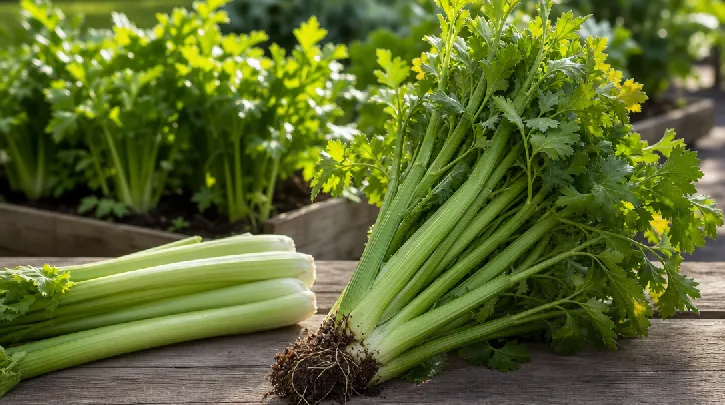
Homegrown celery offers a depth of flavor that store-bought varieties rarely achieve. The significant difference in taste stems from several factors, including harvesting at peak ripeness, richer soil nutrition, specific cultivar choices, and the absence of long-distance transportation. When you grow your own celery, you control these elements, allowing the plant to develop its full aromatic and savory potential, far surpassing the often bland, watery taste of commercially produced stalks.
Many home gardeners will tell you that once you taste celery fresh from your garden, there’s no going back. This isn’t just a matter of personal bias; scientific principles explain why your efforts in the backyard translate into a more vibrant, complex, and satisfying crunch. Understanding these differences empowers you to cultivate truly exceptional celery that elevates any dish.
The Journey from Seed to Plate: Why Freshness Matters Most
The single most impactful reason homegrown celery tastes better is freshness. Commercial celery endures a journey from farm to processing, then to distribution, and finally to your grocery store shelf. This process can take days, even weeks.
During this time, crucial flavor compounds and nutrients begin to degrade. Homegrown celery, however, can go from garden to table in minutes. This immediate consumption preserves its peak flavor and crisp texture.
Harvesting at Peak Ripeness
Store-bought vegetables are often harvested prematurely to withstand long shipping times. They may ripen in transit or in the store aisle.
Conversely, you harvest homegrown celery at its prime. This allows the stalks to fully develop their natural sugars and complex flavor profiles.
The difference is noticeable in everything from sweetness to the characteristic savory notes. Produce picked early for a long trip gains color but does not gain nutrients or flavor in the process.
Minimizing Post-Harvest Degradation
As soon as celery is harvested, its natural sugars begin converting to starch, and nutrient levels start to decline. The longer the time between harvest and consumption, the more flavor is lost.
For example, studies on sweet corn show a 50% loss of sugar content within the first 12 hours after harvest. While specific numbers for celery may vary, the principle remains: rapid consumption preserves quality.
The Power of Soil: Building Flavor from the Ground Up
The health and nutrient density of your garden soil play a profound role in the flavor of your celery. Commercial farming often depletes soil of essential micronutrients, relying on synthetic fertilizers that provide primary nutrients for growth but neglect the complex soil microbiome.
Home gardeners typically enrich their soil with organic matter like compost and aged manure. This creates a vibrant ecosystem that nourishes plants more comprehensively.
Nutrient-Rich Soil Equals Flavor-Rich Celery
When soil is healthy and biologically active, plants can access a wider array of minerals and build beneficial compounds. This directly influences the taste and nutritional profile of vegetables.
Celery is a heavy feeder, meaning it requires consistently rich soil to thrive. Proper nourishment helps prevent bitterness and stringiness.
Dr. Elaine Ingham, a renowned soil microbiologist, emphasizes the critical connection: “Healthy soil, teeming with a diverse microbial community, directly translates to more nutrient-dense and flavorful food. It’s not just about what you feed the plant, but what you feed the soil that feeds the plant.”
Studies have found that the type of soil a plant grows in can greatly impact its health and taste. The diversity of nutrients in healthy soil yields more nutrient-dense and better-tasting fruits and vegetables.
Optimal pH and Water Availability
Celery thrives in moist, well-drained soil with a pH between 5.8 and 6.8. Consistent watering is crucial, as celery contains around 95% water.
Inadequate water or extreme temperatures can lead to tough, stringy, or bitter stalks. Home gardeners can closely monitor and adjust these conditions for optimal growth.
Cultivar Choices: Breeding for Flavor, Not Just Shelf-Life
The varieties of celery commonly found in grocery stores are often chosen for traits like uniform appearance, disease resistance, high yield, and ability to withstand mechanical harvesting and long-distance travel.
Flavor is frequently a secondary consideration in commercial breeding programs.
Heirloom vs. Hybrid Varieties
Home gardeners have access to a vast array of celery cultivars, including heirloom varieties. These older varieties have been passed down for generations, specifically for their unique and intense flavors and textures.
Many modern hybrid varieties, while robust, may have sacrificed some flavor in favor of other commercial traits. This is why a ‘Tall Utah’ from your garden might taste profoundly different from a generic ‘Pascal’ stalk at the supermarket.
Consider the table below for a comparison of typical celery types:
| Feature | Homegrown/Heirloom Celery | Commercial/Hybrid Celery |
|---|---|---|
| Primary Breeding Focus | Flavor, texture, regional adaptability | Shelf-life, disease resistance, high yield, uniform appearance |
| Ripeness at Harvest | At peak flavor and nutritional maturity | Often premature for shipping |
| Soil Quality | Typically organic-rich, balanced micronutrients | Often relies on synthetic fertilizers, may lack micronutrients |
| Flavor Intensity | Stronger, more complex, less bitter (if properly grown) | Milder, often watery or slightly bitter |
| Transport Time | Minutes to hours from garden to plate | Days to weeks from farm to store |
Environmental Control and Growing Practices
Celery is a cool-season crop that thrives in consistent, moderate temperatures. It needs a long growing season, typically 105 to 140 days.
Heat stress, inconsistent watering, or inadequate nutrients can all contribute to bitter, stringy, or hollow stalks.
Blanching for Sweetness and Tenderness
One technique often employed by home gardeners to achieve sweeter, more tender celery is blanching. This involves covering the lower stalks to protect them from direct sunlight for 10 to 14 days before harvest.
Blanching reduces chlorophyll production, resulting in paler, milder, and sweeter stalks. While commercial growers sometimes use self-blanching varieties, direct blanching in the garden offers more control over the final texture and taste.
Pest and Disease Management
Home gardeners can often employ organic pest control methods, minimizing the use of harsh chemicals. This ensures that the celery is free from synthetic pesticides and herbicides, contributing to a cleaner, purer taste.
Healthy plants grown in good conditions are naturally more resistant to pests and diseases. This avoids the stress that can impact flavor.
The Science of Celery Flavor Compounds
Celery’s distinctive flavor comes from a complex blend of volatile organic compounds. The primary contributors are phthalides and, to a lesser extent, terpenes.
These compounds create the characteristic fresh, earthy, herbaceous, and sometimes peppery or citrusy notes.
Phthalides and Terpenes
Phthalides, such as 3-n-butylphthalide and sedanenolide, are key to celery’s overall aroma and flavor. Some research suggests a positive correlation between phthalide content and flavor perception.
Terpenoids, including limonene, ocimene, and pinene, also contribute to the fresh, herbal, and citrusy aspects of celery flavor.
Apigenin and Other Flavonoids
Celery is also rich in flavonoids and phenolics, including apigenin. Apigenin is a naturally occurring flavone that contributes to the plant’s overall biochemical profile.
The content of these bioactive constituents can vary significantly between different celery cultivars and growing conditions. Freshly harvested, properly grown celery maximizes these complex compounds.
Nutritional Benefits and Their Connection to Flavor
Flavor and nutrition often go hand-in-hand. When produce is bursting with flavor, it is usually bursting with nutrients too. Homegrown celery, harvested at its prime, retains higher levels of vitamins, minerals, and antioxidants.
For instance, homegrown vegetables can have up to 50% more nutrients than store-bought ones. This is partly due to the minimal time between harvest and consumption.
Preserved Vitamins and Antioxidants
Celery is a good source of vitamins C, K, and A, as well as potassium, calcium, and folate. These nutrients are highly susceptible to degradation over time and with improper storage.
The rapid garden-to-table consumption of homegrown celery ensures you receive the maximum nutritional benefit.
| Factor | Impact on Flavor & Nutrients (Homegrown) | Impact on Flavor & Nutrients (Commercial) |
|---|---|---|
| Harvest Timing | Peak ripeness, full flavor/nutrient development | Premature, less developed flavor/nutrients |
| Time to Consumption | Minimal (hours) | Significant (days to weeks) |
| Soil Quality | Rich in organic matter, diverse micronutrients = robust flavor | Depleted, synthetic fertilizers = less complex flavor |
| Cultivar Selection | Heirloom varieties chosen for superior taste | Hybrid varieties chosen for shelf-life, yield |
| Growing Environment | Optimized for plant health (water, temp, blanching) | Less tailored, potential for stress-induced bitterness |
| Chemical Use | Minimal to none, pure taste | Potential for residues, can affect taste perception |
Getting Started: Growing Your Own Flavorful Celery
Growing celery requires patience, as it has a long growing season, up to 140 days from seed. However, the reward of superior flavor makes it well worth the effort.
Here are key steps to ensure your homegrown celery is bursting with flavor:
- Choose the Right Variety: Look for heirloom or specific flavorful varieties like ‘Tall Utah’, ‘Conquistador’, or ‘Golden Self-Blanching’. These are often bred for taste.
- Prepare Rich Soil: Celery is a heavy feeder. Amend your soil with plenty of compost or well-rotted manure before planting. Aim for a soil pH between 5.8 and 6.8.
- Ensure Consistent Moisture: Celery needs consistently moist soil. Never let the soil dry out completely. Mulch can help retain moisture.
- Provide Adequate Sunlight & Temperature: Celery needs at least six hours of sun but prefers cool temperatures (60-70°F). In warmer climates, provide afternoon shade.
- Fertilize Regularly: As a heavy feeder, celery benefits from a balanced fertilizer every three to four weeks, or regular top-ups of compost.
- Consider Blanching: To achieve sweeter, paler stalks, blanch the celery 10-14 days before harvest. Cover the lower stalks with soil, newspaper, or cardboard tubes to block light.
- Harvest at the Right Time: Harvest outer stalks when they are at least a foot long, or the entire plant when it’s 3 inches in diameter. The inner stalks are the most tender and flavorful uncooked.
Overcoming Common Celery Growing Challenges
Even with the best intentions, gardeners can face challenges with celery. Here are a few common issues and how to address them:
- Bitter Celery: This is often caused by heat stress, insufficient water, or a lack of nutrients. Ensure consistent watering, provide shade during hot spells, and enrich your soil.
- Stringy Stalks: Lack of adequate water is a primary culprit. Keep the soil consistently moist.
- Bolting (Going to Seed): Extreme temperature fluctuations, particularly prolonged cold during early growth or excessive heat near maturity, can cause celery to bolt. Choose appropriate planting times for your region.
Embracing the Homegrown Advantage
The journey from a tiny seed to a crisp, flavorful celery stalk on your plate is one of gardening’s most rewarding experiences. It’s a testament to the fact that when nature is allowed to run its course, supported by thoughtful cultivation, the results are always superior.
Beyond the taste, growing your own celery connects you more deeply to your food source. You gain confidence in knowing exactly how your food was grown. This personal involvement adds another layer of satisfaction to every crunch.
FAQ
What makes homegrown celery so much better than store-bought?
Homegrown celery excels due to several key factors: it’s harvested at its peak ripeness, preserving natural sugars and flavor compounds, grown in nutrient-rich soil that enhances its taste, and consumed almost immediately after harvest, preventing degradation of flavor and nutrients during transit and storage.
Can soil quality really impact celery flavor?
Absolutely. Celery grown in healthy, organic-rich soil with a balanced microbiome absorbs a wider array of essential minerals and develops more complex flavor compounds than celery grown in depleted, synthetically fertilized soil.
Are there specific celery varieties that taste better when homegrown?
Yes, many heirloom varieties like ‘Tall Utah’, ‘Conquistador’, ‘Golden Self-Blanching’, and ‘White Plume’ are renowned for their superior flavor and tender texture when grown at home. These cultivars are often selected for taste rather than commercial viability.
How long does homegrown celery retain its peak flavor after harvest?
Celery begins to lose flavor and nutrients almost immediately after harvest, as sugars convert to starch. For optimal taste, consume homegrown celery within hours or a few days of harvesting. Proper refrigeration can extend freshness for up to two weeks.
What causes bitter celery, and how can I avoid it in my garden?
Bitter celery often results from stress, such as too much heat, insufficient water, or a lack of nutrients in the soil. To avoid bitterness, ensure consistent watering, plant in rich soil, provide afternoon shade in hot climates, and consider blanching the stalks before harvest.
Conclusion
The superior flavor of homegrown celery is no myth; it’s a delicious reality rooted in science and smart gardening practices. By choosing the right varieties, nurturing your soil, providing consistent care, and harvesting at the perfect moment, you unlock a depth of taste and nutritional value that supermarket shelves simply cannot offer. Embrace the journey of growing your own celery, and prepare to be amazed by the vibrant, crisp, and genuinely satisfying flavor that only your garden can provide.
