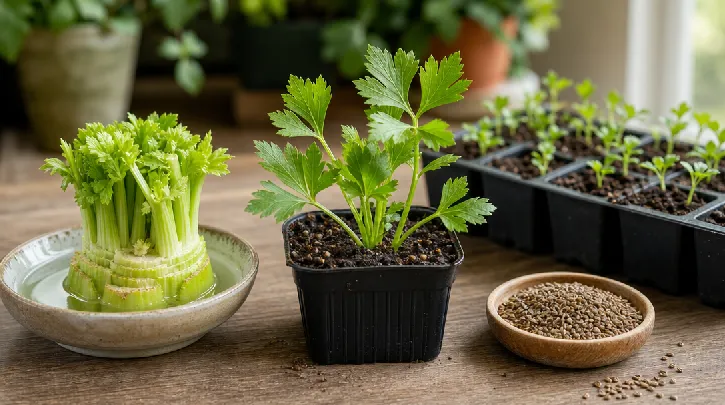
Cultivating your own crisp, flavorful fresh homegrown celery at home can be a rewarding endeavor, but the choice between starting celery from seed or utilizing methods like celery propagation from a discarded base often leaves aspiring gardeners scratching their heads. Understanding the nuances of each method, from initial setup to harvest, is crucial for achieving a bountiful yield and enjoying fresh celery from your garden or windowsill. Whether you choose to plant seeds or grow celery from stump, success hinges on understanding the best practices for each approach.
Choosing Your Celery Cultivation Path: Seed or Stalk?
Deciding whether to grow celery from seed or to grow celery from stump (re-growing from a discarded stalk base) involves evaluating your gardening goals, available time, and desired yield. Both methods offer unique advantages and challenges for the home gardener. A thorough understanding of each celery propagation technique helps you select the best approach for a successful celery harvest.
Growing Celery from Seed: A Foundation for Abundance
Starting celery from seed provides the most control over variety selection and typically results in robust, full-sized plants. This method allows you to cultivate specific celery types, such as ‘Tall Utah’ for classic green stalks or ‘Conquistador’ for disease resistance, which may not be available at local nurseries. While it demands more patience and attention to celery seedling care, the payoff is often a healthier, more vigorous crop. For extensive information on specific varieties and their cultivation, resources like the Cornell Cooperative Extension offer valuable insights.
The Journey from Tiny Seed to Tender Stalk
Celery seeds are notoriously small and require specific conditions for germination. They need light to sprout, so a very shallow planting depth is essential. Consistent moisture and warm temperatures, ideally between 70-75°F (21-24°C), encourage germination, which can take anywhere from 10 to 21 days, sometimes longer.
Once germinated, celery seedlings are delicate and grow slowly. They benefit from stable temperatures and protection from strong winds or direct, intense sunlight in their early stages. Providing adequate light, either through a sunny window or supplemental grow lights, is critical for preventing leggy growth.
Step-by-Step Guide to Starting Celery from Seed
- Gather Your Materials: You will need fresh celery seeds (check the packet for viability), seed-starting mix, shallow seed trays or small pots, a clear dome or plastic wrap, a spray bottle for misting, and a heat mat (optional but recommended for faster germination).
- Prepare the Seed Starting Mix: Fill your trays or pots with a high-quality, sterile seed-starting mix. Lightly moisten the mix before planting. A good mix retains moisture without becoming waterlogged.
- Sow the Seeds: Sprinkle celery seeds thinly on the surface of the moistened mix. Do not cover them with soil, or cover them with only a very fine dusting of vermiculite, as they require light to germinate. Space them approximately 1 inch apart to allow for initial growth.
- Ensure Humidity and Warmth: Gently mist the seeds after sowing. Cover the trays with a clear plastic dome or plastic wrap to maintain high humidity. Place the trays in a warm location, ideally on a heat mat set to 70-75°F (21-24°C).
- Maintain Moisture: Check daily and mist as needed to keep the soil surface consistently damp, but not soggy. Avoid overhead watering that can dislodge the tiny seeds.
- Provide Light: Once germination occurs, immediately move the trays under grow lights or to a very bright windowsill. Keep the lights 2-4 inches above the seedlings for 14-16 hours per day.
- Thin Seedlings: When celery seedlings develop their first true leaves, thin them to about 2-3 inches apart. Snip weaker seedlings at the soil line with small scissors to avoid disturbing the roots of the remaining plants.
- Harden Off: Before transplanting outdoors, gradually acclimate the seedlings to outdoor conditions over 7-10 days. Start with a few hours in a shaded, sheltered spot and progressively increase exposure to sunlight and wind.
- Transplant: Once all danger of frost has passed and night temperatures consistently stay above 50°F (10°C), transplant your celery seedlings into rich, well-draining soil in your garden or larger containers. Space plants 6-12 inches apart.
Regrowing Celery from Scraps: A Quick and Accessible Method
Growing celery from stump, also known as celery propagation from the stalk base, is a popular and engaging project, especially for beginners or those with limited space. This method allows you to utilize the discarded base of a celery stalk, giving it a second life and producing fresh, albeit often smaller, stalks. It’s an excellent way to re-grow celery and observe plant growth cycles firsthand by simply using what you might otherwise discard.
The Regenerative Power of a Celery Stump
When you cut the bottom off a celery stalk, the central part of the base, or celery stump, contains dormant buds that can be stimulated to grow new shoots and roots. This vegetative celery propagation bypasses the germination phase, offering a quicker path to new growth. While the resulting plants may not be as robust or produce stalks as large as those grown from seed, it’s a nearly free and very satisfying way to grow celery from stump.
Step-by-Step Guide to Re-growing Celery from Stalks (or Stumps)
- Select a Healthy Celery Stump or Stalk Base: Choose a fresh, firm celery stalk from the grocery store. Cut off the bottom 1-2 inches of the base, ensuring some of the inner, lighter green parts are intact.
- Initial Water Setup: Place the celery base cut-side up in a shallow dish or bowl. Add about half an inch of water to the dish. The water level should cover the very bottom of the base but not submerge the entire thing.
- Find a Sunny Spot: Position the dish on a sunny windowsill or under grow lights. Aim for at least 6 hours of direct sunlight per day.
- Change Water Regularly: Change the water every 1-2 days to prevent mold and bacterial growth. You should begin to see small roots emerging from the bottom and tiny green shoots appearing from the center of the base within 5-7 days.
- Monitor Growth: Continue to let the celery grow in water for 1-2 weeks, or until roots are about 1-2 inches long and new leaves are clearly visible.
- Transition to Soil: Once a good root system has developed and new growth is strong, transplant the celery base into a pot filled with rich potting mix or directly into your garden. Plant the base so the top of the original cut line is just at the soil surface, ensuring the new green growth is exposed.
- Water and Nurture: Water thoroughly after planting. Keep the soil consistently moist, as celery is a thirsty plant. Provide full sun and consider providing a light feed with a balanced liquid fertilizer after a few weeks to support vigorous growth.
Comparing Celery Propagation Methods: Seed vs. Stalk
Understanding the distinctions between starting celery from seed and grow celery from stump is key to making an informed decision for your gardening efforts. Each method presents a different set of expectations regarding time, effort, and harvest quality. This comparison helps clarify which celery propagation approach aligns best with your gardening style.
Key Differences and Expectations
The core differences lie in the origin of the plant, the initial time investment, and the ultimate yield. Seed-grown celery offers genetic consistency and typically results in larger, more uniform stalks. Scraps, while fast and fun, often yield smaller, less robust plants, making the choice between comprehensive seed cultivation and quick celery propagation from a stump important.
| Feature | Celery from Seed | Celery from Stalk (Scraps / Stump) |
|---|---|---|
| Initial Time to Grow | Slow (10-21 days for germination, then slow seedling growth) | Fast (new growth visible in 5-7 days) |
| Required Skill Level | Intermediate (requires attention to detail for germination and seedling care) | Beginner (simple, highly visual process to grow celery from stump) |
| Variety Selection | Full control over specific celery cultivars | Limited to the variety purchased at the store |
| Plant Vigor/Size | Typically robust, full-sized plants | Often smaller, thinner stalks; may bolt faster |
| Yield Potential | High, can produce multiple harvests of crisp stalks | Moderate, usually one or two harvests of smaller stalks |
| Cost | Low (cost of seeds, soil mix, optional heat mat) | Virtually free (using kitchen scraps to grow celery from stump) |
| Growing Location | Can start indoors, then transplant outdoors or to large containers | Can start in water on a windowsill, then transplant to pots or garden |
| Common Challenges | Slow germination, damping-off, leggy seedlings, pests | Rotting base, insufficient light, nutrient deficiencies in subsequent growth |
Benefits of Each Method
Advantages of Growing Celery from Seed
- Variety Choice: You can select specific celery varieties based on flavor, stalk crispness, disease resistance, or growing season. For instance, ‘Pink Plume’ offers a unique aesthetic, while ‘Tango’ is known for its sweet flavor and tenderness.
- Robust Plants: Seed-grown celery typically develops a stronger root system and more vigorous growth, leading to larger, healthier plants and substantial harvests.
- Better Blanching: For those who blanch their celery to achieve whiter, more tender stalks, seed-grown plants offer more consistent results due to their uniform growth and development.
- Long-Term Supply: With proper cultivation and succession planting, celery propagation from seed can provide a continuous supply of fresh celery throughout the growing season.
Advantages of Regrowing Celery from Scraps (Stumps)
- Economical and Sustainable: This method makes use of kitchen scraps that would otherwise be discarded, aligning with sustainable gardening practices and costing nothing. It’s a prime example of resourceful celery propagation.
- Quick Gratification: New growth is often visible within a week, making it an exciting project for children and impatient gardeners. It’s an accessible way to experience celery propagation by learning to grow celery from stump.
- Educational Tool: It’s a fantastic way to introduce gardening concepts and the life cycle of plants to young learners without the complexities of seed germination.
- Minimal Space: The initial water-based stage requires only a small dish and a sunny windowsill, making it ideal for apartment dwellers or those with limited garden space.
Drawbacks and Potential Pitfalls
Challenges with Celery from Seed
- Patience Required: Celery seeds are slow to germinate and seedlings develop slowly. This process can test the patience of even seasoned gardeners.
- Specific Conditions: Successful germination and initial growth demand consistent moisture, warmth, and light, making it a more technical undertaking than some other seed-starting projects.
- Pest and Disease Susceptibility: Young celery seedlings are vulnerable to issues like damping-off disease if conditions are too wet or air circulation is poor. Common pests such as aphids can also quickly infest tender new growth.
- Transplant Shock: Celery is sensitive to root disturbance. Improper hardening off or rough handling during transplanting can stunt growth.
Challenges with Regrowing Celery from Scraps (Stumps)
- Smaller Harvest: The resulting plants from scraps are often smaller and may produce thinner, less crisp stalks compared to seed-grown celery. This is a common expectation when you grow celery from stump.
- Limited Lifespan: Celery re-grown from scraps tends to have a shorter productive life. The plant uses stored energy from the original stalk and may exhaust its resources or bolt (go to seed) more quickly.
- Genetic Limitations: You are growing whatever variety was sold at the grocery store, without the ability to select for specific desirable traits, unlike planned celery propagation from seed.
- Rotting: If the water isn’t changed regularly or the base is submerged too deeply, the celery scrap can rot before roots have a chance to form.
Expert Tips for Thriving Celery Plants
Regardless of whether you choose to grow celery from seed or re-grow celery from scraps, a few key practices can significantly improve your success rate and the health of your plants. These expert tips focus on common environmental needs and proactive care for optimal celery propagation.
Mastering Celery Seedling Care
For seed-started celery, attention to detail during the celery seedling phase is paramount. Consistent moisture is crucial, but avoid waterlogging, which can lead to fungal issues. Use a gentle watering method, like a bottom-watering tray or a fine mist spray, to keep the soil evenly moist without disturbing the delicate seedlings.
Provide adequate light: Leggy seedlings are a common problem. Position grow lights just a few inches above the seedlings (2-4 inches) and run them for 14-16 hours daily. Adjust the light height as the plants grow to maintain optimal intensity. The University of Massachusetts Amherst Center for Agriculture, Food and the Environment recommends ensuring good air circulation around seedlings to prevent disease.
Fertilization: Once seedlings develop their first set of true leaves, you can begin feeding them with a diluted liquid fertilizer, such as a fish emulsion or balanced organic fertilizer, at half strength every two weeks.
Nurturing Regrown Celery from a Stump
For celery grown from scraps, the transition from water to soil is a critical step. Ensure the soil is well-draining and rich in organic matter. Celery thrives in consistently moist soil, so regular watering is essential, especially during dry spells. Consider adding compost or well-rotted manure to your garden beds before planting to provide a steady supply of nutrients, helping your grow celery from stump efforts succeed.
Blanching for tenderness: To achieve more tender, less bitter stalks, you can blanch celery grown from scraps. This involves excluding light from the lower parts of the stalks, either by mounding soil around them or wrapping them with cardboard or newspaper for the last few weeks before harvest. While blanching can reduce some vitamins, it significantly improves flavor and texture.
General Celery Growing Advice
- Soil Requirements: Celery is a heavy feeder and prefers fertile, consistently moist, well-draining soil with a pH between 6.0 and 7.0. Amending your soil with plenty of compost before planting will provide essential nutrients.
- Watering: Celery needs consistent moisture. Uneven watering can lead to stringy stalks or cause the plant to bolt prematurely. Aim for at least 1-2 inches of water per week, either from rainfall or irrigation, especially prior to harvesting.
- Sunlight: Celery grows best in full sun (at least 6 hours of direct sunlight daily) but can tolerate some partial shade, especially in hotter climates where it can protect the plants from intense afternoon sun.
- Pest Management: Keep an eye out for common celery pests like celery leaf miners, aphids, and slugs. Row covers can deter flying insects, and hand-picking slugs is effective for smaller infestations. Organic insecticidal soaps, neem oil, or introducing beneficial insects like ladybugs can effectively manage aphid outbreaks. For comprehensive pest control strategies, consult resources like the Oregon State University Extension Service.
- Harvesting: You can begin harvesting outer stalks when they are at least 8-10 inches tall. Cut individual stalks from the outside of the plant, allowing the inner stalks to continue growing. For a full harvest, cut the entire plant at the soil line.
Deciding Which Method Suits You: My Personal Take
From my experience, the choice between starting celery from seed versus celery propagation from scraps really boils down to your gardening style and expectations. If you’re looking for a fun, quick project that yields a small amount of fresh celery for immediate use, then by all means, grow celery from stump. It’s incredibly satisfying to watch new life emerge from a kitchen cast-off, and it’s a fantastic educational tool for beginners or children.
However, if your goal is to produce a substantial, high-quality crop of celery for juicing, cooking, or prolonged storage, then investing the time and effort into starting celery from seed is the superior approach. While it demands more initial patience and attention to celery seedling care, the ability to choose specific varieties and cultivate robust plants makes it the choice for serious celery growers. I’ve found that the uniformity and vigor of seed-grown celery simply can’t be matched by regrown stalks, which often bolt sooner and produce thinner, less appealing stems.
For most home gardeners, I often recommend trying both methods. Start a few celery seeds for your main crop, and keep a celery scrap on your windowsill for a quick, rewarding mini-harvest. This way, you get the best of both worlds: a learning experience with immediate gratification, and the potential for a truly excellent yield later in the season.
Frequently Asked Questions About Growing Celery
Here are answers to some common questions about cultivating celery at home.
How long does it take for celery to grow from a scrap?
New roots and shoots typically emerge from a celery stump within 5-7 days when placed in water. After transplanting into soil, it generally takes about 3-4 weeks for new, harvestable stalks to develop, though these will be smaller than commercially grown celery.
Can you plant celery seeds directly into the garden?
While technically possible, direct sowing celery seeds into the garden is generally not recommended in most regions. Celery seeds require specific, consistent moisture and temperature conditions for germination and the seedlings are very delicate. Starting celery indoors under controlled conditions significantly improves germination rates and seedling survival before transplanting.
What is the best way to get thicker celery stalks?
Thicker celery stalks are primarily achieved through consistent watering, rich, fertile soil, and adequate sunlight. Ensuring the plants receive consistent moisture (at least 1-2 inches per week) and are grown in soil amended with plenty of compost or well-rotted manure will promote vigorous growth and thicker stalks. Blanching can also contribute to tenderness.
Why did my re-grown celery bolt (go to seed) quickly?
Celery is a biennial plant, meaning it typically flowers and produces seeds in its second year. However, if exposed to prolonged cold temperatures (below 55°F / 13°C) for 7 days or longer after initial growth, or if it experiences stress from inconsistent watering or nutrient deficiency, the plant may “bolt” prematurely. Celery grown from scraps can also bolt more quickly due to its reliance on stored energy and less robust root system.
How often should I fertilize homegrown celery?
Celery plants are heavy feeders and benefit from regular fertilization. After amending your soil with compost at planting, apply a balanced liquid organic fertilizer, such as a fish emulsion, at half strength every two to three weeks, especially after seedlings develop true leaves and once regrown plants are established in soil.
Can I grow celery from a stump multiple times?
While you can re-grow celery from a stump, the plant’s vigor decreases with each subsequent regeneration. The initial growth draws on stored energy from the original stalk. Attempting to grow celery from stump multiple times from the same base is generally not recommended for optimal results, as the plant will produce smaller, weaker stalks before eventually exhausting its resources or bolting.
Whether you choose the meticulous path of starting celery from seed for robust, varied harvests or the quick, satisfying experiment of celery propagation by learning to grow celery from stump, cultivating this crisp vegetable at home is a rewarding journey. Both methods offer unique learning experiences and the pleasure of fresh, homegrown celery straight from your garden or windowsill.
