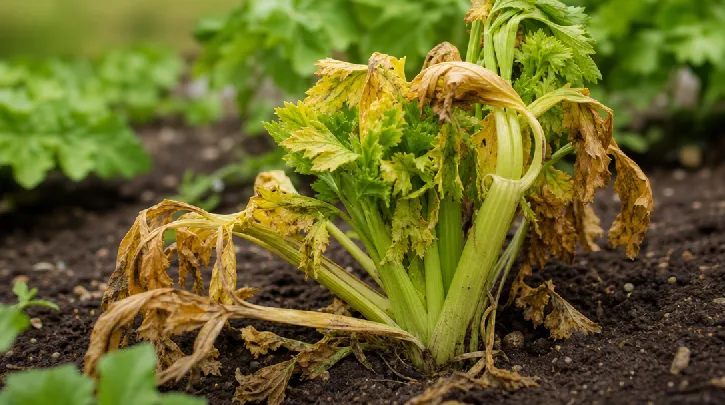
Most celery problems come down to inconsistent watering, poor soil preparation, or wrong temperatures. If your celery is bitter, thin, or refusing to grow, fix those three things first. The rest of this article walks you through every common issue, from yellow leaves to pest invasions, with practical fixes that actually work in a home garden.
Growing celery in a home garden feels like a badge of honor for a reason. It demands more patience than tomatoes and more precision than lettuce. But when you bite into a stalk you grew yourself, the crunch and flavor reward every bit of effort. Let me share what I have learned from years of troubleshooting celery in real garden beds, not from a textbook.
Why Celery Is Hard to Grow and Worth the Effort
Celery has a reputation for being fussy because it evolved in marshy, cool environments. It needs constant moisture, rich soil, and moderate temperatures. Most home gardens do not naturally provide all three at once.
The payoff is enormous. Homegrown celery tastes entirely different from store-bought. It is more aromatic, less watery, and far more tender. If you have tried celery before and failed, this guide will help you diagnose exactly what went wrong.
Poor Germination and Weak Seedlings
Celery seeds are tiny and slow to germinate. They often take 14 to 21 days to sprout, and many gardeners give up too soon. The most common mistake is letting the soil dry out during that window.
Seeds need constant moisture and warmth to germinate. Soil temperature should stay between 70°F and 75°F. Anything below 60°F or above 80°F sharply reduces germination rates.
How to Fix Germination Problems
Start celery seeds indoors 10 to 12 weeks before your last spring frost. Use a seed-starting mix and press the seeds lightly into the surface. Do not bury them. They need light to germinate.
Cover the tray with a clear humidity dome or plastic wrap. Mist the surface daily. Place the tray on a heat mat set to 70°F. Once seedlings appear, remove the cover and move them to bright light immediately.
| Germination Factor | Ideal Range | Problem Outside Range |
|---|---|---|
| Soil temperature | 70°F–75°F | Slow or no germination |
| Moisture | Consistently damp | Seeds dry out and die |
| Light | Surface exposure | Buried seeds fail |
| Time | 14–21 days | Gardeners dig too early |
If your seedlings emerge but stay tiny and leggy, they are not getting enough light. Move them under a grow light positioned two inches above the leaves for 14 to 16 hours per day.
Bitter or Tough Stalks
Bitter celery is almost always a water or temperature stress issue. Tough, stringy celery usually means the plant grew too slowly or experienced a heat wave at the wrong time.
Celery is 95 percent water. When the plant gets thirsty, it produces woody fibers and bitter compounds called phthalides to protect itself. The same thing happens when temperatures climb above 80°F for several days straight.
Fix Bitter Celery with Consistent Watering
Water deeply every day during dry spells. Celery has shallow roots that cannot reach moisture deep in the soil. A soaker hose or drip irrigation works better than overhead watering because it keeps the soil evenly moist without wetting the leaves.
Mulch around the base of each plant with straw or shredded leaves. A two-inch layer of mulch reduces evaporation and keeps soil temperatures cooler. This alone can prevent bitterness in most gardens.
Fix Tough Celery with Proper Spacing
Overcrowded celery plants compete for water and nutrients. Space plants 8 to 10 inches apart in rows 18 inches apart. This gives each plant enough room to develop thick, tender stalks.
Charlie Nardozzi, horticulturist and author of Vegetable Garden Rx, once told me that many home gardeners plant celery too close together. He said, “Give celery elbow room. Crowded plants produce thin, tough stalks every time.”
Yellowing Leaves and Stunted Growth
Yellow leaves on celery usually mean a nutrient deficiency or poor drainage. Celery is a heavy feeder that needs plenty of nitrogen, potassium, and trace minerals. If the soil is lacking, the plant lets you know by turning pale.
Nitrogen Deficiency
The oldest leaves turn yellow first. Growth slows down. The plant looks pale overall. This is the most common nutrient problem in home celery patches.
Fix it by side-dressing with a balanced organic fertilizer such as a 5-5-5 blend. Apply it at planting time and again four weeks later. Liquid fish emulsion works well as a quick boost because plants absorb it immediately.
Magnesium Deficiency
Yellowing appears between the veins of older leaves while the veins stay green. This look is called interveinal chlorosis. It happens most often in sandy or acidic soils.
Mix one tablespoon of Epsom salts into one gallon of water and apply it as a foliar spray. Repeat every two weeks until the new growth comes in green.
Poor Drainage and Root Stress
Celery roots drown in waterlogged soil. If your garden bed holds standing water after rain, the roots cannot absorb nutrients no matter how much fertilizer you add. The leaves turn yellow, and the plant stops growing.
Raised beds solve this problem for most gardeners. A bed that is 8 to 12 inches high gives celery roots the drainage they need. If you cannot build a raised bed, amend your native soil with plenty of compost to improve drainage.
Bolting Before Harvest
Bolting means the celery plant sends up a flower stalk and stops putting energy into the stalks you want to eat. Once celery bolts, the stalks become bitter and woody. There is no way to reverse it.
Bolting is triggered by temperature swings. A sudden cold snap after a warm period, or a heat wave right at the start of the season, tricks the plant into thinking it has finished its life cycle.
How to Prevent Bolting
Choose bolt-resistant varieties. Some cultivars bred for bolt resistance include ‘Tango’, ‘Diamant’, and ‘Golden Self-Blanching’. These handle temperature swings better than older varieties.
Harden off your transplants carefully before moving them outside. Place them in a cold frame or sheltered spot for one week. Bring them indoors if the forecast shows a sudden temperature drop below 50°F.
Dr. Linda Chalker-Scott, professor of horticulture at Washington State University, emphasizes that temperature stress is cumulative. She told me, “A few degrees of cold stress repeated over several nights is worse than one hard frost.” Protect celery with row covers whenever nighttime temperatures dip below 55°F.
Pest Problems in the Celery Patch
Several pests specifically target celery. The most destructive ones in US gardens are celery leaf miners, aphids, slugs, and cutworms. Each requires a different approach.
Celery Leaf Miners
These tiny larvae tunnel inside the leaves, leaving winding, translucent trails. The damage looks ugly and reduces photosynthesis. In severe cases, the plant weakens and the stalks become inedible.
Prevent leaf miners by covering young plants with floating row covers. Remove the covers when the plants start flowering or when temperatures climb above 85°F. If leaf miners appear, remove the affected leaves immediately and throw them in the trash, not the compost pile.
Aphids
Aphids cluster on the undersides of leaves and on tender new growth. They suck sap and excrete sticky honeydew, which attracts sooty mold. A heavy aphid infestation stunts growth and distorts leaves.
Blast them off with a strong stream of water from a garden hose. For persistent infestations, spray with insecticidal soap. Apply it in the evening to avoid burning the leaves in direct sun.
Slugs and Snails
Slugs love celery because it stays moist and lives close to the ground. They chew holes in the stalks and leaves, ruining the harvest. Slugs are most active at night and after rain.
Set out beer traps or use iron phosphate bait, which is safe for pets and beneficial insects. Remove debris and mulch from around the plants to eliminate slug hiding spots. Hand-pick them at dusk for small gardens.
Cutworms
Cutworms sever young transplants at the soil line. You find a perfectly planted seedling one evening and a toppled stem the next morning.
Place a cardboard collar around each stem at transplant time. Push it one inch into the soil and leave it two inches above ground. The collar stops cutworms from reaching the stem. Remove the collars after three weeks when the stems toughen.
Diseases That Attack Celery
Celery is susceptible to several fungal and bacterial diseases. Most of them thrive in wet, humid conditions. The best defense is prevention.
Early Blight and Late Blight
Both blights cause brown or gray spots on the leaves. Early blight produces round spots with concentric rings. Late blight creates irregular, water-soaked lesions. Both diseases spread quickly in wet weather.
Water at the base of the plant, not on the foliage. Space plants for good air circulation. Remove and destroy infected leaves immediately. Rotate your celery patch each year and do not plant celery in the same spot for three years.
Bacterial Soft Rot
This disease turns the inner stalks into a slimy, smelly mess. It enters through wounds in the plant, often caused by insect damage or rough handling. Warm, wet weather accelerates the rot.
Control insects that wound the plants. Harvest carefully. Do not damage the stalks when weeding. If soft rot appears, remove the affected plant entirely and do not plant celery in that spot for two years.
| Disease | Symptoms | Prevention |
|---|---|---|
| Early blight | Round brown spots with rings | Water soil, not leaves |
| Late blight | Irregular water-soaked lesions | Improve air circulation |
| Bacterial soft rot | Slimy, smelly inner stalks | Control insects, avoid wounds |
Fusarium Wilt
This soil-borne fungus causes yellowing and wilting that starts on one side of the plant. It works its way up the stalks. There is no cure. Infected plants must be removed and destroyed.
Fusarium wilt stays in the soil for years. The only practical solution is to grow celery in a different area or use containers with fresh potting mix. Resistant varieties are not widely available, so prevention through rotation is critical.
Water and Nutrient Management
Celery grows best in soil that stays moist but not waterlogged. The sweet spot is consistently damp soil that dries slightly at the surface between waterings. This balance takes practice to achieve.
How Much Water Celery Needs
Celery needs about one to two inches of water per week from rain or irrigation. In hot weather, it may need daily watering. Check the soil by sticking your finger two inches deep. If it feels dry at that depth, water immediately.
Drip irrigation is ideal because it delivers water slowly and evenly. Overhead sprinklers waste water and invite disease. If you must use a sprinkler, water in the early morning so the leaves dry before nightfall.
Fertilizer Schedule for Celery
Celery needs a steady supply of nutrients from transplant to harvest. A single application at planting is not enough. The plant grows for several months and depletes the soil quickly.
Apply a balanced organic fertilizer at planting time. Side-dress with compost or fish emulsion every three to four weeks. Celery is especially sensitive to boron deficiency, which causes cracked stalks and brown leaf margins. A light application of liquid seaweed provides trace minerals including boron.
Jessica Walliser, author of Attracting Beneficial Bugs to Your Garden, recommends using compost tea as a regular feed. She says, “Celery responds visibly to consistent nutrition. Feed it weakly and weekly for the best results.”
Temperature and Light Stress
Celery is a cool-weather crop. It grows best when daytime temperatures stay between 60°F and 75°F. Nighttime temperatures should stay above 50°F. Prolonged heat above 80°F causes stress that leads to bitterness, bolting, and poor stalk development.
Protecting Celery from Heat
In warmer parts of the US, celery is best grown as a spring or fall crop. Summer heat in most regions will produce poor results. If you must grow celery through a hot spell, use shade cloth to reduce leaf temperature by 10°F. Keep the soil heavily mulched.
Choose a planting site that gets morning sun and afternoon shade. A spot on the east side of a building or fence works well. The shade protects the plants during the hottest part of the day.
Protecting Celery from Cold
Frost kills celery outright. A light frost around 32°F damages the outer stalks and makes them limp. A hard freeze below 28°F kills the whole plant.
Cover your celery with row covers or frost blankets whenever frost is predicted. Floating row covers also provide a few degrees of cold protection that can save your crop during an early cold snap.
Frequently Asked Questions
Why is my celery growing so slowly?
Slow growth usually means the soil temperature is too low, the plants are not getting enough water, or they lack nitrogen. Check soil temperature first. If it is below 60°F, the roots barely function. Warm the soil with black plastic or wait for warmer weather.
Can I grow celery in containers?
Yes, but use a container at least 12 inches deep and wide. Celery has shallow roots but needs room for the stalks to develop. Use a high-quality potting mix and water daily because containers dry out faster than garden beds.
How do I blanch celery without chemicals?
Blanching makes celery stalks lighter and milder in flavor. Wrap the stalks with brown paper, cardboard, or heavy mulch two to three weeks before harvest. Do not use soil to hill up around the stems because it can introduce rot and diseases.
What causes celery stalks to crack?
Cracked stalks are usually caused by uneven watering. When the plant gets a lot of water followed by a dry spell, the internal pressure causes the stalks to split. Keep watering consistent. Mulch helps prevent the boom-and-bust cycle.
Should I prune celery leaves?
You do not need to prune celery leaves for the plant to grow well. Remove only yellow or damaged leaves to improve air circulation. Harvesting outer stalks as they mature encourages the inner stalks to keep growing.
Can I regrow celery from the base?
Yes, but with modest results. Place the base of a store-bought celery bunch in a shallow dish of water. New leaves will sprout from the center. Transplant it into soil after a week. The regrown plant is often smaller and tougher than a plant grown from seed.
Conclusion
Celery challenges every gardener at first, but the problems are predictable and fixable. Water consistently, feed regularly, and protect from temperature extremes. Those three actions solve the majority of celery troubles in a home garden.
Start with a bolt-resistant variety, prepare your soil with plenty of compost, and do not let the plants dry out. Your reward will be stalks so crisp and flavorful that you will never go back to grocery store celery again. Each season you grow it, the process gets easier and the results get better.
