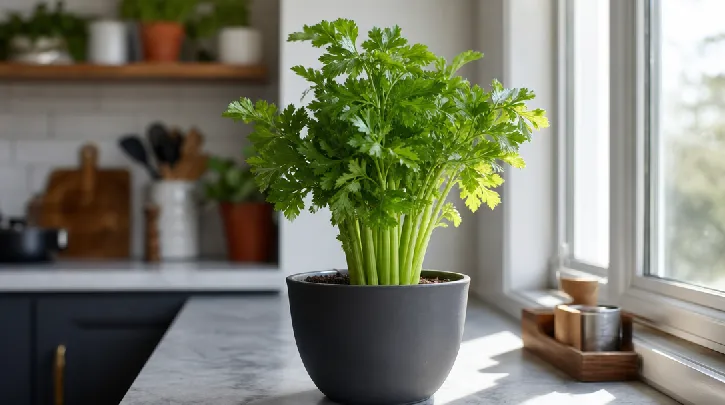
Tired of grocery store celery that wilts quickly or carries pesticide residues? Imagine crisp, flavorful celery stalks whenever you need them, grown right in your home. Cultivating an indoor celery garden is a rewarding endeavor that provides fresh, organic produce, enhances your culinary efforts, and adds a vibrant green touch to your living space, even through the colder months.
Why Cultivate Celery Indoors?
Growing celery indoors offers several compelling advantages over traditional outdoor gardening, particularly for those with limited space or challenging climates. You gain control over environmental factors, protect plants from pests and harsh weather, and ensure a continuous supply of this versatile vegetable.
Benefits of an Indoor Celery Garden
An indoor celery garden provides significant benefits beyond just fresh produce. You control the growing environment, which means no unexpected frosts or scorching heat to worry about. This leads to more consistent growth and often better quality stalks. Many home growers find their celery to be more flavorful and less stringy than store-bought varieties.
Moreover, growing your own celery reduces exposure to pesticides, as conventionally grown celery often appears on “Dirty Dozen” lists for high pesticide residue. You also reduce food waste by regrowing celery from store-bought bases, turning kitchen scraps into new plants. It’s a sustainable practice that saves money over time.
Potential Challenges to Overcome
While highly rewarding, indoor celery cultivation isn’t without its quirks. Celery is often described as “tricky to grow” and “difficult” due to its specific needs. It requires a long growing season, consistent moisture, and a good amount of light. Indoors, achieving sufficient light, maintaining ideal temperatures, and managing nutrient delivery can be more demanding than outdoor conditions. Celery also has a shallow root system, making it prone to drying out and requiring attentive watering.
Understanding Celery’s Indoor Environmental Needs
Success in growing celery indoors hinges on meticulously replicating its preferred growing conditions. This means paying close attention to light, temperature, humidity, and the growing medium.
Illuminating Your Celery: Light Requirements
Celery demands significant light to develop strong, crisp stalks. While it can tolerate light shade outdoors, indoors it needs ample bright light. Aim for at least 6 hours of direct sunlight daily. However, a sunny windowsill alone might not suffice, especially in winter, often leading to thin stalks.
For optimal growth, I recommend supplemental grow lights. Fluorescent or LED grow lights are effective. Position fluorescent lights 2-3 inches above seedlings, moving them up as plants grow. LED lights can be 12-18 inches away. Celery seedlings, in particular, need about 16 hours of bright light per day for strong development. A timer can ensure consistency.
Maintaining the Perfect Climate: Temperature and Humidity
Celery thrives in cooler temperatures. The ideal daytime temperature range is between 60°F and 70°F, with nighttime temperatures around 50°F to 65°F. Temperatures consistently above 70°F or below 50°F can cause the plant to “bolt,” meaning it will stop producing stalks and instead focus on flowering and going to seed. Bolting can also make the celery turn bitter.
Humidity is also crucial for celery, which naturally prefers moist environments. A humidity dome can assist during seed germination. For mature plants, regular misting or placing the pots on a pebble tray filled with water can help maintain ambient humidity, preventing the stalks from becoming stringy or tough.
The Foundation for Growth: Soil and Nutrients
Celery is a heavy feeder and requires nutrient-rich, moisture-retentive soil. For container celery growing, a high-quality potting mix amended with plenty of organic compost or worm castings is ideal. This provides essential nutrients and helps retain moisture without becoming waterlogged. The Royal Horticultural Society (RHS) suggests using peat-free multi-purpose compost.
Celery prefers a slightly acidic to neutral soil pH, ideally between 6.0 and 7.0. A soil test kit can help you determine your potting mix’s pH. If your soil is too acidic, you can add lime; if it’s too alkaline, incorporate sulfur to adjust the pH.
As a heavy feeder with a shallow root system, celery benefits from consistent fertilization. Incorporate a slow-release organic fertilizer at planting. Then, supplement with a half-strength liquid organic fertilizer, such as fish emulsion or seaweed extract, every two to three weeks. A balanced 10-10-10 NPK fertilizer is a good starting point, with increased nitrogen (like a 25-0-0) after about four to eight weeks to encourage strong stalk growth. Remember to water thoroughly after fertilizing to aid nutrient absorption.
Thirsty Plants: Watering Your Indoor Celery
Given its high water content (95%), celery needs abundant and consistent moisture to thrive. Uneven watering or allowing the soil to dry out can result in stringy, tough, and bitter stalks. My rule of thumb is to keep the soil consistently moist but never soggy. Daily checks are often necessary, especially for celery in pots. Aim for about 1-2 inches of water per week, ensuring thorough soaking each time. Plastic containers are often a better choice than unglazed clay pots for celery, as they help maintain consistent moisture levels.
Methods for Growing Celery Indoors
There are a few popular approaches to growing celery indoors, each with its own benefits and considerations.
Method 1: Regrowing Celery from a Stalk Bottom
This is arguably the easiest and most popular method for a home indoor celery garden, offering a quick reward and minimizing waste.
Preparation: Cut off about 1-2 inches from the base of a store-bought celery stalk. Organic celery tends to yield better results. Remove any outer, older stalk remnants that look like they might rot. Rinse the base thoroughly.
Initial Water Phase: Place the celery base, cut-side up, in a shallow dish or bowl with about 0.5-1.5 inches of warm water, submerging about two-thirds of the base.
Location: Place the dish on a sunny windowsill or under a grow light for 5-7 days. The celery needs 6-7 hours of natural light daily.
Observation: You’ll notice tiny yellow leaves in the center thickening and turning green, growing upwards. Roots may also begin to appear from the bottom. Change the water daily to keep it fresh and prevent mold.
Transplanting: Once new growth is evident (typically in 1-2 weeks), and perhaps some roots have formed, the base is ready to be transferred to a pot with organic soil. Bury the entire base, leaving only the new shoots exposed. Growth usually accelerates once planted in soil.
This method often produces smaller stalks but offers a continuous supply of fresh celery leaves and smaller inner stalks perfect for soups or salads.
Method 2: Growing Celery from Seed Indoors
Starting celery from seed provides more control over varieties and can result in larger, more robust plants. However, it requires more patience.
Timing: Celery has a long growing season, so start seeds indoors 10-14 weeks before you plan to harvest.
Seed Preparation: Celery seeds are tiny and can be slow to germinate. Soaking them overnight in warm water can improve germination rates.
Sowing: Use a high-quality seed starting mix in seed trays or small pots. Celery seeds need light to germinate, so sow them on the surface of the moist soil and press lightly, or cover with a very thin layer of fine vermiculite. Avoid burying them deeply.
Germination Environment: Maintain a soil temperature of 65-75°F for “Utah” varieties, or 50-60°F for Chinese celery. A heat mat can ensure optimal soil temperature. Cover the tray with a humidity dome or plastic wrap to maintain moisture. Keep the soil consistently moist.
Light for Seedlings: Once sprouted (which can take 14-21 days), provide ample light. Seedlings need about 16 hours of bright light daily from fluorescent or LED grow lights positioned closely above them.
Thinning: When seedlings are 2 inches tall and have several sets of true leaves, thin them to about 2 inches apart if they are too crowded. Use scissors to snip off weaker seedlings to avoid disturbing the roots of the keepers.
Transplanting: When plants are 3-4 inches tall with 5-6 leaves, they can be transplanted to larger individual pots (at least 8 inches deep). Plant them at the same depth they were in the seedling tray, ensuring the crown is not buried.
Method 3: Celery Hydroponics for Indoor Growth
For a truly controlled indoor environment, hydroponics offers rapid growth and efficient nutrient use, making it an excellent option for winter celery indoors. While the Kratky method is a simple approach, active hydroponic systems can also be used.
System Choice: For beginners, a passive system like the Kratky method might be appealing, where plants sit in a nutrient solution without pumps or aeration, though managing water levels is critical. For more advanced growers, a deep water culture (DWC) or nutrient film technique (NFT) system offers better oxygenation and nutrient delivery.
Nutrient Solution: Celery requires a specific balance of nutrients. Use a hydroponic nutrient solution formulated for leafy greens.
pH Management: Crucial in hydroponics, celery prefers a pH range of 5.5-6.5. Regular testing and adjustment with pH up/down solutions are necessary.
Light: High-quality LED grow lights are essential, providing 12-18 hours of light daily.
Water Temperature: Keep the nutrient solution cool, ideally between 65-75°F.
Oxygenation: In active systems, an air pump and air stone provide essential oxygen to the roots, preventing root rot.
Hydroponics generally results in faster growth and potentially higher yields, but it requires a more significant initial investment in equipment and consistent monitoring of the system.
Step-by-Step Guide: Container Celery Growing
Growing celery in pots is a practical and accessible way to enjoy fresh celery. This guide combines best practices from both seed and regrowing methods.
- Choose the Right Container: Celery has a shallow but spreading root system. Select pots that are at least 8-12 inches deep and wide enough to accommodate the plant’s spread, roughly 10 inches apart if planting multiple. Plastic containers are often preferred as they help retain moisture better than unglazed clay. Ensure adequate drainage holes.
- Prepare the Soil: Fill your chosen container with a high-quality, well-draining potting mix rich in organic matter. I typically mix 2 parts potting mix with 1 part compost or worm castings. Amend the soil with a slow-release organic fertilizer at this stage. Check the pH to ensure it’s between 6.0 and 7.0.
-
Planting Your Celery:
- From Stalk Bottom: After the initial water-based rooting and sprouting (as described in Method 1), carefully transfer the celery base to the pot. Bury the entire base, leaving only the central new growth visible. Gently firm the soil around it, but avoid compacting it too much.
- From Seedlings: If starting from seed, once your seedlings are 3-4 inches tall, gently transplant them into their final containers. Dig a hole just large enough for the root ball and place the seedling, ensuring the crown of the plant (where stalks emerge) remains above the soil surface.
- Initial Watering: Water newly planted celery gently but thoroughly. This helps settle the soil around the roots and eliminates air pockets.
- Provide Ample Light: Place your container celery garden in a location that receives at least 6 hours of bright light daily. If natural light is insufficient, supplement with LED or fluorescent grow lights for 12-16 hours per day.
- Consistent Watering: This is the most critical step. Keep the soil consistently moist but never waterlogged. Celery should never be allowed to dry out. Depending on your environment, you may need to water daily or every other day. Using a self-watering planter or drip irrigation can be highly effective.
- Fertilize Regularly: Celery is a heavy feeder. Begin supplementing with a half-strength liquid organic fertilizer every 2-3 weeks, or use a balanced granular fertilizer every 4-6 weeks, especially one rich in nitrogen and potassium.
- Maintain Ideal Temperatures: Keep your indoor space between 60-70°F during the day and 50-65°F at night. Avoid placing celery near heat vents or drafty windows that can cause temperature fluctuations.
- Blanching (Optional): For sweeter, more tender, and less stringy stalks, you can blanch the celery. This involves excluding light from the lower stalks. You can do this by mounding soil around the base as it grows, or by wrapping the lower stalks with paper or cardboard tubes. However, blanching can reduce some vitamin content and should be done carefully to avoid trapping moisture that could lead to mold. Self-blanching varieties are also available.
Essential Tools and Supplies for Indoor Celery
Equipping yourself with the right tools ensures a smoother, more successful indoor celery growing experience.
- Containers: As mentioned, 8-12 inch deep plastic pots with drainage holes are ideal.
- High-Quality Potting Mix: Look for organic mixes that are well-draining but moisture-retentive.
- Compost or Worm Castings: Essential for enriching your soil and providing sustained nutrients.
- Seeds or Celery Bases: Choose disease-resistant varieties like ‘Tall Utah’ or ‘Pascal’ for their quality and ease of growth.
- Grow Lights: Full-spectrum LED grow lights are energy-efficient and highly effective. Brands like “Mars Hydro” or “Viparspectra” offer good options for home growers. Fluorescent shop lights can also work for seedlings.
- Plant Timer: To automate your grow light schedule (12-16 hours on, 8-12 hours off).
- Watering Can with a Fine Rose: For gentle, consistent watering without disturbing seeds or delicate seedlings.
- Liquid Organic Fertilizer: Fish emulsion, seaweed extract, or a balanced 10-10-10 liquid feed for consistent nutrient supply.
- pH Test Kit: Especially important for hydroponics, but useful for soil growers to ensure optimal nutrient uptake.
- Humidity Dome (Optional but Recommended for Seeds): Helps maintain high humidity for germination.
- Heat Mat (Optional but Recommended for Seeds): Speeds up germination by providing consistent warmth to the soil.
Managing Pests and Diseases in Your Indoor Celery
While indoor growing reduces many outdoor pest and disease risks, it doesn’t eliminate them entirely. Vigilance is key.
Common Pests and Their Control
Indoor environments can still attract common houseplant pests, and celery is susceptible to a few specific ones.
Aphids: These tiny, soft-bodied insects cluster on the undersides of leaves and stems, sucking sap and causing curling or distortion.
Control: Spray with a strong jet of water to dislodge them. For heavier infestations, apply insecticidal soap or neem oil. Introducing beneficial insects like ladybugs (available online) can also be effective.
Whiteflies: Small, white, flying insects that feed on the undersides of leaves, leading to yellowing and wilting.
Control: Use insecticidal soap or neem oil. Yellow sticky traps can help monitor and reduce populations.
Slugs and Snails: If you bring in outdoor soil or plants, these can appear, chewing holes in leaves and leaving slime trails.
Control: Handpick them at dusk or early morning. Beer traps (shallow dishes of beer) can also attract and drown them.
Fungus Gnats: Small, black, fly-like insects often indicating overly moist soil. Their larvae can damage roots.
Control: Allow the top inch of soil to dry out between waterings. Use yellow sticky traps. Bacillus thuringiensis subspecies israelensis (BTI) dunks in your watering can can also control larvae.
Preventing and Addressing Diseases
Celery diseases are less common in home gardens but can occur, especially with poor air circulation or overwatering.
Damping-Off: A fungal disease that causes seedlings to collapse at the soil line. Often due to overly wet, poorly draining soil.
Prevention: Use sterile seed-starting mix, ensure good drainage, and avoid overwatering.
Black Heart: Caused by calcium deficiency, it results in the inner stalks turning black.
Prevention: Ensure adequate calcium in the soil. Soil tests can help identify deficiencies, and adding lime (if pH is low) or a calcium supplement can help.
Leaf Blights (Early and Late): Fungal diseases causing brown spots on leaves.
Prevention: Improve air circulation around plants and avoid overhead watering. Remove and destroy affected leaves.
Regular inspection of your plants is your best defense against both pests and diseases. Address issues promptly to prevent them from spreading.
Harvesting and Storing Your Indoor Celery
Harvesting your indoor celery garden effectively ensures a continuous yield, and proper storage keeps it crisp for longer.
When and How to Harvest
Celery typically takes 90 to 120 days from seed to reach maturity, though some Chinese varieties mature faster. When growing from a stalk bottom, you can start harvesting leaves and small inner stalks much sooner.
Individual Stalks: You can harvest individual outer stalks when they are at least 6 inches long. Simply pull or cut the stalks from the outside of the plant, allowing the inner stalks to continue growing. This “cut-and-come-again” method ensures a continuous supply.
Whole Plant: If you prefer to harvest the entire plant, do so when the base is about 3 inches across and the upper stalks reach about 18 inches. Cut the stalks below where they join together at the base.
Leaves: Don’t discard the leaves! Celery leaves are flavorful and can be used in soups, salads, and stocks.
Keeping Celery Fresh: Storage Techniques
Homegrown celery, like its store-bought counterpart, benefits from specific storage methods to maintain its crispness.
Short-Term (Refrigerator): For quick use, wash, cut, and store celery in an airtight container filled with water in the refrigerator. Change the water every 1-2 days; it should stay fresh for 4-5 days. Alternatively, wrap the entire head of celery tightly in aluminum foil and place it in the crisper drawer. This can keep it fresh for 2-3 weeks, or even longer. Some recommend wrapping in a damp paper towel first, then foil.
Long-Term (Freezer): For extended storage, wash and slice celery. Blanching (submerging in boiling water for 3 minutes, then ice water for 3 minutes) is recommended to preserve flavor and nutrients before freezing. Pack blanched celery into freezer-grade bags or containers. Frozen celery is best for cooked dishes like soups and stews, as it loses its crisp texture upon thawing.
Dehydrating: You can also dehydrate celery, including the leaves, to create flakes or powder for seasoning. Wash and cut the celery, then follow your dehydrator’s instructions. Dehydrated celery is excellent for long-term pantry storage and can be added to soups or stews.
Common Mistakes to Avoid When Growing Celery Indoors
Even seasoned gardeners can stumble with celery. Learning from common pitfalls will improve your chances of a thriving indoor harvest.
Inconsistent Watering: This is the most frequent mistake. Celery demands constant moisture. Allowing the soil to dry out, even once, can lead to bitter, stringy, or tough stalks. Set a watering schedule and stick to it.
Insufficient Light: Relying solely on a windowsill often results in spindly, weak growth and thin stalks. Invest in proper grow lights to provide the 12-16 hours of bright light celery needs.
Incorrect Temperatures: Exposing celery to temperatures below 50°F or above 70°F for extended periods can cause bolting and bitterness. Monitor your indoor temperatures and adjust as needed.
Overcrowding: Celery plants need space to grow. Overcrowding limits airflow, encourages disease, and competes for nutrients, leading to smaller, weaker plants. Ensure adequate spacing (8-10 inches apart for mature plants).
Burying the Crown: When transplanting, ensure the crown (where the stalks emerge) remains above the soil surface. Burying it can lead to rot.
Neglecting Fertilization: Celery is a heavy feeder and depletes soil nutrients quickly in containers. Regular feeding with appropriate fertilizers is essential for strong growth.
Ignoring pH Levels (especially in hydroponics): The pH of your growing medium or nutrient solution directly impacts nutrient availability. If the pH is too far from celery’s preferred range of 6.0-7.0 (or 5.5-6.5 for hydroponics), plants can show signs of deficiency even if nutrients are present.
Expert Tips for Bountiful Indoor Celery
Beyond the basics, a few expert insights can make a significant difference in your indoor celery garden.
Choose the Right Variety: Not all celery is created equal. Look for “self-blanching” varieties or those known to be compact and well-suited for containers, such as ‘Tall Utah’ or ‘Pascal’. These varieties are less prone to bitterness and easier to manage in limited spaces.
Prioritize Soil Quality and Drainage: A rich, organic soil mix that drains well but retains moisture is crucial. I always add a generous amount of finished compost to my potting mix. Good drainage prevents root rot, a common issue in indoor container gardening.
“Blanch” for Better Flavor (Carefully): While full blanching can be tricky indoors, strategically reducing light exposure to the lower stalks can improve tenderness and reduce bitterness. I sometimes use bottomless milk cartons or sections of PVC pipe around the base of individual plants to achieve this, making sure leaves still get plenty of light.
Monitor for Micronutrient Deficiencies: Beyond NPK, celery also needs micronutrients like boron and manganese. If you see signs of stunted growth or unusual leaf discoloration despite adequate NPK, a micronutrient deficiency might be the cause. A balanced organic fertilizer or specific micronutrient supplement can help.
Consider a Self-Watering System: Given celery’s high water demands, a self-watering planter or a simple drip irrigation system can be a game-changer, ensuring consistent moisture without constant manual effort.
Rotate or Renew Soil: If you’re reusing potting mix, consider replenishing its nutrients with fresh compost or a complete organic fertilizer between planting cycles. Celery depletes soil nutrients quickly.
Comparing Indoor Celery Growing Methods
Understanding the differences between the main indoor growing methods can help you choose the best approach for your setup and goals.
| Feature | From Stalk Bottom (Regrowing) | From Seed | Hydroponics |
|---|---|---|---|
| Difficulty | Easy | Moderate | Advanced |
| Time to Harvest | Quick (leaves in weeks, small stalks in 1-2 months) | Long (90-120 days for mature stalks) | Fast (often quicker than soil, depending on system) |
| Initial Cost | Low (celery scrap, water, small dish, pot, soil) | Moderate (seeds, seed-starting mix, trays, grow lights) | High (system, nutrients, advanced lighting) |
| Yield | Smaller, thinner stalks; good for leaves & inner stalks | Full-sized stalks, higher yield potential | Potentially highest yield, year-round production |
| Control Over Variety | Limited to store-bought stalk | Full choice of varieties | Full choice of varieties |
| Pest/Disease Risk | Low | Low (indoors) | Very Low (controlled environment) |
| Maintenance | Medium (daily water changes, then regular watering) | High (seed starting, thinning, regular watering/feeding) | High (pH/nutrient monitoring, system checks) |
Growing celery indoors, whether from a simple stalk bottom or a sophisticated hydroponic setup, is an achievable and rewarding endeavor. By providing consistent care, ample light, stable temperatures, and rich nutrients, you can enjoy the unparalleled taste and health benefits of fresh, homegrown celery throughout the year.
Frequently Asked Questions About Growing Celery Indoors
Can I grow celery indoors in winter?
Yes, growing celery indoors in winter is a primary benefit of indoor cultivation. You can maintain optimal growing conditions with supplemental grow lights and consistent indoor temperatures, regardless of the outdoor weather.
How long does it take for indoor celery to grow?
From a store-bought stalk base, you can see new leaf growth within a week and small, usable stalks in 1-2 months. If starting from seed, mature stalks typically take 90-120 days.
What are the best types of celery for container growing?
Varieties like ‘Tall Utah’ and ‘Pascal’ are popular and well-suited for containers due to their robust nature and good flavor. Some “self-blanching” varieties are also a good choice.
Why are my indoor celery stalks thin and weak?
Thin and weak stalks are typically a sign of insufficient light. Ensure your plants receive at least 12-16 hours of bright light daily from a strong grow light, positioned at the correct distance. It could also indicate a lack of nutrients, especially nitrogen.
How often should I water my celery in pots?
Celery requires consistent moisture. The soil should be kept moist but not waterlogged. Depending on your pot size, soil type, and indoor humidity, this could mean watering daily or every other day. Always check the top inch of soil; if it feels slightly dry, it’s time to water.
