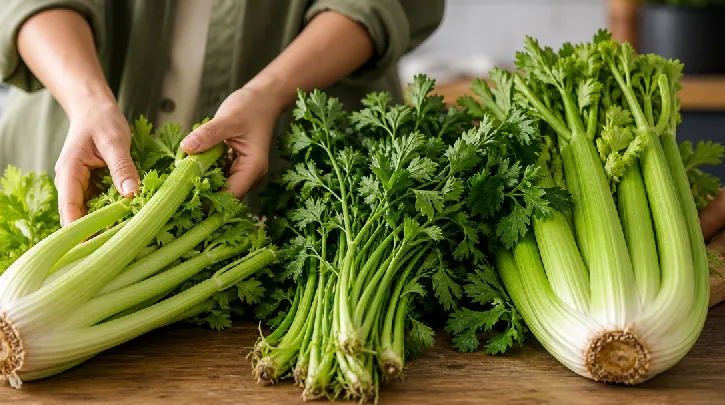
Choosing the right celery type depends on what you want to cook and how you plan to grow it. Stalk celery is best for crisp snacking and soups, celeriac excels in roasted dishes and purees, and leaf celery adds intense flavor to stocks and salads. If you garden in warm climates, look for heat-tolerant varieties like Tall Utah. For cooler regions, self-blanching types like Golden Self-Blanching reduce labor while still giving you tender stalks.
Celery often gets a bad reputation as a finicky crop. After years of growing it in my own backyard, I can tell you that the trick is matching the variety to your season and soil. When you get that right, homegrown celery tastes nothing like the bland supermarket sticks. It has a peppery, herbal punch that transforms everything from tuna salad to braised meats.
Understanding the Main Celery Types
Celery (Apium graveolens) comes in three main forms: stalk celery, celeriac, and leaf celery. Each has unique growing requirements and culinary uses. Gardeners and cooks often overlook the differences, which leads to disappointment.
Stalk Celery (Standard Celery)
This is the common celery you find in grocery stores. It forms long, ribbed stalks that are crisp and mild. Most commercial varieties are green, but some heirlooms blush pink or gold. Tall Utah 52-70 is a reliable standard for home gardens. It resists disease and produces thick, straight stalks. Conquistador is another popular choice, known for its strong root system and bolt resistance.
Stalk celery requires plenty of water and a long, cool growing season. It can take up to 140 days from transplant to harvest. Many beginners struggle with bitterness and toughness. The secret is consistent moisture and moderate temperatures below 75°F. If heat spikes, the stalks become stringy and bitter.
Celeriac (Celery Root)
Celeriac is grown for its bulbous root, not the stalks. The root has a mild celery flavor with nutty undertones. It stores well and is a staple in European winter kitchens. Diamant is a smooth-skinned variety that produces large, uniform roots. Prinz is an early maturing type that works well in shorter seasons.
Celeriac is easier to grow than stalk celery. It tolerates more heat and requires less babying. The harvested roots can be stored for months in a cool, damp place. Use them in soups, roasts, or raw in salads with apple and lemon.
Leaf Celery (Chinese Celery)
Leaf celery has thin, hollow stalks and abundant, flavorful leaves. It is common in Asian cuisines. The leaves have a concentrated celery taste that stands up to stir-fries and braises. Kintsay is a traditional Philippine variety. Par Cel is a French heirloom bred for leaf production.
This type is the easiest to grow. It tolerates heat and humidity better than standard celery. You can harvest leaves individually, and the plant will keep producing for months. Use the leaves anywhere you would use fresh herbs: in soups, salads, and as a garnish.
Self-Blanching vs. Trenching Celery
Traditional celery requires blanching to reduce bitterness. Gardeners used to dig trenches and mound soil around the stalks. That process is labor-intensive and often leads to rot. Self-blanching varieties were developed to solve this. They grow upright and shade their own stalks, so no mounding is needed. Golden Self-Blanching is a classic example. It produces pale yellow, tender stalks with a mild flavor.
For home gardeners, self-blanching types are almost always the better choice. They save time and reduce the risk of disease. If you want deep green stalks, you can still grow trenching varieties like Giant Pascal. But be prepared for extra work and a longer growing season.
| Characteristic | Self-Blanching | Trenching |
|---|---|---|
| Blanching method | Natural shading from plant spacing | Mounding soil or wrapping stalks |
| Stalk color | Pale yellow to light green | Deep green (if not blanched) |
| Flavor | Mild, sweet | Stronger, more bitter |
| Time to harvest | 80–100 days from transplant | 100–140 days |
| Best for | Home gardens, beginner growers | Experienced gardeners, cooler climates |
How to Choose Celery for Your Garden
First, check your climate zone. Stalk celery needs a long, cool season with temperatures between 60°F and 70°F. If you live in the southern United States, choose heat-tolerant varieties like Utah 52-70R or Summer Pascal. These can handle a few days above 80°F without bolting.
Second, consider your soil. Celery is a heavy feeder. It needs rich, well-drained soil with plenty of organic matter. A soil pH between 6.0 and 7.0 is ideal. If your soil is heavy clay, grow celeriac instead. It copes with poor drainage better than stalk celery.
Third, decide how much time you have. Leaf celery matures in 60–70 days. Celeriac takes 90–110 days. Stalk celery can take 120–140 days. If you have a short growing season, start seeds indoors 10–12 weeks before the last frost. Use a heat mat to keep the soil at 70°F for germination.
Choosing Celery for Culinary Use
Different celery types shine in different dishes. Stalk celery is the workhorse of the kitchen. It forms the base of mirepoix, adds crunch to salads, and is a classic dipper for peanut butter or ranch. For raw eating, look for thick, juicy varieties like Ventura or Ta.
Celeriac is perfect for roasting. Peel and cube the root, toss with olive oil and thyme, then roast at 400°F until golden. The flavor becomes sweet and almost buttery. You can also grate it raw into a remoulade with mustard and mayonnaise. As chef Thomas Keller once said, “Celeriac is one of the most underappreciated vegetables in the American kitchen.” (Source: The French Laundry Cookbook)
Leaf celery is a secret weapon for stocks and soups. Add a handful of leaves to chicken broth for an instant flavor boost. You can also dry the leaves and use them as a seasoning. The stems are tough, so chop them finely or use them only for flavoring.
Growing Tips for Success
Start celery seeds indoors. They are tiny and slow to germinate. Sow them on the surface of moist seed-starting mix and keep them under grow lights. Do not cover the seeds with soil; they need light to germinate.
Transplant seedlings when they have five true leaves. Space them 8–10 inches apart for self-blanching types, or 12 inches for trenching varieties. Keep the soil consistently moist. A drip irrigation system works best. Mulch with straw or compost to retain moisture and keep roots cool.
Fertilize every two weeks with a balanced liquid fertilizer. Celery is a heavy feeder, especially for nitrogen. Watch for signs of nutrient deficiency: yellowing leaves mean too little nitrogen, while burnt leaf edges mean too much salt from fertilizer.
Common Problems and Solutions
Bolting (premature flowering) is the most common issue. It happens when temperatures drop below 50°F for several days, then spike. Use row covers to protect young plants from cold snaps. Choose bolt-resistant varieties like Giant Red or Monterey.
Blackheart is a calcium deficiency that causes the center of the plant to rot. It is often caused by uneven watering. Keep the soil consistently moist and avoid letting it dry out completely. Add lime to your soil if pH is below 6.0.
Pests include aphids, slugs, and carrot flies. Use floating row covers to exclude insects. Handpick slugs at night. Introduce beneficial insects like ladybugs for aphid control.
Harvesting and Storing Celery
Stalk celery is ready when the stalks are about 12 inches tall and the plant forms a tight rosette. Cut the entire plant at the base with a sharp knife. You can also harvest individual outer stalks, leaving the inner ones to grow.
Celeriac is ready when the root is 3–4 inches in diameter. Lift the roots carefully with a garden fork. Trim the celery leaves and store the roots in a refrigerator or a root cellar at 32–40°F with high humidity. They will keep for three to four months.
Leaf celery can be harvested continuously. Pick the largest leaves from the outside. Store fresh leaves in a plastic bag in the refrigerator for up to a week. You can also freeze them in ice cube trays with water for later use.
FAQ
What is the best celery for beginners to grow?
Self-blanching varieties like Golden Self-Blanching or Conquistador are easiest for beginners. They require less work and are more forgiving of imperfect conditions.
Can I grow celery from store-bought stalks?
Yes, you can regrow celery from the base of store-bought stalks. Place the cut end in shallow water for a week, then transplant to soil. Be aware that commercially grown varieties may not perform well in your climate.
Which celery type has the strongest flavor?
Leaf celery (Chinese celery) has the most intense celery flavor. Its leaves are much more potent than standard stalk celery. Use it sparingly in dishes where you want a strong celery note.
How do I prevent celery from becoming bitter?
Bitterness comes from stress, especially heat and drought. Keep the soil consistently moist, mulch around the plants, and harvest before temperatures consistently exceed 80°F. Self-blanching varieties also tend to be less bitter.
Can I substitute celeriac for stalk celery?
Not directly. Celeriac has a milder, nuttier flavor and a different texture. Use it in cooked dishes where you want a subtle celery note. For raw crunch, stick with stalk celery.
Conclusion
Selecting the right celery type transforms your garden and kitchen. Stalk celery gives you classic crunch for salads and snacks. Celeriac provides a versatile root vegetable that stores well. Leaf celery delivers intense flavor with minimal effort. Match your choice to your climate, soil, and cooking style. With the right variety and a little care, you can enjoy homegrown celery that rivals anything from the store.
Disclaimer: This article provides general gardening advice based on common practices. Results may vary depending on your local climate, soil conditions, and specific variety. Always consult with your local extension office for region-specific recommendations.
