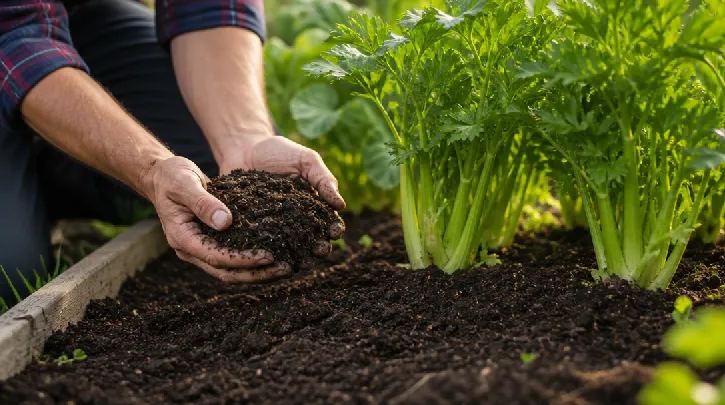
Achieving a thriving celery harvest hinges almost entirely on understanding and optimizing its unique soil preferences. Many gardeners face the frustration of stringy stalks, bitter flavors, or stunted growth, often unaware that the root of these issues lies beneath the surface, in less-than-ideal celery soil requirements. By mastering the fundamentals of soil composition, nutrient balance, and moisture management, you can cultivate crisp, flavorful celery that makes every effort worthwhile.
Understanding Celery’s Core Soil Needs
Celery, botanically known as Apium graveolens, is a fascinating biennial plant typically grown as an annual for its tender celery stalks. It possesses a shallow but wide-spreading root system, which dictates its preference for specific soil conditions. Unlike many vegetables that can tolerate a range of environments, celery demands a highly fertile, moisture-retentive, yet well-draining soil to truly flourish. Its natural habitat, historically in boggy or wetland areas, underscores its need for consistent moisture, but never waterlogging.
The Foundation: Loamy Texture and Organic Matter
The best soil for celery is a loamy texture. This ideal soil type strikes a crucial balance, combining sand, silt, and clay particles to provide adequate aeration while also retaining essential moisture and nutrients. Loamy soil prevents the compaction that can suffocate celery’s roots, which require access to oxygen for healthy development.
A significant component of this rich soil celery craves is organic matter. Incorporating generous amounts of compost, well-aged manure, or worm castings enriches the soil, supplying a steady stream of nutrients that celery, as a “heavy feeder,” readily consumes. Organic matter also dramatically improves both drainage in heavy soils and water retention in sandy soils, creating a more hospitable environment for vigorous growth.
Why Celery Craves Consistent Moisture
Celery is approximately 95% water, which explains its exceptional thirst. Consistent soil moisture is arguably the single most critical factor in cultivating tender, juicy celery stalks, preventing them from becoming stringy, tough, or bitter. Any water stress, even for short periods, can lead to undesirable texture and flavor.
Despite its need for constant moisture, celery’s roots require oxygen, meaning the soil must be well-draining to prevent waterlogging. Tools like drip irrigation systems or soaker hoses are highly effective for delivering the 1 to 2 inches of water per week that celery typically needs, especially during dry periods. Applying a layer of organic mulch around plants can also help conserve soil moisture and regulate soil temperature.
Optimal pH for Thriving Celery Growth
The celery pH level is another critical factor for nutrient availability. Celery prefers a slightly acidic to neutral soil pH, typically ranging between 6.0 and 7.0. Some sources even suggest a narrower ideal range of 5.8 to 6.8 or 6.3 to 6.5 for optimal growth.
Operating outside this range can hinder the plant’s ability to absorb essential nutrients, even if they are present in the soil. For instance, in highly alkaline soils, certain micronutrients might become unavailable. A soil test is the most accurate way to determine your current pH level and receive recommendations for adjustment.
Preparing Your Soil for a Bountiful Celery Harvest
Successful celery cultivation begins long before a single celery seed is sown or a seedling is planted. Proper soil preparation is foundational, setting the stage for healthy root development and robust stalk production.
Starting with a Soil Test
Before making any significant amendments, I always recommend a comprehensive soil test. This inexpensive step provides a detailed analysis of your soil’s current pH, nutrient levels (macronutrients and micronutrients), and even its texture. Your local university extension center can perform this service for a nominal fee and offer tailored recommendations based on your results. Guessing at your soil’s needs is a recipe for frustration and wasted effort.
Amending for Enhanced Fertility and Drainage
Once you understand your soil’s composition, you can amend it strategically. To create the ideal rich soil celery thrives in, incorporate 2 to 4 inches of well-aged compost or manure into the top 6 to 12 inches of your garden bed. This not only boosts fertility but also significantly improves soil structure, enhancing both drainage and moisture retention.
For particularly heavy clay soils that retain too much water, adding coarse materials like perlite or pine bark can improve drainage. Vermiculite is another excellent amendment that helps with both drainage and moisture retention, making it a valuable addition to many soil types. Avoid adding sand to heavy clay soil alone, as this can sometimes create a concrete-like consistency; instead, rely on organic matter and other coarse amendments.
If your soil pH falls outside the optimal 6.0-7.0 range, amendments can help. To raise pH in acidic soil, incorporate agricultural lime. To lower pH in alkaline soil, add elemental sulfur or peat moss. Remember that pH adjustment is a gradual process, often taking several months to show full effects, so plan accordingly.
Cultivation Techniques for Root Development
Celery has a shallow root system, typically extending only a few inches deep, but it spreads widely. This means the top layer of soil needs to be loose and welcoming. Loosen the soil to a depth of at least 12 to 15 inches with a garden fork or tiller before planting. This deep loosening encourages roots to establish quickly and access nutrients more easily.
During the growing season, shallow cultivation is beneficial for weed control and to keep the soil surface loose. However, exercise caution to avoid disturbing the delicate, shallow roots of celery plants. Organic mulches are a superior alternative, suppressing weeds while also conserving moisture and regulating soil temperature.
Essential Nutrients: Feeding Your Celery Properly
As a “heavy feeder,” celery requires a consistent supply of nutrients throughout its long growing season to produce crisp, succulent stalks. Understanding its nutritional demands is key to a successful harvest.
Macronutrients: NPK for Lush Stalks
Celery has a high demand for the primary macronutrients: Nitrogen (N), Phosphorus (P), and Potassium (K). A balanced fertilizer with equal parts of these, such as a 10-10-10 blend, is often recommended as a starting point.
- Nitrogen (N): Crucial for lush, leafy growth. Celery requires significant nitrogen, reportedly about 200 units for optimal growth, which is double that of many other crops. Its nitrogen demand is low initially but increases rapidly about 25 days after transplanting. It’s often more efficient to apply most nitrogen as side-dressings during the growth phase.
- Phosphorus (P): Important for strong root development and overall plant vigor. While celery needs phosphorus, its demand is somewhat less intense than for nitrogen and potassium.
- Potassium (K): Essential for strong stalks, disease resistance, and stress tolerance. Celery has a very high demand for potassium, requiring up to 500 pounds per acre in commercial settings, and responds well to potassium fertilization even when soil levels are already high.
For home gardeners, applying a balanced vegetable food or a 5-10-10 fertilizer about a month after planting, and then side-dressing with compost or a liquid feed every few weeks, often works well.
Micronutrients: The Trace Elements That Matter
Beyond NPK, several micronutrients are vital for celery’s health and quality, though required in smaller quantities. Calcium and boron are particularly essential. Calcium supports strong cell structure and nutrient movement, and its deficiency, often exacerbated by inconsistent moisture, can lead to “black heart,” a condition where the center of the plant turns black and mushy. Boron also plays a role in preventing stalk cracking and promoting healthy growth. Other important trace minerals contribute to overall plant health and disease resistance.
Organic Fertilizers vs. Synthetic Options
Both organic fertilizers and synthetic fertilizers can feed celery effectively, and each has trade-offs.
| Type of Fertilizer | Pros | Cons |
|---|---|---|
| Organic (Compost, Manure, Fish Emulsion) | Improves soil structure; releases nutrients slowly and steadily; supports soil microbiome; less risk of over-fertilization. | Nutrient concentrations can be variable; may be slower to show immediate effects; requires larger quantities. |
| Synthetic (Granular, Liquid) | Precise nutrient ratios; fast-acting for quick boosts; readily available in many formulations. | Can lead to salt buildup if over-applied; potential for nutrient runoff; does not improve soil structure; higher risk of “burning” plants if misused. |
Many experienced gardeners use a combination, relying on organic matter for long-term soil health and a balanced synthetic fertilizer for targeted boosts during peak growth. Regardless of the choice, always follow package instructions to avoid over-fertilization, which can lead to excessive leaf growth, reduced flavor, or even plant damage.
Common Soil Problems and How to Solve Them
Even with the best intentions, gardeners can encounter soil-related issues that hinder celery growth. Recognizing and addressing these problems promptly is crucial for a successful harvest.
Compaction: The Enemy of Celery Roots
Soil compaction occurs when soil particles are pressed together, reducing the pore space necessary for air and water movement. Celery’s shallow roots are particularly vulnerable to compaction, which can starve them of oxygen and inhibit nutrient uptake. Symptoms include stunted growth and poor plant vigor.
Solutions:
- Manual Loosening: For smaller beds, use a broadfork or garden fork to gently loosen the soil to a depth of 12-15 inches before planting. This creates air pockets and improves drainage.
- Organic Matter: The most effective long-term solution is to consistently incorporate organic matter like compost. It improves soil structure, creating aggregates that resist compaction.
- Avoid Foot Traffic: Design your garden to minimize walking on planting beds, especially when the soil is wet.
- Cover Crops: Planting cover crops in off-seasons can help break up compacted soil with their root systems and add organic matter when tilled in.
Nutrient Deficiencies: Identifying and Correcting
Despite adequate fertilization, nutrient deficiencies can arise due to incorrect pH, poor root health, or nutrient leaching.
- Nitrogen Deficiency: Characterized by yellowing older leaves, starting from the tips. Celery’s heavy nitrogen needs mean this can occur if feeding is inconsistent.
- Potassium Deficiency: Symptoms include yellowing or browning along the edges of older leaves, sometimes with weak stalks.
- Calcium Deficiency (Black Heart): As mentioned, this causes the inner leaves and growing points to turn black and rot. It’s often linked to inconsistent moisture which prevents calcium uptake, rather than a lack of calcium in the soil.
- Boron Deficiency: Can lead to cracked stalks or brittle petioles.
Solutions:
- Soil Test: Re-test your soil to confirm nutrient levels and pH.
- Adjust pH: Ensure your soil pH is within the optimal 6.0-7.0 range to maximize nutrient availability.
- Balanced Fertilization: Apply a balanced fertilizer, or specific amendments for confirmed deficiencies, according to soil test recommendations. For calcium, ensure consistent watering, as uptake is moisture-dependent.
- Foliar Feeding: For quick nutrient boosts, especially for micronutrients, foliar sprays can be effective, allowing plants to absorb nutrients directly through their leaves.
Waterlogging and Poor Drainage
While celery needs consistent moisture, it will not tolerate waterlogged conditions. Poorly draining soil deprives roots of oxygen, leading to root rot and making plants susceptible to fungal diseases like Septoria spot, which thrives in persistently wet conditions.
Solutions:
- Incorporate Organic Matter: Again, compost is your best friend. It improves the structure of heavy clay soils, making them more porous and improving water infiltration.
- Add Coarse Amendments: Perlite, vermiculite, or aged pine bark fines can significantly improve drainage in heavy soils.
- Raised Beds: Constructing raised garden beds is an excellent solution for areas with inherently poor drainage. Filling them with a custom blend of well-draining, nutrient-rich soil creates an ideal environment.
- Improve Site Selection: Choose a garden spot with naturally better drainage, or one that can be easily amended.
Advanced Strategies for Maximizing Celery Vigor
Beyond the basics, several advanced gardening practices can further optimize your celery growing conditions, leading to healthier plants and more abundant yields.
Crop Rotation for Soil Health
Practicing crop rotation is a fundamental principle of sustainable gardening that benefits celery indirectly. Avoid planting celery in the same spot year after year. Rotating celery with other crops helps prevent the buildup of soil-borne pests and diseases specific to the celery family (Umbelliferae) and reduces the depletion of specific nutrients.
A good rotation might involve following a legume crop (like peas or beans) which can fix nitrogen into the soil, or planting celery after brassicas or root vegetables. This practice maintains overall soil health and fertility, creating a more resilient growing environment over time.
Companion Planting Benefits
Strategic companion planting can enhance celery’s growth by deterring pests or attracting beneficial insects. Good companions for celery include lettuce, spinach, and garden peas. These plants have similar needs for moisture and rich soil but do not compete aggressively for the same resources or attract the same pests.
Conversely, some plants can hinder celery’s growth. Avoid planting celery near pumpkins, squash, or cucumbers, as these may compete for nutrients or moisture. Observing how different plant combinations perform in your specific garden can also provide valuable insights.
Raised Beds and Container Growing Considerations
For gardeners facing challenging native soil conditions, raised beds or container growing offer excellent control over the soil environment. Celery’s shallow root system makes it well-suited for these methods.
- Raised Beds: Building a raised bed allows you to create an entirely new soil profile, filling it with an optimal blend of compost, loamy soil, and amendments for excellent drainage and fertility. This is particularly advantageous in areas with heavy clay or rocky native soil. Ensure the bed is deep enough, at least 12-15 inches, to accommodate root growth.
- Container Growing: If space is limited, celery can thrive in containers. Choose pots at least 8-10 inches wide to allow roots room to spread. Use a high-quality potting mix enriched with compost and consider adding perlite or vermiculite for improved drainage and moisture retention. Container-grown celery will require more frequent watering and feeding due to the smaller soil volume.
In both raised beds and containers, the principles of rich soil celery, consistent moisture, and optimal pH remain paramount. These controlled environments allow you to precisely tailor the conditions to celery’s exact preferences.
Frequently Asked Questions About Celery Soil
What is the ideal soil type for celery?
Celery thrives in a rich, fertile, loamy soil that is high in organic matter. This ideal texture provides good aeration while still retaining consistent moisture without becoming waterlogged.
How often should I fertilize celery?
Celery is a heavy feeder and benefits from consistent nutrient supply. After incorporating compost at planting, apply a balanced vegetable fertilizer about 4-6 weeks after transplanting, and then continue with side-dressings of compost or liquid fertilizer every 3-4 weeks throughout its long growing season.
Can celery grow in clay soil?
Celery can grow in clay soil, but it’s not ideal. Heavy clay can lead to poor drainage and compaction, suffocating its shallow roots. To improve clay soil for celery, thoroughly amend it with large quantities of organic matter like compost, and consider adding coarse materials such as perlite or pine bark fines to enhance drainage.
What are signs of nutrient deficiency in celery?
Common signs include yellowing older leaves (nitrogen deficiency), yellowing or browning leaf edges (potassium deficiency), and blackening of the inner heart of the plant (calcium deficiency, often due to inconsistent watering). Stunted growth and weak stalks can indicate overall nutrient stress.
Is compost good for celery?
Yes, compost is excellent for celery. It enriches the soil with essential nutrients, improves soil structure, enhances both drainage and moisture retention, and supports a healthy soil microbiome. Incorporating 2 to 4 inches of well-aged compost before planting is a highly recommended practice.
Cultivating crisp, flavorful celery at home is highly achievable when you understand its specific preferences for a well-prepared soil environment. By focusing on a rich, loamy texture packed with organic matter, maintaining consistent moisture without waterlogging, and ensuring the correct pH level, you provide the optimal foundation for robust growth. Regular feeding, vigilant monitoring for common issues, and strategic use of advanced techniques like raised beds will reward your efforts with abundant, high-quality stalks from your own garden.
