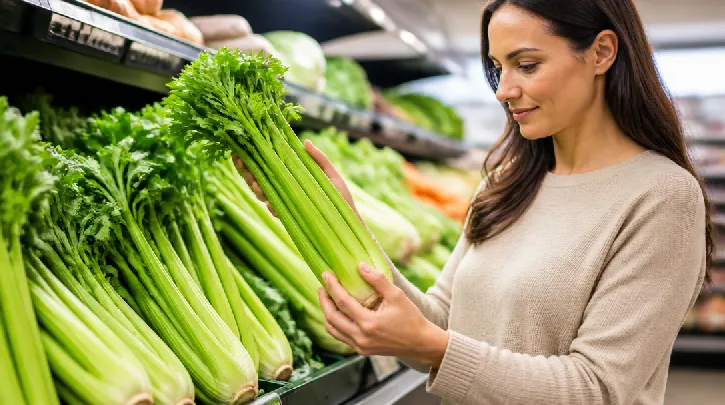
Selecting fresh celery at the grocery store might seem simple, but knowing exactly what to look for ensures you bring home the crispest, most flavorful stalks. To pick the freshest celery, focus on three key indicators: the color should be vibrant green, the stalks must be firm and rigid with a distinct snap, and the overall aroma should be mild and earthy. Avoiding limpness, discoloration, or a strong, off-putting smell will guarantee top quality for your culinary needs.
Understanding these simple cues can transform your cooking. Celery plays many roles, from the crunchy backbone of a mirepoix to a refreshing snack on its own. Its unique flavor and texture are crucial in dishes, making the right selection paramount for both taste and longevity in your refrigerator.
Why Freshness Matters: The Celery Experience
The difference between fresh and aging celery is immediately noticeable. Fresh celery offers a clean, slightly salty, and subtly peppery taste with an unmistakable crunch. This crisp texture is essential for salads, stir-fries, and as a raw dipping vegetable. Stale celery, however, becomes soft, stringy, and develops a muted flavor that lacks the vibrant essence needed for many recipes.
Beyond taste and texture, freshness impacts celery’s nutritional value. While celery is largely water, it still contains vitamins K and C, folate, and potassium, along with dietary fiber. These nutrients are best preserved when the vegetable is at its peak freshness, making your selection process crucial for maximizing health benefits and culinary enjoyment.
The Visual Cues: What to Look For
Your eyes are the first line of defense in choosing good celery. Learning to read the visual signals can save you from disappointing purchases.
Color: A Spectrum of Green
The ideal color for fresh celery is a uniform, vibrant, medium to dark green. This rich green hue indicates the plant is healthy and recently harvested. It’s a clear sign of vitality and good chlorophyll content.
Avoid stalks that show signs of yellowing, pale patches, or brownish spots. Yellowing often signals that the celery is old, has lost moisture, or has been exposed to too much light, leading to a loss of flavor and crispness. Brown spots or streaks can indicate bruising, dehydration, or the beginning of spoilage.
Stalk Firmness: The Snap Test
The firmness of celery stalks is perhaps the most reliable indicator of freshness. When you gently bend a stalk, it should resist and then snap cleanly with an audible crack. This satisfying snap is due to high turgor pressure within the plant cells, meaning the cells are full of water, keeping the celery firm and crisp.
If the celery bends easily, feels rubbery, or has a limp quality, it indicates significant moisture loss. These stalks will be stringy, less flavorful, and lack the desired crunch. While some limp celery can be revived in ice water, starting with firm stalks ensures the best quality and longest shelf life.
Leaf Condition: Beyond the Stalks
Don’t overlook the leaves attached to the celery head. Fresh celery will have bright green leaves that appear lively and unwilted. These small, tender leaves, often found closer to the heart of the celery, are edible and pack a more concentrated celery flavor. They can be a delightful addition to salads, soups, or as a garnish.
If the leaves are yellow, browned, dried out, or show signs of sliminess, it’s a strong indication that the celery is past its prime. Wilting leaves suggest dehydration and age, while sliminess points to bacterial spoilage. Even if the stalks look somewhat acceptable, poor leaf quality is a red flag.
The Tactile and Olfactory Clues: Feel and Smell
After a visual inspection, engage your sense of touch and smell. These can confirm or deny your initial assessment.
Texture: Smooth and Unblemished
Run your fingers along the stalks. Fresh celery should feel smooth and firm to the touch, without any obvious ridges or excessive stringiness on the exterior. Look for a uniform texture across the entire stalk. You should not feel any soft spots, mushy areas, or noticeable sliminess, which are all signs of spoilage.
Examine the base of the celery head where the stalks connect. It should be clean, firm, and free from dark spots or decay. Any discoloration or softness at the base means the entire head is likely deteriorating.
Aroma: The Scent of Freshness
Good quality celery has a subtle, earthy, and clean aroma. It should smell like fresh vegetables, perhaps with a hint of its characteristic mild, aromatic scent. This pleasant, understated fragrance indicates a healthy and fresh product.
Strong, sour, musty, or unpleasant odors are definite indicators of spoilage. Celery that smells ‘off’ has begun to decompose, and its flavor will be similarly compromised. Always trust your nose; if it doesn’t smell right, it isn’t right.
Common Celery Pitfalls to Avoid
Knowing what to avoid is as important as knowing what to look for when selecting celery.
Limpness and Bending
The most common issue with older celery is limpness. This happens when the celery stalks lose their internal water content, reducing the turgor pressure that keeps them crisp. Limp celery will bend rather than snap when gentle pressure is applied. While sometimes you can revive slightly limp celery by soaking it in ice water for a short period, it will never fully regain the crispness of truly fresh stalks. It’s always best to start with firm celery.
Discoloration and Blemishes
Keep an eye out for any unusual colors. Beyond general yellowing, specific brown or black spots, especially near the top or base of the stalks, suggest bruising, decay, or even mold. These areas are not just unappealing; they indicate that the celery’s quality and safety are compromised. Also, check the inner channels of the stalks; sometimes discoloration can start there and spread.
Sliminess or Mushy Texture
This is a clear and undeniable sign of spoilage. If any part of the celery feels slimy or mushy, it has begun to break down due to bacterial activity. This celery is no longer safe or pleasant to eat and should be discarded immediately. Sliminess often comes with a strong, unpleasant odor, reinforcing that it’s time to move on to a fresh batch.
Organic vs. Conventional Celery: What’s the Difference at the Store?
When choosing celery, you’ll often encounter both conventional and organic options. The decision between the two often comes down to personal preference, budget, and concern over pesticide residues.
Celery consistently ranks high on the Environmental Working Group’s (EWG) “Dirty Dozen” list, which identifies produce with the most pesticide residues. This fact often leads consumers to consider organic celery. Organic celery is grown without synthetic pesticides, herbicides, or fertilizers, adhering to USDA organic standards. Conventional celery, while still safe to eat after proper washing, may have detectable levels of these substances.
In terms of appearance, there is usually little visual difference between fresh organic and conventional celery. Both should exhibit the same signs of freshness: vibrant green color, firm stalks, and fresh leaves. However, organic produce can sometimes appear slightly smaller or less uniform due to different growing practices.
Here’s a comparison of organic versus conventional celery:
| Feature | Organic Celery | Conventional Celery |
|---|---|---|
| Pesticide Use | Grown without synthetic pesticides. | May be grown with synthetic pesticides. |
| Price | Typically higher. | Generally lower. |
| Appearance | Similar to conventional, sometimes less uniform. | Consistent appearance, often larger. |
| Certification | USDA Organic certified. | No specific organic certification. |
| “Dirty Dozen” | Generally lower pesticide residue concern. | Consistently on the “Dirty Dozen” list. |
Handling Celery at the Store and Home: Preservation Tips
Proper handling starts the moment you select your celery and continues until you’re ready to use it. This practice ensures maximum freshness and longevity.
When selecting celery, whether it’s a whole head or pre-cut stalks, always choose bunches that are tightly packed and robust. If buying a whole head, the outer stalks protect the tender inner ones. Pre-cut stalks are convenient but often have a shorter shelf life because more surface area is exposed to air.
Once home, proper storage is critical. “To keep celery at its freshest, wrap it tightly in aluminum foil before storing it in the crisper drawer of your refrigerator,” advises Dr. Sarah Peterson, a food science researcher at Cornell University. “The foil allows the ethylene gas to escape while maintaining moisture, preventing limpness for up to several weeks.” Avoid storing celery in plastic bags, as these trap ethylene gas, which accelerates ripening and spoilage. Before using, wash celery thoroughly under cold running water, scrubbing any dirt from the grooves of the stalks.
The Nutritional Power of Fresh Celery
Celery is often praised for being a low-calorie food, but it offers more than just crunch and water content. It’s a surprisingly nutritious vegetable that can contribute significantly to a healthy diet.
A single cup of chopped celery contains only about 14 calories but provides essential vitamins and minerals. It’s an excellent source of vitamin K, important for blood clotting and bone health, and a good source of vitamin C, an antioxidant. Celery also provides folate, potassium, and a notable amount of dietary fiber, which aids digestion and promotes satiety. Its high water content—about 95%—makes it incredibly hydrating.
In the United States, celery is a popular vegetable, with an average American consuming approximately 5.8 pounds of fresh celery annually. This widespread consumption highlights its versatility and appeal in various dishes, from raw snacks to cooked meals, contributing both flavor and health benefits.
FAQ
Can I revive limp celery?
Yes, you can often revive slightly limp celery by cutting off the very end of the stalks and placing them in a container of ice water for 30 minutes to a few hours. This allows the celery to reabsorb water and regain some of its crispness, though it might not be as firm as freshly bought celery.
What does good celery smell like?
Fresh, good quality celery should have a mild, earthy, and clean aroma. It should smell subtly vegetal and fresh, without any strong or unpleasant odors. A strong, sour, or musty smell indicates spoilage.
Are celery leaves edible?
Absolutely! Celery leaves are not only edible but also highly flavorful. They have a more concentrated celery taste than the stalks and can be used in salads, soups, stocks, or as a garnish. The small, tender inner leaves are particularly delicious.
How long does fresh celery last in the fridge?
When stored properly, tightly wrapped in aluminum foil in the crisper drawer of your refrigerator, fresh celery can last for up to two to four weeks. If stored in a plastic bag, its shelf life is typically shorter, often only about one week.
Is organic celery always better?
The “better” choice depends on your priorities. Organic celery is grown without synthetic pesticides, which may be a concern for some consumers given celery’s high ranking on the “Dirty Dozen” list. Nutritionally, there’s little evidence to suggest a significant difference between organic and conventional celery. Choose based on your preference for pesticide exposure and budget.
Conclusion
Mastering the art of selecting fresh celery is a valuable skill for any home cook. By paying close attention to its vibrant green color, the unmistakable crispness of its stalks, the health of its leaves, and its fresh, clean aroma, you can consistently bring home the best quality produce. This attention to detail not only elevates the taste and texture of your dishes but also ensures you’re getting the most nutritional value and longest shelf life from your celery. Armed with these practical tips, you’re ready to confidently pick the perfect bunch every time.
Explore Related Content
- Gardening resources
- Vegetables
- How to Grow Celery in Pots: Fresh, Crisp Stalks from Your Balcony Garden
- What to Plant Next to Celery: Boost Your Harvest with Smart Companion Planting
- Do Celery Need Full Sun? Unlock the Secret to Thriving Stalks and Bountiful Harvests
- Does Celery Freeze? The Ultimate Guide to Preserving Your Crispy Stalks
- Are Celery and Rhubarb Related? Unpacking the Botanical Differences
