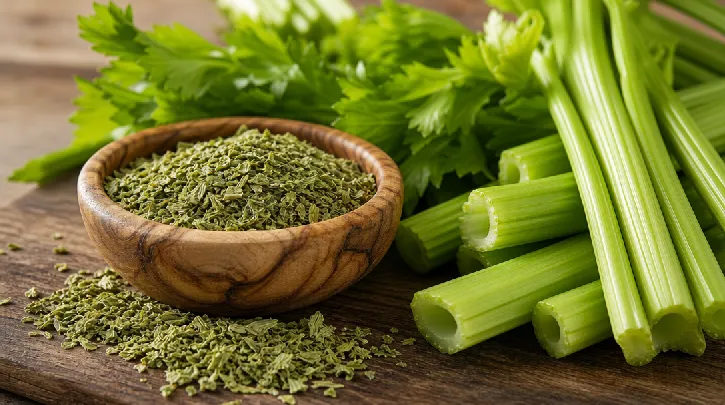
Tired of limp celery in the crisper or wondering if those dried celery flakes in the pantry actually have a place in your cooking? Many home cooks face the dilemma of choosing between fresh and dried celery, often unsure which form delivers the best results for specific dishes. Understanding the distinct characteristics and ideal dried celery uses for both forms can revolutionize your kitchen efficiency and the flavor profiles of your dishes, saving you money and maximizing taste.
Understanding Your Celery Choices for Optimal Flavor
The choice between fresh and dried celery extends beyond mere convenience. Each form offers unique attributes in terms of flavor intensity, texture, and application in recipes. A true kitchen expert knows when to reach for the crisp, vibrant stalks and when to deploy the concentrated power of celery flakes, ensuring every dish benefits from the right ingredient.
Fresh Celery: The Crisp Foundation of Flavor
Fresh celery, scientifically known as Apium graveolens, is a member of the parsley family. It is recognized for its long, fibrous stalks, vibrant green leaves, and a distinctively crisp texture. This raw vegetable provides a refreshing, slightly bitter, and subtly peppery flavor profile that is essential in many culinary traditions. The high water content in fresh celery contributes significantly to its signature crunch and makes it a popular component in salads, crudités, and as a low-calorie snack.
Beyond its culinary appeal, fresh celery offers a range of nutritional advantages. It is an excellent source of vitamins K and C, and a good source of folate and potassium. According to the United States Department of Agriculture (USDA), a single cup of chopped celery provides dietary fiber and a minimal amount of calories, making it a valuable addition to a balanced diet. The natural compounds present in fresh celery, such as antioxidants and phytonutrients, also contribute to its overall health benefits. The versatility of fresh celery makes it a staple for everything from mirepoix to garnishes.
Dried Celery Flakes: A Pantry Powerhouse
Dried celery flakes are essentially fresh celery that has undergone a dehydration process. This process removes the water content, concentrating the celery’s flavor and extending its shelf life significantly. Typically, the stalks and sometimes the leaves are washed, chopped, and then dried using methods like air drying, freeze-drying, or conventional oven drying. The resulting flakes are lightweight, shelf-stable, and retain much of celery’s characteristic aroma and taste, albeit in a more intense form.
The primary advantage of dried celery flakes lies in their convenience and longevity. Unlike fresh celery, which can wilt or spoil rapidly in the refrigerator, dried flakes can be stored in an airtight container for months, or even years, without losing their potency. This makes them an invaluable ingredient for emergency food supplies, camping meals, or simply for home cooks who want to always have celery on hand without worrying about spoilage. The flavor, while concentrated, is distinct and offers a different dimension to dishes compared to its fresh counterpart.
Flavor, Texture, and Nutritional Profiles: A Head-to-Head Comparison
When evaluating fresh vs dried celery, a direct comparison reveals key differences that influence their best culinary applications. Understanding these distinctions is crucial for achieving optimal results in your cooking.
Flavor Nuances and Intensity
Fresh celery has a bright, somewhat herbaceous, and slightly bitter taste with a refreshing quality. Its high water content mellows its flavor, allowing it to blend seamlessly into dishes while offering a subtle background note. Dried celery flakes, by contrast, possess a much more concentrated and potent flavor. The drying process removes water, intensifying the natural sugars and volatile compounds. This results in a stronger, earthier, and sometimes slightly sweeter or saltier profile. If you substitute dried celery for fresh in a 1:1 ratio without adjustment, the dried version will overpower your dish.
Textural Contributions to Dishes
Texture is perhaps the most obvious difference. Fresh celery is prized for its crisp, crunchy bite, which adds a refreshing contrast to many dishes. This crunch is vital in salads, stir-fries, and as a raw snack. Once cooked, fresh celery softens but still retains some structural integrity. Dried celery flakes, on the other hand, are brittle before rehydration. Even after rehydrating, they rarely achieve the crispness of fresh celery. They tend to have a softer, more pliable texture, similar to cooked diced vegetables, making them ideal for dishes where a tender texture is desired, like soups and stews.
Nutritional Differences and Similarities
While the drying process removes water, it does not drastically alter the fundamental nutritional composition. Both fresh and dried celery offer vitamins, minerals, and fiber. However, due to the concentration, a smaller quantity of dried celery flakes might contain a higher concentration of certain nutrients by weight compared to the same weight of fresh celery. Conversely, some heat-sensitive vitamins, like Vitamin C, can be partially diminished during the drying process, depending on the method used. Overall, both forms contribute valuable nutrition, but fresh celery, consumed raw, often provides a broader spectrum of delicate nutrients and hydration.
Shelf Life and Storage Considerations
This is where dried celery flakes truly shine. Fresh celery has a relatively short shelf life, typically lasting about one to two weeks in the refrigerator, and it can quickly lose its crispness and develop a rubbery texture. Proper storage in the crisper drawer can extend its life slightly, but spoilage is inevitable. Dried celery flakes, when stored in an airtight container in a cool, dark place, can last for one to two years, making them an excellent long-term storage solution. This extended shelf life makes dried celery benefits clear for those aiming to reduce food waste and always have ingredients on hand.
| Feature | Fresh Celery | Dried Celery Flakes |
|---|---|---|
| Flavor | Bright, herbaceous, subtle, slightly bitter | Concentrated, earthy, more intense, sometimes sweeter/saltier |
| Texture | Crisp, crunchy, high water content, softens when cooked | Brittle when dry, soft and pliable when rehydrated, no crispness |
| Best Uses | Salads, crudités, stir-fries, garnishes, quick sauté, mirepoix | Soups, stews, casseroles, sauces, slow-cooked dishes, dressings |
| Rehydration | Not applicable | Required for texture, optional for flavor |
| Shelf Life | 1-2 weeks (refrigerated) | 1-2 years (airtight, cool, dark) |
| Storage | Refrigerator crisper | Airtight container, pantry |
Cooking with Fresh Celery: Versatility in Every Stalk
Fresh celery’s versatility is a hallmark of many cuisines. Its crisp texture and refreshing flavor make it indispensable in a variety of dishes. For raw applications, consider using it in:
- Salads: From a simple Waldorf salad to a complex chicken salad, the crunch of fresh celery provides essential texture and a clean flavor counterpoint.
- Crudités: Paired with dips like hummus or blue cheese dressing, fresh celery is a classic healthy snack.
- Sandwiches: Thinly sliced celery adds a satisfying crunch to tuna, egg, or chicken salad sandwiches.
When it comes to cooked dishes, fresh celery serves as a foundational aromatic. It is a critical component of a traditional French mirepoix (celery, onions, carrots) and Cajun holy trinity (celery, onions, bell peppers). For these applications, the celery is typically sautéed until softened, releasing its aromatic compounds to build a rich flavor base. It’s also excellent in quick stir-fries, where it can retain some of its crispness, and in stuffings for poultry, adding moisture and a distinct herbaceous note. I often find that when making a quick sauté, fresh celery’s mild flavor integrates better without overwhelming other ingredients.
Unlocking the Potential of Cooking with Dried Celery
Cooking with dried celery opens up a world of convenience, especially for dishes that benefit from a concentrated celery flavor without needing the fresh crunch. The key to successful cooking with dried celery flakes is understanding how to properly rehydrate them and integrate their intensified flavor.
Rehydration Techniques for Dried Celery Flakes
For most applications where you want a tender, cooked celery texture, rehydration is essential. Simply cover the dried flakes with hot water or broth and let them sit for 10-15 minutes, or until softened. Drain any excess liquid before adding them to your dish. For dishes with ample cooking liquid, like soups or stews, you can often add the dried flakes directly without rehydration; they will absorb liquid as the dish cooks, plumping up and infusing the broth with their flavor. This is a common practice for many dried vegetables.
Ideal Dried Celery Uses in Recipes
Dried celery flakes truly excel in long-simmered dishes where their robust flavor can meld beautifully with other ingredients. Some prime examples for celery flakes in recipes include:
- Soups and Stews: From hearty beef stew to classic chicken noodle soup, dried celery adds a consistent, deep celery flavor without the need for chopping fresh stalks. They practically melt into the broth, providing body and aroma.
- Casseroles and Bakes: Think tuna casserole, green bean
casserole, or any baked dish requiring a savory vegetable component. The rehydrated flakes integrate well and distribute flavor evenly. - Stocks and Broths: For homemade vegetable or chicken stock, dried celery provides an excellent, readily available source of celery flavor, especially when fresh isn’t on hand.
- Dressings and Marinades: Finely crushed dried celery flakes can add a subtle, savory kick to homemade salad dressings or marinades, particularly for roasted meats.
- Stuffings: In Thanksgiving stuffing or other savory bread puddings, rehydrated dried celery can replace fresh, contributing flavor and moisture.
In my experience, dried celery also shines in dishes where you’re looking for an umami boost. It’s fantastic in ground meat mixtures, like meatloaf or meatballs, where the rehydrated flakes blend seamlessly and contribute depth.
Substituting Celery: When and How to Make the Switch
Knowing how to substitute dried celery for fresh, and vice versa, is a valuable skill for any cook. The conversion ratio is not 1:1 due to the concentrated flavor and lack of water in the dried form.
Converting Dried Celery for Fresh
As a general rule for substituting dried celery, 1 tablespoon of dried celery flakes is equivalent to about 1 cup of chopped fresh celery. This ratio accounts for both the rehydration and the intensified flavor. However, I often start with slightly less dried celery (e.g., 2 teaspoons) if I’m unsure, especially in a delicate dish, and then adjust to taste. Remember to rehydrate the flakes before adding them to dishes that don’t have enough liquid or cooking time for them to soften naturally.
Converting Fresh Celery for Dried
If a recipe calls for dried celery flakes and you only have fresh, you’ll need to chop the fresh celery very finely to mimic the texture, and be aware that the flavor will be milder. Roughly, 1 cup of finely chopped fresh celery can be substituted for 1 tablespoon of dried celery flakes. You’ll also likely need to cook it longer to soften it adequately, especially if the recipe is for a slow-cooked dish where dried flakes would typically absorb liquid over time. For maximum flavor, you might even consider adding a bit more fresh celery than the direct conversion suggests.
Scenarios for Strategic Substitution
I would typically substitute dried celery when:
- I need celery flavor but don’t have fresh on hand, or don’t want to buy a whole bunch for a small amount.
- I’m making a long-simmered soup, stew, or stock where the texture of fresh celery isn’t paramount, and the concentrated flavor of dried celery is desirable.
- I’m preparing a dehydrated meal for camping or emergency use.
Conversely, I would stick with fresh celery when:
- The crisp texture is a crucial element, such as in salads, stir-fries, or as a garnish.
- The recipe specifically calls for raw or lightly cooked celery to provide a refreshing bite.
- I’m making a mirepoix or soffritto where the initial sauté of fresh vegetables creates a foundational aroma and mouthfeel that dried flakes cannot replicate as effectively.
The Undeniable Dried Celery Benefits
Beyond convenience, dried celery offers several compelling advantages that make it a smart addition to any pantry. These dried celery benefits extend from culinary applications to practical kitchen management.
Extended Shelf Life and Reduced Waste
The most significant benefit is undoubtedly the dramatically extended shelf life. Fresh celery often goes bad before it can all be used, leading to food waste and wasted money. Dried celery, properly stored, can last for a year or more, meaning you always have celery flavor available without the pressure of using it quickly. This is particularly useful for single individuals or small households that don’t go through a whole bunch of fresh celery rapidly.
Consistent Availability and Cost-Effectiveness
Dried celery flakes are consistently available year-round, regardless of seasonal fluctuations or local produce availability. While the initial cost per ounce might seem higher than fresh, the fact that you use less, and waste almost none, often makes it more cost-effective in the long run. You’re buying pure celery flavor without the water weight that makes up most of a fresh stalk.
Concentrated Flavor Profile
The dehydration process concentrates the natural flavors of celery, resulting in a more potent ingredient. This means you need less of it to impart a noticeable celery taste to your dishes. This concentrated flavor is particularly beneficial in slow-cooked dishes where you want the celery essence to permeate the entire meal without adding bulk or competing textures. It’s a flavor enhancer in its own right.
Space-Saving and Emergency Preparedness
Dried celery takes up significantly less storage space than fresh celery, which can be bulky. A small container of flakes can replace several bunches of fresh stalks. This makes it ideal for small kitchens, RVs, or for building an emergency food pantry. Having dried vegetables on hand is a critical component of preparing for unforeseen circumstances, offering nutritional value and flavor when fresh options are unavailable.
Common Mistakes to Avoid for Best Results
Even experienced cooks can make missteps when working with fresh or dried celery. Avoiding these common errors ensures better flavor and texture in your finished dishes.
Mistaking Dried Celery for Fresh in Raw Applications
A cardinal sin is attempting to use dried celery flakes as a direct substitute for fresh celery in raw dishes like salads or as a garnish. Rehydrated dried celery will never achieve the crisp, refreshing crunch of its fresh counterpart. The texture will be soft and limp, which can ruin the desired mouthfeel of the dish. Always use fresh celery for raw applications.
Ignoring Rehydration Needs in Certain Dishes
While dried celery can be added directly to soups and stews with plenty of cooking liquid and time, adding un-rehydrated flakes to quicker-cooking dishes, dry mixes, or recipes with minimal liquid will result in crunchy, tough bits of celery. These bits won’t soften properly and will be unpleasant to eat. Always rehydrate dried celery for dishes where a tender texture is desired and cooking time is short.
Over-Seasoning Due to Concentrated Flavor
Because the flavor of dried celery is concentrated, it’s easy to use too much, leading to an overpowering celery taste that can dominate other ingredients. This is especially true when using a 1:1 volume substitution for fresh celery. Start with a smaller amount of dried celery than you think you need, taste, and adjust. It’s easier to add more flavor than to dilute an overly strong one.
Improper Storage of Fresh Celery
Many people store fresh celery simply wrapped in plastic in the crisper drawer, which can lead to it wilting quickly. For optimal freshness, wash and thoroughly dry your celery, then wrap it tightly in aluminum foil before placing it in the refrigerator’s crisper drawer. The foil allows ethylene gas to escape, preventing premature spoilage, as reported by the University of Maine Cooperative Extension.
Expert Tips for Maximizing Celery in Your Kitchen
As someone who cooks regularly with both fresh and dried celery, I have a few tips that can elevate your culinary game
and ensure you’re getting the most out of these versatile ingredients.
Utilize Celery Leaves for Extra Flavor
Don’t discard the celery leaves! The tender inner leaves of fresh celery are packed with intense celery flavor. Chop them finely and use them as a garnish for soups, salads, or even in pestos. They offer a much more potent celery punch than the stalks themselves. If you’re drying your own celery, include the leaves for an even more robust dried product.
Make Your Own Dried Celery
If you find yourself with an abundance of fresh celery that’s about to go bad, consider making your own dried celery flakes. You can use a food dehydrator, a conventional oven set to its lowest temperature with the door slightly ajar, or even air dry it in a well-ventilated area. This is an excellent way to prevent food waste and ensure you have a supply of high-quality dried celery. For specific instructions on drying vegetables safely, the National Center for Home Food Preservation provides detailed guidelines for home food preservation techniques, including dehydration methods.
Infuse Oils and Vinegars
Dried celery flakes can be used to infuse oils or vinegars, creating custom flavor bases for dressings and marinades. Gently heat flakes in a neutral oil (like grapeseed or sunflower) for 30 minutes, then strain. Similarly, soak flakes in white wine vinegar for a week, then strain. These infused liquids provide a subtle, consistent celery note without adding bulk. I find this especially useful for a quick vinaigrette when I want celery notes without the crunch.
Consider Celery Seed for a Different Profile
While not a substitute for flakes or fresh stalks, celery seed offers yet another dimension of celery flavor. It’s much more concentrated and has a slightly bitter, earthy taste. Use it sparingly in pickles, coleslaw, or even homemade bread for a distinct celery aroma. This is a great alternative for adding celery essence when you need an even stronger, spicier punch.
Your Celery Questions Answered
Q: Can I use dried celery powder instead of dried celery flakes?
A: Yes, you can use dried celery powder, but you’ll need to adjust the quantity. Celery powder is even more concentrated than flakes. Start with about half the amount you would use for flakes and taste as you go. Powder will dissolve into a dish, providing flavor without any texture, which can be desirable in smooth sauces or purees.
Q: Is it better to rehydrate dried celery in water or broth?
A: Rehydrating dried celery in broth will infuse it with additional savory flavor, which can enhance your dish, especially if it’s a soup, stew, or casserole. If you’re simply looking for the celery texture and want to control other flavors, plain hot water is perfectly fine. The choice depends on the desired end taste of your recipe.
Q: Can I use dried celery in cold salads?
A: While you can rehydrate dried celery and add it to cold salads, it will not provide the crisp, refreshing crunch of fresh celery. The texture will be soft and more akin to cooked celery. For salads where crispness is key, always opt for fresh celery. Dried celery is generally best reserved for cooked applications or dishes where its texture isn’t the primary focus.
Q: How can I tell if my dried celery flakes have gone bad?
A: Properly stored dried celery flakes have a very long shelf life. However, they can eventually lose potency or absorb moisture. If your dried celery flakes lose their characteristic celery aroma, develop an off-smell, or show any signs of mold or clumping (due to moisture absorption), it’s best to discard them. While they may not be harmful, their flavor contribution will be minimal.
Q: What is the best way to store fresh celery to keep it crisp longer?
A: To keep fresh celery crisp for longer, wash and thoroughly dry the stalks. Then, wrap the entire bunch tightly in aluminum foil and place it in the crisper drawer of your refrigerator. The foil allows the ethylene gas, which causes spoilage, to escape while retaining moisture, helping the celery stay fresh and crunchy for up to a month.
Mastering the use of both fresh and dried celery empowers you with greater flexibility and control in the kitchen. Whether you’re seeking the vibrant crunch of fresh stalks for a salad or the concentrated, earthy depth of dried flakes for a slow-simmered stew, understanding their unique properties ensures optimal flavor and texture. By making informed choices, you’ll reduce food waste, enhance your dishes, and confidently navigate any recipe that calls for this humble yet essential vegetable.
