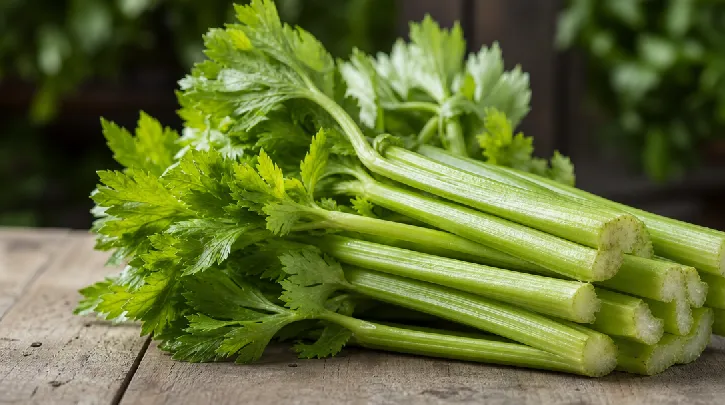
Celery offers significant anti-inflammatory benefits primarily due to its rich composition of antioxidants and phytonutrients, including flavonoids like apigenin and luteolin, and phenolic acids. These powerful compounds work synergistically to help mitigate chronic inflammation within the body, which is a root cause of many common diseases.
Understanding how natural foods like celery can influence our internal health is crucial in a world where chronic inflammatory conditions are increasingly prevalent. Incorporating celery into your diet provides a simple yet effective way to harness nature’s pharmacy, supporting overall wellness and potentially reducing your reliance on pharmaceutical interventions for inflammation management.
Understanding Inflammation: A Double-Edged Sword
Inflammation is the body’s natural response to injury, infection, or irritation. It is an essential process that helps protect us from harm and initiates healing.
Acute inflammation, characterized by redness, swelling, heat, and pain, is a short-term response that resolves once the threat is removed. However, when this response becomes prolonged and persistent, it turns into chronic inflammation.
Chronic inflammation does not have the same clear signs as acute inflammation but can silently contribute to various serious health issues. These include heart disease, diabetes, certain cancers, autoimmune disorders, and neurodegenerative conditions.
The Powerhouse Within: Key Anti-Inflammatory Compounds in Celery
Celery’s anti-inflammatory prowess stems from a complex array of bioactive compounds. These work together to offer comprehensive support against inflammation.
Here are some of the standout components:
- Apigenin: This potent flavonoid is perhaps celery’s most well-known anti-inflammatory agent. Research indicates that apigenin can inhibit enzymes involved in inflammation and reduce the production of pro-inflammatory cytokines.
- Luteolin: Another significant flavonoid found in celery, luteolin works similarly to apigenin. It helps to modulate immune responses and suppress inflammatory pathways, offering protection against oxidative stress.
- Flavonoids: Beyond apigenin and luteolin, celery contains other flavonoids such as quercetin and kaempferol. These compounds are powerful antioxidants that scavenge free radicals, preventing cellular damage that can trigger inflammatory responses.
- Phenolic Acids: Compounds like caffeic acid and ferulic acid contribute to celery’s antioxidant capacity. They further enhance its ability to combat oxidative stress and subsequent inflammation.
- Phthalides: While often associated with celery’s distinctive aroma and blood pressure-lowering effects, certain phthalides also possess anti-inflammatory properties. They can help relax blood vessels and contribute to overall cardiovascular health, which is often impacted by chronic inflammation.
- Polysaccharides: Specific types of polysaccharides in celery have shown immunomodulatory effects. These can help balance the immune system, preventing overactive inflammatory responses.
- Antioxidant Vitamins: Celery provides vitamin C and beta-carotene, precursors to vitamin A. Both are crucial antioxidants that protect cells from damage and support immune function, thereby indirectly reducing inflammation.
How Celery Fights Inflammation: Mechanisms of Action
Celery’s anti-inflammatory effects are not just theoretical; they are backed by scientific understanding of its mechanisms in the body. The compounds in celery intervene in several critical pathways related to inflammation.
One primary mechanism involves the inhibition of pro-inflammatory enzymes. Apigenin, for example, has been shown to suppress the activity of cyclooxygenase-2 (COX-2) and inducible nitric oxide synthase (iNOS), enzymes that produce inflammatory mediators.
Celery also plays a role in modulating cytokine production. Cytokines are signaling molecules that regulate inflammation. The flavonoids in celery can help reduce the release of pro-inflammatory cytokines while potentially promoting anti-inflammatory ones, thus helping to restore balance.
Furthermore, celery’s rich antioxidant content means it is highly effective at scavenging free radicals. Free radicals are unstable molecules that cause oxidative stress, a major trigger for inflammation and cellular damage. By neutralizing these radicals, celery helps prevent the initial cascade of inflammatory events.
Finally, these compounds contribute to protecting cellular health and integrity. By reducing oxidative stress and inflammatory signaling, celery helps maintain healthy cell function, which is fundamental to preventing and resolving chronic inflammatory conditions.
Specific Anti-Inflammatory Benefits and Conditions It May Support
The anti-inflammatory properties of celery make it a valuable dietary addition for managing and preventing a range of health issues. While not a cure, it can be a supportive measure.
Arthritis Management
Chronic inflammation is a hallmark of various forms of arthritis, including osteoarthritis and rheumatoid arthritis. The flavonoids in celery, particularly apigenin, have demonstrated potential in reducing joint pain and swelling by inhibiting inflammatory pathways. Regular consumption may help alleviate symptoms and improve quality of life for those suffering from these conditions.
Digestive Health Support
Inflammation in the gut contributes to conditions like Irritable Bowel Syndrome (IBS) and Inflammatory Bowel Disease (IBD). Celery’s anti-inflammatory and antioxidant compounds can help soothe the digestive tract. It provides fiber, which supports a healthy gut microbiome, further contributing to reduced gut inflammation.
Cardiovascular Health
Chronic inflammation is a significant risk factor for cardiovascular diseases, including atherosclerosis and hypertension. Celery’s phthalides contribute to blood pressure regulation by relaxing smooth muscles in blood vessels, while its antioxidants protect against oxidative damage to heart tissue. These combined effects support overall heart health.
Neurological Health and Cognitive Function
Neuroinflammation is implicated in various neurodegenerative diseases, such as Alzheimer’s and Parkinson’s. Compounds like apigenin have shown promise in preclinical studies for their neuroprotective effects. They can cross the blood-brain barrier and potentially reduce inflammation in brain tissue, supporting cognitive function.
Skin Conditions
Inflammatory skin conditions like acne, psoriasis, and eczema can benefit from an anti-inflammatory diet. Celery’s compounds help reduce systemic inflammation, which can manifest as clearer, healthier skin. Its hydrating properties also contribute to skin health.
Respiratory Issues
Conditions like asthma involve inflammation of the airways. While celery isn’t a primary treatment, its anti-inflammatory effects can be complementary. By helping to reduce systemic inflammation, it may contribute to better respiratory health and potentially fewer flare-ups.
Gout Relief
Gout is a painful form of arthritis caused by the buildup of uric acid crystals in the joints, leading to severe inflammation. Celery’s diuretic properties can help flush out excess uric acid from the body. Its anti-inflammatory compounds also directly address the inflammatory response in affected joints.
Dr. Josh Axe, a certified doctor of natural medicine and clinical nutritionist, emphasizes the importance of whole foods in combating inflammation. “Celery, with its high concentration of beneficial compounds like apigenin and luteolin, is a prime example of how everyday vegetables can be powerful allies in managing inflammation and promoting overall health. It’s not just a crunchy snack; it’s a medicinal food,” states Dr. Axe.
Integrating Celery into Your Diet for Maximum Benefit
Making celery a regular part of your diet is simple and offers numerous ways to enjoy its anti-inflammatory benefits. Consistency is key to seeing potential positive effects.
Consider these easy methods:
- Juicing: Celery juice has gained popularity as a potent anti-inflammatory elixir. Juicing concentrates its beneficial compounds, making them readily available for absorption. Drink it fresh on an empty stomach for best results.
- Smoothies: Blend celery stalks with fruits, other vegetables, and liquids for a nutrient-dense meal or snack. The fiber remains intact, aiding digestion and nutrient absorption.
- Salads: Chop celery into various salads for added crunch and flavor. It pairs well with both leafy green salads and protein-based salads.
- Soups and Stews: Add diced celery to your favorite soups, stews, and stir-fries. While some heat may reduce certain heat-sensitive nutrients, many compounds remain active.
- Snacks: Enjoy raw celery sticks with healthy dips like hummus or almond butter. This provides a refreshing, low-calorie, and nutrient-rich snack.
You can also explore celery seeds and extracts, though with caution. Celery seeds are often used as a spice and also contain beneficial compounds. Celery seed extract, a concentrated form, is available as a supplement. Always consult with a healthcare professional before starting any new supplement, especially if you have underlying health conditions or are taking medications.
Considerations and Cautions
While celery is generally safe and highly beneficial, there are a few considerations to keep in mind for certain individuals.
Always opt for organic celery when possible. Celery is often listed among the “Dirty Dozen” due to its conventional farming practices, which can leave it with higher pesticide residues. Washing it thoroughly, even organic, is always a good practice.
Celery contains a moderate amount of sodium. For individuals closely monitoring their sodium intake due to high blood pressure or other health concerns, it is wise to be mindful of consumption, especially when consuming large quantities like celery juice.
Some individuals may have a celery allergy, which can range from mild oral allergy syndrome symptoms to severe anaphylaxis. If you experience itching, swelling, or difficulty breathing after consuming celery, seek immediate medical attention.
Celery can also interact with certain medications. For instance, its vitamin K content might affect blood-thinning medications like warfarin. Its diuretic properties could also interact with diuretic drugs. Always discuss significant dietary changes or the use of celery extracts with your doctor, especially if you are on medication.
It is important to remember that celery, or any single food, is not a magic bullet or a substitute for professional medical treatment. It is best used as part of a balanced diet and healthy lifestyle to support overall health and manage inflammation.
FAQ
Is celery effective for all types of inflammation?
Celery’s anti-inflammatory compounds primarily target chronic, systemic inflammation by inhibiting pro-inflammatory enzymes and reducing oxidative stress. While it can support the body’s response to various inflammatory triggers, it is not a direct treatment for acute, severe inflammation or specific infections.
How much celery should I eat for anti-inflammatory benefits?
There is no universally prescribed amount, but regular consumption is key. Many health experts suggest incorporating 1-2 stalks of celery into your daily diet, either raw, juiced, or cooked. For concentrated benefits, some people drink 8-16 ounces of celery juice daily.
Are celery seeds also anti-inflammatory?
Yes, celery seeds contain many of the same beneficial compounds, including phthalides and flavonoids, that give celery stalks their anti-inflammatory properties. They are often used in traditional medicine and can be consumed whole, ground, or as an extract.
Can celery interact with medications?
Yes, celery can potentially interact with certain medications. Its vitamin K content may interfere with blood thinners, and its diuretic effects could enhance the action of diuretic drugs. Always consult your doctor if you are on medication and plan to significantly increase your celery intake or use celery supplements.
Is cooked or raw celery better for inflammation?
Raw celery generally retains more of its heat-sensitive nutrients and enzymes, which are beneficial for anti-inflammatory effects. However, many of celery’s robust compounds, like flavonoids and phenolic acids, are quite stable and still provide benefits even after cooking. A combination of both raw and cooked celery in your diet is ideal.
Conclusion
Celery is far more than just a crunchy, low-calorie vegetable; it is a nutritional powerhouse packed with potent anti-inflammatory compounds. From its rich stores of apigenin and luteolin to its array of antioxidants, celery offers a natural and accessible way to combat chronic inflammation within the body.
By regularly incorporating celery into your diet, whether through juicing, smoothies, or simply enjoying it raw, you can support a healthier inflammatory response, potentially mitigate symptoms of various conditions, and bolster your overall well-being. Embrace this humble vegetable as a valuable ally in your journey toward a healthier, less inflamed life.
Disclaimer: The information provided in this article is for informational purposes only and does not constitute medical advice. It is not intended to diagnose, treat, cure, or prevent any disease. Always consult with a qualified healthcare professional before making any decisions about your health or starting any new diet or supplement regimen, especially if you have underlying health conditions, are pregnant or nursing, or are taking medications.
