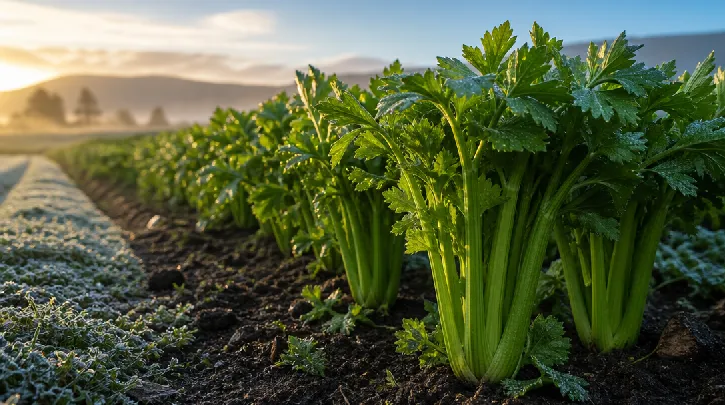
Celery requires a long, cool growing season primarily because these conditions are crucial for preventing premature flowering, known as bolting, and for developing its signature crisp, tender stalks and robust flavor. Without consistent cool temperatures and ample time, celery plants tend to become woody, stringy, and bitter, producing an unpalatable crop. It’s a plant that takes its sweet time, and rushing it or exposing it to stress simply won’t yield the supermarket-quality stalks we all desire.
Many home gardeners find celery to be one of the more challenging vegetables to cultivate successfully, often ending up with tough, pithy, or bitter harvests. The secret to unlocking bountiful, sweet, and snappy celery isn’t in some exotic fertilizer or advanced technique, but rather in a deep appreciation for its fundamental environmental needs, especially temperature and time.
The Biological Imperative: Celery’s Temperature Demands
Celery (Apium graveolens var. dulce) is a biennial plant, meaning it typically completes its life cycle over two years. In its first year, it develops its vegetative growth—the stalks and leaves we eat. In the second year, it would normally flower, set seed, and then die. However, when we grow celery, we want to harvest it before it reaches that reproductive stage. The plant interprets certain environmental cues, particularly prolonged exposure to cold temperatures, as a signal to initiate flowering. This process is called vernalization.
For celery, exposure to temperatures below 50°F (10°C) for several weeks, especially after the plant has developed a few true leaves, can trigger bolting. Conversely, consistently warm temperatures, particularly above 80°F (27°C), can also stress the plant, leading to stunted growth, bitterness, and increased stringiness. The sweet spot for celery is a narrow range: ideally, consistent daytime temperatures between 60°F and 75°F (15°C and 24°C) and nighttime temperatures that remain comfortably cool.
Understanding Bolting: The Enemy of Tender Stalks
Bolting is the plant’s natural response to perceived stress or to specific environmental signals that prompt it to produce a flower stalk and seeds. When celery bolts, its energy shifts from developing succulent, edible stalks to forming a tall, central flower stalk. This redirection of energy has several negative consequences for the harvest.
- Toughness and Stringiness: As the plant bolts, the stalks become tough, fibrous, and noticeably stringier, making them unpleasant to eat. The plant prioritizes structural support for its flowers and seeds over tender leaf petioles.
- Bitterness: Bolting often intensifies the production of compounds that give celery a strong, bitter taste. This is part of the plant’s defense mechanism, as it invests its resources in reproduction rather than palatability.
- Reduced Yield: A bolting plant will produce significantly fewer marketable stalks, as the main stem elongates and thickens, sacrificing the quality of the surrounding petioles.
Horticulturalist Dr. Susan Brown from Cornell University often emphasizes the critical role of temperature regulation for cold-sensitive crops. “Controlling temperature fluctuations is paramount for biennial vegetables like celery,” she states. “A sudden dip in temperature, particularly after a period of active growth, can prematurely trick the plant into thinking winter has passed and it’s time to set seed.”
The Science of Crispness: How Cool Temperatures Build Better Celery
The characteristic crispness and watery crunch of celery are not accidental; they are a direct result of the plant’s physiological response to its growing environment. Celery stalks are largely composed of water and turgid cells. A long, cool growing season provides the ideal conditions for the plant to slowly and steadily absorb water and nutrients, allowing the cells in the petioles (stalks) to fully expand and become engorged with water.
When celery grows too quickly in warm conditions, or experiences significant stress, its cells don’t fully hydrate, leading to flaccid, less crisp stalks. The plant’s metabolism also functions more efficiently at cooler temperatures, allowing for better synthesis of sugars and other compounds that contribute to its texture and flavor. Think of it like a slow-cooked meal versus a rushed one; the unhurried process allows for deeper development and better results.
The American Society for Horticultural Science has published research indicating that consistent soil moisture and moderate air temperatures are directly correlated with higher turgor pressure in celery petioles, which translates to superior crispness and reduced pithiness.
Flavor Development: Why the Chill Matters
Beyond preventing bolting and ensuring crispness, a long, cool growing season is essential for developing celery’s distinct, slightly sweet, and aromatic flavor. This is a crucial aspect often overlooked by growers who prioritize speed over quality.
Cooler temperatures slow down the plant’s metabolic processes, allowing for the gradual accumulation of sugars and volatile aromatic compounds. These compounds are what give celery its nuanced taste and smell. In hot conditions, the plant tends to metabolize these sugars more quickly, often leading to a reduction in sweetness and an increase in bitterness, as mentioned earlier. The slower growth cycle also ensures that the plant has ample time to absorb a full spectrum of micronutrients from the soil, which further contributes to a richer, more complex flavor profile.
Furthermore, celery requires consistent moisture to thrive, and cooler temperatures naturally reduce water evaporation from both the soil and the plant’s leaves. This helps maintain steady hydration, which is critical for both texture and flavor, preventing the plant from becoming stressed and developing off-flavors.
Water, Nutrients, and Soil: Essential Partners to Temperature
While temperature is the primary driver for celery’s success, it doesn’t operate in a vacuum. A long, cool growing season creates the ideal environment for other critical factors to support robust growth.
Celery is a heavy feeder and a thirsty plant. Its shallow root system means it requires consistent, ample moisture. Drip irrigation or regular, deep watering is essential to prevent wilting and maintain steady growth. Fluctuations in moisture, especially during dry spells, can cause stress, leading to tough stalks and a bitter taste, even in ideal temperatures.
Rich, well-draining soil with a high organic matter content is also vital. Organic matter helps retain moisture and provides a steady supply of nutrients. Celery thrives in soil with a pH between 6.0 and 7.0. A balanced fertilizer program, rich in nitrogen for leafy growth, is necessary throughout its long growing period.
Cultivating Success: Practical Tips for a Long, Cool Season
Achieving a successful celery harvest requires a thoughtful approach, embracing its need for patience and specific environmental conditions.
Choosing the Right Varieties
Not all celery varieties are created equal. Some are more tolerant of warmer conditions, while others are specifically bred for cool-season growing. For best results in regions with longer cool periods, select varieties known for their bolt resistance and good flavor. Here’s a quick comparison:
| Variety Type | Characteristics | Ideal Growing Conditions |
|---|---|---|
| Standard Green Celery (e.g., ‘Tall Utah’, ‘Conquistador’) | Most common, excellent flavor and crispness, needs blanching for tenderness. | Prefers consistent cool temperatures (60-75°F), susceptible to bolting with cold snaps. |
| Self-Blanching Celery (e.g., ‘Pink Plume’, ‘Golden Self-Blanching’) | Naturally lighter color, often more tender, less need for manual blanching. | Slightly more tolerant of temperature fluctuations, but still performs best in cool, moist conditions. |
| Celeriac (Root Celery) | Grown for its edible swollen root, strong celery flavor. | Very hardy, requires an even longer and cooler season than stalk celery. |
Timing is Everything: Planting Schedules
In most parts of the United States, celery is best started indoors and then transplanted. This allows you to get a head start on its long growing season while protecting young plants from late spring frosts or early summer heat waves. For Northern states, aim to transplant seedlings after the last frost date, typically in late spring, allowing them to mature through the cooler parts of summer and into early fall. For Southern states, celery is often grown as a fall and winter crop, planted in late summer or early fall to mature during the cooler months.
The goal is to provide at least 100-120 days of consistent, mild weather from transplanting to harvest. Always check your local extension office for specific planting dates recommended for your agricultural zone.
Site Selection and Soil Preparation
Choose a location that receives full sun, at least 6-8 hours daily, but ideally benefits from some afternoon shade in hotter climates to mitigate heat stress. The soil must be exceptionally rich, well-draining, and moisture-retentive. Incorporate a significant amount of compost or aged manure prior to planting to improve soil structure and fertility.
As Master Gardener and author Carol S. Adams advises, “Celery’s root system is relatively shallow, so the health of the top six to eight inches of soil is paramount. Don’t skimp on soil amendments, and always ensure good drainage to prevent waterlogging while maintaining consistent moisture.”
Watering Strategies
Consistent moisture is non-negotiable for celery. The soil should never be allowed to dry out completely. Aim for at least 1-1.5 inches of water per week, either from rainfall or irrigation. Consider using soaker hoses or drip irrigation to deliver water directly to the root zone, minimizing evaporation and foliar diseases.
Mulching around the base of the plants with straw, shredded leaves, or wood chips is highly beneficial. Mulch helps to conserve soil moisture, regulate soil temperature, and suppress weeds, all of which contribute to a more stable and favorable growing environment for celery.
Nutrient Management
Celery is a heavy feeder, especially of nitrogen. Supplementing with a balanced liquid fertilizer every few weeks, or incorporating a slow-release granular fertilizer at planting, can provide the necessary nutrients for robust growth. Pay attention to soil test results, as deficiencies in micronutrients like boron can sometimes lead to hollow stalks.
Pest and Disease Control in Cool Conditions
While cooler temperatures can deter some pests, celery can still fall prey to challenges like slugs, snails, and certain fungal diseases, or even hungry deer. Regular inspection of plants is crucial. Good air circulation helps prevent fungal issues, and organic slug baits can manage mollusk populations. A healthy, stress-free plant grown in optimal conditions is always more resilient to pests and diseases.
Blanching for Premium Quality
Traditional celery varieties often benefit from blanching, a process that excludes light from the developing stalks. This results in paler, more tender, and less bitter stalks. You can blanch celery by mounding soil around the lower stalks, wrapping them with cardboard or newspaper, or using celery collars for the last few weeks before harvest. Self-blanching varieties have been bred to achieve this effect naturally without intervention.
Common Challenges and Troubleshooting
- Celery is Bitter: Often caused by heat stress, inconsistent watering, or nutrient deficiencies. Ensure consistent moisture and consider providing afternoon shade in hot climates.
- Celery is Stringy or Woody: Usually a sign of bolting, drought stress, or harvesting too late. Proper timing and consistent moisture are key.
- Stunted Growth: Can be due to inadequate nutrients, insufficient water, or planting in compacted or poor soil. Improve soil fertility and ensure regular feeding and watering.
- Hollow Stalks: Sometimes a symptom of boron deficiency. A soil test can confirm this, and boron can be supplemented if needed. Inconsistent watering can also contribute.
FAQ
Why does my celery bolt prematurely?
Celery typically bolts prematurely due to stress, most commonly from prolonged exposure to cold temperatures (below 50°F) after the seedlings have developed a few true leaves, or from drastic fluctuations between cold and warm weather. Inconsistent watering or nutrient stress can also contribute.
What is the ideal temperature range for growing celery?
The ideal temperature range for growing celery is consistently between 60°F and 75°F (15°C and 24°C) during the day, with cool nights. Avoiding temperatures below 50°F or above 80°F for extended periods is crucial for best results.
Can I grow celery in a warm climate?
Growing celery in warm climates is challenging but possible. You might need to choose heat-tolerant varieties, provide significant afternoon shade, ensure consistent and ample watering, and grow it as a fall/winter crop to avoid intense summer heat.
How long does celery take to grow from seed to harvest?
Celery has a long growing season. From transplanting, it typically takes 100 to 120 days to reach maturity. If started from seed, the entire process, including indoor germination, can take up to 150-160 days.
What happens if celery gets too hot?
If celery gets too hot, it can become stressed, leading to bitter, tough, and stringy stalks. High temperatures also accelerate the plant’s metabolism, reducing the accumulation of sugars and desirable aromatic compounds, diminishing its flavor and crispness.
Conclusion
Cultivating crisp, flavorful celery is a rewarding experience that truly exemplifies the art of patient gardening. By understanding and respecting celery’s fundamental need for a long, cool growing season, consistent moisture, and nutrient-rich soil, gardeners can transform a notoriously challenging crop into a consistent success. It’s not about forcing the plant to grow on our schedule, but rather creating the ideal environment where it can slowly and steadily develop its best qualities. Embracing these principles ensures a harvest of tender, crunchy, and delightfully aromatic celery stalks that are a testament to well-managed cultivation.
