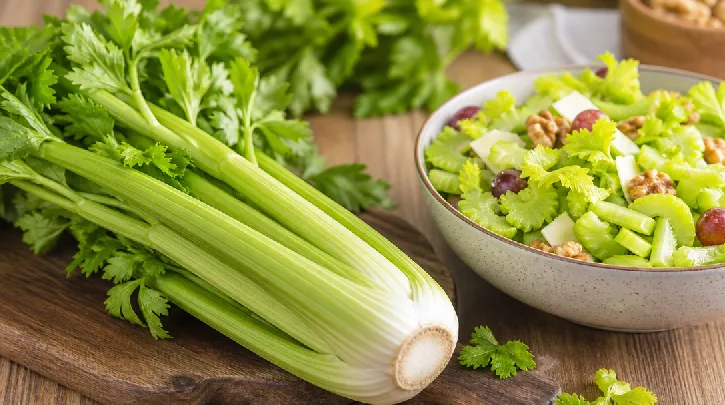
For truly exceptional salads, the best tasting celery varieties offer a harmonious blend of crispness, subtle sweetness, and a refreshing green note that elevates every bite. While many assume celery is a generic ingredient, discerning palates know that varieties like Pascal, Tango, and Conquistador stand out for their superior flavor and texture, transforming an ordinary salad into something truly special.
The quest for the perfect crunch and balanced flavor in your salad often leads straight to the heart of your vegetable crisper. Beyond simply adding texture, the right celery variety can introduce a depth of taste, from peppery undertones to a surprising sweetness, making it a cornerstone ingredient rather than just a filler. Understanding these nuances unlocks a new level of culinary appreciation.
Beyond the Stalk: Understanding Celery’s Flavor Profile
Celery’s unique flavor comes from a complex interplay of compounds, primarily phthalides, which contribute to its characteristic aroma and taste, and coumarins, which can offer a slightly bitter note. The balance of these compounds, alongside its water content and fibrous structure, dictates whether a stalk is intensely aromatic, subtly sweet, or bracingly bitter. Factors like growing conditions, harvest time, and even the specific variety dramatically influence this profile.
As Dr. Susan Brown, a food scientist specializing in vegetables, notes, “The diverse genetic makeup of celery varieties leads to significant differences in their essential oil composition. This directly impacts the levels of sweetness, earthiness, and even the perceived bitterness, which is why choosing the right variety is crucial for specific culinary uses.”
The Core Contenders: Top Celery Varieties for Salads
Selecting the ideal celery for your salad hinges on knowing which varieties deliver on flavor, crunch, and overall sensory experience. Here are some of the standout options favored by chefs and home cooks alike.
Pascal Celery
Pascal is arguably the most recognizable and widely cultivated celery variety in the United States, and for good reason. It offers a classic celery flavor that is robust yet balanced, with a pleasingly crisp texture that holds up well in dressings. Its stalks are typically thick, green, and relatively string-free.
Pascal celery provides a consistent, refreshing crunch that complements a wide range of salad ingredients without overpowering them. It’s an excellent all-rounder, reliable for both its taste and structural integrity in salads. You’ll find Pascal celery often referred to simply as “celery” in most grocery stores due to its prevalence.
Tango Celery
For those seeking a celery with exceptional crispness and a less stringy texture, Tango celery is a superb choice. This variety is known for its bright, almost sweet flavor, which is milder than some traditional types, making it particularly appealing for fresh salads where you want a clean, refreshing taste.
Tango’s thinner, more tender stalks contribute to its superior snap. It’s an excellent option for delicate salads or when you want the celery to blend seamlessly with other ingredients, providing crunch without a dominant flavor. Many gardeners appreciate Tango for its relatively quick maturity and disease resistance.
Conquistador Celery
Conquistador is a vigorous variety that has gained popularity for its strong, upright growth and excellent stalk quality. Its flavor profile is often described as slightly more pronounced and earthy than Pascal, yet still sweet and very refreshing. The stalks are typically medium to dark green, firm, and consistently crisp.
Conquistador stands up well to heartier salad ingredients and dressings, making it a reliable choice for robust green salads, potato salads, or chicken salads. Its firm texture ensures it remains crunchy even after being dressed for a short period, preventing sogginess. It also offers good yields for home growers.
Utah 52-70R Improved Celery
The Utah 52-70R Improved variety is a classic open-pollinated celery known for its dependable performance and excellent flavor. It produces medium to dark green stalks that are solid, crisp, and possess a traditional, slightly nutty celery taste. This variety offers a good balance between sweetness and its characteristic celery bite.
Many experienced gardeners and farmers favor Utah 52-70R Improved for its reliability and consistent quality. It’s a versatile celery that works beautifully in any salad application, providing that familiar, comforting celery flavor and satisfying crunch. It’s also known for good disease resistance.
Red Celery Varieties (e.g., Giant Red, Redventure)
Beyond the common green types, red celery varieties like Giant Red or Redventure offer a striking visual appeal along with a distinct flavor. These varieties typically feature vibrant red or reddish-pink stalks and can have a slightly sweeter, sometimes fruitier, flavor profile compared to their green counterparts, often with a subtle peppery finish.
Red celery is a fantastic choice for adding color and a unique flavor dimension to salads. While the stalks can sometimes be a bit thinner than green varieties, their crispness and mild, sweet taste make them excellent for fresh consumption. They are particularly stunning in mixed green salads or as a garnish.
Pink Celery Varieties
Similar to red celery, various pink celery types, often heirloom, boast beautiful rose-tinted stalks. These varieties typically provide a milder, sweeter flavor than standard green celery, with a tender crunch. Their delicate taste makes them ideal for showcasing in salads where you want a gentle celery presence and an appealing visual.
Pink celery is perfect for gourmet salads, vegetable platters, or any dish where its aesthetic appeal and nuanced flavor can shine. It offers a subtle twist on traditional celery, proving that variety truly is the spice of life in the garden and on the plate.
Self-Blanching Celery (e.g., Golden Self-Blanching)
Self-blanching celery varieties, such as Golden Self-Blanching, are cultivated to produce lighter-colored, more tender stalks with a milder, sweeter flavor. This is achieved because the plants naturally grow very compactly, with outer leaves shading the inner stalks, reducing chlorophyll development and bitterness.
These varieties are excellent for salads when you prefer a less assertive celery taste and a more tender, delicate crunch. Their pale color also adds visual interest to mixed green or coleslaw-style salads. Home gardeners often appreciate the reduced effort in blanching compared to trenching other varieties.
Leaf Celery (Cutting Celery)
While not typically used for its thick stalks in salads, leaf celery or cutting celery deserves mention for its intensely aromatic leaves. Varieties like Amsterdam Prickle produce abundant, finely divided leaves with a much stronger, concentrated celery flavor than the stalks of common celery.
The leaves of cutting celery are fantastic for mincing and adding a potent burst of celery essence to dressings, marinades, or as a garnish on top of salads. It’s an excellent way to infuse deep celery flavor without relying on the stalks themselves. Think of it as a flavorful herb rather than a crunchy vegetable in this context.
What Makes a Great Salad Celery? Key Characteristics
Beyond specific varieties, several characteristics define truly great celery for salads. Understanding these traits helps you choose wisely, whether you’re selecting from your garden or the grocery store.
- Crunchiness: This is paramount. A good salad celery must have a satisfying snap. This comes from turgor pressure within the cells and the thickness of the cell walls.
- Sweetness vs. Bitterness Balance: The best varieties offer a subtle sweetness that balances any inherent bitterness, rather than an overpowering sharpness. Younger, inner stalks are often sweeter.
- Low Stringiness: Fibrous strings can detract from the eating experience. Varieties bred for less stringiness provide a smoother texture.
- Moisture Content: High water content contributes to crispness and a refreshing feel, crucial for hydrating and enlivening a salad.
- Aromatic Quality: The essential oils should provide a fresh, clean, and appealing aroma that enhances the overall flavor profile of your salad.
Selecting celery with these qualities ensures that it contributes positively to the salad experience, rather than being an afterthought. “The textural component of celery is often underestimated,” states nutritionist and culinary expert, Sarah Jenkins. “A crisp, hydrating celery stalk adds a vital contrast, preventing a salad from becoming monotonous, especially when paired with softer ingredients.”
Growing Your Own Best-Tasting Celery: Tips for Flavor
There’s nothing quite like fresh, homegrown celery, and you have more control over its flavor when you grow it yourself. Achieving optimal taste involves a few key horticultural practices.
- Rich, Fertile Soil: Celery is a heavy feeder. Plant it in well-drained, nutrient-rich soil amended with plenty of compost. This provides the essential nutrients for robust growth and flavor development.
- Consistent Moisture: Celery needs constant, ample moisture. Erratic watering can lead to stringy stalks and a bitter taste. Aim for uniformly moist, but not waterlogged, soil throughout the growing season.
- Plenty of Sunlight: While it can tolerate some partial shade, celery thrives with at least 6 hours of direct sunlight per day. Adequate light ensures strong growth and better flavor.
- Blanching (Optional): For a milder, sweeter flavor and lighter color, some varieties benefit from blanching. This involves mounding soil or wrapping stalks with cardboard or newspaper for the last 2-3 weeks before harvest to block sunlight. Self-blanching varieties do this naturally.
- Timely Harvest: Harvest outer stalks when they reach a usable size, or harvest the entire plant when mature. Over-mature celery can become more fibrous and bitter. “Harvesting celery at its peak maturity, before stalks become overly tough, is critical for achieving the best flavor and texture,” advises Master Gardener, John Peterson.
These practices ensure your celery develops the ideal balance of sweetness, crispness, and aroma, making it a star ingredient in your salads.
Selecting and Storing Celery for Optimal Salad Enjoyment
Even if you’re not growing your own, knowing how to select and store celery properly is crucial for maintaining its peak flavor and crispness for salads.
What to Look For
When buying celery, always look for:
- Firm Stalks: They should be rigid and snap easily, not limp or rubbery.
- Fresh Leaves: The leaves, if present, should be vibrant green and not yellowing or wilted.
- Pale Green Heart: The inner stalks should be a lighter, often yellowish-green, indicating tenderness.
- No Black Spots or Blemishes: Avoid stalks with signs of decay or damage.
Proper Storage Methods
Correct storage can extend celery’s freshness and crispness significantly:
- Wrap in Foil: This is a highly effective method. Wrap the entire head of celery tightly in aluminum foil before placing it in the crisper drawer of your refrigerator. The foil allows ethylene gas to escape, which celery produces and that causes it to soften. This method can keep celery crisp for 2-4 weeks.
- Water Bath: For cut celery, submerge stalks in a container of cold water in the refrigerator. Change the water daily. This keeps the celery hydrated and crunchy for up to a week.
- Avoid Plastic Bags: Standard plastic bags trap ethylene gas, leading to faster wilting and softening.
By following these simple selection and storage tips, you can ensure your celery remains a vibrant, crunchy, and flavorful addition to all your salad creations.
Culinary Applications Beyond the Salad Bowl
While our focus remains on salads, the versatility of flavorful celery extends far beyond. The same desirable characteristics—crispness, aromatic qualities, and balanced taste—make these varieties excellent in a multitude of dishes.
They are superb raw additions to crudités platters with dips, offering a refreshing counterpoint to richer flavors. Cooked, the best-tasting celery varieties contribute foundational flavor to mirepoix, stocks, soups, and stews, providing an aromatic depth without becoming stringy or overly bitter. Finely diced, they add a delicate crunch to stuffings or savory fillings, proving their essential role across the culinary spectrum.
Frequently Asked Questions About Celery for Salads
What makes some celery taste bitter?
Celery’s bitterness often comes from compounds like coumarins, which are more pronounced in older, stressed, or improperly blanched plants. Younger, inner stalks tend to be sweeter, and adequate, consistent watering during growth can also reduce bitterness.
Can I use celery leaves in salads?
Absolutely! Celery leaves, especially the tender inner ones, are highly flavorful and nutritious. They have a more concentrated celery taste than the stalks and can be chopped and added to salads as a fresh herb or garnish, providing an extra burst of aroma.
How can I make my celery last longer in the fridge?
The most effective way to keep celery crisp is to wrap the entire head tightly in aluminum foil before storing it in the refrigerator’s crisper drawer. This allows the ethylene gas it produces to escape, preventing it from softening, and can keep it fresh for several weeks.
Are there any health benefits to eating celery?
Yes, celery is a good source of vitamins K and C, potassium, and folate, and is rich in antioxidants. It’s also very hydrating due to its high water content and provides dietary fiber, contributing to digestive health.
What’s the difference between green and red/pink celery varieties for salads?
Green celery varieties generally offer a more classic, robust celery flavor and are often very crisp. Red and pink varieties typically have a milder, sweeter, sometimes fruitier taste and are chosen for their beautiful color and slightly more tender texture, making them visually appealing in salads.
Conclusion
Choosing the right celery variety for your salads is a game-changer, moving celery from a supporting role to a celebrated star. Varieties like Pascal, Tango, Conquistador, and Utah 52-70R Improved consistently deliver on the promise of crispness, balanced flavor, and refreshing aroma. By understanding their unique characteristics, and applying sound growing, selection, and storage practices, you can ensure that every salad you create is elevated by the very best tasting celery.
Embrace the diversity of celery, and you’ll unlock a new dimension of flavor and texture that will make your salads truly unforgettable. The perfect crunch and delightful taste are not accidental; they are the result of deliberate choice and appreciation for this underrated vegetable.
Explore Related Content
- more on Gardening
- Vegetables resources
- What to Plant Next to Celery: Boost Your Harvest with Smart Companion Planting
- Does Celery Freeze? The Ultimate Guide to Preserving Your Crispy Stalks
- Are Celery and Rhubarb Related? Unpacking the Botanical Differences
- Does Deer Eat Celery? Protecting Your Garden from Hungry Browsers
- Groundhogs and Celery: Do They Really Like It?
